
Witch trials in the Netherlands
A historical record of prosecutions and executions for sorcery in the Dutch Republic.
The Netherlands conducted fewer witchcraft executions than most European nations, ending capital punishment for the crime by 1603. Authorities gradually repealed death sentences while public belief in witches persisted into the nineteenth century.
- Executions for witchcraft ended in the Netherlands by 1603.
- 164 to 200 victims are documented in the Northern Netherlands.
- The Schiedam case of 1593 set a precedent against the death penalty.
- Hendrika Hofhuis underwent a water ordeal in 1823 to clear her name.
- The Roermond trial of 1613 occurred in territory then controlled by Spain.
What it is
The witch trials in the Netherlands represent a distinct phase in early modern European history regarding accusations of sorcery. These proceedings were among the smallest in Europe, characterized by an unusually early end to capital punishment. While accusations occurred across various provinces, the state moved quickly to abolish the death penalty for witchcraft. The legal system shifted from execution to imprisonment or corporal punishment, marking a significant divergence from neighboring regions that continued severe persecution longer.
Where it comes from
Prosecutions began in the Northern Netherlands between 1550 and 1575, preceding the major waves in the Southern Netherlands. Early authorities sought judicial expertise from Cologne and Cleves, hiring foreign executioners like master Symon to extract confessions. After independence in 1579, provincial courts in Zeeland and Frisia maintained strict control and demanded high evidence standards before allowing torture. A pivotal moment occurred in June 1593 when the High Court in Holland repealed a death sentence in Schiedam, setting a precedent that other provinces followed within a decade.
How it is done
Accusations often arose during economic crises or plague outbreaks, targeting those who nursed the sick or blamed for trade disruptions. In eastern provinces, men were sometimes accused of being werewolves. Trials varied by region; Groningen saw peaks in the 1540s and 1590s, while Holland peaked in the mid-1560s. Later cases involved commuted sentences like pillorying or mysterious deaths in custody. Even after executions stopped, defamation cases persisted, occasionally leading to community-driven ordeals where accused individuals submitted to water tests to prove innocence.
Tools and materials
Legal records and archival materials serve as the primary tools for understanding these events, though many documents were lost over time. Historical accounts mention the use of torture to extract confessions in earlier periods. Ordeals such as the water test and weighing at Oudewater were used by the accused to clear their names in later centuries. Foreign executioners provided specialized skills in interrogation techniques during the initial phases of the trials.
Witch trials in the Netherlands, drawn and placed
- Living
- Revived
- Fading
- Historical
- Legendary
- Performed
What it is for
The trials served to address communal fears of sorcery and maintain social order during times of crisis. Accusations were often linked to economic instability, such as drops in grain imports, or health emergencies like plague outbreaks. The state aimed to regulate these fears through legal procedure, eventually concluding that sorcery was an illusion. Public belief persisted long after official persecution ended, with communities continuing to accuse neighbors of witchcraft well into the eighteenth and nineteenth centuries.
Who does it
Trained jurists staffed the provincial courts in Zeeland and Frisia, insisting on due process and procedural rules. Scholars note that cunning folk and midwives were rarely accused, unlike in other parts of Europe. The judiciary gradually phased out executions, with the last known executions occurring in Bredevoort in 1610. Victims were overwhelmingly women, particularly in western provinces, while eastern areas saw some male accusations related to werewolf claims.
Peoples and places
The practice spanned the Low Countries, with significant differences between northern and southern regions. The Northern Netherlands, including Holland, Utrecht, Groningen, and Gelderland, abolished executions by 1603. The Southern Netherlands, under Spanish control, continued harsher persecutions, exemplified by the Roermond trial of 1613. Dutch authorities later used their lack of executions as political propaganda against their Catholic neighbors, claiming superior justice despite persistent public superstition.
At a glance: who, where and when
What people believe
Public belief in witchcraft remained strong even as authorities ceased executions. Many citizens viewed sorcery as a real threat, leading to lynchings and defamation disputes throughout the eighteenth century. Some individuals voluntarily underwent ordeals to satisfy their neighbors' suspicions. The Reformed church authorities sometimes punished those who sought ordeals, viewing them as indulging in superstitious practices rather than genuine faith.
When it is done
Trials peaked during specific periods of instability. In Holland, the mid-1560s saw a surge linked to economic distress. Groningen experienced peaks in the 1540s and around 1590. Utrecht's highest activity occurred in the 1520s and 1530s. Guelders saw peaks in the 1540s and 1550s. Later incidents were sporadic, with notable cases occurring in the late seventeenth and early nineteenth centuries, such as the 1823 ordeal of Hendrika Hofhuis.
How scholars and sceptics see it
Historians estimate that 164 to 200 people were killed in the Northern Netherlands, with figures rising to 300 if including territories under Spanish jurisdiction. Record keeping in some provinces was poor, suggesting actual numbers may be higher. Scholars highlight the role of trained jurists in limiting torture and the influence of foreign legal experts in early trials. The shift from execution to non-lethal penalties is viewed as a unique development in Dutch legal history compared to contemporary European norms.
Cautions and what is closed
The trials resulted in the deaths of hundreds of people, predominantly women. Torture was used to extract confessions in earlier decades. Later, community pressure led to informal ordeals that could harm the accused or result in religious exclusion. The persistence of accusations into the nineteenth century demonstrates the long-lasting impact of fear and superstition on local communities, even after state-sanctioned persecution ended.
Compare and confuse
The Dutch experience contrasts sharply with the Witch trials in the Spanish Netherlands, where persecutions were more severe and prolonged. Dutch authorities highlighted this difference for political propaganda, emphasizing their rejection of sorcery convictions. Unlike many European regions where cunning folk were frequently targeted, Dutch trials rarely involved these practitioners. The eventual abolition of capital punishment placed the Netherlands ahead of its neighbors in legal treatment of witchcraft accusations.
Questions people ask about Witch trials in the Netherlands
When did the Netherlands stop executing witches?
Capital punishment for witchcraft was effectively abolished starting in 1593 in Holland, with other provinces following suit by 1603. The last executions in the Northern Netherlands occurred in 1610.
How many people were killed in Dutch witch trials?
Estimates range from 164 to 200 victims in the Northern Netherlands. This number rises to potentially 300 if including casualties from regions under Spanish jurisdiction that later became part of the Netherlands.
Why were there so few executions in the Netherlands?
Provincial courts, especially in Zeeland and Frisia, insisted on strict due process and high evidence standards. A key precedent set in 1593 led to the repeal of death sentences, shifting the focus away from execution.
Did belief in witches disappear after the trials ended?
No, public belief persisted into the nineteenth century. Accusations continued, and some individuals voluntarily underwent ordeals like water tests to prove their innocence to their neighbors.
What was the last known witch-related event in the Netherlands?
In 1823, Hendrika Hofhuis requested a water ordeal to clear her name from witchcraft accusations. Authorities allowed it to resolve a defamation dispute, marking the last instance resembling a trial.
Good reading and sources
The facts on this page come from the Wikipedia article "Witch trials in the Netherlands", written by its contributors and used under the CC BY-SA 4.0 licence, and from its Wikidata record (CC0). EveryJaadu rewrote the text in its own words, with AI assistance, and compares every page with the article to make sure no passage is copied. It may be reused under the same CC BY-SA 4.0 licence with a link back.
It may contain mistakes. Names and customs differ from one community to the next, and some knowledge is closed to outsiders and left out here. This page describes belief and practice. It does not say that any of it works, it is not a how-to, and it is not medical advice. If something is wrong, tell us. Last refreshed 2026-10-05.
More from the Netherlands
All the entries from the Netherlands 🇩🇪 Germany and 5 moreWild Hunt
A spectral chase across Europe led by a mythic figure and ghostly riders.Belief · Cursing and harm Historical
🇩🇪 Germany and 5 moreWild Hunt
A spectral chase across Europe led by a mythic figure and ghostly riders.Belief · Cursing and harm Historical
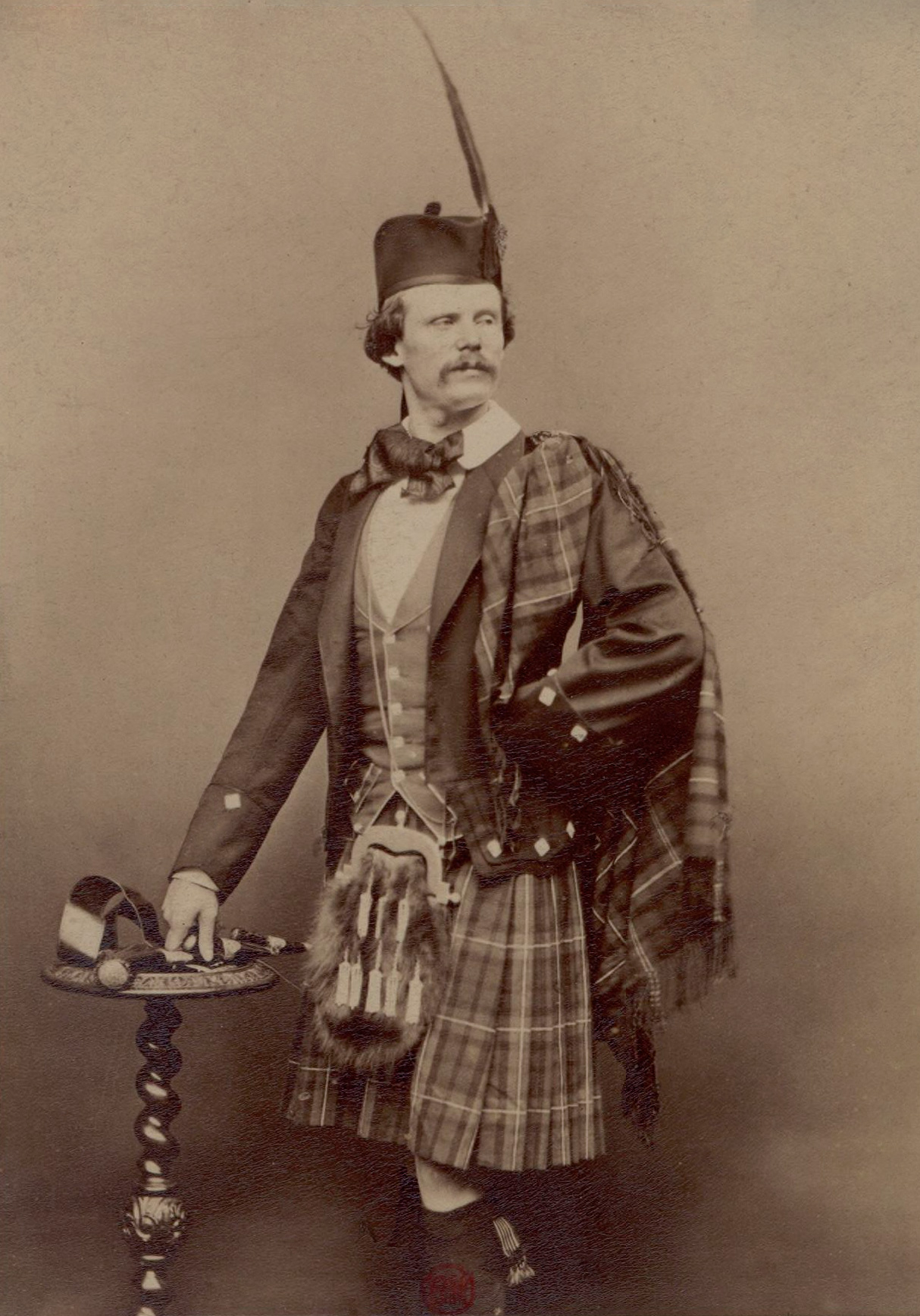 🇬🇧 United Kingdom and 2 moreDaniel Dunglas Home
A Scottish physical medium known for levitation and spirit communication during the Victorian era.Belief · Speaking with spirits and the dead · Wonder and entertainment Historical
🇬🇧 United Kingdom and 2 moreDaniel Dunglas Home
A Scottish physical medium known for levitation and spirit communication during the Victorian era.Belief · Speaking with spirits and the dead · Wonder and entertainment Historical
 🇩🇪 Germany and 7 moreWalpurgis NightWalpurgisnacht
A spring vigil marking the eve of Saint Walpurga's feast day with bonfires and student festivalsRite · Protection · Speaking with spirits and the dead Living
🇳🇱 NetherlandsCornelius Loos
A Catholic priest who publicly opposed the European witch trials of the late 1500s.Belief · Cursing and harm Historical
🇩🇪 Germany and 7 moreWalpurgis NightWalpurgisnacht
A spring vigil marking the eve of Saint Walpurga's feast day with bonfires and student festivalsRite · Protection · Speaking with spirits and the dead Living
🇳🇱 NetherlandsCornelius Loos
A Catholic priest who publicly opposed the European witch trials of the late 1500s.Belief · Cursing and harm Historical
Related elsewhere
All belief 🇪🇬 Egypt and 1 moreLilithלִילִית
A feminine figure from Mesopotamian and Jewish mythology, often depicted as a night demon or spirit.Being · Cursing and harm Legendary
🇪🇬 Egypt and 1 moreLilithלִילִית
A feminine figure from Mesopotamian and Jewish mythology, often depicted as a night demon or spirit.Being · Cursing and harm Legendary
 🇪🇬 EgyptCurse
A spoken wish for misfortune to befall a person or placeBelief · Cursing and harm · Luck and prosperity Historical
🇪🇬 EgyptCurse
A spoken wish for misfortune to befall a person or placeBelief · Cursing and harm · Luck and prosperity Historical
 🇹🇷 Turkey and 5 moreEvil eye
A curse caused by an envious look and the charms used to block itBelief · Protection · Cursing and harm Living
🇹🇷 Turkey and 5 moreEvil eye
A curse caused by an envious look and the charms used to block itBelief · Protection · Cursing and harm Living
 🇮🇶 Iraq and 1 moreRabisu
A wind spirit in Akkadian myth sent to correct human transgressionsBeing · Cursing and harm · Cleansing and purification Historical
🇮🇶 Iraq and 1 moreRabisu
A wind spirit in Akkadian myth sent to correct human transgressionsBeing · Cursing and harm · Cleansing and purification Historical