Cursing and harm
Curses, hexes and sorcery as people describe and fear them, with the counter-magic against them.
Cursing and harm are the part of magic that societies fear most. This page describes curses and sorcery as beliefs, and the social role of fear and accusation, and does not give instructions. The evil eye, the curse tablets of the Greek and Roman world, Hebrew and Arabic writings on harmful magic, sorcery in Melanesia and Africa, and the European witch are all part of this subject. Most of the harm recorded is that done to people accused.
What is believed
Many cultures hold that envy, anger or hostile ritual can bring illness, loss or death to a victim. The beliefs differ: in the Mediterranean, the evil eye needs no intent. In Azande society, studied by Evans-Pritchard, witchcraft was an inherited substance that explained why misfortune struck one person and not another. Greek and Roman lead curse tablets, often addressed to gods of the underworld, show the belief was written down in antiquity.
Accusation as social force
Where harm is feared, accusation follows. Anthropologists have shown that charges of witchcraft often follow tension inside a family or village, such as inheritance, jealousy or a sudden death. Accusers are usually in conflict with the accused, who is more likely to be old, poor, widowed or marginal. The belief can enforce norms and also destroy people. People also fear being accused, since an accusation can arrive without warning and can follow a family for generations.
Persecution and its present
European and colonial American witch trials, from the fifteenth to the eighteenth century, put tens of thousands to death, including the Salem trials of 1692. The practice has not ended. Mobs and families still attack accused people in parts of Africa, India, Papua New Guinea and elsewhere, and Saudi Arabia has executed people for sorcery. Albino people have been killed for body parts in East Africa. Several states are drafting or enforcing laws against accusation itself.
Counter-magic and scholarship
Where harm is feared, so is protection: amulets, cleansing, and a specialist who can say who sent it. Scholars see curses as a language of grievance, and psychologists have documented the nocebo effect, in which belief in harm can bring on real distress. A person who is afraid should seek medical and social help, and talk to someone they trust. People who believe they have been cursed should be helped to find practical support, including from health services, and not left alone with fear.
Cursing and harm on EveryJaadu
The entries written up so far, best known first.
 🇯🇵 JapanSakabashira逆柱
A reversed wooden pillar in Japanese folk belief, said to cause misfortune or ward off disasterBelief · Protection · Cursing and harm Historical
🇹🇼 TaiwanMo-sin-a魔神仔
A short, furry forest demon from Taiwanese folklore said to lure travelers into the mountains.Being · Cursing and harm Legendary
🇵🇹 Portugal and 1 moreCabra cabriola
A fire-breathing goat bogeyman used to frighten children in Portuguese and Brazilian folkloreBeing · Cursing and harm Living
🇨🇦 CanadaQallupilluitᖃᓪᓗᐱᓪᓗᐃᑦ (Qalupalik)
An Inuit water spirit said to snatch children near Arctic iceBeing · Cursing and harm Legendary
🇯🇵 JapanShichinin misaki七人ミサキ
A group of seven vengeful ghosts from Japan that appear near water and kill those who see them.Being · Cursing and harm Legendary
🇮🇳 IndiaEcheneis
A legendary fish said to hold back ships and influence legal proceedingsBeing · Cursing and harm · Love and attraction Legendary
🇺🇸 United StatesKushtakaKóoshdaa káa
A shape-shifting creature from Tlingit mythology that can appear as an otter or human.Being · Cursing and harm · Luck and prosperity Legendary
🇮🇳 IndiaPinglak
A lion from the Panchatantra whose friendship with a bull is destroyed by cunning advisorsFigure · Cursing and harm Legendary
🇯🇵 JapanSakabashira逆柱
A reversed wooden pillar in Japanese folk belief, said to cause misfortune or ward off disasterBelief · Protection · Cursing and harm Historical
🇹🇼 TaiwanMo-sin-a魔神仔
A short, furry forest demon from Taiwanese folklore said to lure travelers into the mountains.Being · Cursing and harm Legendary
🇵🇹 Portugal and 1 moreCabra cabriola
A fire-breathing goat bogeyman used to frighten children in Portuguese and Brazilian folkloreBeing · Cursing and harm Living
🇨🇦 CanadaQallupilluitᖃᓪᓗᐱᓪᓗᐃᑦ (Qalupalik)
An Inuit water spirit said to snatch children near Arctic iceBeing · Cursing and harm Legendary
🇯🇵 JapanShichinin misaki七人ミサキ
A group of seven vengeful ghosts from Japan that appear near water and kill those who see them.Being · Cursing and harm Legendary
🇮🇳 IndiaEcheneis
A legendary fish said to hold back ships and influence legal proceedingsBeing · Cursing and harm · Love and attraction Legendary
🇺🇸 United StatesKushtakaKóoshdaa káa
A shape-shifting creature from Tlingit mythology that can appear as an otter or human.Being · Cursing and harm · Luck and prosperity Legendary
🇮🇳 IndiaPinglak
A lion from the Panchatantra whose friendship with a bull is destroyed by cunning advisorsFigure · Cursing and harm Legendary
 🇮🇪 IrelandLúin of CeltcharLúin Celtchair
A fiery Irish spear that burned its wielder unless quenched in bloodCharm · Cursing and harm · Power and authority Legendary
🇵🇭 Philippines and 1 moreTaotao Monataotaomo'na
Ancestral spirits of the Mariana Islands who guard wild places and influence daily lifeBeing · Protection · Cursing and harm Living
🇮🇪 IrelandLúin of CeltcharLúin Celtchair
A fiery Irish spear that burned its wielder unless quenched in bloodCharm · Cursing and harm · Power and authority Legendary
🇵🇭 Philippines and 1 moreTaotao Monataotaomo'na
Ancestral spirits of the Mariana Islands who guard wild places and influence daily lifeBeing · Protection · Cursing and harm Living
 🇺🇸 United StatesBall-tailed cat
A North American fearsome critter with a heavy ball on its tail for striking preyBeing · Cursing and harm Legendary
🇺🇸 United StatesBall-tailed cat
A North American fearsome critter with a heavy ball on its tail for striking preyBeing · Cursing and harm Legendary
 🇮🇪 IrelandDevil Whale
A giant sea creature mistaken for an island that drags sailors to the deepBeing · Cursing and harm Legendary
🇮🇪 IrelandDevil Whale
A giant sea creature mistaken for an island that drags sailors to the deepBeing · Cursing and harm Legendary
 🇷🇺 Russia and 2 moreSupernatural beings in Slavic religion
Mythic entities of nature, death, and fate in Slavic folklore and belief.Being · Protection · Cursing and harm Legendary
🇷🇺 Russia and 2 moreSupernatural beings in Slavic religion
Mythic entities of nature, death, and fate in Slavic folklore and belief.Being · Protection · Cursing and harm Legendary
 🇫🇷 FranceMargot the fairy
Earthly fairies of Brittany known for dancing, building monuments, and testing human guests.Being · Luck and prosperity · Cursing and harm Historical
🇫🇷 FranceMargot the fairy
Earthly fairies of Brittany known for dancing, building monuments, and testing human guests.Being · Luck and prosperity · Cursing and harm Historical
 🇭🇺 Hungary and 1 moreSárkány
A winged reptilian beast from Hungarian folklore, linked to weather and literary heroes.Being · Cursing and harm · Wonder and entertainment Historical
🇨🇳 China and 1 moreKakuen玃猿 (Jué yuán)
A legendary ape-like creature from Chinese and Japanese folklore known for abducting humans.Being · Cursing and harm Legendary
🇸🇧 Solomon IslandsAdaro
Ghosts and elemental spirits from Makira island in the Solomon IslandsBeing · Cursing and harm Historical
🇳🇴 NorwayDeildegast
A Norwegian ghost bound to boundary stones it moved in lifeBeing · Cursing and harm Historical
🇨🇱 Chile and 1 moreCuerotrülke wekufü
An aquatic creature from Mapuche and Chilote myth that drags victims into the depths.Being · Cursing and harm Legendary
🇨🇳 ChinaChinese sorcery scares
A series of moral panics in Imperial China driven by fears of magical harm and hair cuttingBelief · Cursing and harm · Power and authority Historical
🇭🇺 Hungary and 1 moreSárkány
A winged reptilian beast from Hungarian folklore, linked to weather and literary heroes.Being · Cursing and harm · Wonder and entertainment Historical
🇨🇳 China and 1 moreKakuen玃猿 (Jué yuán)
A legendary ape-like creature from Chinese and Japanese folklore known for abducting humans.Being · Cursing and harm Legendary
🇸🇧 Solomon IslandsAdaro
Ghosts and elemental spirits from Makira island in the Solomon IslandsBeing · Cursing and harm Historical
🇳🇴 NorwayDeildegast
A Norwegian ghost bound to boundary stones it moved in lifeBeing · Cursing and harm Historical
🇨🇱 Chile and 1 moreCuerotrülke wekufü
An aquatic creature from Mapuche and Chilote myth that drags victims into the depths.Being · Cursing and harm Legendary
🇨🇳 ChinaChinese sorcery scares
A series of moral panics in Imperial China driven by fears of magical harm and hair cuttingBelief · Cursing and harm · Power and authority Historical
 🇨🇱 ChileCamahueto
A one-horned river bull from Chilote folklore that drags people to the seaBeing · Cursing and harm Legendary
🇮🇱 IsraelEisheth Zenunimאֵשֶׁת זְנוּנִים
A demonic epithet for Lilith in Kabbalah and Western esotericismFigure · Cursing and harm Historical
🇨🇱 ChileCamahueto
A one-horned river bull from Chilote folklore that drags people to the seaBeing · Cursing and harm Legendary
🇮🇱 IsraelEisheth Zenunimאֵשֶׁת זְנוּנִים
A demonic epithet for Lilith in Kabbalah and Western esotericismFigure · Cursing and harm Historical
 🇵🇱 PolandFrankenstein town gravediggers scandal
A 1606 witchcraft trial in Silesia that may have inspired Mary Shelley's novelBelief · Cursing and harm Historical
🇵🇱 PolandFrankenstein town gravediggers scandal
A 1606 witchcraft trial in Silesia that may have inspired Mary Shelley's novelBelief · Cursing and harm Historical
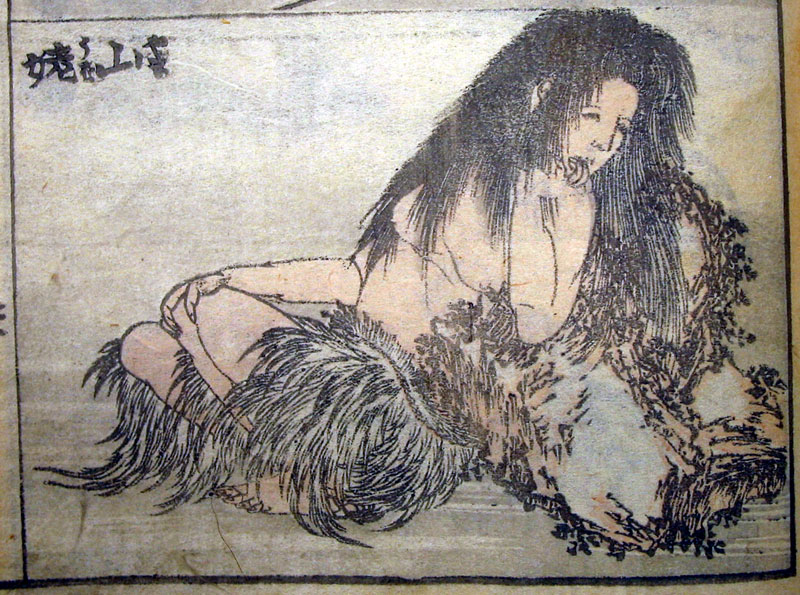 🇯🇵 JapanYama-uba山姥
A Japanese mountain spirit depicted as either a cannibalistic monster or a benevolent guardian.Being · Cursing and harm · Luck and prosperity Legendary
🇯🇵 JapanYama-uba山姥
A Japanese mountain spirit depicted as either a cannibalistic monster or a benevolent guardian.Being · Cursing and harm · Luck and prosperity Legendary
 🇨🇳 China and 1 moreLegend of the White Snake白蛇傳
A Chinese folktale about a snake spirit who becomes human to love a mortal manFigure · Love and attraction · Cursing and harm Historical
🇮🇱 IsraelMessiah ben Josephמָשִׁיחַ בֶּן־יוֹסֵף
A Jewish eschatological figure who wages war and dies before the final age of peaceFigure · Cursing and harm · Power and authority Historical
🇧🇷 BrazilBestial beastBesta-fera
A centaur-like creature in Brazilian folklore thought to be the Devil.Being · Cursing and harm Legendary
🇨🇳 China and 1 moreLegend of the White Snake白蛇傳
A Chinese folktale about a snake spirit who becomes human to love a mortal manFigure · Love and attraction · Cursing and harm Historical
🇮🇱 IsraelMessiah ben Josephמָשִׁיחַ בֶּן־יוֹסֵף
A Jewish eschatological figure who wages war and dies before the final age of peaceFigure · Cursing and harm · Power and authority Historical
🇧🇷 BrazilBestial beastBesta-fera
A centaur-like creature in Brazilian folklore thought to be the Devil.Being · Cursing and harm Legendary
 🇸🇾 SyriaEchidnaΈχιδνα
A half-woman, half-snake monster in Greek myth who mothered many famous beastsBeing · Cursing and harm Legendary
🇺🇸 United StatesChepi
A spirit of the dead in Narragansett belief, called upon for vengeance.Being · Cursing and harm · Speaking with spirits and the dead Historical
🇮🇶 Iraq and 1 moreAramaic Uruk incantation
A Seleucid-era magical tablet written in Aramaic using cuneiform signsText · Cursing and harm · Protection Historical
🇸🇾 SyriaEchidnaΈχιδνα
A half-woman, half-snake monster in Greek myth who mothered many famous beastsBeing · Cursing and harm Legendary
🇺🇸 United StatesChepi
A spirit of the dead in Narragansett belief, called upon for vengeance.Being · Cursing and harm · Speaking with spirits and the dead Historical
🇮🇶 Iraq and 1 moreAramaic Uruk incantation
A Seleucid-era magical tablet written in Aramaic using cuneiform signsText · Cursing and harm · Protection Historical
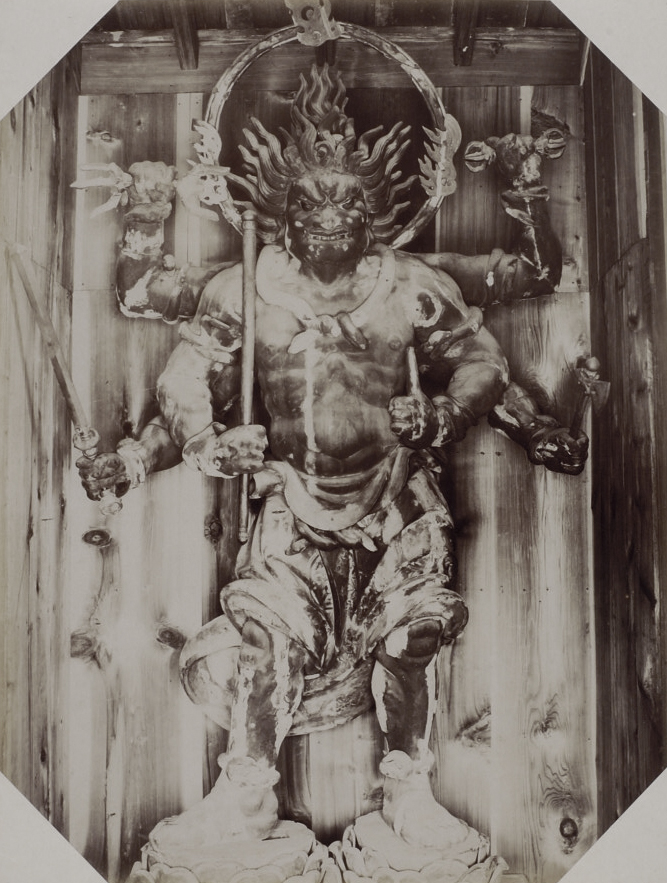 🇯🇵 JapanDaigensuihō大元帥法
An Esoteric Shingon Buddhist rite for military defense and cursing enemiesRite · Cursing and harm · Protection Historical
🇯🇵 JapanDaigensuihō大元帥法
An Esoteric Shingon Buddhist rite for military defense and cursing enemiesRite · Cursing and harm · Protection Historical
 🇺🇸 United StatesBelled buzzard
A folklore omen of disaster, depicted as a vulture wearing a bellBelief · Cursing and harm Historical
🇺🇸 United StatesBelled buzzard
A folklore omen of disaster, depicted as a vulture wearing a bellBelief · Cursing and harm Historical
 🇨🇱 Chile and 1 moreImbuncheifünche
A deformed child-monster of Chilote folklore that guards a warlock's cave and serves as an instrument of curse.Figure · Cursing and harm · Power and authority Legendary
🇨🇱 Chile and 1 moreImbuncheifünche
A deformed child-monster of Chilote folklore that guards a warlock's cave and serves as an instrument of curse.Figure · Cursing and harm · Power and authority Legendary
 🇬🇷 GreeceHarpyἅρπυια (hárpyia)
Half-human, half-bird creatures from Greek and Roman myth, often seen as storm winds or snatchers of food.Being · Cursing and harm · Wonder and entertainment Legendary
🇮🇳 IndiaBramrachokh
A demon in Kashmiri myth that mimics a light to lead travellers astrayBeing · Cursing and harm Legendary
🇮🇳 India and 5 moreWerecat
A feline shapeshifter found in global folklore and occult beliefBeing · Cursing and harm · Power and authority Legendary
🇬🇷 GreeceHarpyἅρπυια (hárpyia)
Half-human, half-bird creatures from Greek and Roman myth, often seen as storm winds or snatchers of food.Being · Cursing and harm · Wonder and entertainment Legendary
🇮🇳 IndiaBramrachokh
A demon in Kashmiri myth that mimics a light to lead travellers astrayBeing · Cursing and harm Legendary
🇮🇳 India and 5 moreWerecat
A feline shapeshifter found in global folklore and occult beliefBeing · Cursing and harm · Power and authority Legendary
 🇬🇧 United KingdomSpring-heeled Jack
A Victorian phantom known for leaping over walls and breathing fire.Figure · Cursing and harm Historical
🇬🇧 United KingdomSpring-heeled Jack
A Victorian phantom known for leaping over walls and breathing fire.Figure · Cursing and harm Historical
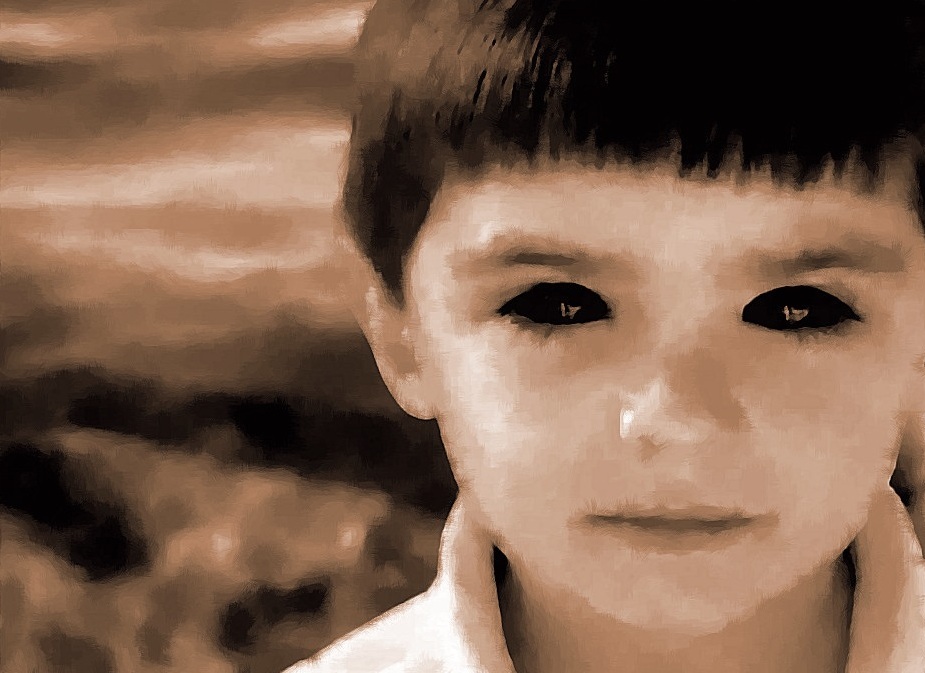 🇺🇸 United StatesBlack-eyed children
A modern American urban legend about pale children with dark eyes who seek entry into homes.Figure · Cursing and harm Legendary
🇨🇱 ChileWarlock of Chiloébrujo chilote
A legendary network of sorcerers from the Chilean archipelago and their mythical powers.Belief · Cursing and harm · Power and authority Legendary
🇺🇸 United StatesBlack-eyed children
A modern American urban legend about pale children with dark eyes who seek entry into homes.Figure · Cursing and harm Legendary
🇨🇱 ChileWarlock of Chiloébrujo chilote
A legendary network of sorcerers from the Chilean archipelago and their mythical powers.Belief · Cursing and harm · Power and authority Legendary
 🇩🇪 Germany and 3 moreDrude
A Germanic nightmare spirit and the pentagram charm used to keep it outBeing · Cursing and harm · Protection Historical
🇩🇪 Germany and 3 moreDrude
A Germanic nightmare spirit and the pentagram charm used to keep it outBeing · Cursing and harm · Protection Historical
 🇺🇸 United StatesMoll Dyer
A Maryland folktale about a woman accused of witchcraft and her cursed stoneFigure · Cursing and harm · Protection Legendary
🇺🇸 United StatesMoll Dyer
A Maryland folktale about a woman accused of witchcraft and her cursed stoneFigure · Cursing and harm · Protection Legendary
 🇮🇩 IndonesiaBabi ngepet
A Javanese myth about a person who turns into a boar to steal wealthBeing · Luck and prosperity · Cursing and harm Legendary
🇮🇩 IndonesiaBabi ngepet
A Javanese myth about a person who turns into a boar to steal wealthBeing · Luck and prosperity · Cursing and harm Legendary
 🇮🇸 Iceland and 3 moreDeal with the Devil
A cultural trope of trading one's soul for worldly favours in exchange for demonic aidBelief · Power and authority · Cursing and harm Historical
🇮🇸 Iceland and 3 moreDeal with the Devil
A cultural trope of trading one's soul for worldly favours in exchange for demonic aidBelief · Power and authority · Cursing and harm Historical
Photo credits on this page
The small pictures above come from Wikimedia Commons under free licences. Some are cropped to fit.
- Supernatural beings in Slavic religion: Bartolomeo Giuliano, CC BY-SA 3.0, source
- Changeling: Henry Fuseli, Public domain, source
- Devil Whale: Edmund Dulac, Public domain, source
- Ball-tailed cat: Fearsome Critters, Written by Henry H. Tryon • Illustrated by Margaret, CC0, source
- Lúin of Celtchar: Harold Robert Millar, Public domain, source
- Sakabashira: Unknown author, Public domain, source
- Sárkány: Albrecht Dürer, Public domain, source
- Spring-heeled Jack: Unknown author, Public domain, source
- Camahueto: Rjcastillo, CC BY 4.0, source
- Frankenstein town gravediggers scandal: Jacek Halicki, CC BY-SA 3.0 pl, source
- Yama-uba: Unknown author, Public domain, source
- Legend of the White Snake: Unknown author, CC BY-SA 3.0, source
- Echidna: Daderot, Public domain, source
- Daigensuihō: Kamakura-period artist; photo by Kudo Risaburo (工藤利三郎), Public domain, source
- Belled buzzard: Saturday Evening Post Irvin Cobb Douglas Durr, Public domain, source
- Imbunche: Lufke, CC BY-SA 3.0, source
- Harpy: Unknown, near the Tyrrhenian Group?, CC BY-SA 2.0, source
- Black-eyed children: Megamoto85, CC BY-SA 4.0, source
- Drude: Ramessos, Public domain, source
- Moll Dyer: Dougtone, CC BY-SA 2.0, source
- Babi ngepet: Tropenmuseum, CC BY-SA 3.0, source
- Deal with the Devil: Christoph, Public domain, source