Cursing and harm
Curses, hexes and sorcery as people describe and fear them, with the counter-magic against them.
Cursing and harm are the part of magic that societies fear most. This page describes curses and sorcery as beliefs, and the social role of fear and accusation, and does not give instructions. The evil eye, the curse tablets of the Greek and Roman world, Hebrew and Arabic writings on harmful magic, sorcery in Melanesia and Africa, and the European witch are all part of this subject. Most of the harm recorded is that done to people accused.
What is believed
Many cultures hold that envy, anger or hostile ritual can bring illness, loss or death to a victim. The beliefs differ: in the Mediterranean, the evil eye needs no intent. In Azande society, studied by Evans-Pritchard, witchcraft was an inherited substance that explained why misfortune struck one person and not another. Greek and Roman lead curse tablets, often addressed to gods of the underworld, show the belief was written down in antiquity.
Accusation as social force
Where harm is feared, accusation follows. Anthropologists have shown that charges of witchcraft often follow tension inside a family or village, such as inheritance, jealousy or a sudden death. Accusers are usually in conflict with the accused, who is more likely to be old, poor, widowed or marginal. The belief can enforce norms and also destroy people. People also fear being accused, since an accusation can arrive without warning and can follow a family for generations.
Persecution and its present
European and colonial American witch trials, from the fifteenth to the eighteenth century, put tens of thousands to death, including the Salem trials of 1692. The practice has not ended. Mobs and families still attack accused people in parts of Africa, India, Papua New Guinea and elsewhere, and Saudi Arabia has executed people for sorcery. Albino people have been killed for body parts in East Africa. Several states are drafting or enforcing laws against accusation itself.
Counter-magic and scholarship
Where harm is feared, so is protection: amulets, cleansing, and a specialist who can say who sent it. Scholars see curses as a language of grievance, and psychologists have documented the nocebo effect, in which belief in harm can bring on real distress. A person who is afraid should seek medical and social help, and talk to someone they trust. People who believe they have been cursed should be helped to find practical support, including from health services, and not left alone with fear.
Cursing and harm on EveryJaadu
The entries written up so far, best known first.
 🇺🇸 United States and 5 moreSatanism
A modern set of beliefs using the figure of Satan as a symbol or deity.Tradition · Power and authority · Cursing and harm Living
 🇲🇽 Mexico and 5 moreObsidian
Volcanic glass used for sharp tools and mirrors in ancient trade and ritualSubstance · Seeing and foretelling · Cursing and harm Historical
 🇺🇸 United States and 5 moreFriday the 13th
A Western superstition that a specific calendar combination brings misfortuneBelief · Cursing and harm Living
🇺🇸 United StatesPukwudgie
A short forest spirit from Algonquian lore, known for mischief and danger.Being · Cursing and harm · Luck and prosperity Legendary
 🇺🇸 United States and 5 moreSatanic panic
A moral panic of unsubstantiated claims about occult child abuse that spread globally in the late twentieth centuryBelief · Cursing and harm Historical
 🇺🇸 United States and 3 moreHoodoo
A spiritual tradition of the African diaspora in the American South using herbs and charms for protection and justice.Tradition · Protection · Healing Living
 🇨🇦 CanadaNanabozhoᓇᓇᐳᔓ
A shapeshifting spirit and trickster in Anishinaabe storytelling from North AmericaBeing · Cursing and harm · Power and authority Living
 🇭🇹 HaitiBaron Samedi
A Haitian Vodou spirit of the dead who also controls healing and resurrection.Being · Healing · Cursing and harm Living
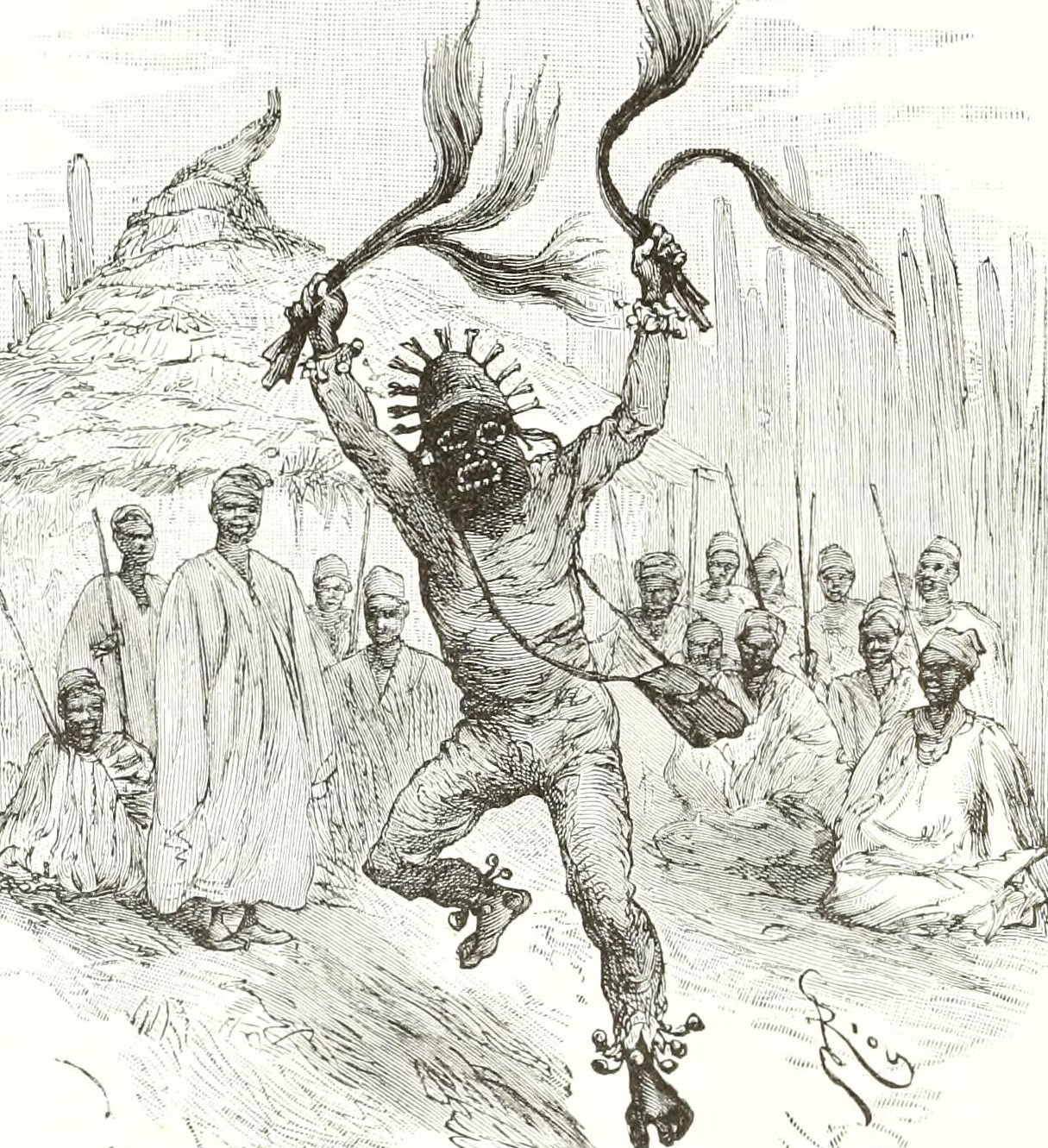 🇺🇸 United States and 2 moreLouisiana Voodoo
An African diasporic religion practiced in Louisiana from the 18th to early 20th centuriesTradition · Healing · Protection Historical
🇺🇸 United StatesDeliverance ministry
A Christian practice to remove evil spirits believed to cause personal afflictionRite · Cursing and harm · Cleansing and purification Living
 🇺🇸 United States and 5 moreNight hag
A supernatural being believed to sit on sleepers and cause paralysisBeing · Cursing and harm Legendary
🇺🇸 United StatesBloody Mary
A mirror ritual to summon a spirit that reveals the future or brings harmBelief · Seeing and foretelling · Cursing and harm Living
 🇺🇸 United StatesCurse of Tippecanoe
An urban legend linking US presidential deaths to election years ending in zero.Belief · Cursing and harm Fading
 🇺🇸 United StatesKennedy curse
A pattern of tragedies linked to the American Kennedy familyBelief · Cursing and harm Historical
 🇺🇸 United States and 2 moreRougarou
A lycanthrope legend from French-speaking communities in North AmericaBeing · Cursing and harm Legendary
🇺🇸 United States and 1 moreJinx
A curse or attribute believed to attract bad luckBelief · Cursing and harm Living
🇺🇸 United States and 5 moreFriday the 13th
A Western superstition marking a specific calendar date as unluckyBelief · Cursing and harm Living
🇨🇦 CanadaWechuge
A man-eating spirit from Athabaskan legend born of taboo and excessive powerBeing · Cursing and harm Legendary
🇺🇸 United States and 5 moreFriday the 13th
A Western superstition that a specific calendar alignment brings misfortuneBelief · Cursing and harm Living
🇫🇮 Finland and 1 moreHiisi
A Finnic spirit of sacred places that evolved into a demonic giant in folkloreBeing · Cursing and harm · Power and authority Historical
 🇺🇸 United StatesGoatman
A goat-human hybrid blamed for dog deaths in Maryland woodsBeing · Cursing and harm Legendary
 🇺🇸 United States and 1 moreSpider GrandmotherKokyangwuti
An ancestral spirit and creator who guides mortals, protects homes, and teaches weavingFigure · Protection · Healing Legendary
🇺🇸 United StatesGreenbrier Ghost
A West Virginia murder case where a mother claimed her daughter's spirit revealed the truth.Belief · Cursing and harm Historical
 🇺🇸 United StatesSnallygaster
A bird-reptile chimera from Maryland folklore, once used to frighten children and later the subject of newspaper hoaxes.Being · Cursing and harm Legendary
🇺🇸 United StatesKushtakaKóoshdaa káa
A shape-shifting creature from Tlingit mythology that can appear as an otter or human.Being · Cursing and harm · Luck and prosperity Legendary
🇲🇽 MexicoTlahuelpuchi
A shape-shifting vampire witch from Tlaxcalan Nahua folklore that drains infants.Being · Cursing and harm Legendary
🇨🇦 CanadaQallupilluitᖃᓪᓗᐱᓪᓗᐃᑦ (Qalupalik)
An Inuit water spirit said to snatch children near Arctic iceBeing · Cursing and harm Legendary
 🇺🇸 United StatesBall-tailed cat
A North American fearsome critter with a heavy ball on its tail for striking preyBeing · Cursing and harm Legendary
 🇺🇸 United StatesAgropelter
An ape-faced beast of lumber tales that pelts passers-by with branches from hollow treesBeing · Cursing and harm Legendary
🇺🇸 United StatesChepi
A spirit of the dead in Narragansett belief, called upon for vengeance.Being · Cursing and harm · Speaking with spirits and the dead Historical
🇺🇸 United StatesSpearfingerU'tlun'ta'
A Cherokee stone witch who eats livers and hides her weak spot.Being · Cursing and harm Legendary
 🇺🇸 United States and 2 moreFlying Africans
A legend of enslaved people returning to Africa by magic flightFigure · Cursing and harm · Speaking with spirits and the dead Legendary
🇺🇸 United States2019 Louisiana black church fires
A series of arson attacks on three historic African-American churches in St. Landry Parish.Belief · Cursing and harm Historical
 🇺🇸 United StatesEtsy witches
Online practitioners selling spells and charms through digital marketplacesTradition · Luck and prosperity · Love and attraction Living
 🇺🇸 United StatesBell Witch
A Tennessee legend of a shapeshifting spirit that tormented the Bell family in the early nineteenth century.Being · Cursing and harm Legendary
 🇺🇸 United States and 2 moreHoop snake
A legendary rolling serpent found in North American and Australian folkloreBeing · Cursing and harm Legendary
🇺🇸 United StatesCurse of the Boulder Valley
A legend attributed to Chief Niwot about the valley's beauty and its futureBelief · Cursing and harm Historical
🇨🇦 CanadaPinga
An Inuit goddess of the hunt and medicine who oversees caribou herds and souls.Being · Healing · Cursing and harm Historical
🇺🇸 United StatesRaven MockerᎪᎳᏅ ᎠᏰᎵᏍᎩ
Cherokee witches or spirits said to take a dying person's heart and yearsBeing · Cursing and harm Legendary
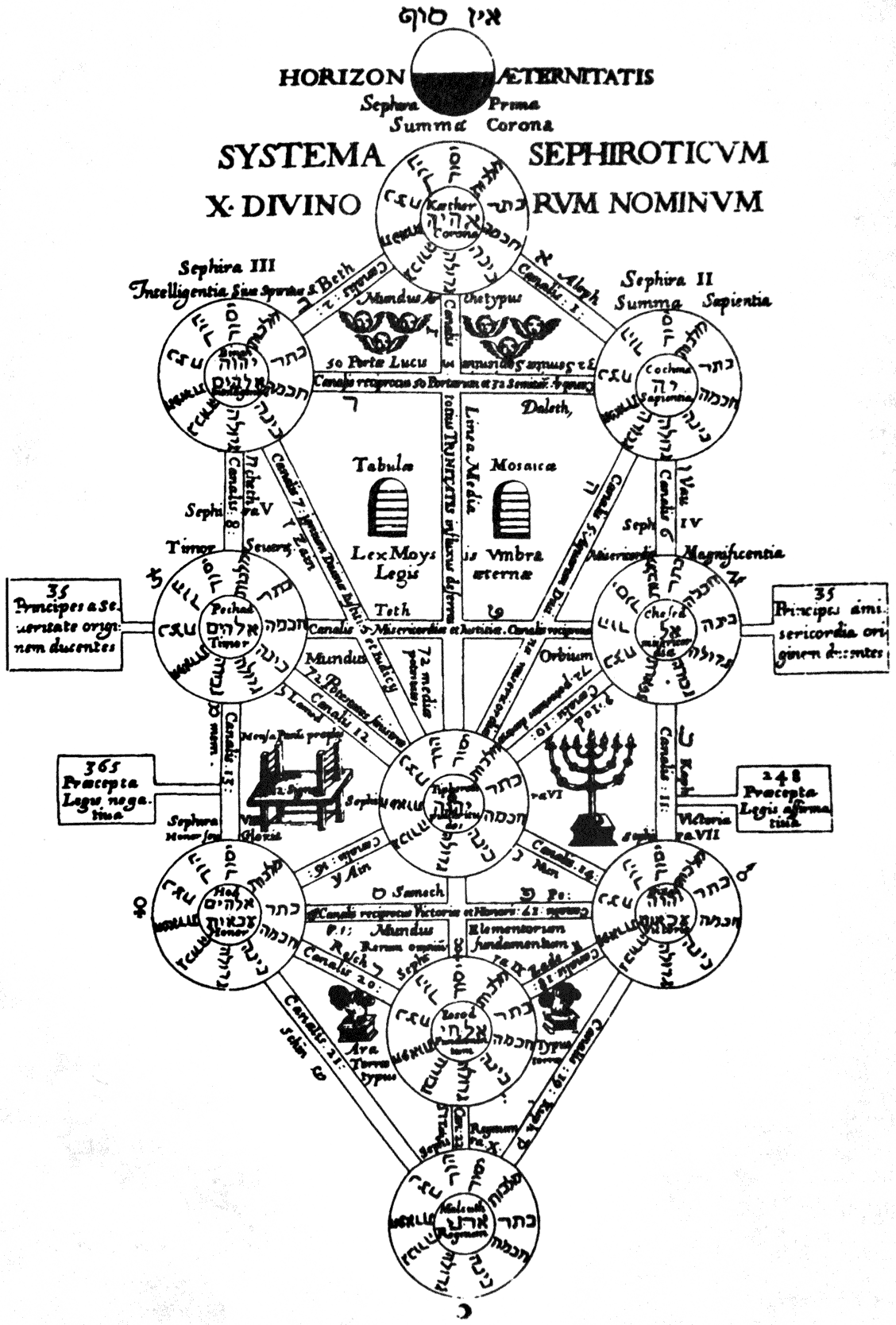 🇺🇸 United StatesChristian views on magic
A spectrum of Christian beliefs about magical practices, ranging from strict condemnation to esoteric integration.Belief · Cursing and harm · Protection Living
 🇺🇸 United StatesBelled buzzard
A folklore omen of disaster, depicted as a vulture wearing a bellBelief · Cursing and harm Historical
🇺🇸 United StatesPlastic shaman
A label for imposters who sell fake Indigenous spiritual practices for profitBelief · Cursing and harm Living
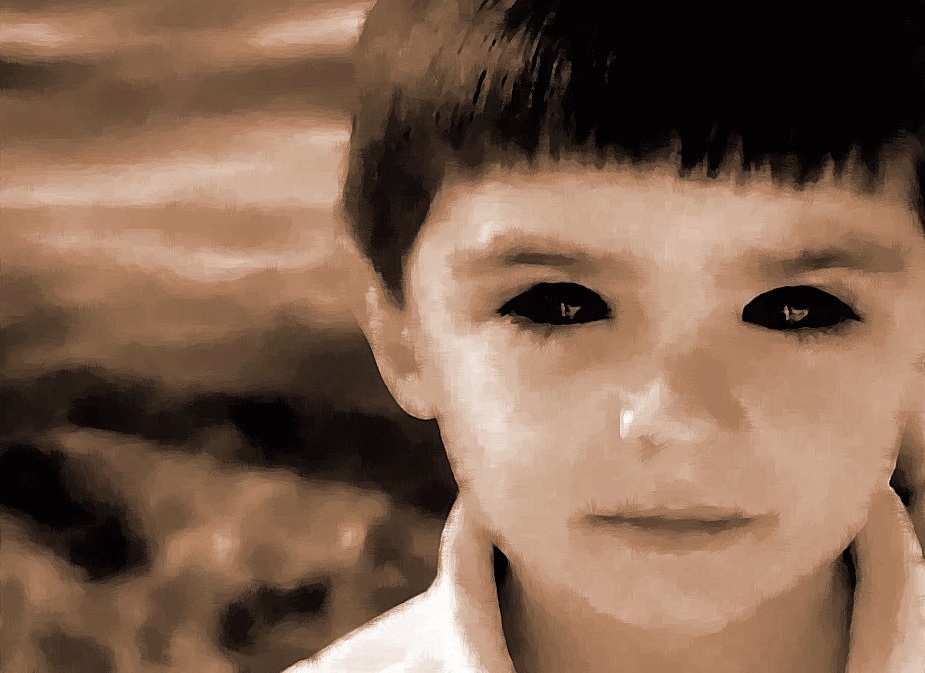 🇺🇸 United StatesBlack-eyed children
A modern American urban legend about pale children with dark eyes who seek entry into homes.Figure · Cursing and harm Legendary
🇺🇸 United States and 1 moreMammon in popular culture
The personification of wealth and greed across stories, games, and media.Figure · Power and authority · Cursing and harm Living
🇺🇸 United StatesTsul 'KaluᏧᏓᎦᎳ
A Cherokee hunting deity and legendary giant of the Appalachian mountainsFigure · Cursing and harm · Protection Legendary
🇺🇸 United StatesWoman in Black
A spectral figure from Appalachian folklore said to punish men for moral failingsBeing · Cursing and harm · Protection Legendary
🇺🇸 United States and 1 moreBaskerville effect
A theory that superstition about unlucky numbers causes heart attacks through stressBelief · Cursing and harm Historical
 🇯🇵 Japan and 1 moreChain letterFukou no Tegami
A message that demands copying and forwarding to avoid bad luck or gain fortuneBelief · Luck and prosperity · Cursing and harm Historical
Photo credits on this page
The small pictures above come from Wikimedia Commons under free licences. Some are cropped to fit.
- Baron Samedi: markbenecke, CC BY-SA 4.0, source
- Theistic Satanism: Alexandre Cabanel, Public domain, source
- Nanabozho: D. Gordon E. Robertson, CC BY-SA 3.0, source
- Flying Africans: Matthew T Rader, CC BY-SA 4.0, source
- West African Vodún: I cropped, original authors are Ridpath, John Clark, CC BY-SA 4.0, source
- Etsy witches: Таролог Альбина, CC BY-SA 4.0, source
- Obsidian: Krassotkin, CC0, source
- Friday the 13th: Leonardo da Vinci, Public domain, source
- Satanic panic: Hartmann Schedel (1440-1514), Public domain, source
- Ball-tailed cat: Fearsome Critters, Written by Henry H. Tryon • Illustrated by Margaret, CC0, source
- Curse of Tippecanoe: Albert Gallatin Hoit, Public domain, source
- Bell Witch: Unknown author, Public domain, source
- Hoop snake: Fearsome Critters, Written by Henry H. Tryon • Illustrated by Margaret, CC0, source
- Night hag: Henry Fuseli, Public domain, source
- Kennedy curse: Walt Cisco, Dallas Morning News, Public domain, source
- Christian views on magic: Athanasius Kircher, Public domain, source
- Belled buzzard: Saturday Evening Post Irvin Cobb Douglas Durr, Public domain, source
- Black-eyed children: Megamoto85, CC BY-SA 4.0, source
- Spider Grandmother: Navajo artist, Public domain, source
- Goatman: Jack Boucher, Public domain, source
- Rougarou: XxxJohnDoExxxx, CC BY-SA 4.0, source
- Chain letter: Alpha, CC BY-SA 2.0, source
- Snallygaster: Tripodero, CC BY-SA 3.0, source
- Hoodoo: Hoodoowoman, CC BY-SA 4.0, source
- Agropelter: Fearsome Critters, Written by Henry H. Tryon • Illustrated by Margaret, CC0, source