Hortdan
from the Turkic verb hortlamak, meaning to get out or emerge from the grave
A restless spirit of the dead in Turkic folklore, often linked to vampire myths.
The Hortdan is a troubled soul rising from the grave in Turkic mythology. It is known for draining vitality through blood loss and transforming into animals. The concept varies across Tatar, Turkish, Azerbaijani, and Tuva traditions.
- Hortdan means one who emerges from the grave.
- It can transform into animals or become invisible.
- Turkish version is called Hortlak.
- Azerbaijani version is called Xortdan.
- Tuva version is called Hortan or Aza-Hortan.
What it is
The Hortdan represents a disturbed spirit that leaves its burial site. This entity appears in various forms across different cultures. Some versions describe it as an immortal vampire that drains life force through blood. Others portray it as a shape-shifter capable of becoming an animal or vanishing completely. In some narratives, living individuals with specific magical traits are also called by this name. Modern fiction often depicts these creatures as mindless zombies driven by hunger for flesh.
Where it comes from
These stories originate from Tatar folk mythology. They serve as representations of evil spirits or deceased souls. Because the tales were passed down orally, details have shifted over time. The original ghost was said to appear where murder victims departed or blood was spilled. People would see it wandering mournfully near graves without causing harm. Later interpretations transformed the figure into a more aggressive, bloodthirsty monster found in horror stories.
Hortdan, drawn and placed
- Living
- Revived
- Fading
- Historical
- Legendary
- Performed
- Lineage
- Turkic mythology
Peoples and places
Different groups hold distinct views on this spirit. In Turkish culture, the Hortlak is viewed as a zombie-like entity. The Azerbaijani term Xortdan refers specifically to a vampire. The Tuva tradition calls it Hortan or Aza-Hortan, describing it as a poltergeist or evil spirit. These variations show how the same core idea adapts to local beliefs about death and the supernatural.
At a glance: who, where and when
What people believe
The belief centers on the unrest of the dead. The spirit is thought to be trapped or angry, unable to rest peacefully. Its connection to blood and vitality suggests a fear of violent death. The ability to change form implies a lack of fixed identity after death. These traits reflect anxieties about mortality and the unknown state of the soul.
Compare and confuse
The Hortdan shares features with vampires and zombies. It is similar to other undead figures in global folklore. However, its specific link to emerging from graves sets it apart. The term is sometimes confused with general ghost lore, but it has unique cultural roots in Turkic traditions.
Today
Today, the Hortdan appears mainly in fantasy and horror media. It is depicted as a fictional monster rather than a living belief. Scholars study these stories to understand historical attitudes toward death. The figure remains a popular element in modern storytelling about the undead.
Questions people ask about Hortdan
What is a Hortdan?
A Hortdan is a restless spirit from Turkic mythology that rises from the grave. It is often described as an immortal vampire that drains vitality through blood loss or as a shape-shifting entity.
Where does the word come from?
The name comes from the Turkic verb hortlamak. This means to get out or emerge, specifically referring to coming out of a grave.
Is it the same as a vampire?
It shares traits with vampires, such as draining blood. However, it also includes elements of ghosts and zombies. Different cultures like Turks, Azerbaijanis, and Tuva people have their own specific versions.
Good reading and sources
The facts on this page come from the Wikipedia article "Hortdan", written by its contributors and used under the CC BY-SA 4.0 licence, and from its Wikidata record (CC0). EveryJaadu rewrote the text in its own words, with AI assistance, and compares every page with the article to make sure no passage is copied. It may be reused under the same CC BY-SA 4.0 licence with a link back.
It may contain mistakes. Names and customs differ from one community to the next, and some knowledge is closed to outsiders and left out here. This page describes belief and practice. It does not say that any of it works, it is not a how-to, and it is not medical advice. If something is wrong, tell us. Last refreshed 2026-10-06.
More from Turkey
All the entries from Turkey 🇮🇷 Iran and 5 moreParīپری
A winged being of Persian origin, linked to beauty and the spirit world across AsiaBeing · Love and attraction · Cursing and harm Legendary
🇮🇷 Iran and 5 moreParīپری
A winged being of Persian origin, linked to beauty and the spirit world across AsiaBeing · Love and attraction · Cursing and harm Legendary
 🇮🇷 Iran and 1 moreJinnجِنّ
Supernatural beings in Islamic and pre-Islamic Arabian belief, created from smokeless fire.Being · Protection · Cursing and harm Living
🇮🇷 Iran and 1 moreJinnجِنّ
Supernatural beings in Islamic and pre-Islamic Arabian belief, created from smokeless fire.Being · Protection · Cursing and harm Living
 🇺🇸 United States and 5 moreNight hag
A supernatural being believed to sit on sleepers and cause paralysisBeing · Cursing and harm Legendary
🇹🇷 Turkey and 4 moreAl BastyAlbastı
A female spirit of guilt and childbirth found in Turkic and Caucasian folkloreBeing · Cursing and harm Historical
🇺🇸 United States and 5 moreNight hag
A supernatural being believed to sit on sleepers and cause paralysisBeing · Cursing and harm Legendary
🇹🇷 Turkey and 4 moreAl BastyAlbastı
A female spirit of guilt and childbirth found in Turkic and Caucasian folkloreBeing · Cursing and harm Historical
Related elsewhere
All being 🇷🇸 Serbia and 5 moreVampire
An undead creature from folklore that feeds on the blood or life force of the livingBeing · Cursing and harm · Luck and prosperity Legendary
🇷🇸 Serbia and 5 moreVampire
An undead creature from folklore that feeds on the blood or life force of the livingBeing · Cursing and harm · Luck and prosperity Legendary
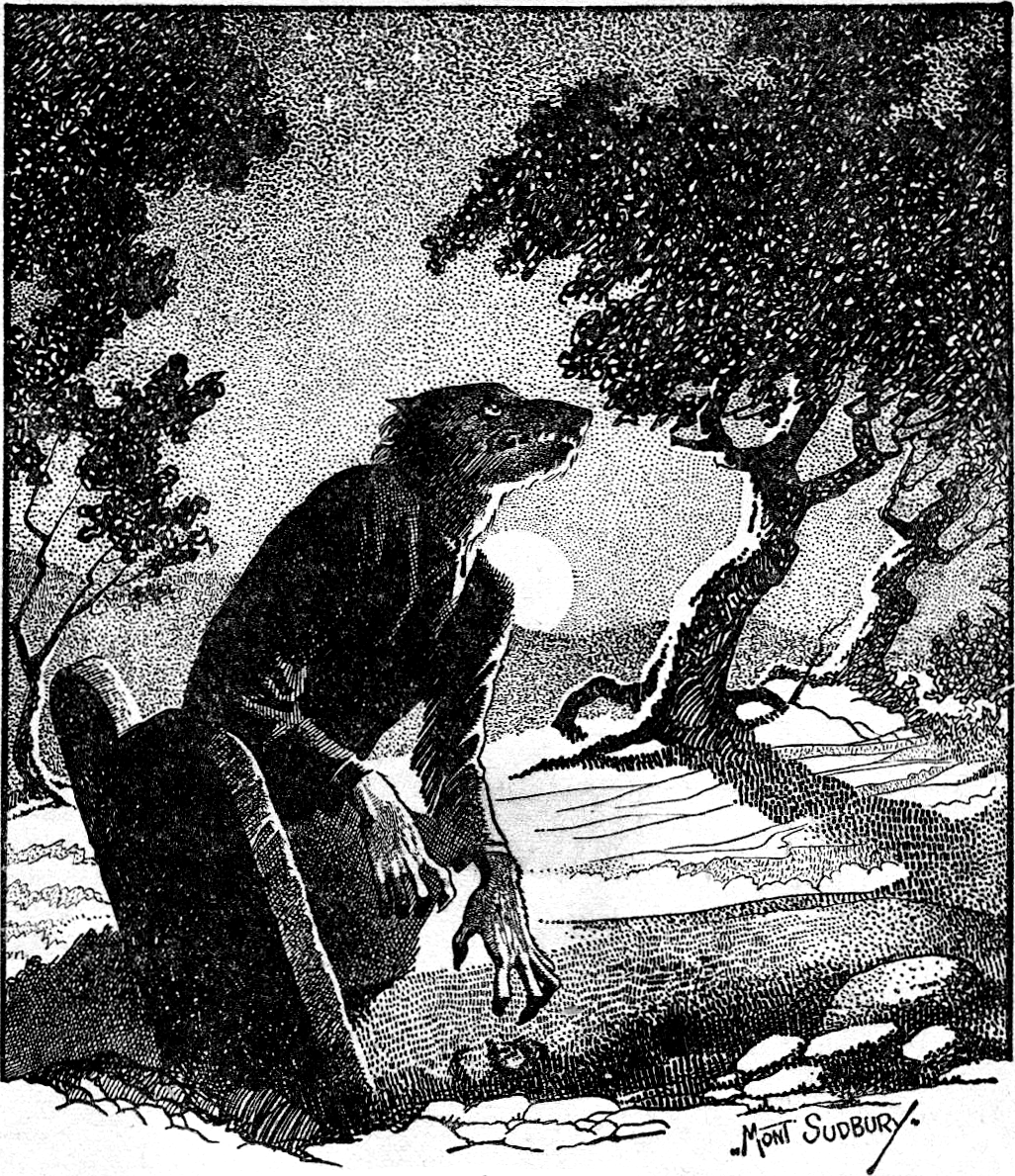 🇫🇷 France and 5 moreWerewolf
A mythical shapeshifter that turns into a wolf, central to European witch-hunts and Gothic horror.Being · Cursing and harm · Wonder and entertainment Legendary
🇫🇷 France and 5 moreWerewolf
A mythical shapeshifter that turns into a wolf, central to European witch-hunts and Gothic horror.Being · Cursing and harm · Wonder and entertainment Legendary
 🇪🇬 Egypt and 1 moreLilithלִילִית
A feminine figure from Mesopotamian and Jewish mythology, often depicted as a night demon or spirit.Being · Cursing and harm Legendary
🇪🇬 Egypt and 1 moreLilithלִילִית
A feminine figure from Mesopotamian and Jewish mythology, often depicted as a night demon or spirit.Being · Cursing and harm Legendary
 🇪🇬 EgyptCurse
A spoken wish for misfortune to befall a person or placeBelief · Cursing and harm · Luck and prosperity Historical
🇪🇬 EgyptCurse
A spoken wish for misfortune to befall a person or placeBelief · Cursing and harm · Luck and prosperity Historical