Qallupilluit
In its own language: ᖃᓪᓗᐱᓪᓗᐃᑦ (Qalupalik)
An Inuit water spirit said to snatch children near Arctic ice
The Qallupilluit are figures from Inuit mythology that dwell along coastlines and sea ice. They are believed to lure or take children who approach the water too closely.
- Lurks near Arctic ice floes and coastlines
- Said to steal children who wander close to water
- Often depicted wearing a woman's amautik parka
- Can emit sounds to paralyze or lure victims
- Stories serve as warnings about dangerous sea ice
What it is
The Qallupilluit, also known as Qalupalik, are mythical beings in Inuit tradition. These creatures inhabit the edges of the Arctic ocean, hiding among ice floes and coastal waters. Stories describe them as dangerous entities that target young people. They are often depicted with features suited for an aquatic life, such as webbed hands and scales. Some accounts mention a feminine appearance, while others vary. The core function of these tales is to warn children away from the perilous shoreline.
Where it comes from
These stories originate within Inuit culture across regions like Nunavut and Alaska. The myths serve a practical role in community safety. By personifying the dangers of the sea and unstable ice, the legends encourage children to stay on solid ground. The creatures are part of a broader folklore tradition that includes similar bogeyman figures found in other cultures. The specific details of their origin are not recorded, but they remain a staple of oral storytelling.
How it is done
The Qallupilluit are said to use various methods to capture their victims. One common tactic involves emitting a strange sound or hum to draw children closer to the water's edge. Once a child is near, the creature may grab them. Some tales suggest they can change their shape, a skill called pilutitaminik, to confuse or trap targets. In rare instances, hunters have reportedly outsmarted them by demanding they transform into animals like seals, making them vulnerable.
Tools and materials
Visual descriptions often include long hair and green skin. They are frequently shown wearing an amautik, a traditional Inuit parka typically worn by women. This garment is sometimes described as being made from eider duck feathers. The parka serves a grim purpose in some stories, acting as a bag to carry away kidnapped children. Other physical traits mentioned include long fingernails and flippers capable of producing paralyzing sounds.
Qallupilluit, drawn and placed
- Living
- Revived
- Fading
- Historical
- Legendary
- Performed
- Lineage
- Inuit mythology
What it is for
The primary purpose of the Qallupilluit myth is protection. It acts as a deterrent to keep children safe from drowning or falling through thin ice. The fear of the creature ensures that young people respect the boundaries of the dangerous environment. In some narratives, the creature uses abducted children to maintain its youth or beauty, adding a layer of horror to the warning. The stories reinforce the need for vigilance near the water.
Who does it
These beings are not worshipped by living practitioners today. They exist primarily as subjects of study for scholars and anthropologists interested in Inuit culture. Oral historians and elders pass down these stories as part of cultural heritage. The figures are understood as legendary entities rather than active spiritual agents in modern practice. Researchers analyze them to understand historical social controls and environmental awareness.
Peoples and places
The Qallupilluit are central to Inuit mythology in Canada and Alaska. Different communities may have slight variations in how they describe the creature. Some versions emphasize the creature's role as a punisher for misbehavior, while others focus solely on the danger of the sea. The stories reflect the harsh realities of life in the Arctic, where the ocean is both a resource and a threat. The cultural significance lies in the transmission of safety knowledge through narrative.
At a glance: who, where and when
Peoples
What people believe
Inuit belief systems view the natural world as filled with spirits and powerful entities. The Qallupilluit represents the unpredictable nature of the sea. They are seen as invulnerable in their natural form, requiring cleverness to defeat. Some tales suggest they hold children in a state of suspended animation. The belief in these creatures reinforces the idea that the environment has agency and demands respect from humans.
When it is done
There are no specific festivals or calendar days associated with the Qallupilluit. The stories are told at any time, often when parents want to ensure children do not wander near the water. The timing of the tales is usually tied to daily life and survival needs rather than seasonal rituals. The presence of the creature is a constant potential threat during times when people are near the shore.
How scholars and sceptics see it
Anthropologists and folklorists study the Qallupilluit to understand Inuit social structures. Scholars note that the myth functions as a tool for child safety in a hazardous environment. Comparisons are often drawn to other global bogeymen figures that serve similar protective roles. Researchers examine how these stories adapt over time and how they are represented in modern media, including books and games.
Cautions and what is closed
The stories themselves do not pose physical risks, but they highlight the real dangers of the Arctic environment. Sea ice can be unstable, and the ocean is cold and unforgiving. The myths underscore the importance of adult supervision near water. There are no reports of harm caused by the belief itself, only the natural hazards of the region that the stories aim to mitigate.
Compare and confuse
The Qallupilluit is similar to other water spirits that kidnap children, such as Jenny Greenteeth in British folklore. Like many bogeymen, it serves to enforce behavioral norms in children. The creature shares traits with sirens or harpies due to its use of sound and allure. However, its specific connection to sea ice and the Arctic setting distinguishes it from other global counterparts.
Law and persecution
There are no specific laws regarding the Qallupilluit. The stories are protected as part of Indigenous cultural heritage. Modern representations in media must navigate issues of cultural appropriation and respect for Inuit traditions. Legal frameworks generally support the rights of Indigenous peoples to maintain and share their own stories.
Today
The Qallupilluit appears in contemporary Inuit literature and art. Authors like Robert Munsch and Roselynn Akulukjuk have featured the creature in children's books. Video games and graphic novels also reference the myth, introducing it to wider audiences. These modern adaptations help preserve the story while allowing new generations to engage with Inuit mythology.
Questions people ask about Qallupilluit
What is a Qallupilluit?
A Qallupilluit is a mythical creature from Inuit folklore that lives near the ocean and sea ice. It is believed to lure or take children who get too close to the water's edge.
Where does this myth come from?
The myth originates in Inuit culture in Canada and Alaska. It is part of the traditional oral history used to teach children about the dangers of the Arctic environment.
What does the Qallupilluit look like?
Descriptions vary, but it is often said to have green skin, long hair, and webbed hands. It is frequently depicted wearing an amautik, a traditional Inuit parka made of eider duck feathers.
Why do these stories exist?
The stories are believed to protect children by keeping them away from hazardous sea ice and deep water. The fear of the creature ensures children stay on solid ground.
Good reading and sources
The facts on this page come from the Wikipedia article "Qallupilluit", written by its contributors and used under the CC BY-SA 4.0 licence, and from its Wikidata record (CC0). EveryJaadu rewrote the text in its own words, with AI assistance, and compares every page with the article to make sure no passage is copied. It may be reused under the same CC BY-SA 4.0 licence with a link back.
It may contain mistakes. Names and customs differ from one community to the next, and some knowledge is closed to outsiders and left out here. This page describes belief and practice. It does not say that any of it works, it is not a how-to, and it is not medical advice. If something is wrong, tell us. Last refreshed 2026-10-06.
More from Canada
All the entries from Canada 🇺🇸 United States and 5 moreNight hag
A supernatural being believed to sit on sleepers and cause paralysisBeing · Cursing and harm Legendary
🇺🇸 United States and 5 moreNight hag
A supernatural being believed to sit on sleepers and cause paralysisBeing · Cursing and harm Legendary
 🇨🇦 CanadaNanabozhoᓇᓇᐳᔓ
A shapeshifting spirit and trickster in Anishinaabe storytelling from North AmericaBeing · Cursing and harm · Power and authority Living
🇨🇦 CanadaNanabozhoᓇᓇᐳᔓ
A shapeshifting spirit and trickster in Anishinaabe storytelling from North AmericaBeing · Cursing and harm · Power and authority Living
 🇺🇸 United States and 2 moreRougarou
A lycanthrope legend from French-speaking communities in North AmericaBeing · Cursing and harm Legendary
🇨🇦 CanadaWechuge
A man-eating spirit from Athabaskan legend born of taboo and excessive powerBeing · Cursing and harm Legendary
🇺🇸 United States and 2 moreRougarou
A lycanthrope legend from French-speaking communities in North AmericaBeing · Cursing and harm Legendary
🇨🇦 CanadaWechuge
A man-eating spirit from Athabaskan legend born of taboo and excessive powerBeing · Cursing and harm Legendary
Related elsewhere
All being 🇷🇸 Serbia and 5 moreVampire
An undead creature from folklore that feeds on the blood or life force of the livingBeing · Cursing and harm · Luck and prosperity Legendary
🇷🇸 Serbia and 5 moreVampire
An undead creature from folklore that feeds on the blood or life force of the livingBeing · Cursing and harm · Luck and prosperity Legendary
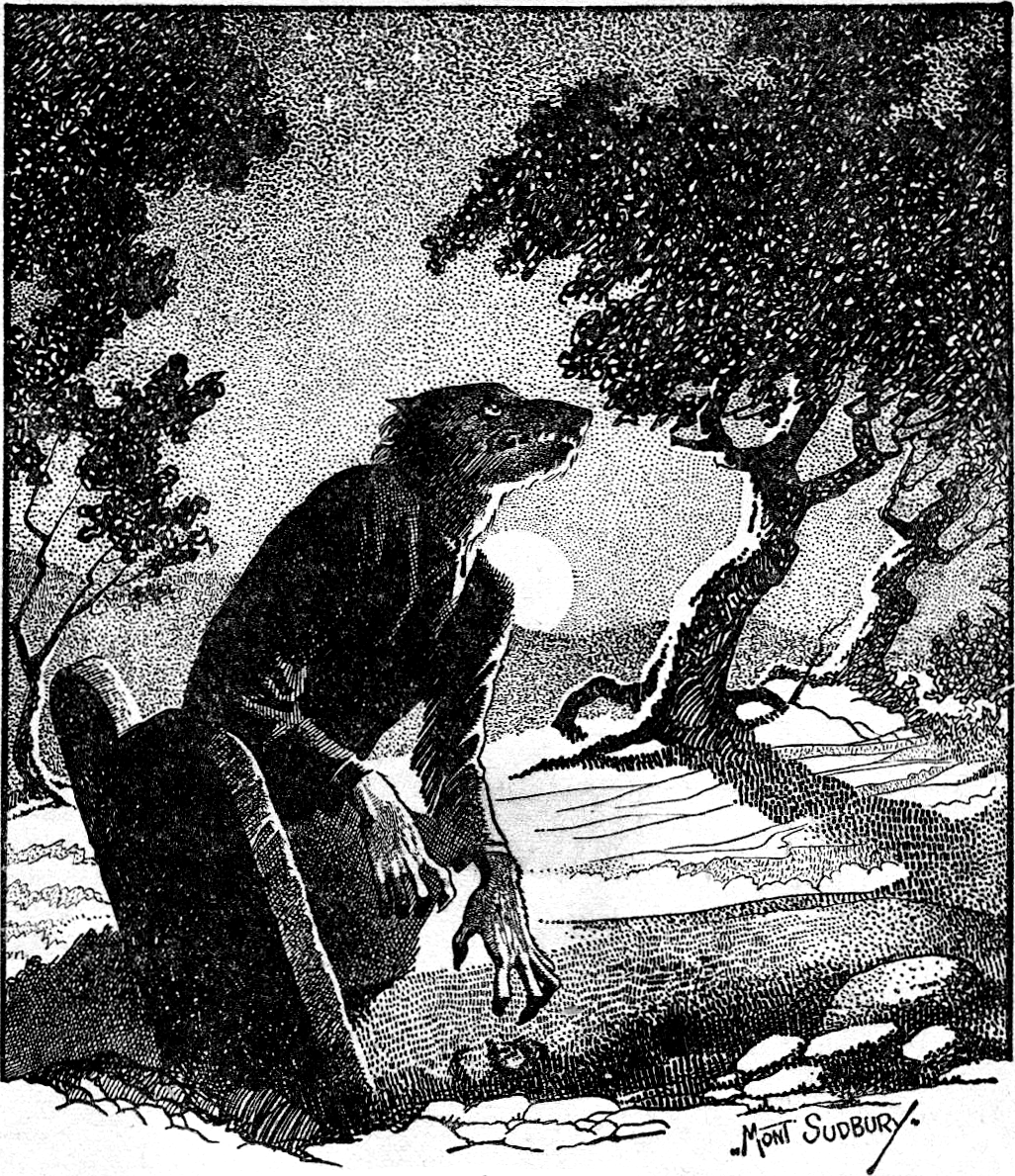 🇫🇷 France and 5 moreWerewolf
A mythical shapeshifter that turns into a wolf, central to European witch-hunts and Gothic horror.Being · Cursing and harm · Wonder and entertainment Legendary
🇫🇷 France and 5 moreWerewolf
A mythical shapeshifter that turns into a wolf, central to European witch-hunts and Gothic horror.Being · Cursing and harm · Wonder and entertainment Legendary
 🇪🇬 Egypt and 1 moreLilithלִילִית
A feminine figure from Mesopotamian and Jewish mythology, often depicted as a night demon or spirit.Being · Cursing and harm Legendary
🇪🇬 Egypt and 1 moreLilithלִילִית
A feminine figure from Mesopotamian and Jewish mythology, often depicted as a night demon or spirit.Being · Cursing and harm Legendary
 🇪🇬 EgyptCurse
A spoken wish for misfortune to befall a person or placeBelief · Cursing and harm · Luck and prosperity Historical
🇪🇬 EgyptCurse
A spoken wish for misfortune to befall a person or placeBelief · Cursing and harm · Luck and prosperity Historical