Ilomba is a sea snake in Lozi tradition in Zambia, said to be made by a witch doctor and sent to kill. It passes for an ordinary snake to onlookers, takes the soul of the person it bites, and is held to share its fate with the owner who commands it.
- A sea snake said to be made by a witch doctor and kept as a weapon
- Fed eggs and porridge while young, before its fangs have grown
- Its bite is held to take the victim's soul, not only the life
- Owner and creature share one fate: each is said to die with the other
- An unfed ilomba is said to turn on the person who made it
What it is
Ilomba is a sea snake in Lozi tradition, a being said to carry out killings for the person who made it. It sits with harmful sorcery rather than with ordinary animals. Onlookers are said to see a plain snake, while the person it attacks sees the face of the witch doctor who owns it. Lozi tradition places its making in that witch doctor's hands, and the creature is raised and given orders by the same person. Its bite is held to take not only life but also the soul of the victim.
How it is done
A witch doctor is said to make an ilomba and then keep it. While it is small the creature is given eggs and porridge, because its fangs have not yet grown. Later the owner sends it after a chosen person. In the account, other people see nothing but a snake, while the target sees the maker's face in place of the snake's own. The snake strikes and is then said to swallow the soul of the dead person. Food is the tie between the two: it has to keep being supplied.
Tools and materials
The ilomba is described as something put together by hand. A witch doctor's fingernails go into a pan, along with blood drawn from the forehead, the back and the chest, and herbs that were held to carry magical force. Once made, it is fed on eggs and porridge during its early stage, before its fangs develop. The pan and the herbs belong to the making, the food to the keeping. Nothing further is named as part of it.
Ilomba, drawn and placed
- Living
- Revived
- Fading
- Historical
- Legendary
- Performed
- Lineage
- Lozi tradition
What it is for
The ilomba is kept for harm. Its owner points it at a person, and the snake is said to kill that person and take the soul. The gain belongs to the owner, and so does the risk, since the creature's fortunes are tied to the maker's and an attack on it is felt by the maker. People who fear such a creature fear it as a weapon in someone else's hands.
Who does it
Only a witch doctor is said to make an ilomba, feed it and, if it comes to that, destroy it. No other figure in the account can end the creature. Here the witch doctor is a worker of harmful magic rather than a community healer. Destroying the snake is not a clean escape: the maker is said to be troubled from then on by the souls the creature had taken.
Peoples and places
The ilomba belongs to Lozi tradition in Zambia, and Lozi people are named as the community that tells of it. The account keeps to a small stage: neighbours see an ordinary snake, the intended victim sees a person's face, and the owner keeps the creature fed.
At a glance: who, where and when
Peoples
What people believe
Behind the tale is a view of harm as a transaction. A person's identity can pass into a made creature, and a death is not only a body stopping but a soul taken and kept. Maker and creature share one fate: harm to either reaches the other, and the end of one ends the other. Feeding matters as much as ordering, since an unfed ilomba is said to turn on the person who made it. Souls taken are not gone; they are held to return as a burden.
Cautions and what is closed
The story concerns killing. It describes an attack that leaves a person dead and the soul taken, and it makes the maker's life depend on the creature, so that the end of one is said to bring the end of the other. It also describes control failing: food withheld, and the snake consuming the person it was made for. A maker who destroys it is said to be troubled afterwards by the souls it had swallowed. These are told as belief, not as observed events.
Compare and confuse
The ilomba is called a sea snake, yet in the account it passes for an ordinary snake among other people, and only the target sees it differently. That gap between what one person sees and what everyone else sees is the whole of its disguise.
Questions people ask about Ilomba
What is an ilomba?
It is a sea snake in Lozi tradition, said to be made by a witch doctor and kept to attack people on the owner's command. Onlookers are said to see an ordinary snake, while the person it targets sees the maker's face.
Where does the ilomba come from?
It comes from the tradition of the Lozi people in Zambia. The account describes it as a creature of harmful magic, made and controlled by a witch doctor rather than born like an animal.
How is an ilomba said to be made?
Accounts describe a witch doctor putting fingernails and blood from the forehead, back and chest into a pan with herbs held to have magical force. The creature is then fed eggs and porridge while young, before its fangs develop.
What is said to happen if the snake is destroyed?
The owner is said to feel the pain of the killing and then to die. Only the witch doctor who made it can destroy it, and that person is then held to be troubled by the souls the creature had consumed.
What if the owner stops feeding it?
It is said to turn against its own master and consume the person who made it. Food is presented as the tie that keeps the creature under control in the story.
Good reading and sources
The facts on this page come from the Wikipedia article "Ilomba", written by its contributors and used under the CC BY-SA 4.0 licence, and from its Wikidata record (CC0). EveryJaadu rewrote the text in its own words, with AI assistance, and compares every page with the article to make sure no passage is copied. It may be reused under the same CC BY-SA 4.0 licence with a link back.
It may contain mistakes. Names and customs differ from one community to the next, and some knowledge is closed to outsiders and left out here. This page describes belief and practice. It does not say that any of it works, it is not a how-to, and it is not medical advice. If something is wrong, tell us. Last refreshed 2026-10-20.
More from Zambia
All the entries from Zambia 🇧🇷 Brazil and 5 moreAmethyst
A violet quartz variety used in jewelry and historically believed to ward off intoxicationSubstance · Protection · Luck and prosperity Living
 🇺🇸 United States and 5 moreRainmaking rites
Ceremonies performed to call rain through prayer, dance, or symbolic actsRite · Protection · Luck and prosperity Living
Related elsewhere
All being 🇷🇸 Serbia and 5 moreVampire
An undead being from European folklore that feeds on the life force of the living.Being · Cursing and harm Legendary
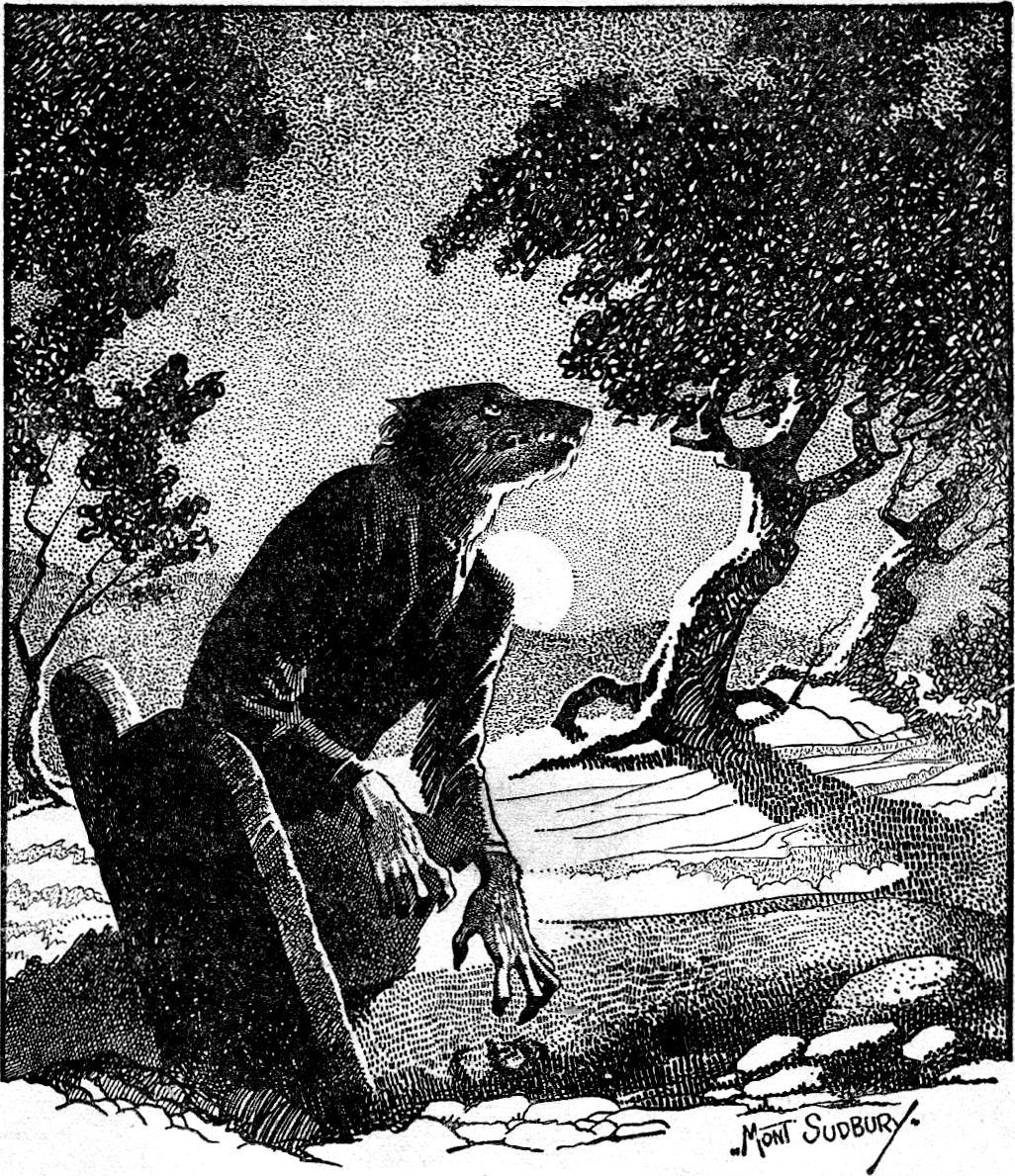 🇨🇭 Switzerland and 5 moreWerewolf
A figure in folklore who transforms into a wolf or hybrid beastFigure · Cursing and harm Legendary
 🇺🇸 United States and 5 moreSatanism
A modern set of beliefs using the figure of Satan as a symbol or deity.Tradition · Power and authority · Cursing and harm Living
 🇪🇬 Egypt and 1 moreLilithלִילִית
A feminine figure from Mesopotamian and Jewish mythology, often depicted as a night demon or spirit.Being · Cursing and harm Legendary