Cuero
In its own language: trülke wekufü
from Mapudungun trülke wekufü meaning devilish pelt or evil spirit hide
An aquatic creature from Mapuche and Chilote myth that drags victims into the depths.
The cuero is a legendary being from Mapuche mythology found in central and southern Chile. It appears as a living hide or large cephalopod that ambushes people near water to drag them underwater.
- Named after Mapudungun words for devilish pelt
- Described as a living cowhide or giant octopus
- Found in Chilean and Argentine lake legends
- Defeated by thorny cactus lures prepared by healers
- Sometimes confused with the nguruvilo fox serpent
What it is
The cuero is a mythical aquatic creature rooted in Mapuche tradition. It is described as a living piece of animal skin, often compared to cowhide or calf leather, that moves on its own. Some accounts identify it as a giant octopus or cuttlefish with many eyes or claws along its edges. The creature dwells in the deep parts of rivers and lakes. It waits for humans or animals to enter the water and then wraps around them to pull them down to the bottom. In some regions it is called La Manta because its body spreads out like a blanket when it attacks.
Where it comes from
The name comes from Mapudungun words for pelt and evil spirit. The legend spread through central Chile and the Chiloé Islands. Early writers recorded different versions of the beast. Some described it as an octopus with nails on its arms. Others drew it as a flat hide surrounded by sharp claws. The story also appears in local tales about lakes in Neuquén province where the Mapuche perform rituals. Writers in the nineteenth century noted the creature in reports about lagoons and reservoirs across the country.
How it is done
The cuero hides at the bottom of water bodies or camouflages itself under sand. When a person steps near or into the water the creature unfurls its body. It wraps tightly around the victim and drags them underwater. Some stories say it creates whirlpools to pull people in. To fight it, a machi healer uses thorny plants like the quisco cactus or calafate bush. These are shaped to look like prey. The creature attacks the thorns and wounds itself while squeezing.
Tools and materials
Healers use spiny vegetation to trap the monster. The quisco cactus and calafate shrub provide sharp thorns that injure the hide when it tries to crush them. Incantations in Mapudungun are spoken during the ritual. Heroes in folk tales tie bunches of these thorny branches to their limbs to protect themselves from the creature's grip.
Cuero, drawn and placed
- Living
- Revived
- Fading
- Historical
- Legendary
- Performed
- Lineage
- Mapuche mythology
- Timing
- near rivers, lagoons and lakes
What it is for
People fear the cuero because it takes lives. It is blamed for disappearances in lakes and rivers. Parents warn children not to bathe in certain waters. The creature represents a danger in natural spaces where swimming is risky. Communities tell stories to explain accidents or drownings that happen in remote areas.
Who does it
A machi is a wise woman who serves as a spiritual healer in Mapuche culture. She knows how to prepare protective charms and counter spells against dangerous spirits. Local heroes in legends also fight the beast using physical tools made from plants. Scholars and early collectors recorded these encounters as part of regional folklore studies.
Peoples and places
The legend belongs primarily to the Mapuche people of Chile and Argentina. It is especially strong in the Chiloé Archipelago where the name La Manta is common. Stories appear in the Lácar region of Neuquén and near Santiago in tales about the Pudahuel lagoon. The creature is distinct from the nguruvilo fox serpent though some old texts confuse the two names.
At a glance: who, where and when
What people believe
The cuero is linked to the wekufe concept of evil spirits in Mapuche belief. It acts as a predator that harms humans without mercy. Some researchers suggest the myth started from observations of whirlpools called remolino. Others think it may be based on large marine rays or octopuses. The creature embodies the unknown dangers of freshwater environments.
When it is done
No specific festival days are tied to the cuero. Encounters happen whenever people approach dangerous waters. Legends mention incidents occurring during daily life or travel. One tale places an attack on Good Friday when a worker crossed a river despite warnings.
How scholars and sceptics see it
Historians and lexicographers have studied the cuero since the nineteenth century. They note variations in description between northern and southern pronunciations. Some scholars link the myth to real animals like manta rays or giant squid. Others see it as a cultural explanation for drowning accidents. The creature appears in encyclopedias of South American mythology alongside other lake monsters.
Cautions and what is closed
The cuero is a fictional entity from folklore. No real animal matches its full description. Stories serve as warnings about unsafe swimming conditions. There is no risk from the creature itself as it does not exist. Modern readers treat these tales as cultural heritage rather than literal threats.
Compare and confuse
The cuero is similar to the nguruvilo but focuses on water rather than land. It shares traits with the Monster of Lake Tota in Colombia and Nahuelito in Argentina. All are lake monsters that drag victims underwater. The name manta connects it visually to ray species though the myth describes a soft hide rather than a fish.
Law and persecution
No laws regulate the cuero as it is a mythological figure. Indigenous communities preserve these stories as part of their intangible cultural heritage. There are no legal restrictions on telling these tales. The creatures are protected as part of the broader Mapuche worldview and oral tradition.
Questions people ask about Cuero
What is the cuero?
It is a legendary aquatic creature from Mapuche and Chilote mythology. It appears as a living animal hide or large octopus that drags people underwater.
Where does the cuero live?
It dwells in the deep parts of rivers, lagoons and lakes in central and southern Chile and parts of Argentina.
How do you defeat it?
Healers use thorny plants like quisco cactus or calafate bushes as lures. The creature attacks the thorns and wounds itself while trying to squeeze its victim.
Is it related to other monsters?
It is sometimes confused with the nguruvilo fox serpent. It shares features with other South American lake monsters like the Monster of Lake Tota.
Good reading and sources
The facts on this page come from the Wikipedia article "Cuero (legendary creature)", written by its contributors and used under the CC BY-SA 4.0 licence, and from its Wikidata record (CC0). EveryJaadu rewrote the text in its own words, with AI assistance, and compares every page with the article to make sure no passage is copied. It may be reused under the same CC BY-SA 4.0 licence with a link back.
It may contain mistakes. Names and customs differ from one community to the next, and some knowledge is closed to outsiders and left out here. This page describes belief and practice. It does not say that any of it works, it is not a how-to, and it is not medical advice. If something is wrong, tell us. Last refreshed 2026-10-06.
More from Chile
All the entries from Chile 🇨🇱 ChileTrauco
A small forest spirit from Chiloé mythology known for seducing women and causing pregnancyBeing · Love and attraction · Cursing and harm Legendary
🇨🇱 ChileTrauco
A small forest spirit from Chiloé mythology known for seducing women and causing pregnancyBeing · Love and attraction · Cursing and harm Legendary
 🇵🇪 Peru and 5 morePachamama
The Andean mother goddess of space-time and the earthBeing · Protection · Healing Living
🇵🇪 Peru and 5 morePachamama
The Andean mother goddess of space-time and the earthBeing · Protection · Healing Living
 🇵🇷 Puerto Rico and 5 moreChupacabrachupacabras
A legendary creature said to drain livestock of blood, emerging from Puerto Rico in the mid-1990sBeing · Cursing and harm Legendary
🇵🇷 Puerto Rico and 5 moreChupacabrachupacabras
A legendary creature said to drain livestock of blood, emerging from Puerto Rico in the mid-1990sBeing · Cursing and harm Legendary
 🇦🇷 Argentina and 5 moreGauchito Gil
A folk saint from Argentina who protects the poor and outcastsBeing · Protection · Healing Living
🇦🇷 Argentina and 5 moreGauchito Gil
A folk saint from Argentina who protects the poor and outcastsBeing · Protection · Healing Living
Related elsewhere
All being 🇷🇸 Serbia and 5 moreVampire
An undead creature from folklore that feeds on the blood or life force of the livingBeing · Cursing and harm · Luck and prosperity Legendary
🇷🇸 Serbia and 5 moreVampire
An undead creature from folklore that feeds on the blood or life force of the livingBeing · Cursing and harm · Luck and prosperity Legendary
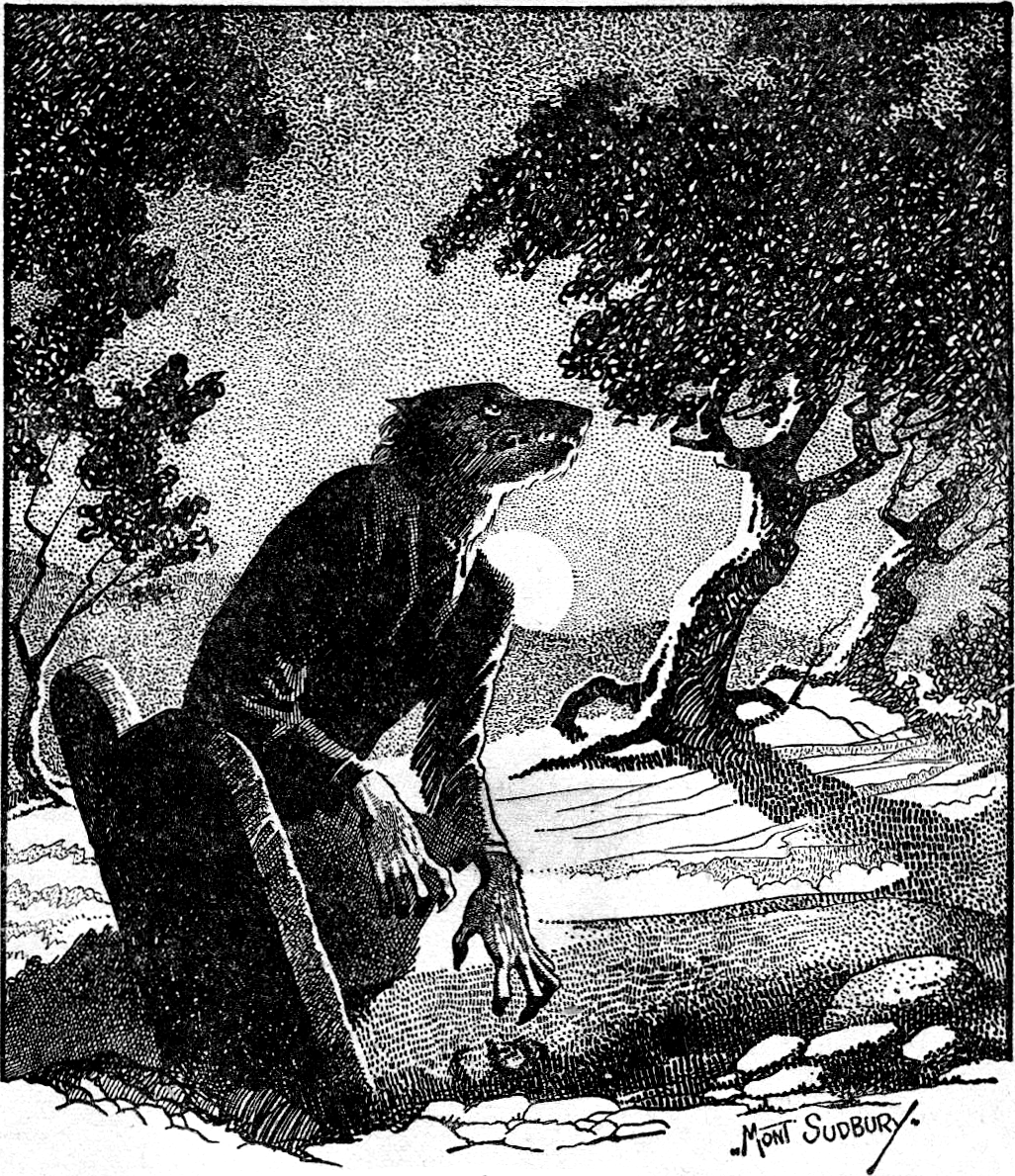 🇫🇷 France and 5 moreWerewolf
A mythical shapeshifter that turns into a wolf, central to European witch-hunts and Gothic horror.Being · Cursing and harm · Wonder and entertainment Legendary
🇫🇷 France and 5 moreWerewolf
A mythical shapeshifter that turns into a wolf, central to European witch-hunts and Gothic horror.Being · Cursing and harm · Wonder and entertainment Legendary
 🇪🇬 Egypt and 1 moreLilithלִילִית
A feminine figure from Mesopotamian and Jewish mythology, often depicted as a night demon or spirit.Being · Cursing and harm Legendary
🇪🇬 Egypt and 1 moreLilithלִילִית
A feminine figure from Mesopotamian and Jewish mythology, often depicted as a night demon or spirit.Being · Cursing and harm Legendary
 🇪🇬 EgyptCurse
A spoken wish for misfortune to befall a person or placeBelief · Cursing and harm · Luck and prosperity Historical
🇪🇬 EgyptCurse
A spoken wish for misfortune to befall a person or placeBelief · Cursing and harm · Luck and prosperity Historical