
Ball-tailed cat
A North American fearsome critter with a heavy ball on its tail for striking prey
The ball-tailed cat is a legendary creature from North American folklore. It is described as a large feline with a long tail ending in a solid bulb used to strike opponents.
- North American fearsome critter resembling a mountain lion
- Features a long tail with a solid bulbous mass
- Used to strike prey or knock victims unconscious
- Earliest written record in Henry Tyron's 1939 book
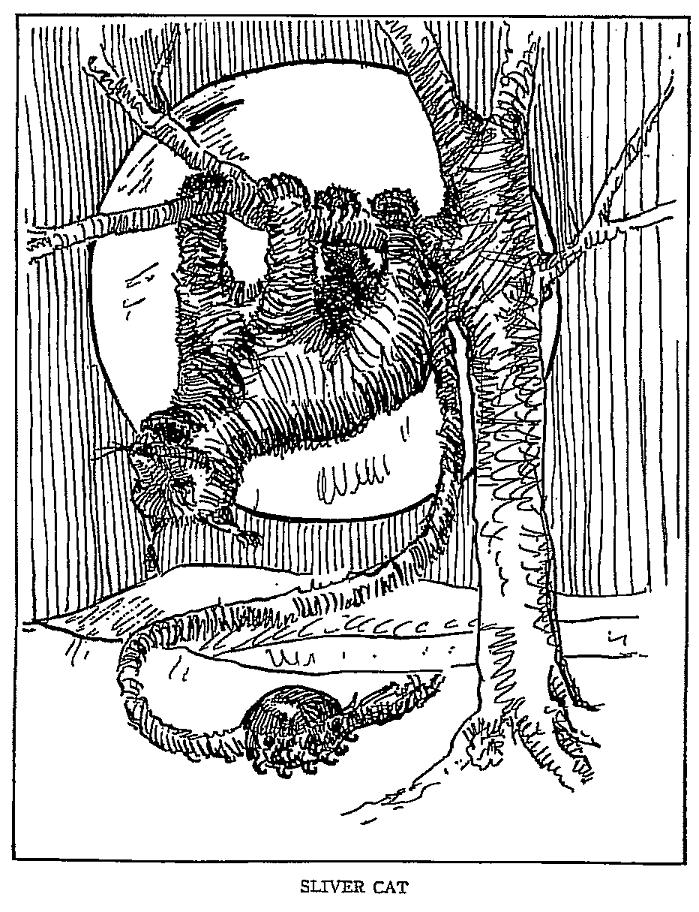
- Variants include the Dingmaul and the Sliver Cat
What it is
The ball-tailed cat is a fearsome critter found in North American folklore. It resembles a mountain lion but possesses an exceedingly long tail. The tail ends in a solid, bulbous mass. This weight is used to strike prey or opponents. The creature is classified as a legendary being within American myth traditions.
Where it comes from
Tales of the ball-tailed cat were common among woodsmen around the turn of the twentieth century. Many variations of the story existed during this period. The earliest written mention appears in Henry Tyron's book Fearsome Critters, published in 1939. The creature belongs to the broader category of fearsome critters in regional lore.
Tools and materials
The defining feature of the creature is a solid bulbous mass attached to its tail. The Sliver Cat variant has a smooth side to knock victims unconscious. It also has a spiked side to pierce and grapple victims. The Dingmaul is another prominent variant mentioned in tales.
Ball-tailed cat, drawn and placed
- Living
- Revived
- Fading
- Historical
- Legendary
- Performed
- Lineage
- American folklore
What it is for
The creature is described as using its tail mass to strike prey. It is also said to attack wayfarers. The smooth ball knocks people out. The spikes pierce and hold victims. These actions serve to harm or capture targets in the stories.
Peoples and places
The legends are rooted in North American folklore. They were particularly popular among woodsmen in the United States. The stories circulated widely enough to create distinct variants like the Dingmaul and the Sliver Cat. These variations show how the tale evolved in oral tradition.

Compare and confuse
The ball-tailed cat shares traits with other fearsome critters. It is similar to the Ankylosaurus, which also used a club on its tail. However, the Ankylosaurus used it for defense. The ball-tailed cat uses its tail for offense. Both rely on a weighted appendage for combat.
Questions people ask about Ball-tailed cat
What is a ball-tailed cat?
It is a legendary fearsome critter from North American folklore. It looks like a mountain lion but has a long tail ending in a heavy ball.
Where do these tales come from?
The stories were common among woodsmen in the United States around the turn of the twentieth century. They are part of American folklore.
What does the ball on the tail do?
The solid bulbous mass is used to strike prey. In some versions, it knocks wayfarers unconscious or helps grapple victims.
Good reading and sources
The facts on this page come from the Wikipedia article "Ball-tailed cat", written by its contributors and used under the CC BY-SA 4.0 licence, and from its Wikidata record (CC0). EveryJaadu rewrote the text in its own words, with AI assistance, and compares every page with the article to make sure no passage is copied. It may be reused under the same CC BY-SA 4.0 licence with a link back.
It may contain mistakes. Names and customs differ from one community to the next, and some knowledge is closed to outsiders and left out here. This page describes belief and practice. It does not say that any of it works, it is not a how-to, and it is not medical advice. If something is wrong, tell us. Last refreshed 2026-10-06.
More from the United States
All the entries from the United States 🇺🇸 United States and 5 moreNight hag
A supernatural being believed to sit on sleepers and cause paralysisBeing · Cursing and harm Legendary
🇺🇸 United States and 5 moreNight hag
A supernatural being believed to sit on sleepers and cause paralysisBeing · Cursing and harm Legendary
 🇺🇸 United StatesJersey Devil
A legendary creature from South Jersey folklore said to inhabit the Pine Barrens.Being · Wonder and entertainment Legendary
🇺🇸 United StatesJersey Devil
A legendary creature from South Jersey folklore said to inhabit the Pine Barrens.Being · Wonder and entertainment Legendary
 🇺🇸 United States and 2 moreRougarou
A lycanthrope legend from French-speaking communities in North AmericaBeing · Cursing and harm Legendary
🇺🇸 United States and 2 moreRougarou
A lycanthrope legend from French-speaking communities in North AmericaBeing · Cursing and harm Legendary
Related elsewhere
All being 🇷🇸 Serbia and 5 moreVampire
An undead creature from folklore that feeds on the blood or life force of the livingBeing · Cursing and harm · Luck and prosperity Legendary
🇷🇸 Serbia and 5 moreVampire
An undead creature from folklore that feeds on the blood or life force of the livingBeing · Cursing and harm · Luck and prosperity Legendary
 🇫🇷 France and 5 moreWerewolf
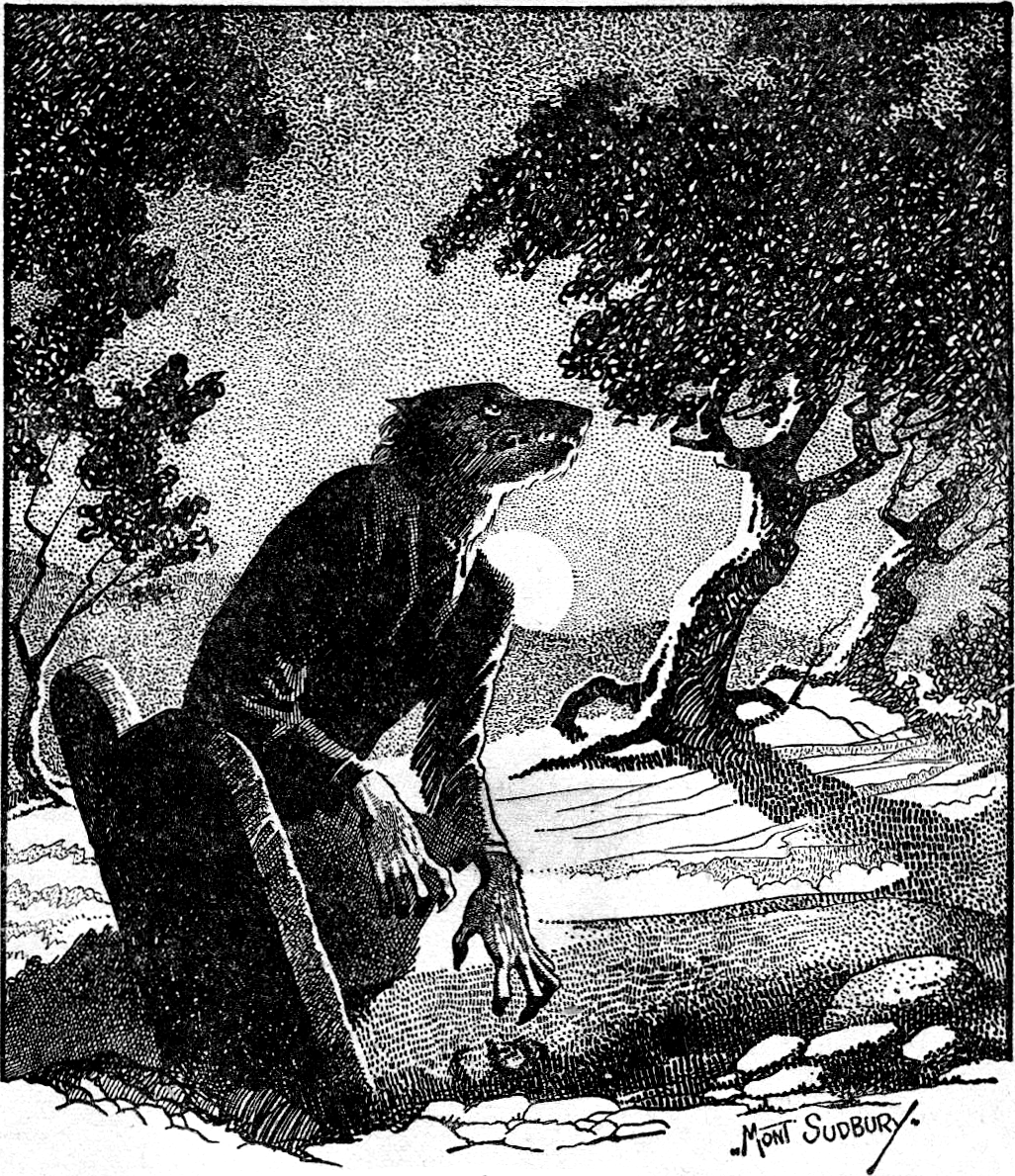
A mythical shapeshifter that turns into a wolf, central to European witch-hunts and Gothic horror.Being · Cursing and harm · Wonder and entertainment Legendary
🇫🇷 France and 5 moreWerewolf
A mythical shapeshifter that turns into a wolf, central to European witch-hunts and Gothic horror.Being · Cursing and harm · Wonder and entertainment Legendary
 🇪🇬 Egypt and 1 moreLilithלִילִית
A feminine figure from Mesopotamian and Jewish mythology, often depicted as a night demon or spirit.Being · Cursing and harm Legendary
🇪🇬 Egypt and 1 moreLilithלִילִית
A feminine figure from Mesopotamian and Jewish mythology, often depicted as a night demon or spirit.Being · Cursing and harm Legendary
 🇪🇬 EgyptCurse
A spoken wish for misfortune to befall a person or placeBelief · Cursing and harm · Luck and prosperity Historical
🇪🇬 EgyptCurse
A spoken wish for misfortune to befall a person or placeBelief · Cursing and harm · Luck and prosperity Historical