
The Camahueto is a legendary bull from the Chilote mythology of the Chiloé Archipelago in Chile. It bears a single horn like a unicorn and is said to grow in rivers before moving to the ocean, where it controls weather and harms those who cross its path.
- Camahueto is a one-horned bull from Chilote mythology in Chile.
- The creature grows in rivers before moving to the ocean.
- A machi uses a kelp lasso to lead the bull back to sea.
- Legends say the Camahueto destroys crops and drags humans into the sea.
- Some stories claim the bull can control rain, thunder, and time.
What it is
The Camahueto appears in the Chilote mythology of the Chiloé Archipelago in Chile as a powerful bull with a single horn on its forehead, much like a unicorn. This creature is said to begin its life growing inside rivers, remaining there until it reaches full size, after which it travels to the ocean. People describe the Camahueto as a destructive force that ruins crops and captures animals while moving across land. Legends warn that anyone who crosses its path or nears its resting place risks being pulled into the deep waters of the sea by the beast.
Where it comes from
Stories about the Camahueto come from the Chiloé Archipelago, where details shift depending on the teller. Some accounts focus on its physical danger, noting that the bull may devour humans and seize any creature it encounters during its journeys. Other versions grant the animal greater magical influence, claiming it can command the weather by summoning rain or thunder at will. These variations show how the legend adapts to different fears and interests within the local folklore.
How it is done
To remove a Camahueto from a location, locals seek help from a machi, a traditional healer or witch. The machi approaches the creature and uses a lasso crafted from kelp to guide the bull back toward the sea. This ritual act returns the dangerous animal to its proper domain, ending the threat it poses to the land and its inhabitants.
Tools and materials
The Camahueto is associated with fresh water and marine environments, as it grows in rivers before migrating to the ocean. Its most distinctive feature is the single horn on its brow, which marks it as a unique beast among bulls. When called upon to deal with the creature, the machi relies on a tool made of kelp, a type of seaweed gathered from the coast, to bind and lead the bull away.
Camahueto, drawn and placed
- Living
- Revived
- Fading
- Historical
- Legendary
- Performed
- Lineage
- Chilote mythology
- Timing
- when fully grown, at resting places
What it is for
Communities view the Camahueto as a hazard that threatens agriculture and human safety. The bull is blamed for destroying crops and capturing wildlife as it moves over land. Its presence endangers people who venture too close to rivers or known resting spots, as the creature is said to drag victims down into the sea. The legend serves to explain natural dangers and reinforces respect for the waterways where the beast is believed to dwell.
Who does it
The machi plays a central role in managing encounters with the Camahueto. Recognized as a witch or spiritual specialist within Chilote culture, the machi possesses the knowledge to handle such mythical threats. Rather than fighting the bull directly, the machi employs a kelp lasso to coax the animal back to the ocean. This practice highlights the machi's status as a mediator between the community and the supernatural forces inhabiting the region's waters.
Peoples and places
The Camahueto belongs to the Chilote people, who inhabit the Chiloé Archipelago off the coast of Chile. Within this group, the bull features prominently in their mythology, reflecting a worldview shaped by the islands' rivers and seas. While the core image of a one-horned river bull remains consistent, individual stories may emphasize different aspects of the creature's behavior, showing how the legend evolves through oral tradition among the Chilote community.
At a glance: who, where and when
Peoples
Belief worlds
What people believe
Chilote mythology treats the Camahueto as a being with authority over natural elements. Beyond its physical form, the creature is credited with powers that affect the environment, such as generating storms or influencing the flow of time. This perspective places the bull within a framework where animals can hold immense magical weight, capable of altering weather patterns and posing serious risks to those who disturb their territory.
When it is done
The life cycle of the Camahueto ties it to the movement of water. The creature is said to mature within rivers, staying hidden until it is fully grown. Once developed, it leaves the freshwater streams and heads for the ocean. This transition marks a shift in the beast's presence, moving it from inland waters to the sea, where it continues to exert its influence over the coastal regions.
Compare and confuse
The Camahueto shares a key trait with the unicorn, as both are depicted as bulls bearing a single horn on their foreheads. Despite this visual similarity, the two figures differ in origin and reputation. While the unicorn often appears in European tales as a noble symbol, the Camahueto emerges from Chilote folklore as a wild and destructive entity linked to the specific rivers and coasts of the Chiloé Archipelago.
Questions people ask about Camahueto
What is the Camahueto?
The Camahueto is a legendary bull from Chilote mythology in Chile. It has a single horn like a unicorn and is said to grow in rivers before moving to the ocean.
Where does it live?
The Camahueto originates in the Chiloé Archipelago of Chile. It is said to grow inside rivers and later travel to the ocean, where it is believed to dwell and control the weather.
How do you stop it?
To remove the Camahueto, you must call a machi, a traditional witch or healer. The machi uses a lasso made of kelp to guide the bull back to the sea, ending its threat to the land.
Is it like a unicorn?
The Camahueto resembles a unicorn because both are bulls with a single horn on their forehead. However, the Camahueto is a destructive creature from Chilote folklore, while the unicorn appears in European traditions.
Good reading and sources
The facts on this page come from the Wikipedia article "Camahueto", written by its contributors and used under the CC BY-SA 4.0 licence, and from its Wikidata record (CC0). EveryJaadu rewrote the text in its own words, with AI assistance, and compares every page with the article to make sure no passage is copied. It may be reused under the same CC BY-SA 4.0 licence with a link back.
It may contain mistakes. Names and customs differ from one community to the next, and some knowledge is closed to outsiders and left out here. This page describes belief and practice. It does not say that any of it works, it is not a how-to, and it is not medical advice. If something is wrong, tell us. Last refreshed 2026-10-06.
More from Chile
All the entries from Chile 🇨🇱 ChileTrauco
A small forest spirit from Chiloé mythology known for seducing women and causing pregnancyBeing · Love and attraction · Cursing and harm Legendary
🇨🇱 ChileTrauco
A small forest spirit from Chiloé mythology known for seducing women and causing pregnancyBeing · Love and attraction · Cursing and harm Legendary
 🇵🇪 Peru and 5 morePachamama
The Andean mother goddess of space-time and the earthBeing · Protection · Healing Living
🇵🇪 Peru and 5 morePachamama
The Andean mother goddess of space-time and the earthBeing · Protection · Healing Living
 🇵🇷 Puerto Rico and 5 moreChupacabrachupacabras
A legendary creature said to drain livestock of blood, emerging from Puerto Rico in the mid-1990sBeing · Cursing and harm Legendary
🇵🇷 Puerto Rico and 5 moreChupacabrachupacabras
A legendary creature said to drain livestock of blood, emerging from Puerto Rico in the mid-1990sBeing · Cursing and harm Legendary
 🇦🇷 Argentina and 5 moreGauchito Gil
A folk saint from Argentina who protects the poor and outcastsBeing · Protection · Healing Living
🇦🇷 Argentina and 5 moreGauchito Gil
A folk saint from Argentina who protects the poor and outcastsBeing · Protection · Healing Living
Related elsewhere
All being 🇷🇸 Serbia and 5 moreVampire
An undead creature from folklore that feeds on the blood or life force of the livingBeing · Cursing and harm · Luck and prosperity Legendary
🇷🇸 Serbia and 5 moreVampire
An undead creature from folklore that feeds on the blood or life force of the livingBeing · Cursing and harm · Luck and prosperity Legendary
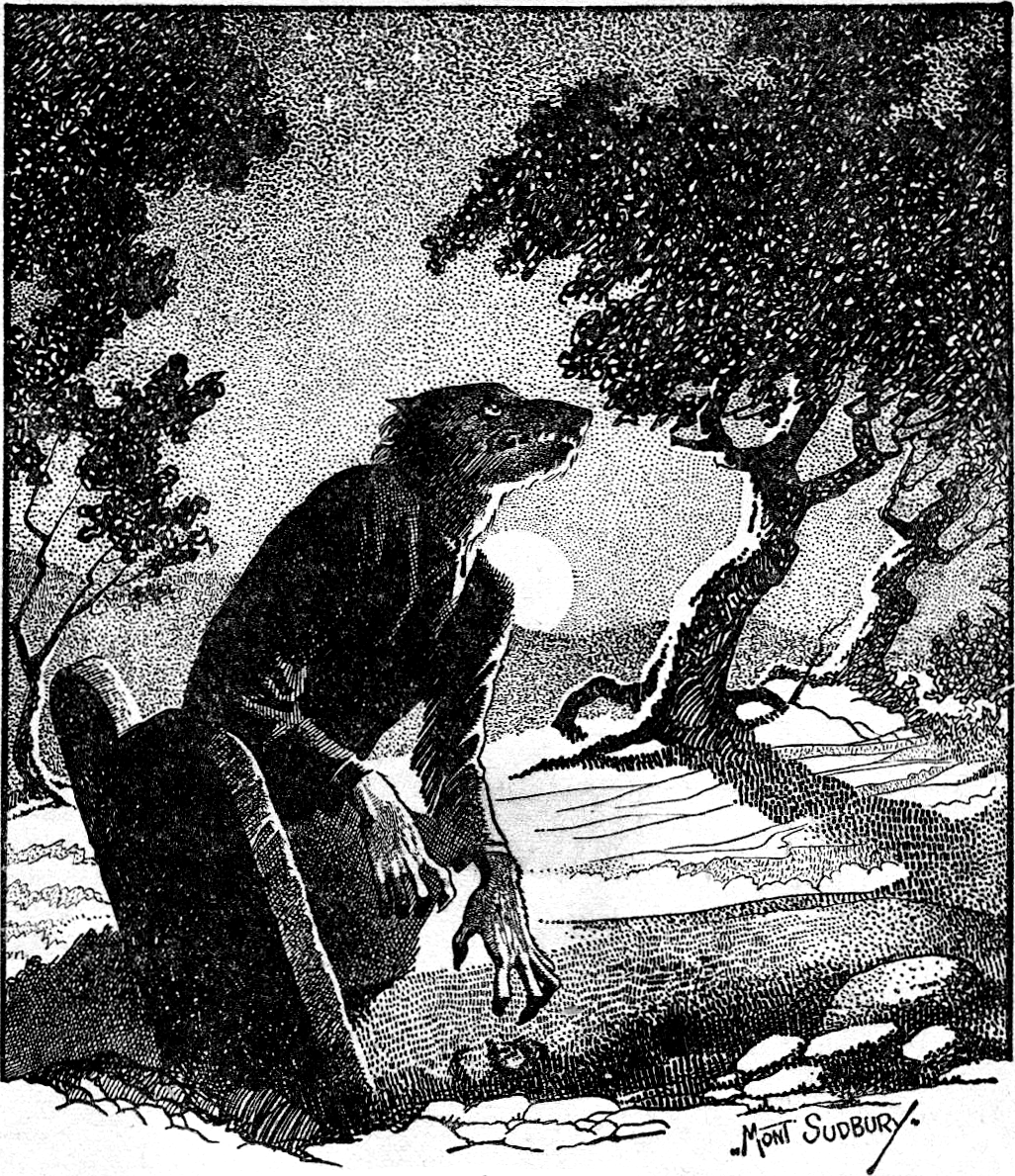 🇫🇷 France and 5 moreWerewolf
A mythical shapeshifter that turns into a wolf, central to European witch-hunts and Gothic horror.Being · Cursing and harm · Wonder and entertainment Legendary
🇫🇷 France and 5 moreWerewolf
A mythical shapeshifter that turns into a wolf, central to European witch-hunts and Gothic horror.Being · Cursing and harm · Wonder and entertainment Legendary
 🇪🇬 Egypt and 1 moreLilithלִילִית
A feminine figure from Mesopotamian and Jewish mythology, often depicted as a night demon or spirit.Being · Cursing and harm Legendary
🇪🇬 Egypt and 1 moreLilithלִילִית
A feminine figure from Mesopotamian and Jewish mythology, often depicted as a night demon or spirit.Being · Cursing and harm Legendary
 🇪🇬 EgyptCurse
A spoken wish for misfortune to befall a person or placeBelief · Cursing and harm · Luck and prosperity Historical
🇪🇬 EgyptCurse
A spoken wish for misfortune to befall a person or placeBelief · Cursing and harm · Luck and prosperity Historical