Joy of Satan Ministries
An occult movement combining theistic Satanism with esoteric and extraterrestrial lore
Joy of Satan Ministries is an esoteric religious group founded in the United States in 2002 by Andrea Maxine Dietrich. Practitioners view Satan as humanity's creator and engage in demonic invocations, energy work, and personal development through theistic occult rituals.
- Founded in 2002 by Andrea Maxine Dietrich as a theistic Satanist new religious movement.
- Reinterprets ancient polytheistic gods and Goetic demons as benevolent extraterrestrial beings.
- Adapts the Sigil of Baphomet by replacing Hebrew letters with cuneiform script spelling Satan.
- Replaces coercive grimoire methods with respectful, telepathic communication with spirits.
What it is
Joy of Satan Ministries is a theistic Satanist organization and new religious movement established in 2002 by Andrea Maxine Dietrich. Classified within Western esotericism, the group promotes Spiritual Satanism, which views Satan not as a metaphor or adversary, but as humanity's benevolent creator deity and father. Its teachings blend theistic Satanism with Gnostic ideas, modern paganism, occult Nazism, and extraterrestrial lore. Unlike secular or materialist forms of modern Satanism, this path centers on forming direct, personal connections with demons and ancient deities. Followers practice sorcery, meditation, and ritual evocation to seek knowledge, spiritual independence, and personal evolution.
Where it comes from
Maxine Dietrich established the organization in the early 2000s, drawing upon ancient Near Eastern, Asian, and Western lore to formulate an esoteric, traditional Satanism. The group became an official non-profit body in 2004. Dietrich incorporated ancient astronaut theories, including ideas influenced by Zecharia Sitchin, proposing that human history was shaped by ancient space conflicts between benevolent and hostile alien species. The movement faced internal discord and public scrutiny after its antisemitic doctrines grew prominent and revelations linked Dietrich through marriage to a leader in the National Socialist Movement. After Dietrich died in 2020, other adherents took over administration of the group.
How it is done
Adherents start formal dedication through a written commitment signed in blood, which is then ritually burned. Regular devotional rites follow a structured pattern. Practitioners prepare by washing and lighting candles before ringing a ritual bell to summon the four princes of hell. A central invocation is spoken to open direct, one-on-one communication with Satan. Rites generally rely on visualization exercises and telepathic address rather than coercive summoning or material bargaining. Members also practice energy work, utilizing chanting, trance states, self-hypnosis, pendulum divination, and rune readings to hone psychic ability.
Tools and materials
The group redesigned the Sigil of Baphomet, substituting ancient cuneiform characters spelling Satan in place of Hebrew lettering to assert Sumerian origins for the pentagram. Ritual equipment includes bells, incense, pendulums, and runes. While black candles and standard altarpieces are common, the group emphasizes that simple tools suffice, teaching that spirits do not demand costly items. Human blood is used in minimal amounts exclusively during initiation, where the practitioner signs a written pledge before consigning it to fire.
Joy of Satan Ministries, drawn and placed
- Living
- Revived
- Fading
- Historical
- Legendary
- Performed
- Lineage
- Theistic Satanism
What it is for
Practitioners pursue Spiritual Satanism to achieve personal empowerment, direct communion, and spiritual development. Members aim to awaken the kundalini serpent, open the third eye, and align their chakras through bioelectric energy work. Rather than seeking worldly favours through submission, followers seek understanding and self-elevation. Demonic invocations are conducted to establish respectful relationships with ancient beings who are seen as teachers. The system also encompasses practical magic for healing, divination, and sorcery, along with rituals directed against perceived spiritual adversaries.
Who does it
Practitioners in this current range from solitary occultists to dedicated members within the organization. Entry into the path requires an individual to make a personal commitment through a blood-signed declaration. Practitioners are expected to train themselves in meditative discipline, visualization, and esoteric knowledge to direct magical forces effectively. The movement has featured female leadership, notably through founder Maxine Dietrich as high priestess. Furthermore, the divine figure Lilith holds an important position as a patron deity associated with female autonomy and women's authority.
Peoples and places
The movement originated in the United States and built an international following primarily through online forums and websites. Its theology incorporates racial doctrines, claiming that the Nordic-Aryan group was the primary creation of the deity Enki. The group also claims historical ties to the Yazidi community of northern Iraq, asserting that Yazidi texts preserved ancient truths from Satan that survived suppression by later religious systems.
At a glance: who, where and when


What people believe
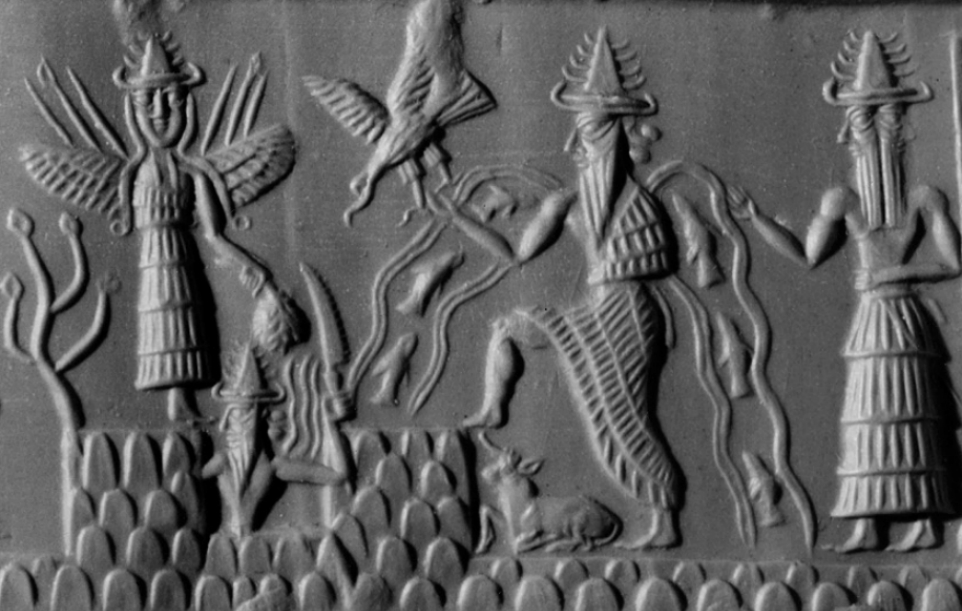
Cosmology in this tradition presents ancient polytheistic gods as immortal, highly advanced humanoid extraterrestrial beings. Satan is identified with the Sumerian deity Enki and the angel Melek Taus, embodying strength, justice, and freedom. The demons of classical grimoires are reinterpreted as benevolent alien mentors and the biblical Nephilim. The group teaches that hostile reptilian entities engineered Abrahamic religions following a prehistoric cosmic conflict. In their view, these newer faiths falsely branded older protective deities as evil spirits to subjugate human consciousness and suppress ancient spiritual knowledge.
How scholars and sceptics see it
Scholars of religion classify the group as a modern current of Western esotericism and theistic Satanism. Christopher Partridge characterizes its practices as an esoteric transformational project anchored in a personal connection to Satan. Massimo Introvigne and Asbjorn Dyrendal contrast the group's sincere spiritualism and simpler theological language with the rationalist, atheistic approach of Anton LaVey. Jesper Petersen observes that the movement's rites depart from conventional ceremonial occultism, relying instead on accessible visualization methods and conversational communication with entities rather than adversarial or coercive summoning.
Cautions and what is closed
The movement has drawn severe condemnation due to its integration of neo-Nazi ideology and antisemitic conspiracy theories. Scrutiny intensified when the high priestess was exposed as the spouse of a prominent American neo-Nazi leader, causing internal rifts and broad external backlash. Its doctrines promote explicit hostility toward Jewish, Christian, and Islamic faiths. Consequently, major web hosts terminated services for the organization, and numerous contemporary theistic Satanists have publicly distanced themselves from the group's political alignment and racial rhetoric.
Compare and confuse
Although sharing symbols with LaVeyan Satanism, the group rejects LaVey's atheist perspective in favour of literal theism. Its methods differ sharply from medieval grimoires like the Goetia, replacing forceful subjugation of demons with respectful invocation. While sometimes compared to other esoteric currents like the Order of Nine Angles, researchers note that the fundamental doctrines of the two movements stand in direct opposition.
Today
Following the death of Maxine Dietrich in 2020, successor members continued operating the organization while instituting notable structural and doctrinal changes. Despite controversies and the loss of its original Angelfire web hosting in 2019, the group retains visibility within modern theistic Satanism. Certain occult practitioners outside the group continue to cite its respectful demon invocation techniques as an influential departure from historic grimoire practices.
Questions people ask about Joy of Satan Ministries
What is the Joy of Satan Ministries?
It is an occult religious organization founded in 2002 that practices Spiritual Satanism, blending theistic Satanism, Western esotericism, paganism, and extraterrestrial lore.
How does the group view Satan and demons?
Adherents believe Satan and traditional demons are benevolent, immortal extraterrestrial beings and ancient gods who created humanity, rather than evil figures or symbols of rebellion.
How do members practice their rituals?
Rituals focus on visualization, meditation, and respectful communication with entities, beginning with bell ringing, candle lighting, and specific invocations rather than coercive medieval summons.
Why has the organization attracted controversy?
The group drew severe condemnation for its antisemitic doctrines and historical connections to American neo-Nazi leadership, leading many occultists and service providers to distance themselves.
Good reading and sources
The facts on this page come from the Wikipedia article "Joy of Satan Ministries", written by its contributors and used under the CC BY-SA 4.0 licence, and from its Wikidata record (CC0). EveryJaadu rewrote the text in its own words, with AI assistance, and compares every page with the article to make sure no passage is copied. It may be reused under the same CC BY-SA 4.0 licence with a link back.
It may contain mistakes. Names and customs differ from one community to the next, and some knowledge is closed to outsiders and left out here. This page describes belief and practice. It does not say that any of it works, it is not a how-to, and it is not medical advice. If something is wrong, tell us. Last refreshed 2026-10-07.
More from the United States
All the entries from the United States 🇺🇸 United States and 2 moreLouisiana Voodoo
An African diasporic religion practiced in Louisiana from the 18th to early 20th centuriesTradition · Healing · Protection Historical
🇺🇸 United States and 2 moreLouisiana Voodoo
An African diasporic religion practiced in Louisiana from the 18th to early 20th centuriesTradition · Healing · Protection Historical
 🇺🇸 United States and 3 moreMediumship
The practice of mediating communication between the living and spirits of the dead.Tradition · Speaking with spirits and the dead Living
🇺🇸 United States and 3 moreMediumship
The practice of mediating communication between the living and spirits of the dead.Tradition · Speaking with spirits and the dead Living
 🇺🇸 United StatesFolk healer
An unlicensed community member who provides healing care using local plants and traditional knowledge.Tradition · Healing · Protection Historical
🇺🇸 United StatesFolk healer
An unlicensed community member who provides healing care using local plants and traditional knowledge.Tradition · Healing · Protection Historical
 🇺🇸 United States and 4 moreRainmaking
Efforts to induce rain through technology, ritual, or prayer.Tradition · Protection · Healing Living
🇺🇸 United States and 4 moreRainmaking
Efforts to induce rain through technology, ritual, or prayer.Tradition · Protection · Healing Living
Related elsewhere
All tradition 🇮🇳 India and 1 moreAmritaअमृत (Sanskrit)
A Sanskrit concept of immortality and the nectar that grants it across Indian religionsBelief · Healing · Power and authority Living
🇮🇳 India and 1 moreAmritaअमृत (Sanskrit)
A Sanskrit concept of immortality and the nectar that grants it across Indian religionsBelief · Healing · Power and authority Living
 🇮🇶 Iraq and 5 moreGrimoire
A textbook containing instructions for spells, rituals, and the creation of magical objects.Text · Protection · Healing Historical
🇮🇶 Iraq and 5 moreGrimoire
A textbook containing instructions for spells, rituals, and the creation of magical objects.Text · Protection · Healing Historical
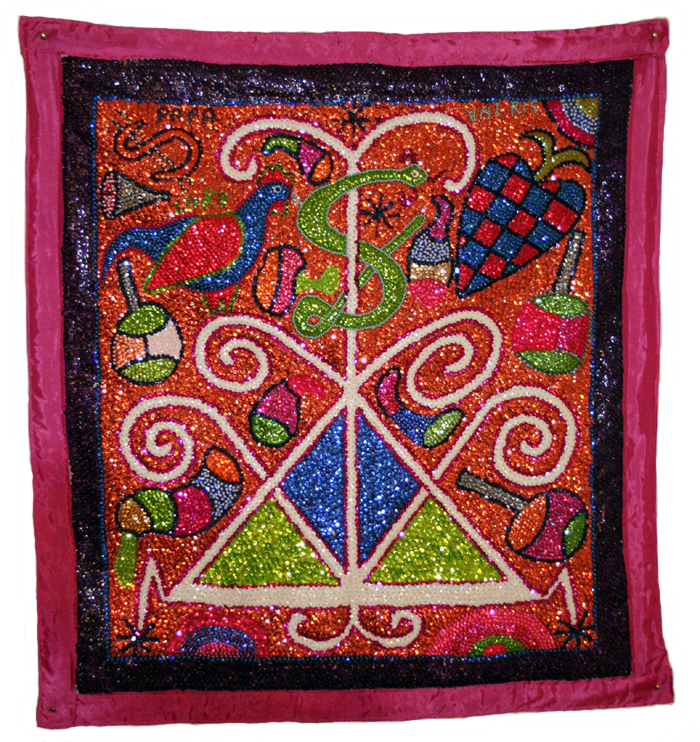 🇭🇹 Haiti and 2 moreHaitian VodouVodou
An Afro-Haitian religion blending West African traditions with Catholicism and FreemasonryTradition · Protection · Healing Living
🇭🇹 Haiti and 2 moreHaitian VodouVodou
An Afro-Haitian religion blending West African traditions with Catholicism and FreemasonryTradition · Protection · Healing Living
 🇿🇦 South AfricaSympathetic magic
A magical principle based on imitation and contact to influence the worldTradition · Protection · Healing Historical
🇿🇦 South AfricaSympathetic magic
A magical principle based on imitation and contact to influence the worldTradition · Protection · Healing Historical