Cursing and harm
Curses, hexes and sorcery as people describe and fear them, with the counter-magic against them.
Cursing and harm are the part of magic that societies fear most. This page describes curses and sorcery as beliefs, and the social role of fear and accusation, and does not give instructions. The evil eye, the curse tablets of the Greek and Roman world, Hebrew and Arabic writings on harmful magic, sorcery in Melanesia and Africa, and the European witch are all part of this subject. Most of the harm recorded is that done to people accused.
What is believed
Many cultures hold that envy, anger or hostile ritual can bring illness, loss or death to a victim. The beliefs differ: in the Mediterranean, the evil eye needs no intent. In Azande society, studied by Evans-Pritchard, witchcraft was an inherited substance that explained why misfortune struck one person and not another. Greek and Roman lead curse tablets, often addressed to gods of the underworld, show the belief was written down in antiquity.
Accusation as social force
Where harm is feared, accusation follows. Anthropologists have shown that charges of witchcraft often follow tension inside a family or village, such as inheritance, jealousy or a sudden death. Accusers are usually in conflict with the accused, who is more likely to be old, poor, widowed or marginal. The belief can enforce norms and also destroy people. People also fear being accused, since an accusation can arrive without warning and can follow a family for generations.
Persecution and its present
European and colonial American witch trials, from the fifteenth to the eighteenth century, put tens of thousands to death, including the Salem trials of 1692. The practice has not ended. Mobs and families still attack accused people in parts of Africa, India, Papua New Guinea and elsewhere, and Saudi Arabia has executed people for sorcery. Albino people have been killed for body parts in East Africa. Several states are drafting or enforcing laws against accusation itself.
Counter-magic and scholarship
Where harm is feared, so is protection: amulets, cleansing, and a specialist who can say who sent it. Scholars see curses as a language of grievance, and psychologists have documented the nocebo effect, in which belief in harm can bring on real distress. A person who is afraid should seek medical and social help, and talk to someone they trust. People who believe they have been cursed should be helped to find practical support, including from health services, and not left alone with fear.
Cursing and harm on EveryJaadu
The entries written up so far, best known first.
 🇧🇷 Brazil and 2 moreMapinguari
A hairy Amazonian monster with a belly mouth and backwards feetBeing · Cursing and harm Legendary
🇵🇪 Peru and 1 moreSupay
An Andean spirit of the underworld who balances life and death forcesBeing · Cursing and harm · Protection Historical
🇧🇷 Brazil and 2 moreMapinguari
A hairy Amazonian monster with a belly mouth and backwards feetBeing · Cursing and harm Legendary
🇵🇪 Peru and 1 moreSupay
An Andean spirit of the underworld who balances life and death forcesBeing · Cursing and harm · Protection Historical
 🇧🇷 Brazil and 2 moreCurupira
A backwards-footed forest guardian from Brazilian indigenous myth who punishes loggers and misleads travelers.Being · Protection · Cursing and harm Legendary
🇧🇷 Brazil and 2 moreCurupira
A backwards-footed forest guardian from Brazilian indigenous myth who punishes loggers and misleads travelers.Being · Protection · Cursing and harm Legendary
 🇵🇷 Puerto Rico and 5 moreChupacabrachupacabras
A legendary creature said to drain livestock of blood, emerging from Puerto Rico in the mid-1990sBeing · Cursing and harm Legendary
🇵🇷 Puerto Rico and 5 moreChupacabrachupacabras
A legendary creature said to drain livestock of blood, emerging from Puerto Rico in the mid-1990sBeing · Cursing and harm Legendary
 🇵🇪 Peru and 1 moreChullachaqui
A one-footed forest spirit of the Amazon that lures or challenges humansBeing · Cursing and harm · Power and authority Legendary
🇨🇴 Colombia and 1 moreTunda
A shapeshifting entity from the Pacific coast of Colombia and Ecuador that lures people into the forest.Figure · Cursing and harm Legendary
🇵🇪 Peru and 1 moreChullachaqui
A one-footed forest spirit of the Amazon that lures or challenges humansBeing · Cursing and harm · Power and authority Legendary
🇨🇴 Colombia and 1 moreTunda
A shapeshifting entity from the Pacific coast of Colombia and Ecuador that lures people into the forest.Figure · Cursing and harm Legendary
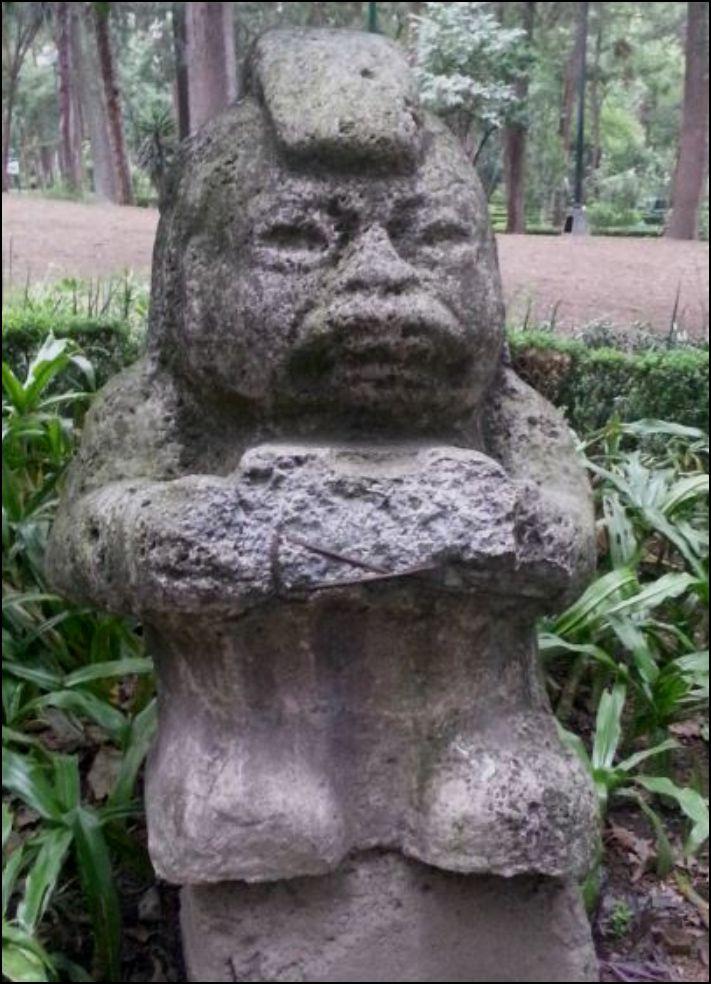 🇲🇽 MexicoChaneque
Mexican folklore sprites that guard nature and homesBeing · Protection · Cursing and harm Legendary
🇲🇽 MexicoChaneque
Mexican folklore sprites that guard nature and homesBeing · Protection · Cursing and harm Legendary
 🇲🇽 Mexico and 2 moreAluxaluxo'ob
A small Maya spirit believed to guard fields and cause mischief if offended.Being · Protection · Luck and prosperity Living
🇲🇽 Mexico and 2 moreAluxaluxo'ob
A small Maya spirit believed to guard fields and cause mischief if offended.Being · Protection · Luck and prosperity Living
 🇯🇲 Jamaica and 5 moreObeah
A Caribbean tradition of ritual healing and spell-casting with African rootsTradition · Protection · Healing Living
🇯🇲 Jamaica and 5 moreObeah
A Caribbean tradition of ritual healing and spell-casting with African rootsTradition · Protection · Healing Living
 🇭🇹 Haiti and 2 moreBokorbòkò
A Haitian Vodou practitioner said to serve spirits for both protection and harmTradition · Protection · Cursing and harm Living
🇭🇹 Haiti and 2 moreBokorbòkò
A Haitian Vodou practitioner said to serve spirits for both protection and harmTradition · Protection · Cursing and harm Living
 🇨🇺 Cuba and 5 morePalo
An Afro-Cuban religion centered on spirit vessels and ancestral powerTradition · Healing · Cursing and harm Living
🇨🇺 Cuba and 5 morePalo
An Afro-Cuban religion centered on spirit vessels and ancestral powerTradition · Healing · Cursing and harm Living
 🇧🇷 BrazilBoitatá
A fiery serpent of Brazilian folklore that guards forests or frightens childrenBeing · Protection · Cursing and harm Living
🇧🇷 BrazilBoitatá
A fiery serpent of Brazilian folklore that guards forests or frightens childrenBeing · Protection · Cursing and harm Living
 🇲🇽 MexicoNagualnāhualli
A Mesoamerican belief in humans who shapeshift into animal counterparts.Belief · Power and authority · Cursing and harm Living
🇲🇽 MexicoNagualnāhualli
A Mesoamerican belief in humans who shapeshift into animal counterparts.Belief · Power and authority · Cursing and harm Living
 🇭🇹 Haiti and 3 moreVoodoo doll
A pin-stuffed figure linked to magic in popular culture, not Haitian VodouCharm · Cursing and harm Historical
🇭🇹 Haiti and 3 moreVoodoo doll
A pin-stuffed figure linked to magic in popular culture, not Haitian VodouCharm · Cursing and harm Historical
 🇲🇽 Mexico and 5 moreObsidian
Volcanic glass used for sharp tools, mirrors, and ritual divinationSubstance · Cursing and harm · Seeing and foretelling Historical
🇭🇹 HaitiBois Caïman
The sacred site where enslaved Africans planned the Haitian Revolution through a Vodou ceremony.Rite · Cursing and harm · Power and authority Historical
🇲🇽 Mexico and 5 moreObsidian
Volcanic glass used for sharp tools, mirrors, and ritual divinationSubstance · Cursing and harm · Seeing and foretelling Historical
🇭🇹 HaitiBois Caïman
The sacred site where enslaved Africans planned the Haitian Revolution through a Vodou ceremony.Rite · Cursing and harm · Power and authority Historical
 🇲🇽 Mexico and 2 moreChild sacrifice
The ritual killing of children to appease deities or restore cosmic order in ancient culturesRite · Cursing and harm · Speaking with spirits and the dead Historical
🇲🇽 Mexico and 2 moreChild sacrifice
The ritual killing of children to appease deities or restore cosmic order in ancient culturesRite · Cursing and harm · Speaking with spirits and the dead Historical
 🇲🇽 Mexico and 5 moreLa Llorona
A vengeful ghost in Hispanic American folklore who mourns drowned children near water.Figure · Cursing and harm Living
🇲🇽 Mexico and 5 moreLa Llorona
A vengeful ghost in Hispanic American folklore who mourns drowned children near water.Figure · Cursing and harm Living
 🇨🇱 ChileTrauco
A small forest spirit from Chiloé mythology known for seducing women and causing pregnancyBeing · Love and attraction · Cursing and harm Legendary
🇨🇱 ChileTrauco
A small forest spirit from Chiloé mythology known for seducing women and causing pregnancyBeing · Love and attraction · Cursing and harm Legendary
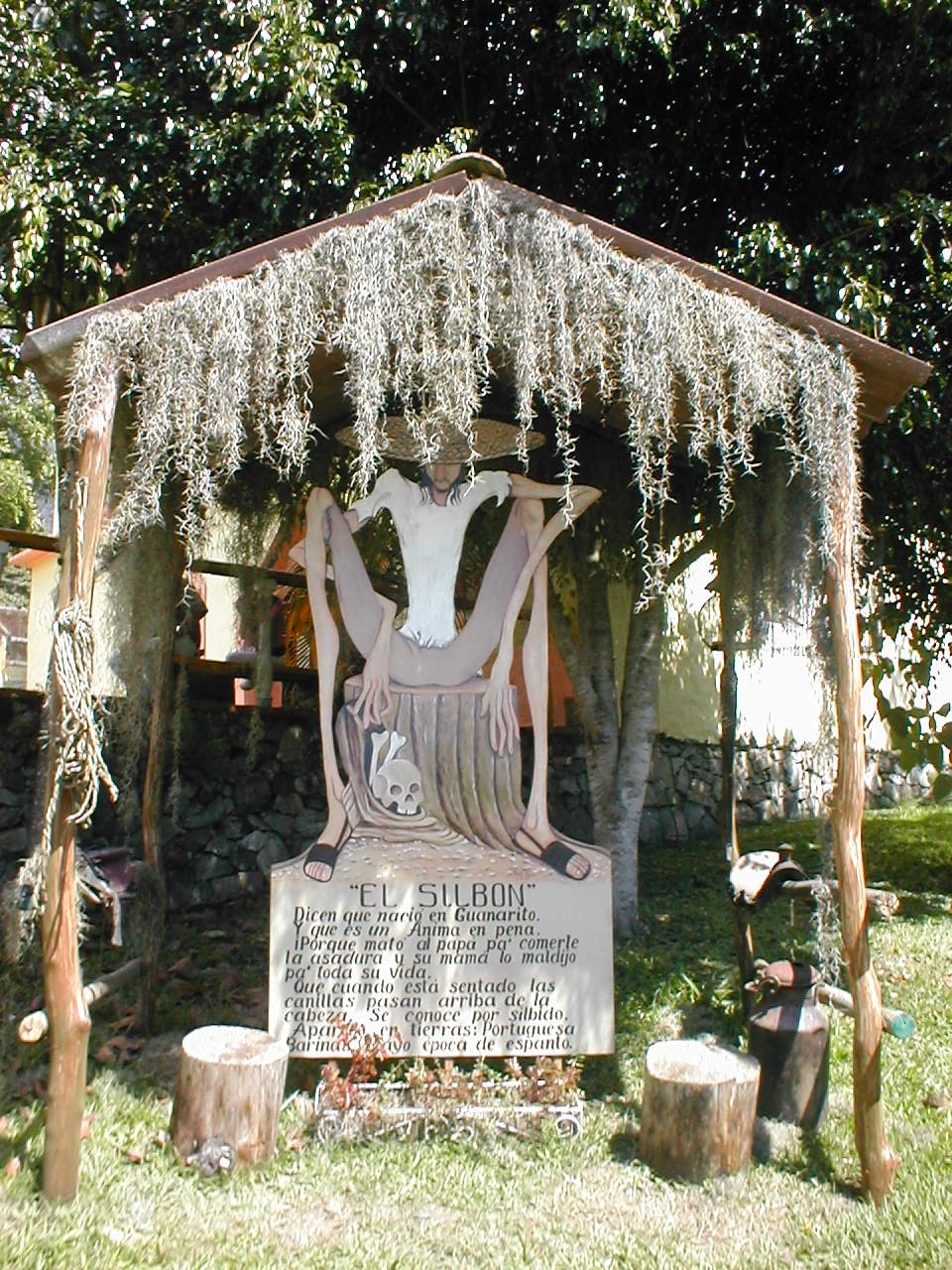 🇻🇪 Venezuela and 1 moreEl Silbón
A Venezuelan and Colombian legend of a cursed spirit who carries his father's bones.Figure · Cursing and harm · Seeing and foretelling Legendary
🇧🇷 Brazil and 1 moreQuimbanda
An Afro-Brazilian religion focused on male and female street spirits for worldly mattersTradition · Protection · Luck and prosperity Living
🇧🇷 Brazil and 1 moreSaciSaci-pererê
A one-legged prankster of Brazilian folklore who hides in dust devils and wears a magic red cap.Figure · Luck and prosperity · Cursing and harm Living
🇻🇪 Venezuela and 1 moreEl Silbón
A Venezuelan and Colombian legend of a cursed spirit who carries his father's bones.Figure · Cursing and harm · Seeing and foretelling Legendary
🇧🇷 Brazil and 1 moreQuimbanda
An Afro-Brazilian religion focused on male and female street spirits for worldly mattersTradition · Protection · Luck and prosperity Living
🇧🇷 Brazil and 1 moreSaciSaci-pererê
A one-legged prankster of Brazilian folklore who hides in dust devils and wears a magic red cap.Figure · Luck and prosperity · Cursing and harm Living
 🇲🇽 Mexico and 5 moreSihuanaba
A shapeshifting spirit that lures men with beauty before revealing a monstrous faceBeing · Cursing and harm Legendary
🇹🇹 Trinidad and Tobago and 5 moreSoucouyant
A shape-shifting vampire spirit of Caribbean folklore that sheds its skin to fly as a fireballBeing · Cursing and harm Living
🇲🇽 Mexico and 5 moreSihuanaba
A shapeshifting spirit that lures men with beauty before revealing a monstrous faceBeing · Cursing and harm Legendary
🇹🇹 Trinidad and Tobago and 5 moreSoucouyant
A shape-shifting vampire spirit of Caribbean folklore that sheds its skin to fly as a fireballBeing · Cursing and harm Living
 🇧🇷 BrazilThe Hairy LegPerna cabeluda
A Brazilian urban legend of a detached leg that attacks people at nightFigure · Cursing and harm · Wonder and entertainment Historical
🇻🇪 VenezuelaSayona
A vengeful Venezuelan ghost who hunts men for breaking marital vowsFigure · Cursing and harm Legendary
🇦🇷 Argentina and 1 moreSpiritual mapping
A Christian practice of mapping locations to identify and pray against territorial demonsBelief · Protection · Cursing and harm Living
🇧🇷 BrazilThe Hairy LegPerna cabeluda
A Brazilian urban legend of a detached leg that attacks people at nightFigure · Cursing and harm · Wonder and entertainment Historical
🇻🇪 VenezuelaSayona
A vengeful Venezuelan ghost who hunts men for breaking marital vowsFigure · Cursing and harm Legendary
🇦🇷 Argentina and 1 moreSpiritual mapping
A Christian practice of mapping locations to identify and pray against territorial demonsBelief · Protection · Cursing and harm Living
 🇲🇽 MexicoCamazotz
A bat spirit of the Maya underworld linked to night, death, and sacrificeBeing · Cursing and harm · Power and authority Legendary
🇨🇴 ColombiaPatasola
A Colombian jungle monster that lures men with beauty before revealing a one-legged formBeing · Cursing and harm Legendary
🇲🇽 MexicoCamazotz
A bat spirit of the Maya underworld linked to night, death, and sacrificeBeing · Cursing and harm · Power and authority Legendary
🇨🇴 ColombiaPatasola
A Colombian jungle monster that lures men with beauty before revealing a one-legged formBeing · Cursing and harm Legendary
 🇲🇽 MexicoAhuizotlāhuitzotl
A legendary Aztec water creature said to lure people to their deathsBeing · Cursing and harm Legendary
🇯🇲 Jamaica and 3 moreDuppy
A Caribbean term for a ghost or malevolent spirit, rooted in West African folklore.Being · Cursing and harm · Luck and prosperity Living
🇩🇴 Dominican Republic and 1 moreCiguapa
A back-footed forest spirit of the Dominican Republic known for seduction and jealousyBeing · Cursing and harm · Love and attraction Legendary
🇲🇽 MexicoAhuizotlāhuitzotl
A legendary Aztec water creature said to lure people to their deathsBeing · Cursing and harm Legendary
🇯🇲 Jamaica and 3 moreDuppy
A Caribbean term for a ghost or malevolent spirit, rooted in West African folklore.Being · Cursing and harm · Luck and prosperity Living
🇩🇴 Dominican Republic and 1 moreCiguapa
A back-footed forest spirit of the Dominican Republic known for seduction and jealousyBeing · Cursing and harm · Love and attraction Legendary
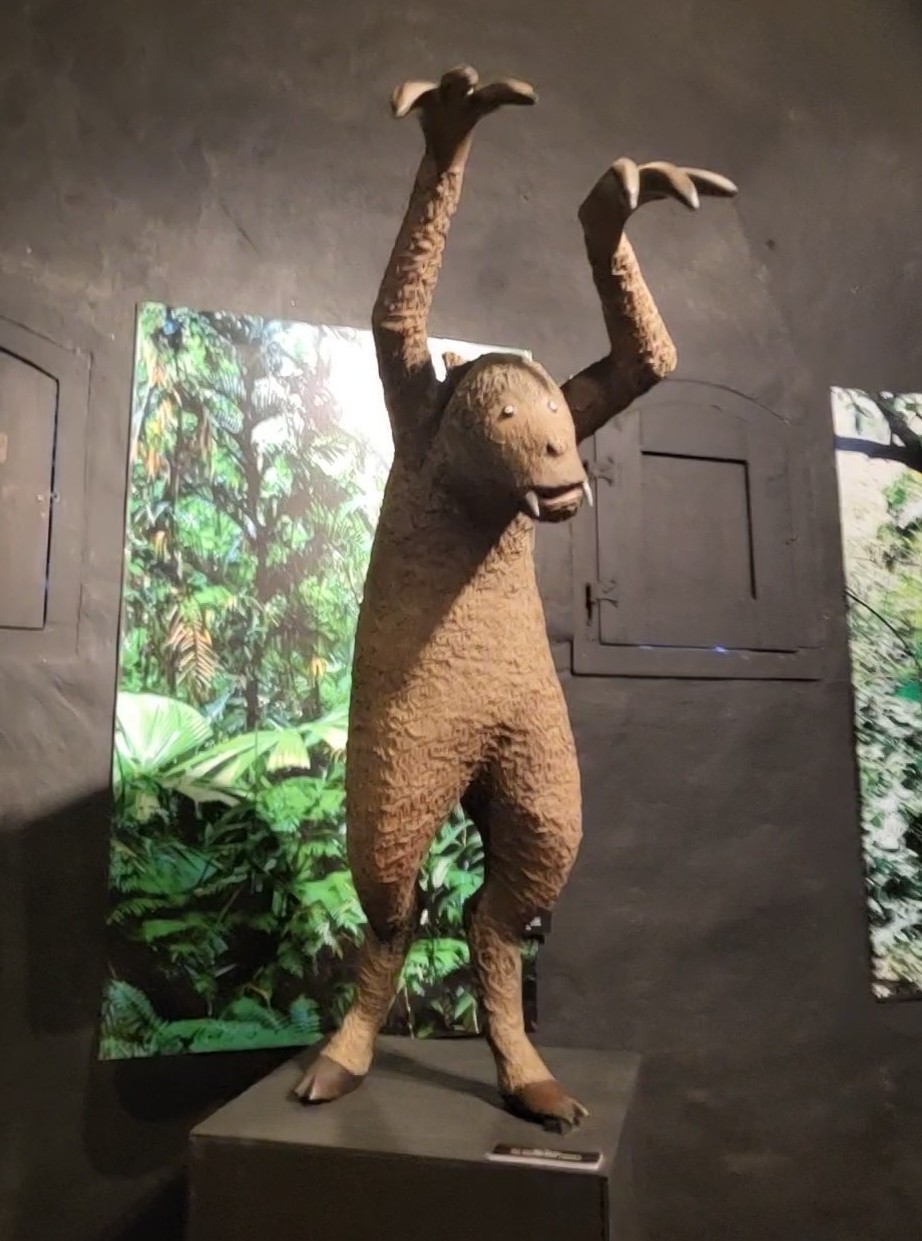 🇵🇾 ParaguayAo Ao
A Guarani mythic beast that hunts humans and frightens children in ParaguayBeing · Cursing and harm Legendary
🇨🇱 Chile and 1 moreCuerotrülke wekufü
An aquatic creature from Mapuche and Chilote myth that drags victims into the depths.Being · Cursing and harm Legendary
🇦🇷 ArgentinaLegendary creatures of the Argentine Northwest region
Myths and spirits from the Andean highlands of ArgentinaBeing · Protection · Cursing and harm Historical
🇳🇮 Nicaragua and 3 moreHeadless priestel cura sin cabeza / paring pugot
A headless Catholic spirit that haunts Central America and the Philippines as a warning against sacrilege.Being · Cursing and harm · Cleansing and purification Living
🇭🇹 HaitiBizango
Haitian secret societies linked to Vodou and social controlTradition · Cursing and harm · Binding and oaths Living
🇵🇾 ParaguayAo Ao
A Guarani mythic beast that hunts humans and frightens children in ParaguayBeing · Cursing and harm Legendary
🇨🇱 Chile and 1 moreCuerotrülke wekufü
An aquatic creature from Mapuche and Chilote myth that drags victims into the depths.Being · Cursing and harm Legendary
🇦🇷 ArgentinaLegendary creatures of the Argentine Northwest region
Myths and spirits from the Andean highlands of ArgentinaBeing · Protection · Cursing and harm Historical
🇳🇮 Nicaragua and 3 moreHeadless priestel cura sin cabeza / paring pugot
A headless Catholic spirit that haunts Central America and the Philippines as a warning against sacrilege.Being · Cursing and harm · Cleansing and purification Living
🇭🇹 HaitiBizango
Haitian secret societies linked to Vodou and social controlTradition · Cursing and harm · Binding and oaths Living
 🇩🇲 DominicaBelie Belcan
A loa of justice and protection in Dominican Vudú, linked to Saint Michael.Being · Protection · Cursing and harm Living
🇹🇹 Trinidad and Tobago and 1 moreDouen
A faceless creature with backwards feet from Trinidad and Tobago folkloreBeing · Cursing and harm Legendary
🇩🇲 DominicaBelie Belcan
A loa of justice and protection in Dominican Vudú, linked to Saint Michael.Being · Protection · Cursing and harm Living
🇹🇹 Trinidad and Tobago and 1 moreDouen
A faceless creature with backwards feet from Trinidad and Tobago folkloreBeing · Cursing and harm Legendary
 🇨🇱 Chile and 1 moreImbuncheifünche
A deformed child-monster of Chilote folklore that guards a warlock's cave and serves as an instrument of curse.Figure · Cursing and harm · Power and authority Legendary
🇨🇱 ChileWarlock of Chiloébrujo chilote
A legendary network of sorcerers from the Chilean archipelago and their mythical powers.Belief · Cursing and harm · Power and authority Legendary
🇨🇱 Chile and 1 moreImbuncheifünche
A deformed child-monster of Chilote folklore that guards a warlock's cave and serves as an instrument of curse.Figure · Cursing and harm · Power and authority Legendary
🇨🇱 ChileWarlock of Chiloébrujo chilote
A legendary network of sorcerers from the Chilean archipelago and their mythical powers.Belief · Cursing and harm · Power and authority Legendary
 🇨🇱 ChileCamahueto
A one-horned river bull from Chilote folklore that drags people to the seaBeing · Cursing and harm Legendary
🇨🇴 Colombia and 1 moreLa Bolefuego
A fiery apparition from the Llanos that hunts travelers and avoids prayer.Figure · Cursing and harm Legendary
🇧🇷 BrazilBestial beastBesta-fera
A centaur-like creature in Brazilian folklore thought to be the Devil.Being · Cursing and harm Legendary
🇧🇿 BelizeTata DuendeNukuch Tat
A thumbless forest spirit of Belizean folklore that protects animals and warns children.Being · Protection · Cursing and harm Living
🇨🇱 ChileCamahueto
A one-horned river bull from Chilote folklore that drags people to the seaBeing · Cursing and harm Legendary
🇨🇴 Colombia and 1 moreLa Bolefuego
A fiery apparition from the Llanos that hunts travelers and avoids prayer.Figure · Cursing and harm Legendary
🇧🇷 BrazilBestial beastBesta-fera
A centaur-like creature in Brazilian folklore thought to be the Devil.Being · Cursing and harm Legendary
🇧🇿 BelizeTata DuendeNukuch Tat
A thumbless forest spirit of Belizean folklore that protects animals and warns children.Being · Protection · Cursing and harm Living
 🇭🇹 Haiti and 1 morePetwo
A family of hot and volatile spirits in Haitian VodouBeing · Power and authority · Cursing and harm Living
🇧🇧 Barbados and 2 moreObeah and Wanga
A Caribbean folk magic tradition and a Haitian charm packet, referenced in Western occult texts.Tradition · Power and authority · Cursing and harm Living
🇧🇷 BrazilLobisomem
A South American shape-shifter born from family fate or sin, often linked to the full moon.Being · Cursing and harm Legendary
🇭🇹 Haiti and 1 morePetwo
A family of hot and volatile spirits in Haitian VodouBeing · Power and authority · Cursing and harm Living
🇧🇧 Barbados and 2 moreObeah and Wanga
A Caribbean folk magic tradition and a Haitian charm packet, referenced in Western occult texts.Tradition · Power and authority · Cursing and harm Living
🇧🇷 BrazilLobisomem
A South American shape-shifter born from family fate or sin, often linked to the full moon.Being · Cursing and harm Legendary
Photo credits on this page
The small pictures above come from Wikimedia Commons under free licences. Some are cropped to fit.
- Maya mythology: Unknown author, Public domain, source
- Black magic: https://www.flickr.com/photos/eliogarcia/ (nick in flickr:creo que soy, CC BY 2.0, source
- La Llorona: Melvin Callejas, Public domain, source
- Trauco: Seo2 (Cristian), CC BY 2.0, source
- Chullachaqui: LLs, CC BY-SA 4.0, source
- Chaneque: Unknown author, CC BY-SA 4.0, source
- Alux: Gary Todd, CC0, source
- Obeah: Various, published by David Nutt, Public domain, source
- Bokor: Hector Hyppolite, Public domain, source
- Palo: Burkhard Mücke, CC BY-SA 4.0, source
- Boitatá: The ponta cabeça, CC BY-SA 4.0, source
- Nagual: Unknown author, Public domain, source
- Sihuanaba: Orlando Callejas, CC BY-SA 4.0, source
- Folk Catholicism: Calvin Hennick, for WBUR Boston, CC BY 3.0, source
- Ahuizotl: Infrogmation, New Orleans, Public domain, source
- Ao Ao: Cowboymax, CC0, source
- Camahueto: Rjcastillo, CC BY 4.0, source
- Belie Belcan: Domfranciscorodrigues, CC BY-SA 3.0, source
- Imbunche: Lufke, CC BY-SA 3.0, source
- Mapinguari: Lauro Iyambae (@Aptix_4p0clix), CC0, source
- Obsidian: Krassotkin, CC0, source
- El Silbón: María Auxiliadora Ramírez Prato, CC BY-SA 3.0, source
- Child sacrifice: Julius Schnorr von Carolsfeld, Public domain, source
- The Hairy Leg: Diógenes Montenegro, Public domain, source
- Chupacabra: Dick Langer, CC BY-SA 4.0, source
- Curupira: Sturm, CC BY-SA 4.0, source