Tlahuelpuchi
From Nahuatl tlāhuihpochtli, meaning glowing haze or illuminated youth
A shape-shifting vampire witch from Tlaxcalan Nahua folklore that drains infants.
The tlahuelpuchi is a vampiric figure in the mythology of the Nahua people in Mexico. It is described as a witch born with a curse who shifts form to hunt and feed on the blood of babies.
- Born with a curse that cannot be lifted
- Detaches legs to fly as a bird
- Feeds exclusively on infant blood
- Repelled by garlic, onions, and metal
- Protected by families out of shame
What it is
The tlahuelpuchi is a legendary creature from the folklore of the Nahua people in the Mexican state of Tlaxcala. It is classified as a vampiric witch that lives among humans but possesses supernatural abilities. The entity is known for its predatory nature, specifically targeting infants for sustenance. It is considered a cursed being rather than a chosen practitioner of magic.
Where it comes from
The term originates from the Nahuatl language, specifically the word tlāhuihpochtli. This compound combines tlāhuia, meaning to light up, with pōchtli, which relates to haze or youth. The name suggests a connection to glowing light or an illuminated young person. The creature is deeply rooted in the indigenous traditions of Tlaxcala.
How it is done
The creature is said to detach its body from its legs, leaving them behind in its home. It then travels in the form of a bird, such as a turkey or vulture. To enter a victim's house, it performs a ritual flight over the building in the shape of a cross. Once inside, it feeds on the blood of infants, leaving bruises on the upper body.
Tools and materials
Garlic, onions, and metal are believed to repel the tlahuelpuchi. These items serve as protective barriers against the creature. The creature itself does not use tools but relies on its shape-shifting abilities and physical form to hunt.
Tlahuelpuchi, drawn and placed
- Living
- Revived
- Fading
- Historical
- Legendary
- Performed
- Lineage
- Nahua mythology
- Timing
- night
What it is for
The tlahuelpuchi exists primarily to feed on blood, particularly that of infants. It must feast at least once a month or face death. The creature is driven by this biological necessity within the lore, rather than malicious intent alone.
Who does it
Scholars study the tlahuelpuchi as part of Nahua mythology. The creature is typically female, with females being more powerful than males. They are born with their condition and cannot avoid it. A pact exists between tlahuelpuchi and shamans, who do not report suspected individuals.
Peoples and places
The legend is specific to the Nahua culture in Tlaxcala, Mexico. It is a regional myth that reflects local beliefs about supernatural predators. The creature is distinct from other vampire-like figures in global folklore due to its specific shape-shifting mechanics and cultural context.
At a glance: who, where and when
Peoples
What people believe
The tlahuelpuchi is viewed as a cursed individual rather than a willing witch. The condition is inherited and cannot be lifted. If identified, the creature must be killed immediately. Families often protect members who are suspected to be tlahuelpuchi due to shame and fear of the curse passing to them.
When it is done
The creature hunts at night. There are no specific festivals or calendar days associated with the tlahuelpuchi in the provided sources. Its activity is tied to the nightly cycle rather than seasonal events.
How scholars and sceptics see it
Anthropologists and historians analyze the tlahuelpuchi as a figure of anthropomorphic supernaturalism. Research examines its role in rural Tlaxcalan society and its connections to broader vampire myths. Scholars note the creature's unique characteristics within Nahua cosmology.
Cautions and what is closed
The tlahuelpuchi is a dangerous predator in folklore. Victims show bruises on their upper bodies. The creature must be killed if identified, as the curse cannot be removed. Families may conceal the truth to prevent the curse from spreading to relatives.
Compare and confuse
The tlahuelpuchi shares traits with other shape-shifting vampires like the manananggal and soucouyant. It is also related to figures such as the nagual and chupacabra. However, its specific ritual flight and Nahua origins distinguish it from these counterparts.
Law and persecution
There is no legal status for the tlahuelpuchi as it is a mythical creature.
Questions people ask about Tlahuelpuchi
What is a tlahuelpuchi?
It is a vampiric witch from Nahua folklore in Tlaxcala, Mexico. It is a cursed being that shape-shifts to hunt and feed on the blood of infants.
Where does the name come from?
The name derives from the Nahuatl word tlāhuihpochtli. It combines terms for lighting up and haze, suggesting a glowing or illuminated youth.
How does it travel?
It detaches its body from its legs, leaving them behind. It then flies in the form of a bird, such as a turkey or vulture, to hunt.
What protects people from it?
Garlic, onions, and metal are believed to repel the creature. These items act as barriers against its approach.
Can the curse be removed?
No, the curse cannot be lifted. If a tlahuelpuchi is identified, it must be killed on the spot to stop the feeding.
Good reading and sources
The facts on this page come from the Wikipedia article "Tlahuelpuchi", written by its contributors and used under the CC BY-SA 4.0 licence, and from its Wikidata record (CC0). EveryJaadu rewrote the text in its own words, with AI assistance, and compares every page with the article to make sure no passage is copied. It may be reused under the same CC BY-SA 4.0 licence with a link back.
It may contain mistakes. Names and customs differ from one community to the next, and some knowledge is closed to outsiders and left out here. This page describes belief and practice. It does not say that any of it works, it is not a how-to, and it is not medical advice. If something is wrong, tell us. Last refreshed 2026-10-06.
More from Mexico
All the entries from Mexico 🇲🇽 MexicoAztec religion
The polytheistic and monistic belief system of the Aztec Empire in central MexicoTradition · Protection · Luck and prosperity Historical
🇲🇽 MexicoAztec religion
The polytheistic and monistic belief system of the Aztec Empire in central MexicoTradition · Protection · Luck and prosperity Historical
 🇺🇸 United States and 1 moreCalifornian white sage
A California shrub used by Indigenous peoples for food, healing, and ritual cleansingSubstance · Protection · Healing Living
🇺🇸 United States and 1 moreCalifornian white sage
A California shrub used by Indigenous peoples for food, healing, and ritual cleansingSubstance · Protection · Healing Living
 🇺🇸 United States and 4 moreHarry Kellar
An American illusionist known for large-scale stage magic and mechanical tricks.Illusion · Wonder and entertainment Historical
🇺🇸 United States and 4 moreHarry Kellar
An American illusionist known for large-scale stage magic and mechanical tricks.Illusion · Wonder and entertainment Historical
Related elsewhere
All being 🇷🇸 Serbia and 5 moreVampire
An undead creature from folklore that feeds on the blood or life force of the livingBeing · Cursing and harm · Luck and prosperity Legendary
🇷🇸 Serbia and 5 moreVampire
An undead creature from folklore that feeds on the blood or life force of the livingBeing · Cursing and harm · Luck and prosperity Legendary
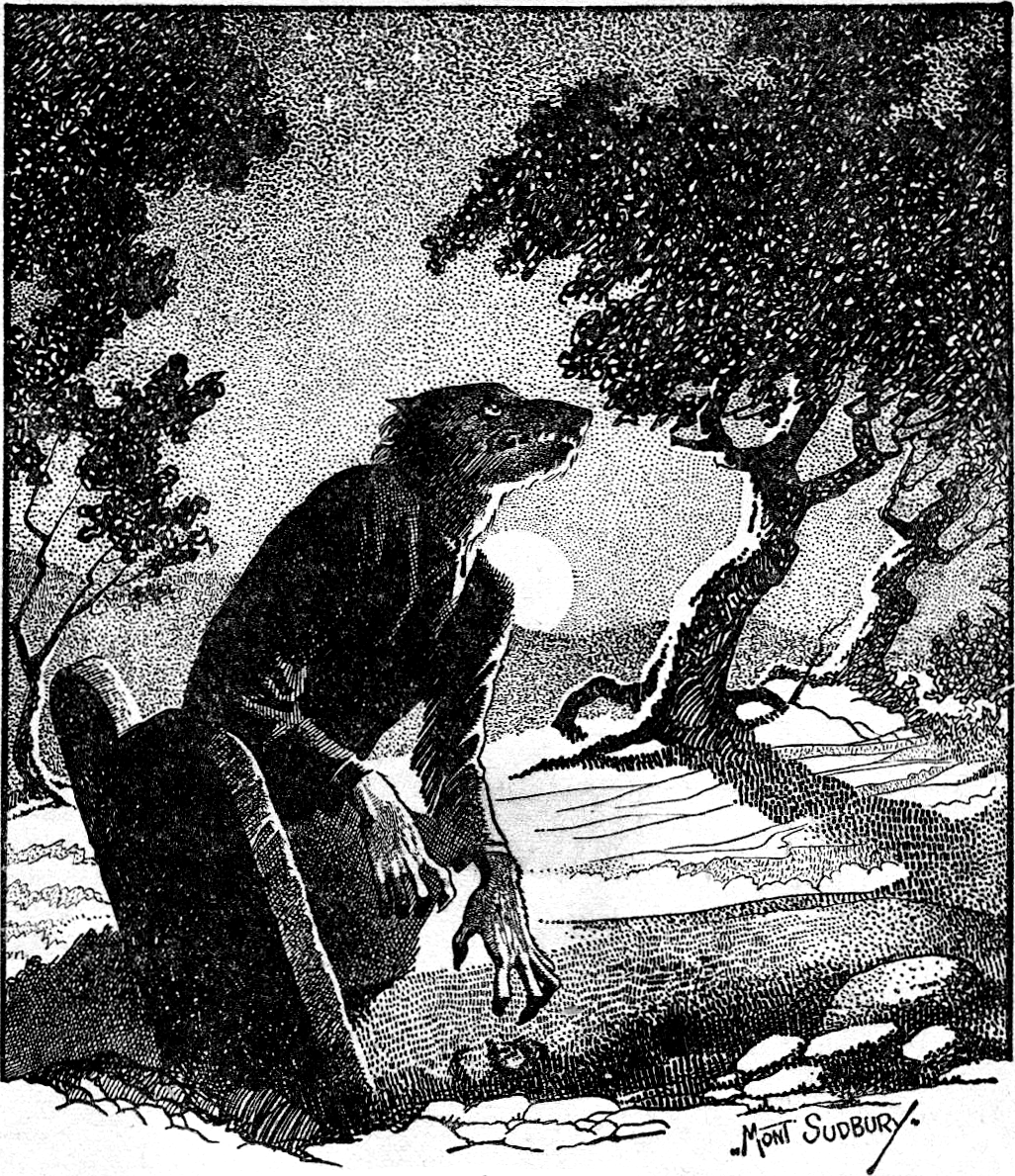 🇫🇷 France and 5 moreWerewolf
A mythical shapeshifter that turns into a wolf, central to European witch-hunts and Gothic horror.Being · Cursing and harm · Wonder and entertainment Legendary
🇫🇷 France and 5 moreWerewolf
A mythical shapeshifter that turns into a wolf, central to European witch-hunts and Gothic horror.Being · Cursing and harm · Wonder and entertainment Legendary
 🇪🇬 Egypt and 1 moreLilithלִילִית
A feminine figure from Mesopotamian and Jewish mythology, often depicted as a night demon or spirit.Being · Cursing and harm Legendary
🇪🇬 Egypt and 1 moreLilithלִילִית
A feminine figure from Mesopotamian and Jewish mythology, often depicted as a night demon or spirit.Being · Cursing and harm Legendary
 🇪🇬 EgyptCurse
A spoken wish for misfortune to befall a person or placeBelief · Cursing and harm · Luck and prosperity Historical
🇪🇬 EgyptCurse
A spoken wish for misfortune to befall a person or placeBelief · Cursing and harm · Luck and prosperity Historical