Tsul 'Kalu
In its own language: ᏧᏓᎦᎳ
from Cherokee words meaning "he has them slanting" or "sloping"
A Cherokee hunting deity and legendary giant of the Appalachian mountains
Tsul 'Kalu is a figure from Cherokee mythology known as the great lord of the hunt. He is described as a giant with slanted eyes who once roamed the Southeastern United States before the arrival of the Cherokee people.
- Name means slant-eyed or sloping giant in Cherokee
- Used to translate biblical Nephilim in Cherokee Bible
- Judaculla Rock shows petroglyphs from his alleged leap
- Guardian of plants, animals, and water before Cherokee arrival
- Place names across Western North Carolina derive from him
What it is
Tsul 'Kalu, also called Judaculla, is a central figure in Cherokee stories. He serves as the master of wild animals and the guardian of the hunt. Descriptions vary, but he is often pictured as a massive being with sloped eyes. Some accounts suggest he had features resembling a deer. He represents a time before human settlement, acting as a caretaker of the land's resources. His name literally translates to "slant-eyed" or "sloping," referring to his distinctive facial features rather than the word for eye itself.
Where it comes from
The legend was recorded by European observers as early as 1823, initially spelled as Tuli cula. The plural form Tsunil'kälû' refers to a race of giants from the far west. When religious texts were translated into Cherokee during the nineteenth century, this plural term was used to describe the Nephilim of Genesis. Scholars note this created a unique local interpretation of biblical giants. Before the Cherokee arrived, Tsul 'Kalu is said to have managed the region's plants, water, and wildlife, teaching the people how to survive there.
Tools and materials
Practitioners historically visited specific sites like Judaculla Rock to leave offerings. This soapstone slab bears petroglyphs that legends claim are marks left when the giant leaped from a mountain ridge. Hunters and priests sought his favor at these locations. Another site, Tsula'sinun'yi, marks a spot where giant footprints were found on a rock near the Tuckasegee River, though that stone was later destroyed.
Tsul 'Kalu, drawn and placed
- Living
- Revived
- Fading
- Historical
- Legendary
- Performed
- Lineage
- Cherokee mythology
What it is for
People invoke Tsul 'Kalu primarily for success in hunting. He controls the animals and the forest environment. Offerings were made to ensure good fortune and safe passage through the wilderness. He is viewed as a powerful entity who demands respect from those who enter his domain. His role extends beyond mere hunting to include the stewardship of the natural world.
Who does it
Hunters and spiritual leaders within the Cherokee community traditionally engaged with this figure. They would travel to sacred sites to make supplications. These individuals sought guidance and blessings for their hunts. The practice involved leaving gifts at specific landmarks associated with the giant. This tradition continued until the forced removal of the Cherokee in the 1830s.
Peoples and places
The legend is deeply rooted in the culture of the Cherokee people. It is prominent in the Southeastern United States, particularly in western North Carolina and eastern Tennessee. Many place names in these regions derive from his name. The story preserves the memory of a pre-Cherokee era when giants supposedly walked the land. The narrative connects the people to the specific geography of the Appalachian mountains.
At a glance: who, where and when
Peoples
What people believe
The worldview places Tsul 'Kalu as a primordial force of nature. He exists outside normal human constraints, possessing immense strength and size. His connection to the Nephilim links him to broader mythological concepts of ancient giants. He is not merely a monster but a complex deity of the forest. His presence explains the origins of certain landscape features and the rules of the hunt.
Compare and confuse
Tsul 'Kalu is sometimes compared to Bigfoot due to his giant stature and ape-like descriptions in modern retellings. He shares traits with other hunting deities who guard animal spirits. The use of his name for biblical giants creates a parallel with Near Eastern mythology. His depiction as a white gorilla in some media differs from traditional Cherokee accounts.
Today
The legend appears in various forms of popular culture. It features in animated series, video games, and novels. Writers and artists adapt the story for new audiences. Some works portray him as a villain or a neutral spirit. Despite these changes, the core identity remains tied to Cherokee heritage. The sites associated with him remain points of interest for locals and tourists.
Questions people ask about Tsul 'Kalu
Who is Tsul 'Kalu?
He is a legendary giant and the great lord of the hunt in Cherokee mythology. He is believed to have cared for the land's resources before the Cherokee people arrived.
What does his name mean?
The name Tsul 'Kalu translates to "he has them slanting" or "sloping." This refers to his eyes, distinguishing him as a being with unique physical features.
Where can I find places linked to him?
Sites like Judaculla Rock and Tanasee Bald in North Carolina are associated with him. These locations feature petroglyphs and names preserved in the local landscape.
Why is he called a giant?
Legends describe him as a massive being. The plural form of his name was used to translate biblical giants, linking him to ancient races of large humans.
Good reading and sources
The facts on this page come from the Wikipedia article "Tsul 'Kalu", written by its contributors and used under the CC BY-SA 4.0 licence, and from its Wikidata record (CC0). EveryJaadu rewrote the text in its own words, with AI assistance, and compares every page with the article to make sure no passage is copied. It may be reused under the same CC BY-SA 4.0 licence with a link back.
It may contain mistakes. Names and customs differ from one community to the next, and some knowledge is closed to outsiders and left out here. This page describes belief and practice. It does not say that any of it works, it is not a how-to, and it is not medical advice. If something is wrong, tell us. Last refreshed 2026-10-07.
More from the United States
All the entries from the United States 🇺🇸 United States and 1 moreMarie Laveau
A New Orleans priestess and herbalist who led Louisiana Voodoo in the nineteenth centuryTradition · Healing · Protection Historical
🇺🇸 United States and 1 moreMarie Laveau
A New Orleans priestess and herbalist who led Louisiana Voodoo in the nineteenth centuryTradition · Healing · Protection Historical
 🇺🇸 United StatesCotton Mather
A Puritan minister and writer known for his role in the Salem witch trials and promotion of smallpox inoculationFigure Historical
🇺🇸 United StatesRed Ghost
A legendary red camel with a skeleton rider from Arizona frontier folkloreFigure · Wonder and entertainment Legendary
🇺🇸 United StatesCotton Mather
A Puritan minister and writer known for his role in the Salem witch trials and promotion of smallpox inoculationFigure Historical
🇺🇸 United StatesRed Ghost
A legendary red camel with a skeleton rider from Arizona frontier folkloreFigure · Wonder and entertainment Legendary
 🇺🇸 United States and 1 moreBigfoot
A large, hairy humanoid creature of North American folklore and cryptozoologyFigure · Wonder and entertainment Legendary
🇺🇸 United States and 1 moreBigfoot
A large, hairy humanoid creature of North American folklore and cryptozoologyFigure · Wonder and entertainment Legendary
Related elsewhere
All figure 🇫🇷 FranceLady of the LakeDame du Lac
A water spirit who raises knights and captures wizards in Arthurian talesFigure · Protection · Cursing and harm Legendary
🇫🇷 FranceLady of the LakeDame du Lac
A water spirit who raises knights and captures wizards in Arthurian talesFigure · Protection · Cursing and harm Legendary
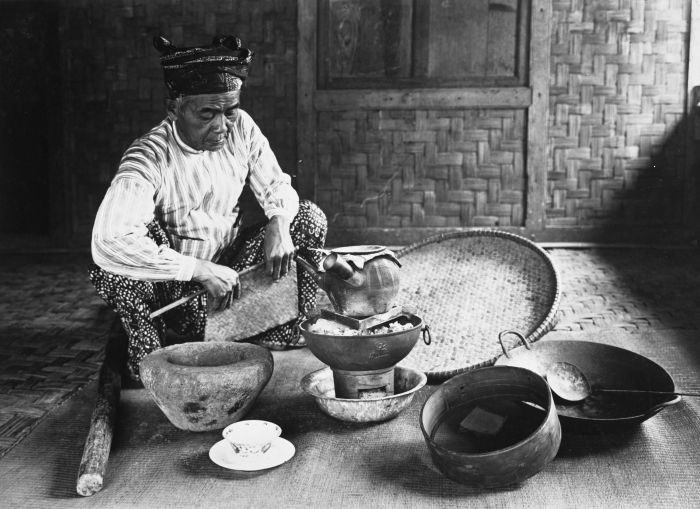 🇮🇩 Indonesia and 2 moreDukun
A traditional healer and spirit medium in Indonesian folk practiceTradition · Healing · Seeing and foretelling Living
🇬🇧 United KingdomGlaistig
A Scottish shape-shifting spirit linked to cattle, deer, and haunted castles.Being · Protection · Cursing and harm Legendary
🇮🇩 Indonesia and 2 moreDukun
A traditional healer and spirit medium in Indonesian folk practiceTradition · Healing · Seeing and foretelling Living
🇬🇧 United KingdomGlaistig
A Scottish shape-shifting spirit linked to cattle, deer, and haunted castles.Being · Protection · Cursing and harm Legendary
 🇮🇷 Iran and 1 moreJinnجِنّ
Supernatural beings in Islamic and pre-Islamic Arabian belief, created from smokeless fire.Being · Protection · Cursing and harm Living
🇮🇷 Iran and 1 moreJinnجِنّ
Supernatural beings in Islamic and pre-Islamic Arabian belief, created from smokeless fire.Being · Protection · Cursing and harm Living