Traditions and systems
Whole bodies of practice: Vodou, shamanism, hoodoo, Wicca, onmyodo, Ifa and the rest.
A tradition is a whole body of magical practice with its own teachers, vocabulary and rules, as distinct from a single charm or rite. Ifa in West Africa, Vodou in Haiti, Tibetan Buddhist ritual, Wicca in Britain and America, and Siberian shamanism are all traditions in this sense. Some are living religions, some are modern inventions, and some survive only in fragments. This page looks at how they differ and what each label hides. Each is described here in its own terms wherever the community has chosen to share them.
Who holds them
A tradition has keepers. In Ifa, a babalawo trains for years and memorises the verses of Odu. In Haitian Vodou, a houngan or mambo is initiated within a house and a lineage. Wicca, by contrast, grew from the writings of Gerald Gardner in the 1950s and spreads by books and covens. Access varies: some traditions are open, some require initiation, and some are closed to outsiders by the community's own rule.
Names that mislead
Outsiders have often given traditions names their keepers did not choose. Colonial officials and missionaries called African and Indigenous religions fetishism, witchcraft or devil worship. The word voodoo, borrowed from the Haitian religion, became a stock horror image, while practitioners say Vodou. Many people also reject the word magic for what they see as plain religion, worship of ancestors or medicine of the land. Some are written down in long poems or scriptures, while others are carried only in memory, song and apprenticeship, which affects how outsiders can study them.
How states treat them
Treatment ranges from protection to prohibition. Haiti recognised Vodou as a religion in 2003. Britain repealed its Witchcraft Act only in 1951. Several African and Pacific states still prosecute witchcraft accusations, and Saudi Arabia has executed people for sorcery. Many traditions were absorbed rather than banned: Santeria wore the faces of Catholic saints, and Taoist ritual was licensed by Chinese emperors. Recognition on paper does not end prejudice: a faith can be legal under a constitution and still be mocked, taxed or policed at local level.
Scholars and sceptics
Anthropologists such as Evans-Pritchard, who studied the Azande in the 1930s, described magic as a coherent system of explanation, not stupidity. Historians stress that boundaries between religion, magic and science were drawn by particular people for particular reasons. Sceptics point out that tests of efficacy have found no effect beyond expectation. Many tradition-bearers answer that the question misses what the practice is for. Folklorists add that traditions are always changing, with no pure original to return to, and that revival is itself a form of change.
Tradition on EveryJaadu
The entries written up so far, best known first.
 🇦🇷 Argentina and 2 moreSan La Muerte
A skeletal folk saint venerated in South America for protection and favorsTradition · Protection · Healing Living
 🇪🇪 Estonia and 1 moreEstonian mythologyeesti mütoloogia
The pre-Christian beliefs and legends of the Estonian peopleTradition · Protection · Speaking with spirits and the dead Historical
 🇫🇷 France and 1 moreDruiddruides
A learned priestly class of the ancient Celts in Gaul and BritainTradition · Cursing and harm · Protection Historical
 🇮🇳 IndiaLeft-Hand and Right-Hand Paths
Two distinct orientations in occult magic, dividing taboo-breaking from orthodoxy.Tradition · Change and initiation · Power and authority Living
 🇮🇳 India and 7 moreMakar Sankrantiमकरसङ्क्रान्ति
A solar festival marking the sun's northward shift and the winter harvest across South Asia.Tradition · Speaking with spirits and the dead Living
 🇩🇿 Algeria and 1 moreAhmad al-Buniأحمد البوني المالكي
A medieval Sufi scholar known for works on letter mysticism and talismansText · Power and authority · Seeing and foretelling Historical
🇫🇯 FijiFijian mythology
The traditional beliefs and stories of the indigenous people of FijiTradition · Speaking with spirits and the dead Living
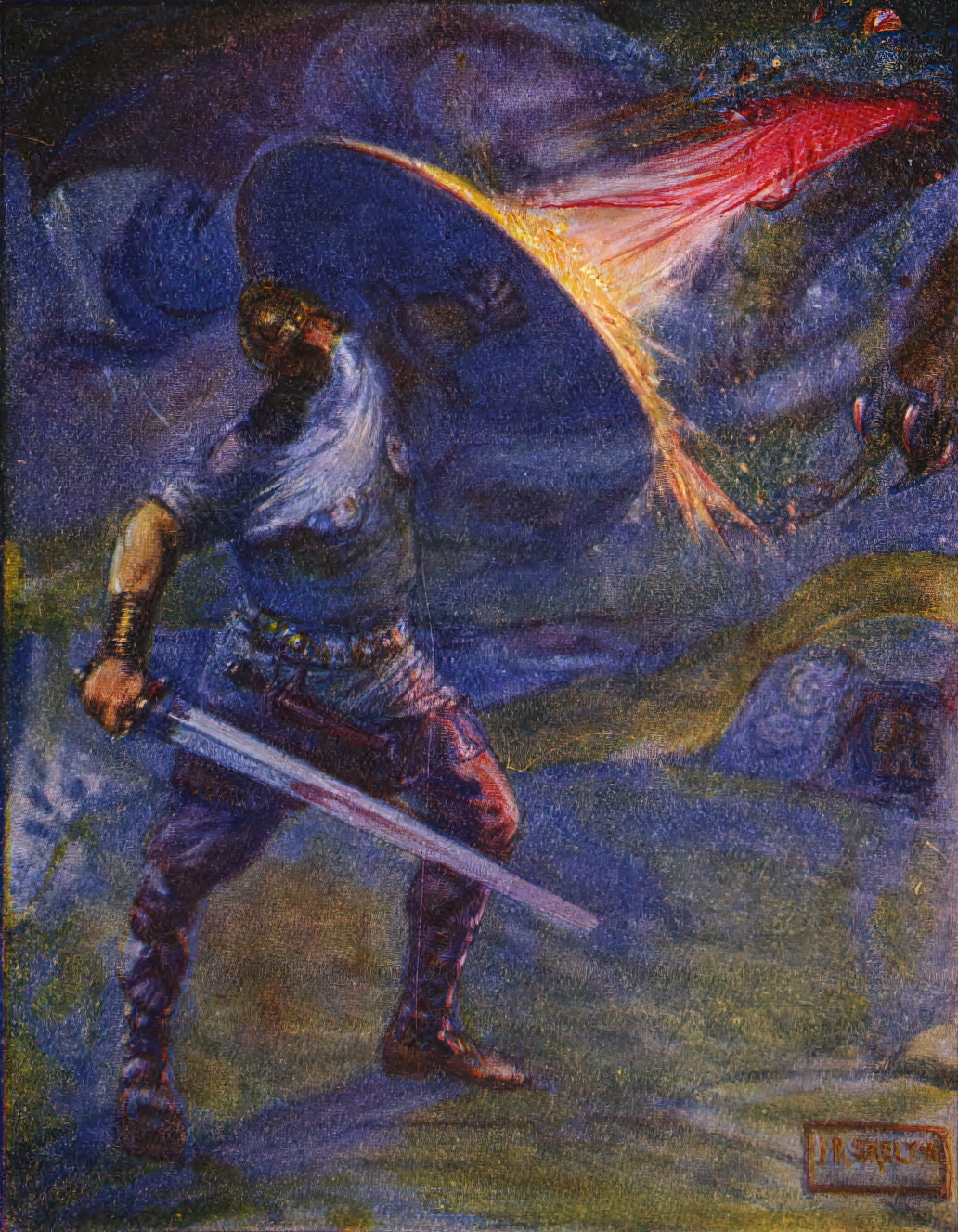 🇬🇧 United KingdomEnglish folklore
The myths, legends, and customs of England passed down through generations.Tradition · Protection · Cursing and harm Living
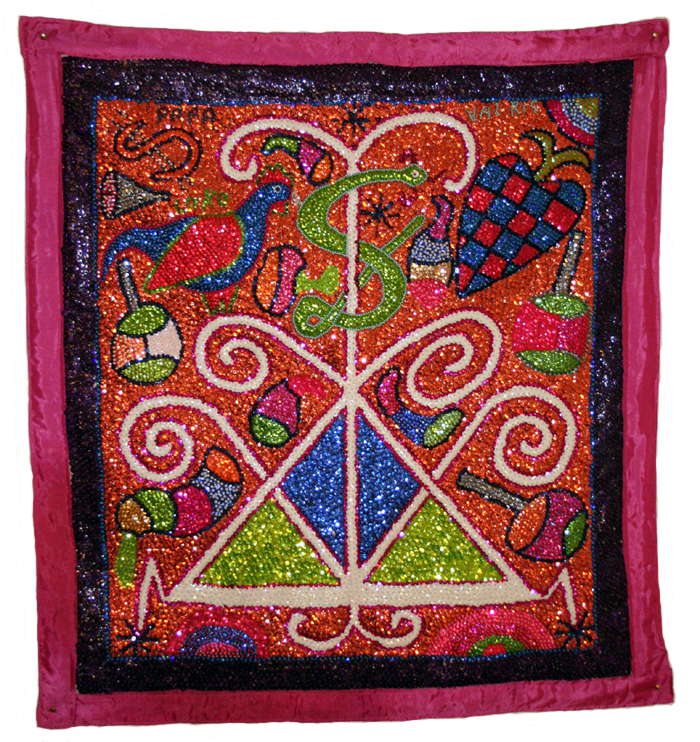 🇭🇹 Haiti and 2 moreHaitian VodouVodou
An Afro-Haitian religion blending West African traditions with Catholicism and FreemasonryTradition · Protection · Healing Living
 🇬🇷 Greece and 5 moreCrossroads (folklore)
A junction between worlds where spirits are met and deals are madeBelief · Speaking with spirits and the dead · Cursing and harm Living
🇯🇵 JapanNoro祝女
Ryukyuan village priestesses who tend sacred hearths and utaki shrinesTradition · Speaking with spirits and the dead · Protection Fading
 🇲🇬 Madagascar and 4 moreGeomancy
A cross-cultural system of divination using earth, sand, and landforms to read the future or align spaces.Oracle · Seeing and foretelling · Power and authority Living
 🇨🇳 China and 2 moreMenshen門神
Guardian figures pasted to doors in Chinese folk religion to protect homes from evil.Belief · Protection · Luck and prosperity Living
 🇯🇵 JapanOnmyōdō陰陽道
A Japanese system of divination and ritual based on celestial patterns and elemental balanceTradition · Protection · Seeing and foretelling Revived
🇯🇲 Jamaica and 1 moreMyal
An Afro-Jamaican healing tradition rooted in Arawak and Akan spiritualityTradition · Healing · Protection Living
 🇪🇬 Egypt and 2 moreNatural magic
A historical tradition exploring hidden forces in the physical worldTradition · Seeing and foretelling · Power and authority Historical
🇨🇳 China and 3 moreZi Wei Dou Shu紫微斗數
A Chinese natal astrology system mapping stars across twelve life palacesTradition · Seeing and foretelling Living
 🇯🇵 JapanMount Osore恐山
A volcanic pilgrimage site in Japan believed to be a gateway to the underworldTradition · Speaking with spirits and the dead · Protection Living
 🇮🇹 ItalyEtruscan religion
The polytheistic beliefs and divination practices of the ancient Etruscans of ItalyTradition · Seeing and foretelling · Speaking with spirits and the dead Historical
🇬🇧 United Kingdom and 4 moreTelling the bees
A Western European custom of informing hives about major household eventsTradition · Protection · Luck and prosperity Living
 🇺🇸 United StatesNavajo medicine
Traditional healing practices of the Navajo people focused on restoring harmonyTradition · Healing · Protection Living
 🇮🇷 Iran and 4 moreChaharshanbe Suriچهارشنبهسوری
An Iranian fire festival marking the end of winter and the eve of NowruzTradition · Luck and prosperity · Speaking with spirits and the dead Living
 🇺🇸 United States and 1 moreOjibwe religion
The traditional spiritual practices of the Ojibwe people of North AmericaTradition · Healing · Luck and prosperity Living
 🇬🇧 United Kingdom and 3 moreWelsh mythologyY Chwedlau
The ancient legends of Wales and the Celtic Britons, preserved in medieval manuscripts.Tradition · Wonder and entertainment Historical
 🇬🇷 Greece and 2 moreAstragalomancy
Divination by casting marked bones, carved rods, or numbered diceOracle · Seeing and foretelling · Speaking with spirits and the dead Living
 🇳🇬 NigeriaOsun-Osogbo Sacred GroveOsun-Osogbo
A sacred forest in Nigeria dedicated to the river goddess Osun, celebrated with an annual festival.Tradition · Speaking with spirits and the dead · Protection Living
 🇧🇴 Bolivia and 1 moreEkekoIqiqu
An Andean deity of abundance and prosperity, central to the Alasitas festival.Being · Luck and prosperity · Power and authority Living
 🇩🇪 Germany and 2 moreFranz Anton Mesmer
A German physician who proposed a universal fluid of natural energy and founded mesmerism.Tradition · Healing Historical
 🇯🇵 Japan and 3 moreObonお盆
A Japanese Buddhist festival honoring the spirits of ancestors through dance and offeringsTradition · Speaking with spirits and the dead · Luck and prosperity Living
 🇹🇭 ThailandSongkranสงกรานต์
The Thai solar New Year marked by water rituals and sand pagodasTradition · Cleansing and purification · Luck and prosperity Living
 🇨🇺 Cuba and 5 morePalo
An Afro-Cuban religion centered on spirit vessels and ancestral powerTradition · Healing · Cursing and harm Living
 🇮🇳 India and 5 moreShakta pithasशाक्त पीठ (Śākta Pīṭha)
Sacred shrines in Shaktism marking where parts of the goddess Sati fell to earth.Tradition · Speaking with spirits and the dead · Power and authority Living
 🇨🇳 China and 2 moreDiyu地獄
The underworld realm of trial, atonement, and rebirth in Chinese mythologyBelief · Cleansing and purification · Change and initiation Living
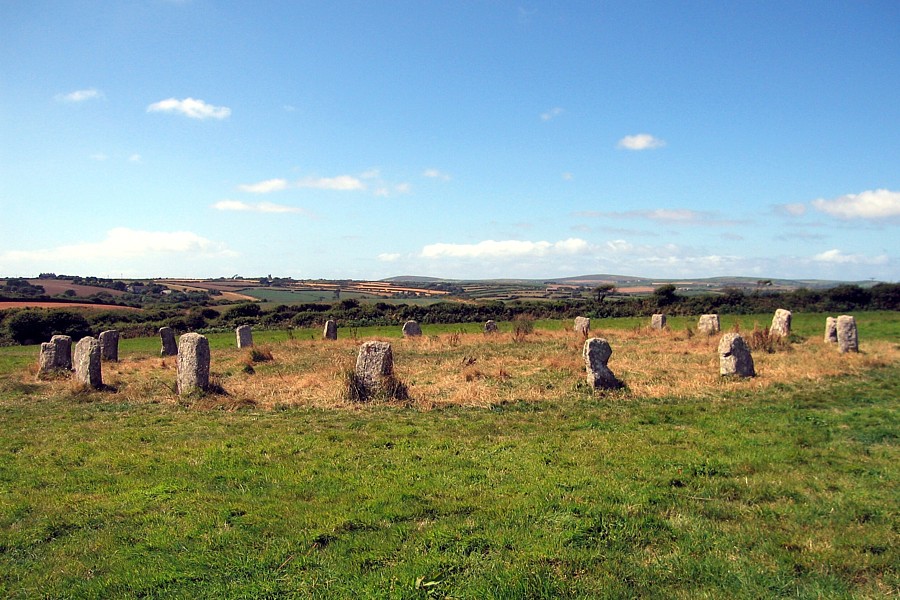 🇬🇧 United KingdomCornish mythology
The folk tales and legends of Cornwall, shared with Brittany and Wales.Tradition · Wonder and entertainment Historical
 🇲🇳 Mongolia and 2 moreMongolian shamanismBöö Mörgöl
The animistic and shamanic ethnic religion of the Mongols, involving spirit worship and ritual intercession.Tradition · Protection · Healing Living
🇯🇵 JapanYutaユタ
Okinawan folk shamans who guide families through spirits and fortune-tellingTradition · Protection · Healing Living
 🇮🇳 IndiaTheyyam
A ritual dance from Kerala where performers embody deities through elaborate costume and songTradition · Speaking with spirits and the dead · Change and initiation Living
 🇮🇳 India and 5 moreMandalaमण्डल
A sacred geometric design used in Indian religions for meditation and spiritual mapping.Tradition · Speaking with spirits and the dead · Wonder and entertainment Living
 🇵🇪 Peru and 5 morePalo Santo
Aromatic wood used in South American ritual cleansing and folk medicineSubstance · Cleansing and purification · Healing Living
🇮🇪 IrelandIrish folklorebéaloideas
The oral traditions, myths and customs of IrelandTradition · Wonder and entertainment Living
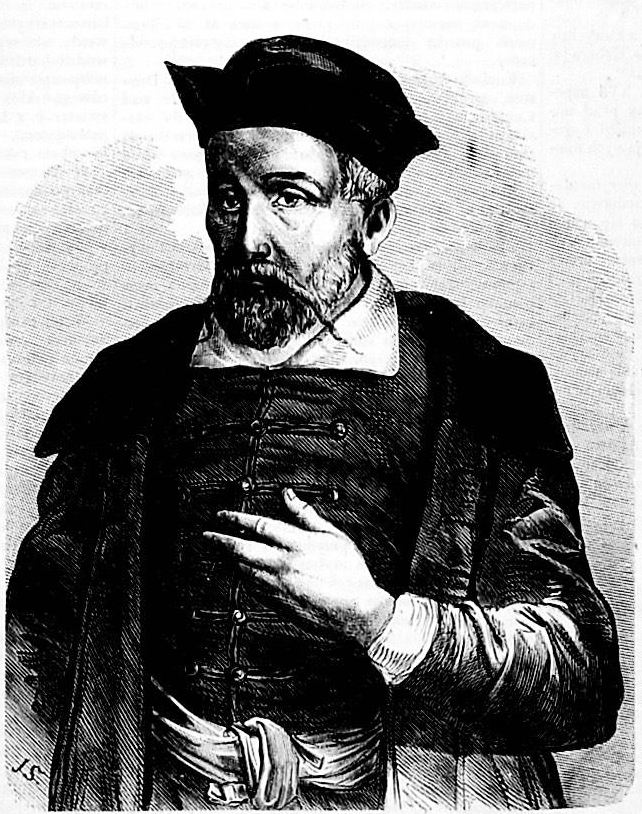 🇵🇱 Poland and 1 moreMichael SendivogiusMichał Sędziwój
A Polish alchemist who discovered oxygen and wrote on the 'food of life'Text · Power and authority · Change and initiation Historical
 🇮🇳 IndiaKamakhya Templekamakhya mondir
A Hindu temple in Assam known for its yoni shrine and the Ambubachi Mela festivalTradition · Protection · Healing Living
🇬🇧 United KingdomCharmer
English folk healers who used gifts or verses to treat natural ailments without chargeTradition · Healing Historical
 🇺🇸 United States and 4 moreRainmaking
Efforts to induce rain through technology, ritual, or prayer.Tradition · Protection · Healing Living
 🇨🇳 ChinaWaidan外丹
An early Chinese alchemical practice focused on compounding mineral elixirs for immortality.Tradition Historical
 🇮🇳 IndiaKavu
Sacred forest patches in South India that protect local deities and biodiversityTradition · Protection · Speaking with spirits and the dead Living
 🇿🇦 South Africa and 4 moreWitch doctor
A traditional healer who identifies supernatural causes of illness and performs rituals to restore balance.Tradition · Healing · Protection Living
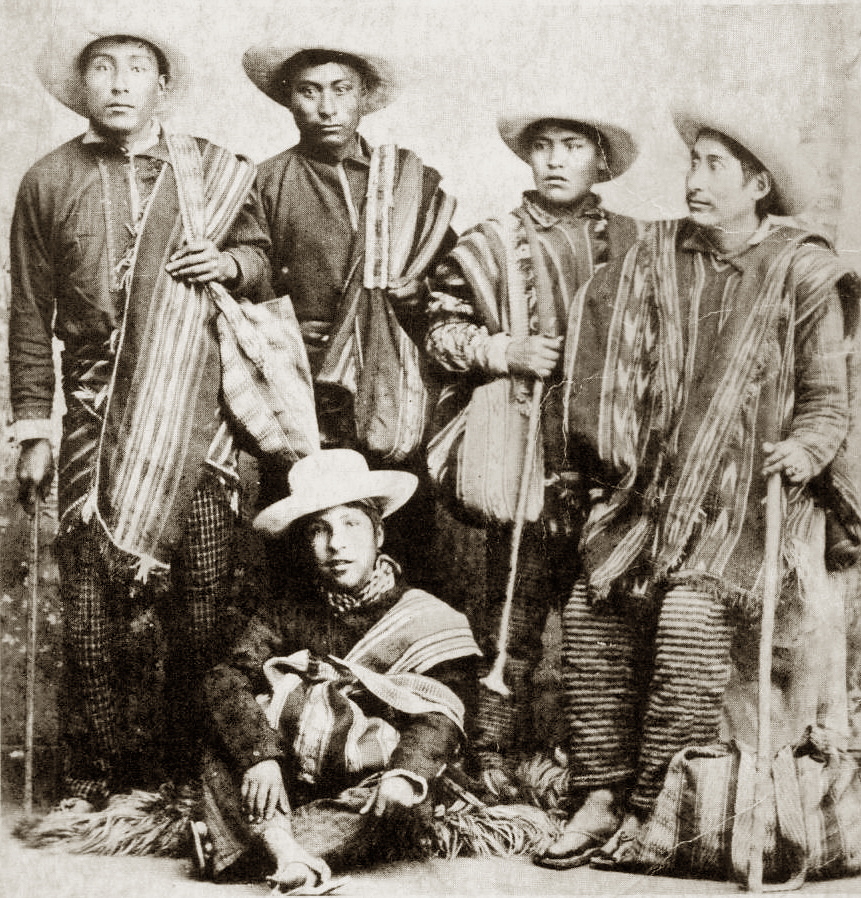 🇧🇴 Bolivia and 5 moreKallawaya
An itinerant group of traditional Andean healers known for their medicinal plant knowledge and ritual practicesTradition · Healing · Protection Living
Photo credits on this page
The small pictures above come from Wikimedia Commons under free licences. Some are cropped to fit.
- English folklore: J. R. Skelton, Public domain, source
- Mandala: Marion Golsteijn, CC BY-SA 3.0, source
- Witch doctor: Lucjan Wędrychowski, Public domain, source
- Druid: Bernard de Montfaucon, Public domain, source
- Crossroads (folklore): MiddleOfAfrica, CC BY-SA 4.0, source
- Mount Osore: Douglas P Perkins ( Douglaspperkins ( talk )), CC BY 3.0, source
- Navajo medicine: Edward S. Curtis, Public domain, source
- Osun-Osogbo Sacred Grove: Cheeka 2.0, CC BY-SA 4.0, source
- Franz Anton Mesmer: Unknown author, CC BY 4.0, source
- Obon: Batholith, Public domain, source
- Shakta pithas: Abhishek Chandra, Public domain, source
- Theyyam: Shagil Kannur, CC BY-SA 4.0, source
- Palo Santo: Haplochromis, CC BY-SA 3.0, source
- Waidan: 尹真人, Public domain, source
- Abe no Seimei: Unknown author, Public domain, source
- Baphomet: Eliphas Levi, Public domain, source
- San La Muerte: Sergio Serrano, CC BY-SA 2.0, source
- Estonian mythology: Jeannette Berkowitz (illustrator), Public domain, source
- Makar Sankranti: Saloni Desai, CC BY-SA 2.0, source
- Ahmad al-Buni: Khalili Collections, CC BY-SA 3.0 igo, source
- Haitian Vodou: Sam Fentress, CC BY-SA 2.0, source
- Geomancy: Jacopo188, CC BY-SA 3.0, source
- Menshen: Taiwankengo, CC BY-SA 3.0, source
- Natural magic: Unidentified painter, Public domain, source
- Etruscan religion: sailko, CC BY 2.5, source
- Ojibwe religion: Ryan Hodnett, CC BY-SA 4.0, source
- Welsh mythology: Unknown author, Public domain, source
- Ekeko: Ciudades, CC BY-SA 4.0, source
- Palo: Burkhard Mücke, CC BY-SA 4.0, source
- Diyu: ScribblingGeek, CC BY-SA 4.0, source
- Cornish mythology: waterborough, Public domain, source
- Mongolian shamanism: Enrique Bendicho, CC BY-SA 4.0, source
- Michael Sendivogius: Łuszczkiewicz, Public domain, source
- Kamakhya Temple: JyotiPN, CC BY-SA 4.0, source
- Rainmaking: George Catlin, Public domain, source
- Kallawaya: Unknown author, Public domain, source
- Chaharshanbe Suri: Philippe Giabbanelli, CC BY 3.0, source
- Songkran: ผู้สร้างสรรค์ผลงาน/ส่งข้อมูลเก็บในคลังข้อมูลเสรีวิกิมีเดียคอมมอนส์ - เ, CC BY 3.0, source
- Kavu: Ashwin.appus, CC BY-SA 4.0, source
- Astragalomancy: Roland zh, CC BY-SA 3.0, source