Traditions and systems
Whole bodies of practice: Vodou, shamanism, hoodoo, Wicca, onmyodo, Ifa and the rest.
A tradition is a whole body of magical practice with its own teachers, vocabulary and rules, as distinct from a single charm or rite. Ifa in West Africa, Vodou in Haiti, Tibetan Buddhist ritual, Wicca in Britain and America, and Siberian shamanism are all traditions in this sense. Some are living religions, some are modern inventions, and some survive only in fragments. This page looks at how they differ and what each label hides. Each is described here in its own terms wherever the community has chosen to share them.
Who holds them
A tradition has keepers. In Ifa, a babalawo trains for years and memorises the verses of Odu. In Haitian Vodou, a houngan or mambo is initiated within a house and a lineage. Wicca, by contrast, grew from the writings of Gerald Gardner in the 1950s and spreads by books and covens. Access varies: some traditions are open, some require initiation, and some are closed to outsiders by the community's own rule.
Names that mislead
Outsiders have often given traditions names their keepers did not choose. Colonial officials and missionaries called African and Indigenous religions fetishism, witchcraft or devil worship. The word voodoo, borrowed from the Haitian religion, became a stock horror image, while practitioners say Vodou. Many people also reject the word magic for what they see as plain religion, worship of ancestors or medicine of the land. Some are written down in long poems or scriptures, while others are carried only in memory, song and apprenticeship, which affects how outsiders can study them.
How states treat them
Treatment ranges from protection to prohibition. Haiti recognised Vodou as a religion in 2003. Britain repealed its Witchcraft Act only in 1951. Several African and Pacific states still prosecute witchcraft accusations, and Saudi Arabia has executed people for sorcery. Many traditions were absorbed rather than banned: Santeria wore the faces of Catholic saints, and Taoist ritual was licensed by Chinese emperors. Recognition on paper does not end prejudice: a faith can be legal under a constitution and still be mocked, taxed or policed at local level.
Scholars and sceptics
Anthropologists such as Evans-Pritchard, who studied the Azande in the 1930s, described magic as a coherent system of explanation, not stupidity. Historians stress that boundaries between religion, magic and science were drawn by particular people for particular reasons. Sceptics point out that tests of efficacy have found no effect beyond expectation. Many tradition-bearers answer that the question misses what the practice is for. Folklorists add that traditions are always changing, with no pure original to return to, and that revival is itself a form of change.
Tradition on EveryJaadu
The entries written up so far, best known first.
 🇮🇳 India and 5 moreAstrology
A divinatory practice that reads human fate through the positions of celestial bodies.Belief · Seeing and foretelling · Luck and prosperity Living
🇮🇳 India and 5 moreAstrology
A divinatory practice that reads human fate through the positions of celestial bodies.Belief · Seeing and foretelling · Luck and prosperity Living
 🇫🇷 France and 2 moreÉliphas Lévi
A French writer who shaped modern occult thought and ceremonial magic.Text · Power and authority · Speaking with spirits and the dead Historical
🇫🇷 France and 2 moreÉliphas Lévi
A French writer who shaped modern occult thought and ceremonial magic.Text · Power and authority · Speaking with spirits and the dead Historical
 🇮🇶 IraqBabylonian astrology
The first organized system of celestial divination in the ancient Near EastTradition · Protection · Seeing and foretelling Historical
🇮🇶 IraqBabylonian astrology
The first organized system of celestial divination in the ancient Near EastTradition · Protection · Seeing and foretelling Historical
 🇿🇦 South AfricaSympathetic magic
A magical principle based on imitation and contact to influence the worldTradition · Protection · Healing Historical
🇿🇦 South AfricaSympathetic magic
A magical principle based on imitation and contact to influence the worldTradition · Protection · Healing Historical
 🇮🇳 IndiaKapalikaकापालिक
A medieval Indian Shaivite ascetic order known for wearing skulls and transgressive ritualsTradition · Power and authority Historical
🇮🇳 IndiaPashupata Shaivismपाशुपत
An early Hindu ascetic school focused on liberation through ritual and devotion to ShivaTradition · Cursing and harm · Power and authority Historical
🇮🇳 IndiaKapalikaकापालिक
A medieval Indian Shaivite ascetic order known for wearing skulls and transgressive ritualsTradition · Power and authority Historical
🇮🇳 IndiaPashupata Shaivismपाशुपत
An early Hindu ascetic school focused on liberation through ritual and devotion to ShivaTradition · Cursing and harm · Power and authority Historical
 🇮🇳 India and 1 moreYoginiयोगिनी
A female master of yoga and tantra, or a fierce goddess aspect in Indian temples.Tradition · Power and authority · Protection Historical
🇮🇳 India and 1 moreYoginiयोगिनी
A female master of yoga and tantra, or a fierce goddess aspect in Indian temples.Tradition · Power and authority · Protection Historical
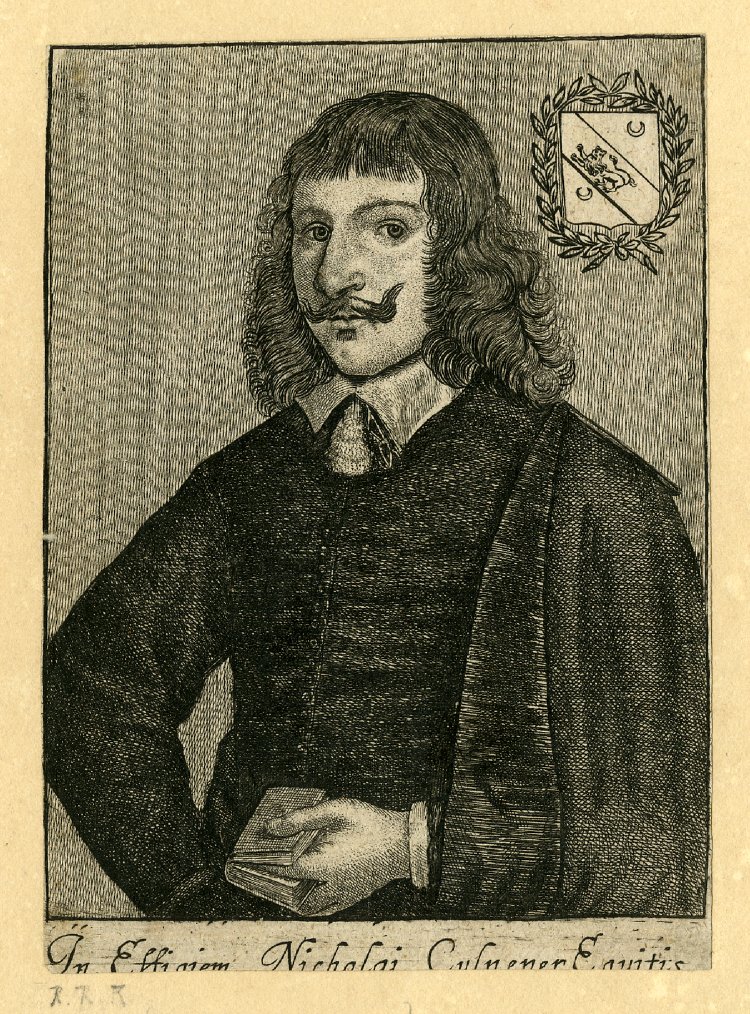 🇬🇧 United Kingdom and 1 moreNicholas Culpeper
An English herbalist and astrologer who translated medical texts into English for the poor.Text · Healing · Power and authority Historical
🇬🇧 United Kingdom and 1 moreNicholas Culpeper
An English herbalist and astrologer who translated medical texts into English for the poor.Text · Healing · Power and authority Historical
 🇬🇧 United Kingdom and 5 moreAleister Crowley
English occultist and founder of the religion of ThelemaText · Power and authority · Change and initiation Living
🇬🇧 United Kingdom and 5 moreAleister Crowley
English occultist and founder of the religion of ThelemaText · Power and authority · Change and initiation Living
 🇮🇳 India and 1 moreAshtamangalaअष्टमङ्गल
A set of eight sacred symbols used in Indian religions to mark auspicious occasions and teach spiritual truths.Tradition · Power and authority · Wonder and entertainment Living
🇮🇳 India and 1 moreAshtamangalaअष्टमङ्गल
A set of eight sacred symbols used in Indian religions to mark auspicious occasions and teach spiritual truths.Tradition · Power and authority · Wonder and entertainment Living
 🇮🇷 Iran and 5 moreMagi
Priests of Zoroastrianism and the figures who inspired the word for magicTradition · Seeing and foretelling · Power and authority Living
🇮🇷 Iran and 5 moreMagi
Priests of Zoroastrianism and the figures who inspired the word for magicTradition · Seeing and foretelling · Power and authority Living
 🇮🇩 IndonesiaNyepiᬜᬾᬧᬶ
A Balinese day of total silence, fasting, and self-reflection to mark the new year.Rite · Cleansing and purification · Speaking with spirits and the dead Living
🇮🇩 IndonesiaNyepiᬜᬾᬧᬶ
A Balinese day of total silence, fasting, and self-reflection to mark the new year.Rite · Cleansing and purification · Speaking with spirits and the dead Living
 🇰🇭 Cambodia and 3 moreSak Yantសាក់យ័ន្ត
A Southeast Asian tattoo tradition using sacred geometry for protection and powerTradition · Protection · Luck and prosperity Living
🇰🇭 Cambodia and 3 moreSak Yantសាក់យ័ន្ត
A Southeast Asian tattoo tradition using sacred geometry for protection and powerTradition · Protection · Luck and prosperity Living
 🇮🇳 India and 4 moreTantraतन्त्र
An esoteric yogic tradition from India focusing on ritual, mantra, and body-based spiritual practices.Tradition · Power and authority · Change and initiation Living
🇮🇳 India and 4 moreTantraतन्त्र
An esoteric yogic tradition from India focusing on ritual, mantra, and body-based spiritual practices.Tradition · Power and authority · Change and initiation Living
 🇮🇳 IndiaHindu astrologyज्योतिष (Jyotiṣa)
A traditional Hindu system of astrology and timekeeping rooted in the VedasTradition · Seeing and foretelling · Luck and prosperity Living
🇮🇳 IndiaHindu astrologyज्योतिष (Jyotiṣa)
A traditional Hindu system of astrology and timekeeping rooted in the VedasTradition · Seeing and foretelling · Luck and prosperity Living
 🇦🇺 Australia and 1 moreTattoo
A permanent mark made by placing pigment under the skin to form a design.Tradition · Protection · Power and authority Living
🇦🇺 Australia and 1 moreTattoo
A permanent mark made by placing pigment under the skin to form a design.Tradition · Protection · Power and authority Living
 🇬🇧 United KingdomEnochian magic
A Renaissance system of ceremonial magic based on angelic revelations recorded by John Dee and Edward Kelley.Tradition · Speaking with spirits and the dead · Power and authority Living
🇬🇧 United KingdomEnochian magic
A Renaissance system of ceremonial magic based on angelic revelations recorded by John Dee and Edward Kelley.Tradition · Speaking with spirits and the dead · Power and authority Living
 🇮🇳 India and 2 moreYantraयन्त्र
A geometric diagram from Indian traditions used for worship and meditationTradition · Protection · Speaking with spirits and the dead Living
🇮🇳 India and 2 moreYantraयन्त्र
A geometric diagram from Indian traditions used for worship and meditationTradition · Protection · Speaking with spirits and the dead Living
 🇵🇭 PhilippinesPhilippine mythology
The indigenous myths and spirits of the Philippines, shaped by centuries of trade and colonial contact.Tradition · Speaking with spirits and the dead · Power and authority Living
🇵🇭 PhilippinesPhilippine mythology
The indigenous myths and spirits of the Philippines, shaped by centuries of trade and colonial contact.Tradition · Speaking with spirits and the dead · Power and authority Living
 🇨🇳 China and 5 moreFeng shui風水
A Chinese geomantic practice for aligning structures with cosmic energyTradition · Protection · Luck and prosperity Living
🇫🇮 Finland and 1 moreFinnic mythologies
The traditional beliefs and spiritual practices of the Finnic-speaking peoples of northern Eurasia.Tradition · Speaking with spirits and the dead · Power and authority Living
🇨🇳 China and 5 moreFeng shui風水
A Chinese geomantic practice for aligning structures with cosmic energyTradition · Protection · Luck and prosperity Living
🇫🇮 Finland and 1 moreFinnic mythologies
The traditional beliefs and spiritual practices of the Finnic-speaking peoples of northern Eurasia.Tradition · Speaking with spirits and the dead · Power and authority Living
 🇳🇿 New Zealand and 5 moreFace tattoo
Marks inked on the face for spiritual protection, identity, rank, and rite of passageTradition · Protection · Power and authority Living
🇳🇿 New Zealand and 5 moreFace tattoo
Marks inked on the face for spiritual protection, identity, rank, and rite of passageTradition · Protection · Power and authority Living
 🇳🇬 Nigeria and 5 moreIfá
A Yoruba divination system using palm nuts to access spiritual guidanceTradition · Seeing and foretelling · Speaking with spirits and the dead Living
🇳🇬 Nigeria and 5 moreIfá
A Yoruba divination system using palm nuts to access spiritual guidanceTradition · Seeing and foretelling · Speaking with spirits and the dead Living
 🇨🇳 ChinaNeidan内丹
A Taoist practice using the body as a cauldron to refine inner energies for longevity and immortalityTradition · Healing · Power and authority Living
🇿🇦 South Africa and 1 moreRain Queen
A hereditary queen of the Balobedu people believed to control rainfall in South AfricaTradition · Protection · Power and authority Living
🇨🇳 ChinaNeidan内丹
A Taoist practice using the body as a cauldron to refine inner energies for longevity and immortalityTradition · Healing · Power and authority Living
🇿🇦 South Africa and 1 moreRain Queen
A hereditary queen of the Balobedu people believed to control rainfall in South AfricaTradition · Protection · Power and authority Living
 🇪🇬 Egypt and 5 moreSacred dance
Movement used in worship to honour deities, heal communities, or connect with the spirit world.Tradition · Protection · Healing Living
🇪🇬 Egypt and 5 moreSacred dance
Movement used in worship to honour deities, heal communities, or connect with the spirit world.Tradition · Protection · Healing Living
 🇨🇳 China and 1 moreLuoshu Square洛書
An ancient Chinese three-by-three magic square linked to geomancy and numerologyTradition · Power and authority · Wonder and entertainment Historical
🇨🇳 China and 1 moreLuoshu Square洛書
An ancient Chinese three-by-three magic square linked to geomancy and numerologyTradition · Power and authority · Wonder and entertainment Historical
 🇮🇸 Iceland and 2 moreSeiðr
A Norse magic of fate and spirit, practiced by seers and sorcerers in the Viking Age.Tradition · Seeing and foretelling · Cursing and harm Revived
🇮🇸 Iceland and 2 moreSeiðr
A Norse magic of fate and spirit, practiced by seers and sorcerers in the Viking Age.Tradition · Seeing and foretelling · Cursing and harm Revived
Photo credits on this page
The small pictures above come from Wikimedia Commons under free licences. Some are cropped to fit.
- Luoshu Square: An unknown Tibetan artist, Public domain, source
- Kaula: Joshua Jonathan, CC0, source
- Aleister Crowley: Aleister Crowley, Public domain, source
- Ashtamangala: Redtigerxyz, CC BY-SA 3.0, source
- Magi: Colijn de Coter, CC0, source
- Éliphas Lévi: Eliphas Lévi [1810-1875], Public domain, source
- Astrology: Wilfredor, CC0, source
- Nyepi: Matt Croxson, Public domain, source
- Sak Yant: Mikhailovich, CC BY 3.0, source
- Tantra: William Clark, Public domain, source
- Hindu astrology: Unknown author, CC BY 4.0, source
- Babylonian astrology: editor Austen Henry Layard , drawing by L. Gruner, Public domain, source
- Seiðr: John Bauer, Public domain, source
- Tattoo: Muyayo tattoo, CC BY-SA 3.0, source
- Sympathetic magic: Marie-Lan Nguyen, CC BY 2.5, source
- Enochian magic: The .:X, CC BY-SA 3.0, source
- Yantra: Photo by Daniel Conrad (Chromacon), artwork by Daniel Conrad under dir, Public domain, source
- Philippine mythology: The original uploader was Rodsan18 at English Wikipedia . ( Original t, CC BY 2.5, source
- Feng shui: Unknown author, Public domain, source
- Yogini: Soumendra Barik, CC BY-SA 3.0, source
- Face tattoo: Gottfried Lindauer, Public domain, source
- Ifá: Toluaye, Public domain, source
- Neidan: A16898, CC BY-SA 4.0, source
- Sacred dance: Jorge Barrios, CC BY-SA 3.0, source
- Nicholas Culpeper: Richard Gaywood, Public domain, source