Traditions and systems
Whole bodies of practice: Vodou, shamanism, hoodoo, Wicca, onmyodo, Ifa and the rest.
A tradition is a whole body of magical practice with its own teachers, vocabulary and rules, as distinct from a single charm or rite. Ifa in West Africa, Vodou in Haiti, Tibetan Buddhist ritual, Wicca in Britain and America, and Siberian shamanism are all traditions in this sense. Some are living religions, some are modern inventions, and some survive only in fragments. This page looks at how they differ and what each label hides. Each is described here in its own terms wherever the community has chosen to share them.
Who holds them
A tradition has keepers. In Ifa, a babalawo trains for years and memorises the verses of Odu. In Haitian Vodou, a houngan or mambo is initiated within a house and a lineage. Wicca, by contrast, grew from the writings of Gerald Gardner in the 1950s and spreads by books and covens. Access varies: some traditions are open, some require initiation, and some are closed to outsiders by the community's own rule.
Names that mislead
Outsiders have often given traditions names their keepers did not choose. Colonial officials and missionaries called African and Indigenous religions fetishism, witchcraft or devil worship. The word voodoo, borrowed from the Haitian religion, became a stock horror image, while practitioners say Vodou. Many people also reject the word magic for what they see as plain religion, worship of ancestors or medicine of the land. Some are written down in long poems or scriptures, while others are carried only in memory, song and apprenticeship, which affects how outsiders can study them.
How states treat them
Treatment ranges from protection to prohibition. Haiti recognised Vodou as a religion in 2003. Britain repealed its Witchcraft Act only in 1951. Several African and Pacific states still prosecute witchcraft accusations, and Saudi Arabia has executed people for sorcery. Many traditions were absorbed rather than banned: Santeria wore the faces of Catholic saints, and Taoist ritual was licensed by Chinese emperors. Recognition on paper does not end prejudice: a faith can be legal under a constitution and still be mocked, taxed or policed at local level.
Scholars and sceptics
Anthropologists such as Evans-Pritchard, who studied the Azande in the 1930s, described magic as a coherent system of explanation, not stupidity. Historians stress that boundaries between religion, magic and science were drawn by particular people for particular reasons. Sceptics point out that tests of efficacy have found no effect beyond expectation. Many tradition-bearers answer that the question misses what the practice is for. Folklorists add that traditions are always changing, with no pure original to return to, and that revival is itself a form of change.
Tradition on EveryJaadu
The entries written up so far, best known first.
 🇮🇶 Iraq and 4 moreAstrology
A system of divination that links human affairs to the positions of celestial bodiesTradition · Seeing and foretelling · Luck and prosperity Living
 🇮🇹 Italy and 3 moreSaturnalia
An ancient Roman winter festival of role reversal and feasting in honor of SaturnTradition · Luck and prosperity · Wonder and entertainment Historical
 🇵🇪 Peru and 5 morePalo Santo
Aromatic wood used in South American ritual cleansing and folk medicineSubstance · Cleansing and purification · Healing Living
 🇨🇳 China and 2 moreDiyu地獄
The underworld realm of trial, atonement, and rebirth in Chinese mythologyBelief · Cleansing and purification · Change and initiation Living
🇯🇵 JapanYutaユタ
Okinawan folk shamans who guide families through spirits and fortune-tellingTradition · Protection · Healing Living
 🇷🇴 Romania and 1 moreFolklore of RomaniaFolclorul românesc
The traditional stories, music and customs of the Romanian peopleTradition · Speaking with spirits and the dead · Wonder and entertainment Living
 🇪🇬 Egypt and 2 moreNatural magic
A historical tradition exploring hidden forces in the physical worldTradition · Seeing and foretelling · Power and authority Historical
 🇪🇹 Ethiopia and 5 moreZārزار (Arabic), ዛር (Ge'ez)
A spirit possession tradition and healing ritual in the Horn of Africa and Middle EastTradition · Healing · Speaking with spirits and the dead Living
 🇨🇳 China and 1 moreDongyue Dadi東嶽大帝
The Chinese mountain god of Mount Tai who rules lifespans and underworld recordsBeing · Speaking with spirits and the dead · Power and authority Living
 🇩🇪 Germany and 5 moreStraw bearStrohbär
A carnival figure wrapped in straw that visits homes for gifts and marks the turning of seasons.Tradition · Luck and prosperity · Cursing and harm Living
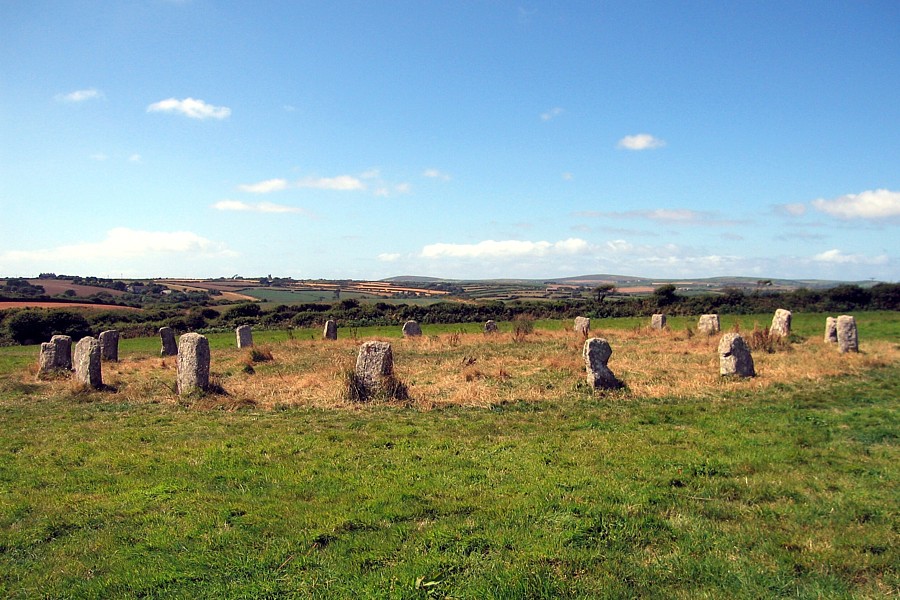 🇬🇧 United KingdomCornish mythology
The folk tales and legends of Cornwall, shared with Brittany and Wales.Tradition · Wonder and entertainment Historical
🇬🇧 United Kingdom and 4 moreTelling the bees
A Western European custom of informing hives about major household eventsTradition · Protection · Luck and prosperity Living
 🇸🇪 Sweden and 2 moreGermanic seeressvǫlva
Diviners and sorceresses of early Germanic and Norse societyTradition · Seeing and foretelling · Power and authority Revived
 🇬🇧 United Kingdom and 5 moreDruidry
A modern nature religion inspired by ancient Celtic priests and Romantic idealsTradition · Protection · Speaking with spirits and the dead Living
🇨🇳 China and 3 moreZi Wei Dou Shu紫微斗數
A Chinese natal astrology system mapping stars across twelve life palacesTradition · Seeing and foretelling Living
 🇪🇬 Egypt and 1 moreAncient Egyptian religion
Polytheistic worship, divine kingship, and funerary rites along the NileTradition · Protection · Speaking with spirits and the dead Historical
 🇮🇪 Ireland and 4 moreWinter solstice
The shortest day and longest night of the year, marked by rites of solar returnTradition · Seeing and foretelling · Protection Living
 🇿🇦 South Africa and 4 moreWitch doctor
A traditional healer who identifies supernatural causes of illness and performs rituals to restore balance.Tradition · Healing · Protection Living
 🇬🇹 GuatemalaMaximónRi Laj Mam
A Maya folk saint and trickster deity venerated in the Guatemalan HighlandsBeing · Protection · Healing Living
 🇲🇽 Mexico and 3 moreCurandero
A folk healer in Latin America and the United States who blends indigenous and Catholic traditions.Tradition · Healing · Protection Living
 🇯🇵 Japan and 2 moreTanabataたなばた (七夕)
A Japanese celebration of star-crossed lovers and written wishesTradition · Luck and prosperity · Wonder and entertainment Living
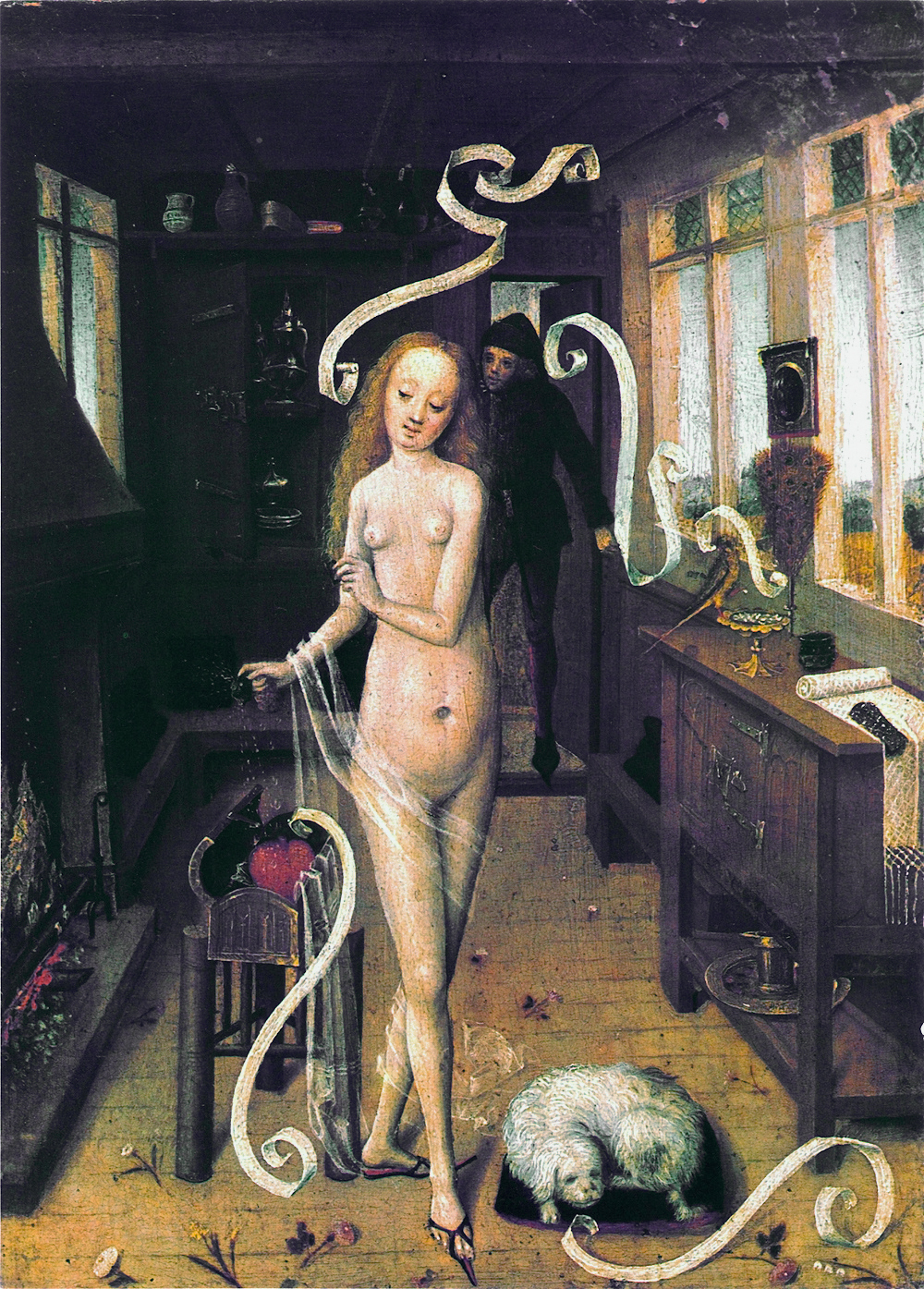 🇮🇶 Iraq and 5 moreLove magic
Rituals and spells used to attract, preserve, or end romantic relationships across many cultures.Tradition · Love and attraction · Cursing and harm Historical
 🇨🇳 China and 2 moreMenshen門神
Guardian figures pasted to doors in Chinese folk religion to protect homes from evil.Belief · Protection · Luck and prosperity Living
 🇬🇧 United Kingdom and 4 moreCorn dolly
A straw figure made from the last sheaf of a harvest to house the crop spiritTradition · Protection · Luck and prosperity Revived
 🇬🇷 Greece and 5 moreNecromancy
A form of divination that seeks to speak with the dead for hidden knowledge.Tradition · Seeing and foretelling · Power and authority Historical
 🇦🇷 Argentina and 2 moreSan La Muerte
A skeletal folk saint venerated in South America for protection and favorsTradition · Protection · Healing Living
 🇩🇪 Germany and 5 moreMaypoleMaibaum
A tall wooden pole raised for European spring festivals, accompanied by dance and celebration.Tradition · Luck and prosperity · Love and attraction Living
 🇩🇪 Germany and 2 moreFranz Anton Mesmer
A German physician who proposed a universal fluid of natural energy and founded mesmerism.Tradition · Healing Historical
 🇯🇵 Japan and 3 moreObonお盆
A Japanese Buddhist festival honoring the spirits of ancestors through dance and offeringsTradition · Speaking with spirits and the dead · Luck and prosperity Living
 🇮🇳 IndiaTheyyam
A ritual dance from Kerala where performers embody deities through elaborate costume and songTradition · Speaking with spirits and the dead · Change and initiation Living
 🇺🇸 United States and 4 moreRainmaking
Efforts to induce rain through technology, ritual, or prayer.Tradition · Protection · Healing Living
🇨🇱 ChileChilean mythology
The myths and legends of Chile, blending indigenous roots with colonial influences.Tradition · Wonder and entertainment Living
🇨🇳 China and 4 moreQimen Dunjia奇門遁甲
An ancient Chinese divination system mapping time and space for strategic decision-makingOracle · Seeing and foretelling · Power and authority Revived
🇵🇭 PhilippinesAlbularyo
A Filipino folk healer who uses herbs, massage, and rituals to treat illness.Tradition · Healing · Seeing and foretelling Living
🇬🇧 United Kingdom and 1 moreScottish folkloreBeul-aithris na h-Alba
The myths, creatures and beliefs of the Scottish people, recorded from ancient times to the present.Tradition · Seeing and foretelling · Protection Living
🇫🇷 France and 4 moreRéveillon
A long Christmas or New Year's Eve dinner held to stay awake until morningTradition · Luck and prosperity · Wonder and entertainment Living
 🇲🇽 Mexico and 5 moreFolk Catholicism
Local religious customs that blend official Church teaching with indigenous or regional traditions.Tradition · Protection · Healing Living
 🇨🇴 ColombiaColombian folklore
Beliefs and legends passed down through generations in ColombiaTradition · Wonder and entertainment Living
 🇰🇷 South KoreaJesa제사
A Korean ancestral memorial rite involving food offerings and ritual bowsRite · Speaking with spirits and the dead · Luck and prosperity Living
 🇨🇳 China and 5 moreQingming Festival清明节
A spring day for sweeping graves, feeding the dead and honouring ancestorsTradition · Speaking with spirits and the dead · Protection Living
🇵🇪 PeruVegetalismo
A Peruvian Amazon healing tradition rooted in plant spirits and ayahuasca ceremoniesTradition · Healing · Protection Living
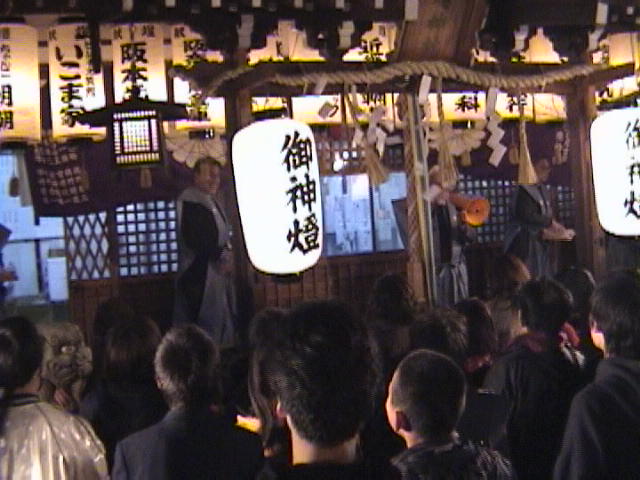 🇯🇵 Japan and 1 moreSetsubun節分
A Japanese seasonal rite to purge evil spirits and welcome spring with roasted soybeansRite · Protection · Luck and prosperity Living
 🇹🇹 Trinidad and Tobago and 3 moreCaribbean folklore
The blended tales and spirits of the Caribbean islandsTradition · Wonder and entertainment Living
 🇮🇷 Iran and 3 moreIranian folkloreفولکلور ایرانی
The oral legends, heroes, and spirits of Greater IranTradition · Protection · Seeing and foretelling Living
 🇮🇳 IndiaBhuta KolaBhūta Kōla
A Tulu spirit dance in which a performer is believed to host a deityTradition · Speaking with spirits and the dead · Protection Living
 🇺🇸 United States and 5 moreMediumship
The practice of mediating communication between the living and spirits of the dead.Tradition · Speaking with spirits and the dead · Healing Living
 🇲🇽 MexicoOfrenda
A Mexican home altar built to welcome the souls of the dead during Día de los MuertosTradition · Speaking with spirits and the dead Living
 🇷🇴 Romania and 5 moreVampire folklore
Global legends of blood-drinking spirits and undead revenantsBelief · Cursing and harm · Protection Historical
Photo credits on this page
The small pictures above come from Wikimedia Commons under free licences. Some are cropped to fit.
- Curandero: calliopejen, CC BY-SA 2.0, source
- Rada lwa: Calvin Hennick, for WBUR Boston, CC BY 3.0, source
- Folklore of Romania: TwoWings, CC BY-SA 3.0, source
- Zār: Emad Nemati, CC BY-SA 4.0, source
- Jesa: by Joseph Steinberg (Baltimoron in Korea) at Flickr, CC BY-SA 2.0, source
- Tanabata: Laika ac, CC BY-SA 2.0, source
- Vampire folklore: Dick Thomas Johnson, CC BY 2.0, source
- Necromancy: Unknown author, CC BY 4.0, source
- Germanic seeress: Emil Doepler, Public domain, source
- Druidry: TheJaySpearing, CC BY-SA 4.0, source
- Ancient Egyptian religion: Moh hakem, CC BY-SA 4.0, source
- Winter solstice: Image by Przemyslaw " Blueshade " Idzkiewicz, CC BY-SA 2.0, source
- Witch doctor: Lucjan Wędrychowski, Public domain, source
- Caribbean folklore: Biblioteca Juvenil Mayaguez ( talk · contribs ), CC BY-SA 4.0, source
- Love magic: Kölner Meister [ 1 ] The artist is an unknown lower Rhenish artist. [, Public domain, source
- Corn dolly: Renata ( talk ), Public domain, source
- Maypole: Uploaded by Mikael Häggström, CC0, source
- Franz Anton Mesmer: Unknown author, CC BY 4.0, source
- Obon: Batholith, Public domain, source
- Theyyam: Shagil Kannur, CC BY-SA 4.0, source
- Palo Santo: Haplochromis, CC BY-SA 3.0, source
- Colombian folklore: Unknown author, Public domain, source
- Qingming Festival: Jacklee ., CC BY-SA 3.0, source
- Setsubun: Unknown author, CC BY-SA 3.0, source
- Iranian folklore: Hossein Mirkamali, CC BY 4.0, source
- Bhuta Kola: Unknown author, Public domain, source
- Mediumship: Harvey Metcalfe, Public domain, source
- Ofrenda: Eneas de Troya, CC BY 2.0, source
- Astrology: Wilfredor, CC0, source
- Maximón: Sapfan (Jan Pesula), Public domain, source
- Dongyue Dadi: H2v5o68z, CC0, source
- Straw bear: Photo: Andreas Praefcke, CC BY 3.0, source
- San La Muerte: Sergio Serrano, CC BY-SA 2.0, source
- Menshen: Taiwankengo, CC BY-SA 3.0, source
- Natural magic: Unidentified painter, Public domain, source
- Diyu: ScribblingGeek, CC BY-SA 4.0, source
- Cornish mythology: waterborough, Public domain, source
- Rainmaking: George Catlin, Public domain, source
- Saturnalia: Themadchopper, Antoine-François Callet, CC0, source