Traditions and systems
Whole bodies of practice: Vodou, shamanism, hoodoo, Wicca, onmyodo, Ifa and the rest.
A tradition is a whole body of magical practice with its own teachers, vocabulary and rules, as distinct from a single charm or rite. Ifa in West Africa, Vodou in Haiti, Tibetan Buddhist ritual, Wicca in Britain and America, and Siberian shamanism are all traditions in this sense. Some are living religions, some are modern inventions, and some survive only in fragments. This page looks at how they differ and what each label hides. Each is described here in its own terms wherever the community has chosen to share them.
Who holds them
A tradition has keepers. In Ifa, a babalawo trains for years and memorises the verses of Odu. In Haitian Vodou, a houngan or mambo is initiated within a house and a lineage. Wicca, by contrast, grew from the writings of Gerald Gardner in the 1950s and spreads by books and covens. Access varies: some traditions are open, some require initiation, and some are closed to outsiders by the community's own rule.
Names that mislead
Outsiders have often given traditions names their keepers did not choose. Colonial officials and missionaries called African and Indigenous religions fetishism, witchcraft or devil worship. The word voodoo, borrowed from the Haitian religion, became a stock horror image, while practitioners say Vodou. Many people also reject the word magic for what they see as plain religion, worship of ancestors or medicine of the land. Some are written down in long poems or scriptures, while others are carried only in memory, song and apprenticeship, which affects how outsiders can study them.
How states treat them
Treatment ranges from protection to prohibition. Haiti recognised Vodou as a religion in 2003. Britain repealed its Witchcraft Act only in 1951. Several African and Pacific states still prosecute witchcraft accusations, and Saudi Arabia has executed people for sorcery. Many traditions were absorbed rather than banned: Santeria wore the faces of Catholic saints, and Taoist ritual was licensed by Chinese emperors. Recognition on paper does not end prejudice: a faith can be legal under a constitution and still be mocked, taxed or policed at local level.
Scholars and sceptics
Anthropologists such as Evans-Pritchard, who studied the Azande in the 1930s, described magic as a coherent system of explanation, not stupidity. Historians stress that boundaries between religion, magic and science were drawn by particular people for particular reasons. Sceptics point out that tests of efficacy have found no effect beyond expectation. Many tradition-bearers answer that the question misses what the practice is for. Folklorists add that traditions are always changing, with no pure original to return to, and that revival is itself a form of change.
Tradition on EveryJaadu
The entries written up so far, best known first.
 🇬🇧 United KingdomWassail
A hot spiced drink and the twelfth-night customs of singing to trees or visiting homes for giftsTradition · Luck and prosperity · Protection Living
🇬🇧 United KingdomWassail
A hot spiced drink and the twelfth-night customs of singing to trees or visiting homes for giftsTradition · Luck and prosperity · Protection Living
 🇲🇳 Mongolia and 2 moreMongolian shamanismBöö mörgöl
The animistic and shamanic ethnic religion of the Mongol peoples, centered on sky worship and ancestral spirits.Tradition · Protection · Healing Living
🇲🇳 Mongolia and 2 moreMongolian shamanismBöö mörgöl
The animistic and shamanic ethnic religion of the Mongol peoples, centered on sky worship and ancestral spirits.Tradition · Protection · Healing Living
 🇵🇭 PhilippinesAnito
Indigenous Philippine spirits and the carved figures that represent themBeing · Protection · Speaking with spirits and the dead Living
🇵🇭 PhilippinesAnito
Indigenous Philippine spirits and the carved figures that represent themBeing · Protection · Speaking with spirits and the dead Living
 🇨🇳 China and 5 moreFeng shui風水
A Chinese geomantic practice for aligning structures with cosmic energyTradition · Protection · Luck and prosperity Living
🇨🇳 China and 5 moreFeng shui風水
A Chinese geomantic practice for aligning structures with cosmic energyTradition · Protection · Luck and prosperity Living
 🇯🇵 JapanKagura神楽
A Shinto ritual dance where performers embody deities to purify and welcome spiritsTradition · Protection · Speaking with spirits and the dead Living
🇯🇵 JapanKagura神楽
A Shinto ritual dance where performers embody deities to purify and welcome spiritsTradition · Protection · Speaking with spirits and the dead Living
 🇮🇪 Ireland and 1 moreBeltaneBealtaine
A Gaelic festival marking the start of summer with protective bonfires and livestock ritualsTradition · Protection · Luck and prosperity Revived
🇮🇪 Ireland and 1 moreBeltaneBealtaine
A Gaelic festival marking the start of summer with protective bonfires and livestock ritualsTradition · Protection · Luck and prosperity Revived
 🇧🇯 Benin and 3 moreZangbeto
A masked night-guardian tradition among the Ogu people of West AfricaTradition · Protection · Cursing and harm Living
🇪🇬 EgyptHekaḥkꜣw
The ancient Egyptian deification of magic, medicine, and primordial creative powerBeing · Healing · Protection Historical
🇧🇯 Benin and 3 moreZangbeto
A masked night-guardian tradition among the Ogu people of West AfricaTradition · Protection · Cursing and harm Living
🇪🇬 EgyptHekaḥkꜣw
The ancient Egyptian deification of magic, medicine, and primordial creative powerBeing · Healing · Protection Historical
 🇸🇷 SurinameWinti
An Afro-Surinamese tradition of spirit veneration and ancestral worshipTradition · Protection · Healing Living
🇸🇷 SurinameWinti
An Afro-Surinamese tradition of spirit veneration and ancestral worshipTradition · Protection · Healing Living
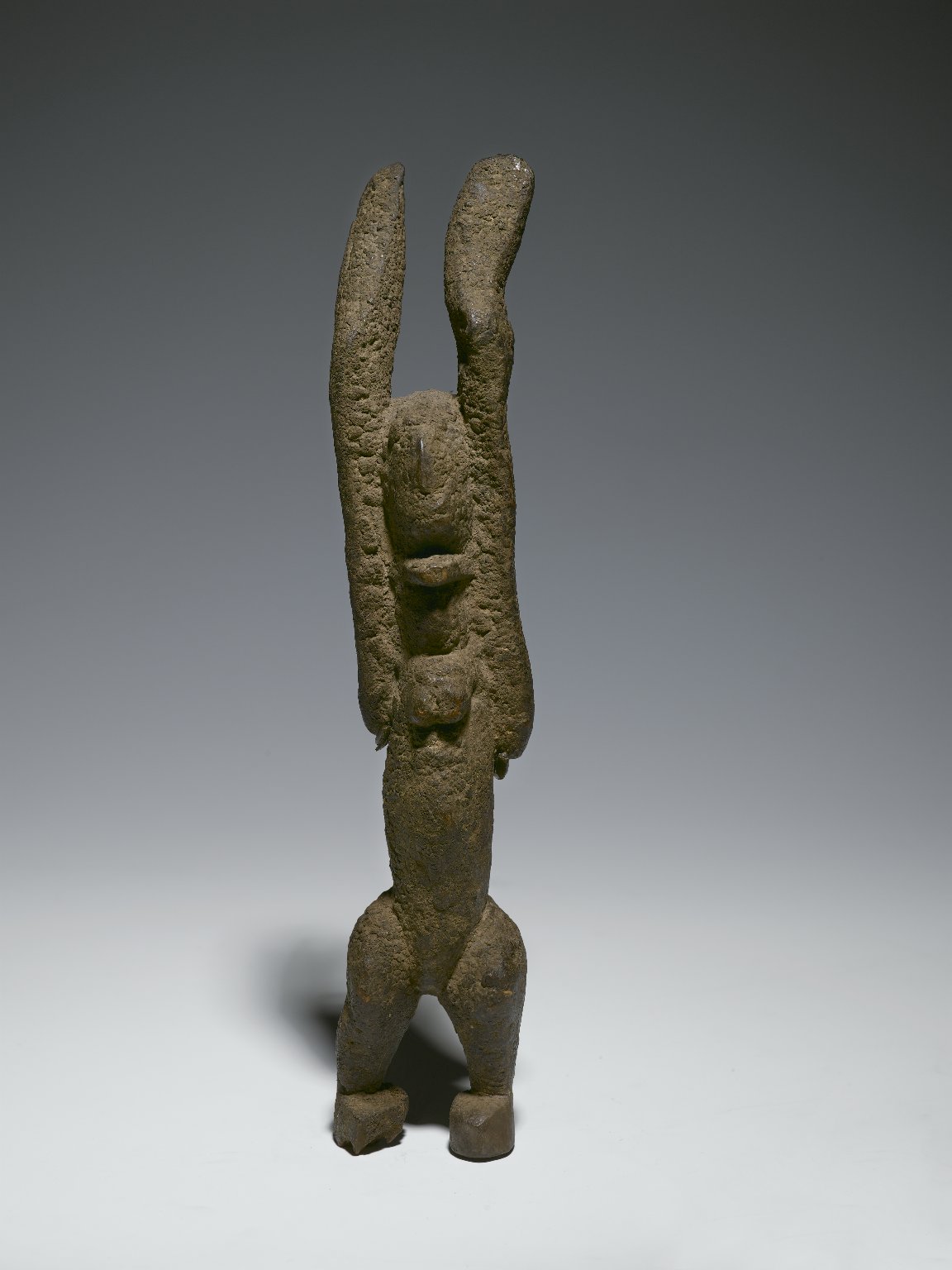 🇲🇱 MaliDogon religion
The traditional spiritual beliefs of the Dogon people of MaliTradition · Protection · Speaking with spirits and the dead Living
🇲🇱 MaliDogon religion
The traditional spiritual beliefs of the Dogon people of MaliTradition · Protection · Speaking with spirits and the dead Living
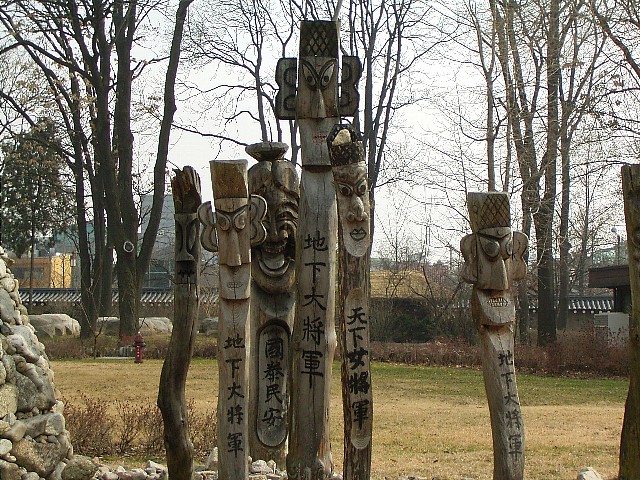 🇰🇷 South Korea and 1 moreJangseung장승
Wooden or stone poles that guard Korean villages and temples from evil spiritsTradition · Protection · Speaking with spirits and the dead Living
🇰🇷 South Korea and 1 moreJangseung장승
Wooden or stone poles that guard Korean villages and temples from evil spiritsTradition · Protection · Speaking with spirits and the dead Living
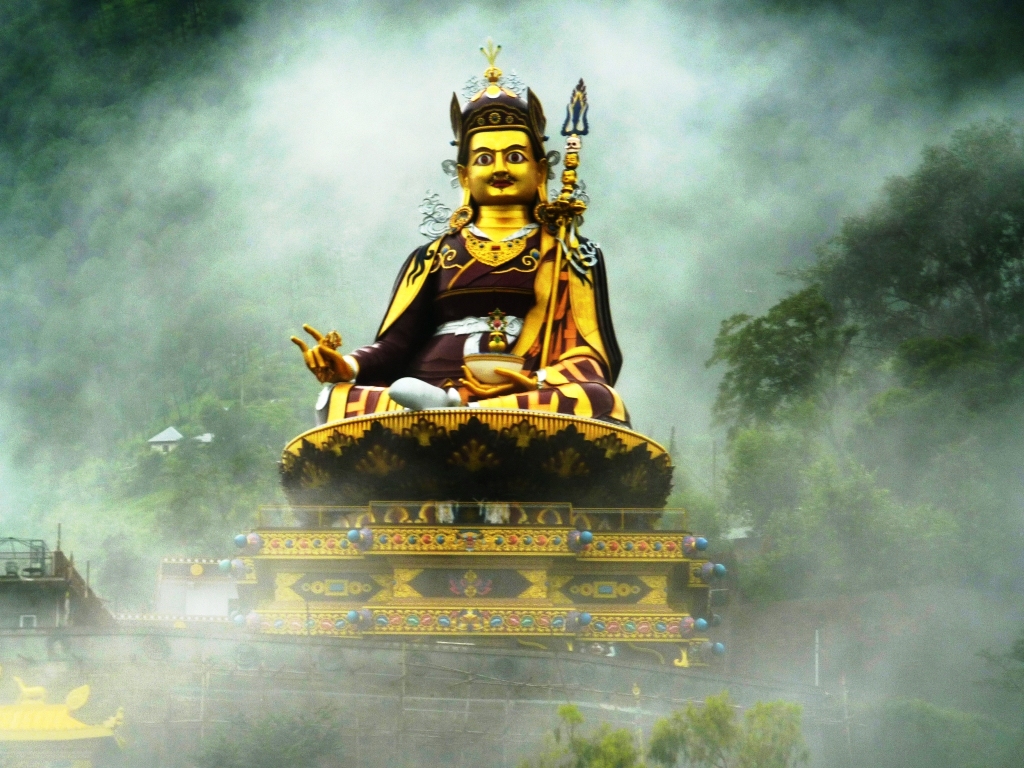 🇮🇳 India and 2 morePadmasambhavaཔདྨ་འབྱུང་གནས།
A tantric master credited with establishing Buddhism in Tibet and founding the Nyingma school.Figure · Protection · Power and authority Living
🇮🇳 India and 2 morePadmasambhavaཔདྨ་འབྱུང་གནས།
A tantric master credited with establishing Buddhism in Tibet and founding the Nyingma school.Figure · Protection · Power and authority Living
 🇫🇮 Finland and 1 moreFinnish mythology
The pre-Christian folklore and cosmology of the Finns and KareliansTradition · Speaking with spirits and the dead · Protection Revived
🇫🇮 Finland and 1 moreFinnish mythology
The pre-Christian folklore and cosmology of the Finns and KareliansTradition · Speaking with spirits and the dead · Protection Revived
 🇻🇺 Vanuatu and 5 moreKava culture
A shared ritual across Oceania where a root brew marks ceremony, respect, and social gathering.Tradition · Speaking with spirits and the dead · Luck and prosperity Living
🇸🇸 South Sudan and 1 moreDinka religion
The traditional animist and creator-based faith of the Dinka people of South SudanTradition · Protection · Healing Living
🇻🇺 Vanuatu and 5 moreKava culture
A shared ritual across Oceania where a root brew marks ceremony, respect, and social gathering.Tradition · Speaking with spirits and the dead · Luck and prosperity Living
🇸🇸 South Sudan and 1 moreDinka religion
The traditional animist and creator-based faith of the Dinka people of South SudanTradition · Protection · Healing Living
 🇸🇳 Senegal and 5 moreAncestor veneration
Rituals of respect and offerings for the dead across many culturesTradition · Protection · Speaking with spirits and the dead Living
🇸🇳 Senegal and 5 moreAncestor veneration
Rituals of respect and offerings for the dead across many culturesTradition · Protection · Speaking with spirits and the dead Living
 🇺🇸 United StatesHawaiian religion
The traditional spiritual practices of the Indigenous people of Hawaiʻi, centered on deities and ancestral guardians.Tradition · Protection · Speaking with spirits and the dead Living
🇳🇿 New Zealand and 5 moreTapu
A Polynesian concept of sacred restriction and spiritual prohibitionTradition · Protection · Speaking with spirits and the dead Living
🇺🇸 United StatesHawaiian religion
The traditional spiritual practices of the Indigenous people of Hawaiʻi, centered on deities and ancestral guardians.Tradition · Protection · Speaking with spirits and the dead Living
🇳🇿 New Zealand and 5 moreTapu
A Polynesian concept of sacred restriction and spiritual prohibitionTradition · Protection · Speaking with spirits and the dead Living
 🇳🇿 New Zealand and 5 moreFace tattoo
Marks inked on the face for spiritual protection, identity, rank, and rite of passageTradition · Protection · Power and authority Living
🇳🇿 New Zealand and 5 moreFace tattoo
Marks inked on the face for spiritual protection, identity, rank, and rite of passageTradition · Protection · Power and authority Living
 🇮🇪 Ireland and 4 moreMay Day
A European spring festival marking the start of summer with flowers, poles and fire.Tradition · Protection · Luck and prosperity Living
🇮🇪 Ireland and 4 moreMay Day
A European spring festival marking the start of summer with flowers, poles and fire.Tradition · Protection · Luck and prosperity Living
 🇨🇳 China and 1 moreAncestor veneration in China中國傳統宗法性宗教
Rites for dead kin who are thought to watch over the familyTradition · Protection · Speaking with spirits and the dead Living
🇨🇳 China and 1 moreAncestor veneration in China中國傳統宗法性宗教
Rites for dead kin who are thought to watch over the familyTradition · Protection · Speaking with spirits and the dead Living
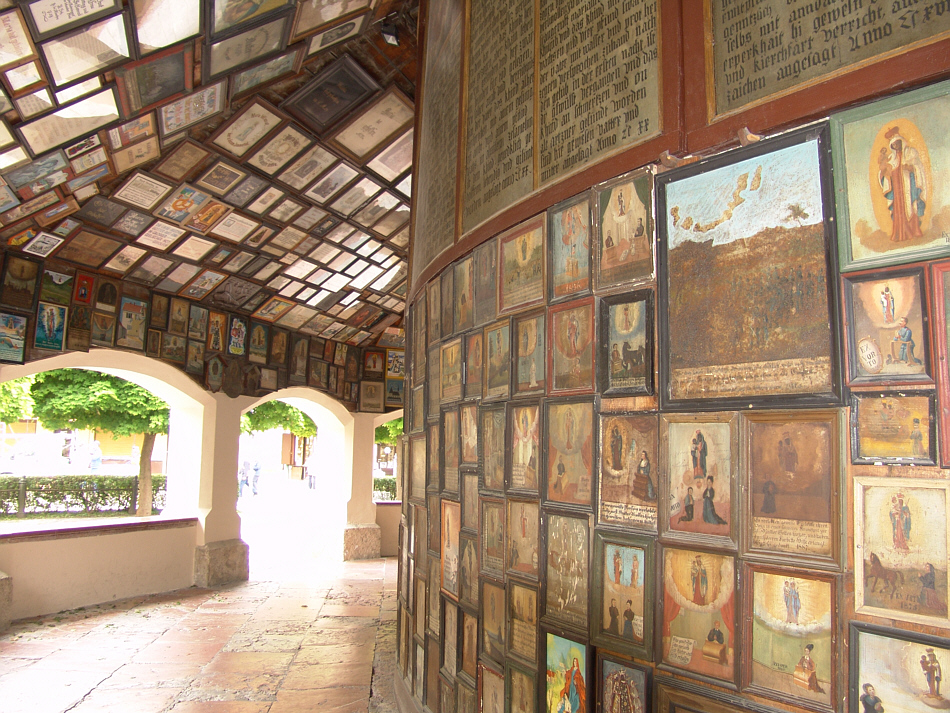 🇬🇷 Greece and 5 moreVotive offering
Objects left in sacred places to honor a deity or fulfill a vow, never to be recovered.Tradition · Protection · Healing Living
🇬🇷 Greece and 5 moreVotive offering
Objects left in sacred places to honor a deity or fulfill a vow, never to be recovered.Tradition · Protection · Healing Living
 🇲🇽 Mexico and 5 moreDay of the DeadDía de los Muertos
A Mexican holiday honoring the dead with altars, food, and humor during Allhallowtide.Tradition · Speaking with spirits and the dead · Luck and prosperity Living
🇲🇽 Mexico and 5 moreDay of the DeadDía de los Muertos
A Mexican holiday honoring the dead with altars, food, and humor during Allhallowtide.Tradition · Speaking with spirits and the dead · Luck and prosperity Living
 🇸🇳 Senegal and 5 moreMaraboutmurābiṭ
A Muslim religious leader and teacher in West Africa, often linked to Sufi brotherhoods.Tradition · Protection · Speaking with spirits and the dead Living
🇸🇪 Sweden and 3 moreRunic magic
The use of ancient Germanic letters for spells, divination, and protectionTradition · Protection · Seeing and foretelling Living
🇸🇳 Senegal and 5 moreMaraboutmurābiṭ
A Muslim religious leader and teacher in West Africa, often linked to Sufi brotherhoods.Tradition · Protection · Speaking with spirits and the dead Living
🇸🇪 Sweden and 3 moreRunic magic
The use of ancient Germanic letters for spells, divination, and protectionTradition · Protection · Seeing and foretelling Living
 🇮🇳 India and 3 moreMaha Shivaratriमहाशिवरात्रि
A Hindu night of fasting and vigil dedicated to the deity ShivaTradition · Protection · Speaking with spirits and the dead Living
🇮🇳 India and 3 moreMaha Shivaratriमहाशिवरात्रि
A Hindu night of fasting and vigil dedicated to the deity ShivaTradition · Protection · Speaking with spirits and the dead Living
 🇮🇳 IndiaKamakhya Templekamakhya mondir
A Hindu temple in Assam known for its yoni shrine and the Ambubachi Mela festivalTradition · Protection · Healing Living
🇮🇳 IndiaKamakhya Templekamakhya mondir
A Hindu temple in Assam known for its yoni shrine and the Ambubachi Mela festivalTradition · Protection · Healing Living
 🇮🇶 IraqBabylonian astrology
The first organized system of celestial divination in the ancient Near EastTradition · Protection · Seeing and foretelling Historical
🇮🇶 IraqBabylonian astrology
The first organized system of celestial divination in the ancient Near EastTradition · Protection · Seeing and foretelling Historical
 🇦🇴 Angola and 2 moreKongo religionBukongo
The animistic beliefs and ancestor veneration of the Bakongo people in Central AfricaTradition · Speaking with spirits and the dead · Protection Living
🇦🇴 Angola and 2 moreKongo religionBukongo
The animistic beliefs and ancestor veneration of the Bakongo people in Central AfricaTradition · Speaking with spirits and the dead · Protection Living
 🇮🇳 IndiaSanamahismꯁꯅꯥꯃꯍꯤ ꯂꯥꯏꯅꯤꯡ
The polytheistic ethnic religion of the Meitei people of Manipur, IndiaTradition · Protection · Speaking with spirits and the dead Living
🇮🇳 IndiaSanamahismꯁꯅꯥꯃꯍꯤ ꯂꯥꯏꯅꯤꯡ
The polytheistic ethnic religion of the Meitei people of Manipur, IndiaTradition · Protection · Speaking with spirits and the dead Living
 🇨🇳 China and 1 moreChinese shamanism巫教 (Wūjiào)
Spirit-mediums of China who dance and trance to carry messages between people and godsTradition · Speaking with spirits and the dead · Seeing and foretelling Living
🇨🇳 China and 1 moreChinese shamanism巫教 (Wūjiào)
Spirit-mediums of China who dance and trance to carry messages between people and godsTradition · Speaking with spirits and the dead · Seeing and foretelling Living
 🇱🇦 Laos and 3 moreTai folk religionສາສະໜາຜີ
Spirits, ancestor rites, and soul-calling ceremonies of the Tai peoplesTradition · Protection · Healing Living
🇱🇦 Laos and 3 moreTai folk religionສາສະໜາຜີ
Spirits, ancestor rites, and soul-calling ceremonies of the Tai peoplesTradition · Protection · Healing Living
 🇮🇹 ItalySanctuary of Fortuna Primigenia
A vast Roman sanctuary complex in Palestrina that housed an oracle and a temple to the goddess of fate.Tradition · Seeing and foretelling · Protection Historical
🇮🇹 ItalySanctuary of Fortuna Primigenia
A vast Roman sanctuary complex in Palestrina that housed an oracle and a temple to the goddess of fate.Tradition · Seeing and foretelling · Protection Historical
 🇮🇹 Italy and 5 moreEuropean witchcraft
Historical beliefs in harmful magic and the resulting trials across EuropeBelief · Cursing and harm · Protection Historical
🇮🇹 Italy and 5 moreEuropean witchcraft
Historical beliefs in harmful magic and the resulting trials across EuropeBelief · Cursing and harm · Protection Historical
 🇮🇳 India and 5 moreAsian witchcraft
A broad overview of magical practices and persecution across Asian culturesTradition · Cursing and harm · Protection Living
🇮🇳 India and 5 moreAsian witchcraft
A broad overview of magical practices and persecution across Asian culturesTradition · Cursing and harm · Protection Living
 🇷🇺 RussiaReindeer in Siberian shamanism
The role of reindeer as spirit helpers, ritual tools, and burial vehicles in the shamanic traditions of Northern AsiaTradition · Healing · Speaking with spirits and the dead Living
🇷🇺 RussiaReindeer in Siberian shamanism
The role of reindeer as spirit helpers, ritual tools, and burial vehicles in the shamanic traditions of Northern AsiaTradition · Healing · Speaking with spirits and the dead Living
 🇹🇳 TunisiaStambeli
A Tunisian music and possession rite practiced by Black communities of slave descentTradition · Healing · Protection Living
🇹🇳 TunisiaStambeli
A Tunisian music and possession rite practiced by Black communities of slave descentTradition · Healing · Protection Living
 🇩🇴 Dominican Republic and 1 moreDominican VudúVudú Dominicano
A syncretic Afro-Caribbean religion on Hispaniola with its own spirit lineages and titles.Tradition · Protection · Love and attraction Living
🇬🇧 United Kingdom and 1 moreNeopagan witchcraft
Modern pagan traditions that practice magic and draw on historical witch beliefs.Tradition · Protection · Healing Living
🇩🇴 Dominican Republic and 1 moreDominican VudúVudú Dominicano
A syncretic Afro-Caribbean religion on Hispaniola with its own spirit lineages and titles.Tradition · Protection · Love and attraction Living
🇬🇧 United Kingdom and 1 moreNeopagan witchcraft
Modern pagan traditions that practice magic and draw on historical witch beliefs.Tradition · Protection · Healing Living
 🇹🇹 Trinidad and Tobago and 4 moreTrinidad Orisha
A syncretic Afro-Caribbean faith blending Yoruba spirit work with Christian and other traditions in Trinidad.Tradition · Speaking with spirits and the dead · Healing Living
🇹🇹 Trinidad and Tobago and 4 moreTrinidad Orisha
A syncretic Afro-Caribbean faith blending Yoruba spirit work with Christian and other traditions in Trinidad.Tradition · Speaking with spirits and the dead · Healing Living
 🇨🇺 Cuba and 1 moreHaitian Vodou in CubaVodú Haitiano
A Caribbean religious tradition brought by migrants and maintained in eastern CubaTradition · Speaking with spirits and the dead · Protection Living
🇨🇺 Cuba and 1 moreHaitian Vodou in CubaVodú Haitiano
A Caribbean religious tradition brought by migrants and maintained in eastern CubaTradition · Speaking with spirits and the dead · Protection Living
 🇬🇧 United Kingdom and 1 moreMagic in Anglo-Saxon Englandgaldorcræft
Healing charms and protective rituals practiced by early English tribesTradition · Healing · Protection Historical
🇮🇹 Italy and 1 moreShamanism in Europe
Scholarly theories on shamanic elements in European folk beliefs and witch trialsTradition · Protection · Cursing and harm Historical
🇬🇧 United Kingdom and 1 moreMagic in Anglo-Saxon Englandgaldorcræft
Healing charms and protective rituals practiced by early English tribesTradition · Healing · Protection Historical
🇮🇹 Italy and 1 moreShamanism in Europe
Scholarly theories on shamanic elements in European folk beliefs and witch trialsTradition · Protection · Cursing and harm Historical
 🇨🇳 China and 1 moreShamanism in the Qing dynasty
State-managed rituals of the Manchu rulers and their shamansTradition · Protection · Healing Historical
🇨🇳 China and 1 moreShamanism in the Qing dynasty
State-managed rituals of the Manchu rulers and their shamansTradition · Protection · Healing Historical
 🇨🇳 China and 1 moreFalun Gong法轮功
A Chinese cultivation practice blending meditative exercises with moral principlesTradition · Healing · Protection Living
🇨🇳 China and 1 moreFalun Gong法轮功
A Chinese cultivation practice blending meditative exercises with moral principlesTradition · Healing · Protection Living
 🇷🇺 Russia and 5 moreRinging Cedars' Anastasianismдвижение «Анастасия»
A Russian new religious movement based on books about a Siberian mystic and nature worshipTradition · Protection · Speaking with spirits and the dead Living
🇷🇺 Russia and 5 moreRinging Cedars' Anastasianismдвижение «Анастасия»
A Russian new religious movement based on books about a Siberian mystic and nature worshipTradition · Protection · Speaking with spirits and the dead Living
 🇬🇧 United Kingdom and 2 moreAetherius Society
A new religious movement blending theosophy, UFO claims, and spiritual healing to aid humanity.Tradition · Protection · Healing Living
🇬🇧 United Kingdom and 2 moreAetherius Society
A new religious movement blending theosophy, UFO claims, and spiritual healing to aid humanity.Tradition · Protection · Healing Living
 🇨🇳 China and 1 moreNuo folk religion傩 (Nuó)
A Chinese exorcistic tradition using wooden masks and ancestor worship to drive away malevolent forcesTradition · Protection · Speaking with spirits and the dead Living
🇨🇳 China and 1 moreNuo folk religion傩 (Nuó)
A Chinese exorcistic tradition using wooden masks and ancestor worship to drive away malevolent forcesTradition · Protection · Speaking with spirits and the dead Living
Photo credits on this page
The small pictures above come from Wikimedia Commons under free licences. Some are cropped to fit.
- Sanamahism: Kayia N, CC BY-SA 4.0, source
- Rabisu: editor Austen Henry Layard , drawing by L. Gruner, Public domain, source
- Bald's Leechbook: Unknown, the Internet Archive scan is low quality, and some of the tex, Public domain, source
- Louisiana Voodoo: I cropped, original authors are Ridpath, John Clark, CC BY-SA 4.0, source
- Tai folk religion: ( เทวประภาส มากคล้าย ), Tevaprapas, Public domain, source
- Nkisi: MiddleOfAfrica, CC BY-SA 4.0, source
- Chinese shamanism: No machine-readable author provided. +上帝+ assumed (based on copyright, CC BY-SA 3.0, source
- Witchcraft in Latin America: Unknown author, CC BY 4.0, source
- Sanctuary of Fortuna Primigenia: MM, CC BY-SA 3.0, source
- Egungun: Ìṣẹ̀ṣeAssembly, CC BY-SA 4.0, source
- Asian witchcraft: Utagawa Kuniyoshi, Public domain, source
- Reindeer in Siberian shamanism: Unknown author, Public domain, source
- Stambeli: Youssefbensaad, CC BY-SA 4.0, source
- Wassail: Joss Smithson, CC BY-SA 2.0, source
- Mongolian shamanism: Enrique Bendicho, CC BY-SA 4.0, source
- Anito: Frederic H. Sawyer, Public domain, source
- Feng shui: Unknown author, Public domain, source
- Kagura: Elstner Hilton, Public domain, source
- Beltane: Stefan Schäfer, Lich, CC BY-SA 3.0, source
- Zangbeto: Grete Howard, CC BY 3.0, source
- Winti: G. Glaser (Fotograaf/photographer)., CC BY-SA 3.0, source
- Dogon religion: Unknown author, CC BY 3.0, source
- Jangseung: Yoshiaki Sano, CC BY-SA 2.0, source
- Padmasambhava: John Hill, CC BY-SA 3.0, source
- Finnish mythology: Väinö Blomstedt, Public domain, source
- Kava culture: Jaejay77, CC BY-SA 4.0, source
- Ancestor veneration: Thang Nguyen, CC BY-SA 2.0, source
- Hawaiian religion: Jacques Arago, Public domain, source
- Face tattoo: Gottfried Lindauer, Public domain, source
- May Day: Bryan Ledgard, CC BY 2.0, source
- Ancestor veneration in China: Three huntings, CC BY-SA 4.0, source
- Votive offering: Walter J. Pilsak, Waldsassen ( W.J.Pilsak at de.wikipedia ), CC BY-SA 3.0, source
- Day of the Dead: RubeHM, CC BY-SA 4.0, source
- Marabout: Jan Broekhuijse, CC BY-SA 3.0, source
- Maha Shivaratri: Navneesh Ramessur, CC BY-SA 4.0, source
- Kamakhya Temple: JyotiPN, CC BY-SA 4.0, source
- Haitian Vodou in Cuba: Dr. Anthony R. Picciolo, NOAA NODC, Public domain, source
- Shamanism in the Qing dynasty: A nineteenth-century team of editors., Public domain, source
- Falun Gong: longtrekhome, CC BY 3.0, source
- Ringing Cedars' Anastasianism: Лобачев Владимир, CC BY-SA 3.0, source
- Aetherius Society: Hjamesberglen, CC0, source
- Nuo folk religion: Wikiwikiyarou, CC BY-SA 3.0, source