
European witchcraft
Historical beliefs in harmful magic and the resulting trials across Europe
A historical concept of malevolent magic practiced in Europe, evolving from classical views to a Christian framework of devil-worship. It fueled widespread early modern witch hunts that targeted marginalized groups, particularly women.
- The Malleus Maleficarum (1486) guided witch hunt prosecutions.
- Most accused witches in Western Europe were women.
- In Russia, men comprised three-quarters of the accused.
- Cunning folk provided protective magic and healing services.
- Misfortune was often blamed on supernatural human agency.
What it is
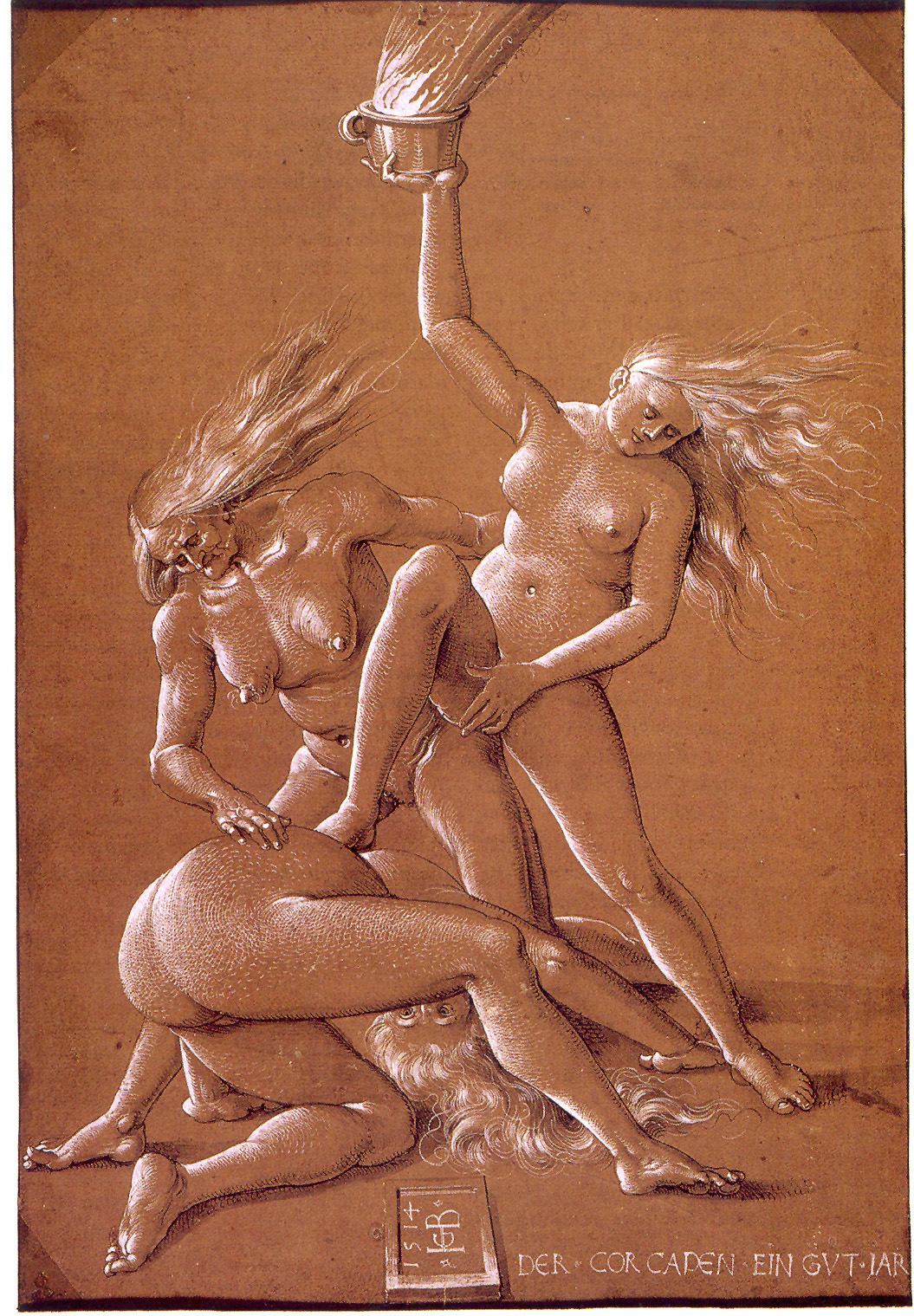
European witchcraft refers to historical beliefs in malevolent magic, known as maleficium, which was thought to cause supernatural harm. During the pagan era of ancient Rome, laws restricted harmful magic. After Christianization, the Catholic Church redefined witchcraft as apostasy involving a pact with the Devil. This belief system framed witches as individuals who used black magic against their community, often communing with demons. The concept persists globally as a way to explain misfortune, though European history is defined by its intense legal and social persecution during the early modern period.
Where it comes from
Beliefs trace back to classical antiquity where magic and religion were intertwined. Roman laws addressed harmful magic before the rise of Christianity. The medieval Catholic Church merged ideas of sorcery with heresy, viewing witchcraft as a rejection of Christ and salvation. This theological shift transformed local folk beliefs into a unified concept of evil magic. Historians note that while similar concepts exist worldwide, the specific European combination of religious doctrine and legal prosecution created a unique historical phenomenon distinct from other cultures.
How it is done
Witches were believed to cast curses using spells, gestures, or inscribed runes. Practices included burning wax images of victims, binding them, or using body parts like hair and nails to create potions. They were thought to work in secret, sometimes gathering at night for transgressive rituals. Protective counter-magic involved charms, amulets, and burying objects like horse skulls. Communities also relied on cunning folk to break bewitchment through healing and divination services.
Tools and materials
Materials included herbs, animal parts, and bodily substances from victims. Witches used poppets made of wax or clay to represent targets. Runes and sigils were inscribed on objects to grant magical power. Defensive tools featured witch bottles, witch balls, and anti-witch marks placed on buildings. Cunning folk utilized talismans and charms to restore health or find lost items, contrasting with the harmful substances used by alleged maleficarum practitioners.
European witchcraft, drawn and placed
- Living
- Revived
- Fading
- Historical
- Legendary
- Performed
What it is for
The primary intent attributed to witches was causing illness, death, or misfortune to neighbors, livestock, or crops. Specific ailments like infertility or impotence were linked to witchcraft. Conversely, helpful magic aimed to heal, divinate, or protect against these harms. Accusations often stemmed from social tensions, economic disputes, or neighborhood rivalries. Marginalized individuals, the elderly, and women were frequently scapegoated for unexplained bad luck or sudden disease outbreaks within their communities.
Who does it
Accused witches were predominantly women, though men faced trials, especially in Russia where they formed the majority of the accused. Practitioners of helpful magic, called cunning folk or wise people, were often viewed ambivalently. While generally tolerated, some were denounced as witches by authorities seeking to suppress independent healing. Scholars suggest that many convicted witches may have been folk healers whose practices were demonized by the church and state during periods of heightened anxiety.
Peoples and places
The belief system varied across regions. In Ireland and the Scottish Highlands, strong faith in fairy folk reduced witch-hunting compared to other British areas. In Russia, accusations often served as political weapons against threats to the czar, with men comprising most of the accused. Eastern European regions like Hungary and Norway saw significant numbers of healers among the accused. Western Europe experienced the highest volume of trials, driven by religious tension and societal fear of demonic pacts.
At a glance: who, where and when
Belief worlds


What people believe
Christian theology defined witchcraft as a blend of sorcery and apostasy, requiring a pact with the Devil. Witches were seen as immoral agents who renounced sacraments and performed black masses. Folk beliefs held that powers were inherited or gained through initiation. Misfortune was attributed to human agency rather than divine will alone. Defensive magic was believed necessary to thwart these powers, reflecting a worldview where spiritual forces actively influenced daily health and social stability.
How scholars and sceptics see it
Anthropologists view witchcraft beliefs as a mechanism for explaining strange misfortune through human agency. Ronald Hutton identified key characteristics: harm to the community, immorality, and acquisition of power through inheritance. Historians note that accusations often reflected social conflicts rather than actual magical acts. Skeptics like Reginald Scot argued against the existence of witchcraft, highlighting the ambiguity between good and bad magic. Modern research suggests that professional healers made up a small minority of those prosecuted under secular statutes.
Cautions and what is closed
The witch hunts resulted in tens of thousands of executions and numerous prosecutions across Europe. Accusations led to torture, imprisonment, and death for alleged witches. Social scapegoating targeted vulnerable groups, including women, the elderly, and the poor. Political instruments were used in Russia to eliminate rivals. Fraudulent accusations often arose from neighborhood disputes or economic jealousy. The legal systems of the time facilitated these persecutions, treating witchcraft as a serious crime against both God and the state.
Compare and confuse
European witchcraft differs from other global beliefs in its heavy emphasis on diabolical pacts and organized conspiracy. Unlike cultures that attribute misfortune to spirits or fairies, Europeans focused on human agents making explicit deals with evil beings. The term 'white witch' is a modern invention; historically, helpers were called cunning folk. Neopagan movements today reinterpret these figures, but historical records show a clear distinction between harmful sorcerers and beneficial service magicians in pre-modern society.
Law and persecution
Legal frameworks evolved from Roman restrictions to medieval ecclesiastical condemnations. The Malleus Maleficarum provided a template for identifying and punishing witches. Early modern statutes mandated severe penalties, including execution. In Germany and Denmark, specific laws distinguished between folk healers and malicious witches. However, enforcement varied, with some regions showing leniency toward healers. The legal process often involved torture to extract confessions, leading to widespread convictions based on coerced testimony rather than empirical evidence.
Today
Neopagan movements like Wicca and Stregheria have revived interest in historical witchcraft since the 1940s. These groups reinterpret pagan practices and emphasize nature worship and personal growth. Gerald Gardner pioneered Wicca, drawing on discredited theories of a surviving witch-cult. Modern practitioners self-identify as witches, reclaiming the term from its negative historical associations. Academic study continues to analyze the social and religious dynamics of the historical trials, distinguishing fact from folklore.
Questions people ask about European witchcraft
What is European witchcraft?
It is a historical belief in malevolent magic, or maleficium, where individuals were thought to cause harm through supernatural means. This concept evolved from classical roots into a Christian framework involving pacts with the Devil, driving early modern persecution.
Who were the main targets of witch hunts?
In Western Europe, accusations primarily targeted women, the elderly, and marginalized individuals. However, in Russia, men made up the majority of the accused. Neighbors often initiated accusations due to social tensions or disputes over resources.
What role did cunning folk play?
Cunning folk, or wise people, practiced helpful magic to heal, divinate, and break curses. Although generally tolerated, some were accused of witchcraft by authorities or rivals. Scholars suggest they formed a minority of those prosecuted under secular laws.
How did the Church influence witchcraft beliefs?
The Catholic Church redefined witchcraft as apostasy and heresy. It framed magical practices as rejections of Christ and pacts with the Devil. This theological shift transformed local folk beliefs into a unified concept of evil magic justifying legal punishment.
Good reading and sources
- How Witches' Brews Helped Bring Modern Drugs to MarketSmithsonian Magazine, Article
- BBC Radio 4BBC, Article
- European witchcraft on WikipediaEncyclopedia
- More photos on Wikimedia CommonsPhotos and video
- Wikidata recordOpen data
The facts on this page come from the Wikipedia article "European witchcraft", written by its contributors and used under the CC BY-SA 4.0 licence, and from its Wikidata record (CC0). EveryJaadu rewrote the text in its own words, with AI assistance, and compares every page with the article to make sure no passage is copied. It may be reused under the same CC BY-SA 4.0 licence with a link back.
It may contain mistakes. Names and customs differ from one community to the next, and some knowledge is closed to outsiders and left out here. This page describes belief and practice. It does not say that any of it works, it is not a how-to, and it is not medical advice. If something is wrong, tell us. Last refreshed 2026-10-06.
More from Italy
All the entries from Italy 🇩🇪 Germany and 5 moreWitch trials in the Holy Roman Empire
A wave of executions across Central Europe between the fifteenth and eighteenth centuries.Belief · Cursing and harm Historical
🇩🇪 Germany and 5 moreWitch trials in the Holy Roman Empire
A wave of executions across Central Europe between the fifteenth and eighteenth centuries.Belief · Cursing and harm Historical
 🇫🇷 France and 1 moreNostradamus
A French astrologer and physician known for a book of poetic propheciesText · Seeing and foretelling · Power and authority Historical
🇫🇷 France and 1 moreNostradamus
A French astrologer and physician known for a book of poetic propheciesText · Seeing and foretelling · Power and authority Historical
 🇮🇹 Italy and 5 moreTarottarocchi
A set of playing cards used for games and divinationTradition · Seeing and foretelling · Luck and prosperity Living
🇮🇹 Italy and 5 moreTarottarocchi
A set of playing cards used for games and divinationTradition · Seeing and foretelling · Luck and prosperity Living
 🇬🇷 Greece and 5 moreBay Laurelδάφνη
An aromatic Mediterranean plant used in cooking and as a symbol of victory and purification.Substance · Protection · Cleansing and purification Living
🇬🇷 Greece and 5 moreBay Laurelδάφνη
An aromatic Mediterranean plant used in cooking and as a symbol of victory and purification.Substance · Protection · Cleansing and purification Living
Related elsewhere
All belief 🇮🇷 Iran and 1 moreJinnجِنّ
Supernatural beings in Islamic and pre-Islamic Arabian belief, created from smokeless fire.Being · Protection · Cursing and harm Living
🇮🇷 Iran and 1 moreJinnجِنّ
Supernatural beings in Islamic and pre-Islamic Arabian belief, created from smokeless fire.Being · Protection · Cursing and harm Living
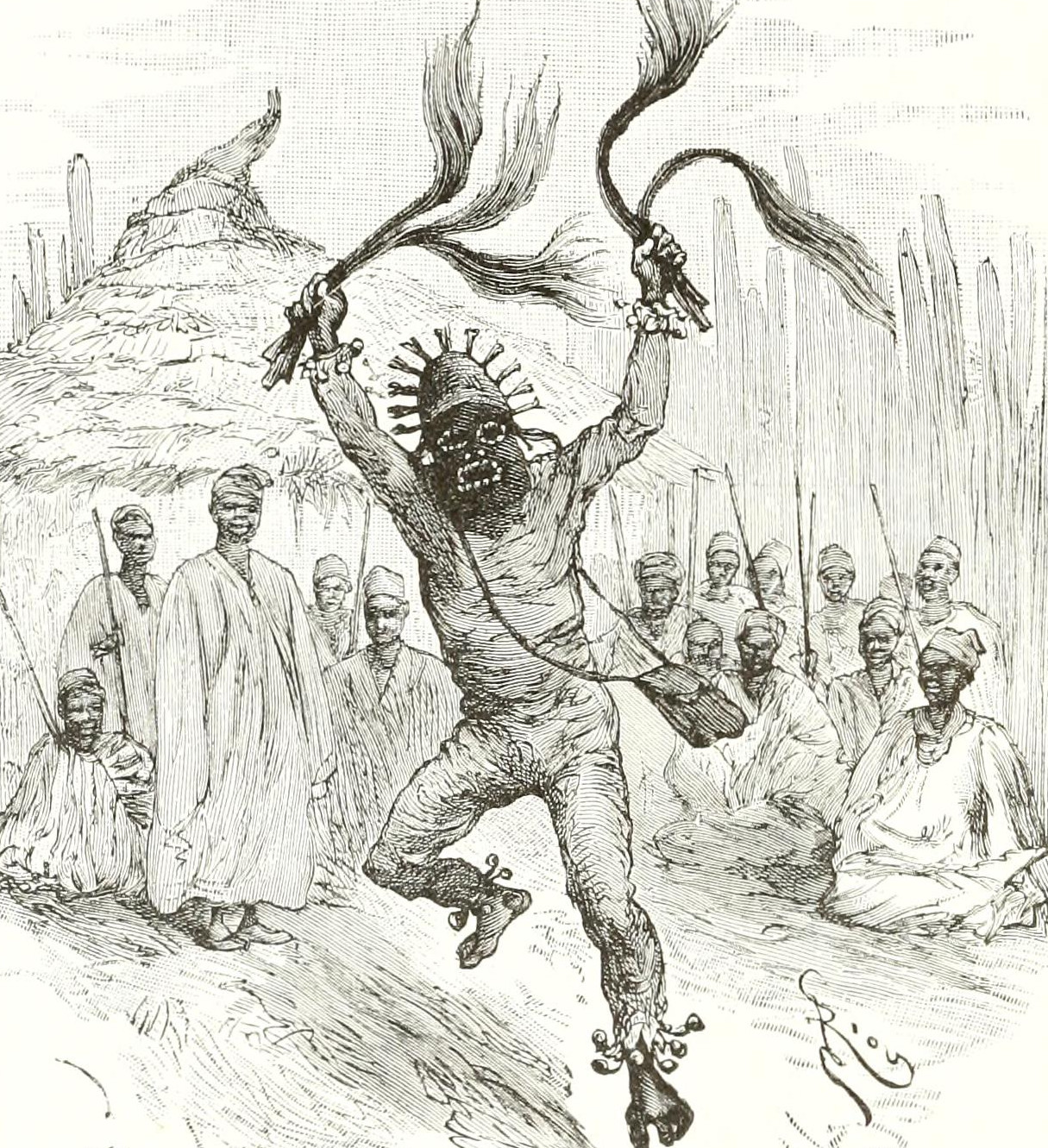 🇺🇸 United States and 2 moreLouisiana Voodoo
An African diasporic religion practiced in Louisiana from the 18th to early 20th centuriesTradition · Healing · Protection Historical
🇺🇸 United States and 2 moreLouisiana Voodoo
An African diasporic religion practiced in Louisiana from the 18th to early 20th centuriesTradition · Healing · Protection Historical
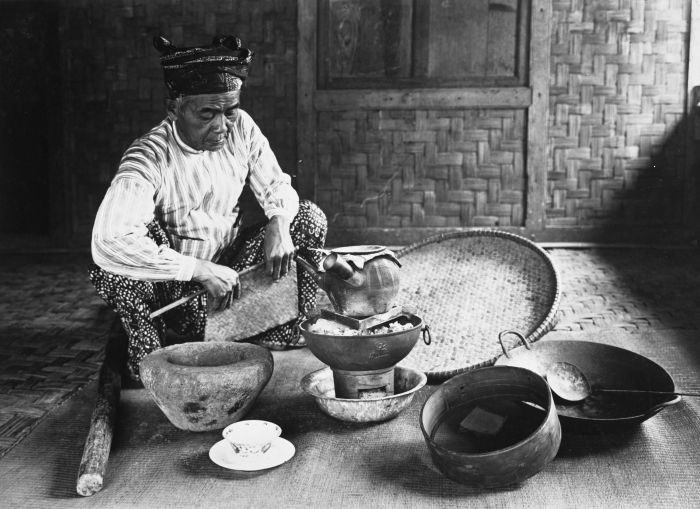 🇮🇩 Indonesia and 2 moreDukun
A traditional healer and spirit medium in Indonesian folk practiceTradition · Healing · Seeing and foretelling Living
🇮🇩 Indonesia and 2 moreDukun
A traditional healer and spirit medium in Indonesian folk practiceTradition · Healing · Seeing and foretelling Living
 🇨🇬 Republic of the CongoNkisi
Spirit containers and power figures from the Congo Basin used for justice and healingCharm · Protection · Healing Living
🇨🇬 Republic of the CongoNkisi
Spirit containers and power figures from the Congo Basin used for justice and healingCharm · Protection · Healing Living