
Neopagan witchcraft
Modern pagan traditions that practice magic and draw on historical witch beliefs.
Neopagan witchcraft is a group of modern religious movements that incorporate magical practices. These traditions emerged in the mid-twentieth century, often influenced by discredited theories about ancient European witch cults.
- Gerald Gardner founded the first major neopagan witchcraft group in the 1930s.
- Wicca is the largest and most influential branch of neopagan witchcraft.
- The witch-cult hypothesis inspired many early neopagan traditions.
- Eclectic Wicca is the most popular variety in the United States.
- Robert Cochrane founded Cochrane's Craft in opposition to Gardnerian Wicca.
What it is
Neopagan witchcraft serves as an umbrella term for various modern pagan religions that include magical rituals. These groups typically emphasize nature worship, herbal knowledge, and divination. The movement began in the twentieth century and includes major branches like Wicca and Cochrane's Craft. Practitioners often identify as witches, though some avoid the label due to negative social associations. Scholars generally classify these diverse groups under the broad category of Wicca, even when practitioners distinguish themselves from mainstream traditions.
Where it comes from
The roots of neopagan witchcraft lie in twentieth-century occult circles and the witch-cult hypothesis popularized by Margaret Murray. This theory claimed that persecuted historical witches were actually followers of a surviving pagan religion, a view now rejected by historians. Gerald Gardner established the first major neopagan witchcraft group in Britain during the 1930s, claiming initiation from a surviving pagan coven. His work led to the development of Wicca, which spread to the United States in the 1960s. Other figures like Robert Cochrane and Alex Sanders founded distinct traditions that reacted against or expanded upon Gardner's model.
How it is done
Practices vary significantly across different traditions within neopagan witchcraft. Many groups operate as autonomous covens with structured initiation levels, while others consist of solitary practitioners who develop their own paths. Rituals often involve ceremonial magic, invocations of deities, and the use of specific tools. Some traditions focus on ecstatic experiences, while others adhere to strict lineages of teaching. Eclectic practitioners may combine elements from multiple sources without formal affiliation to a specific coven or order.
Tools and materials
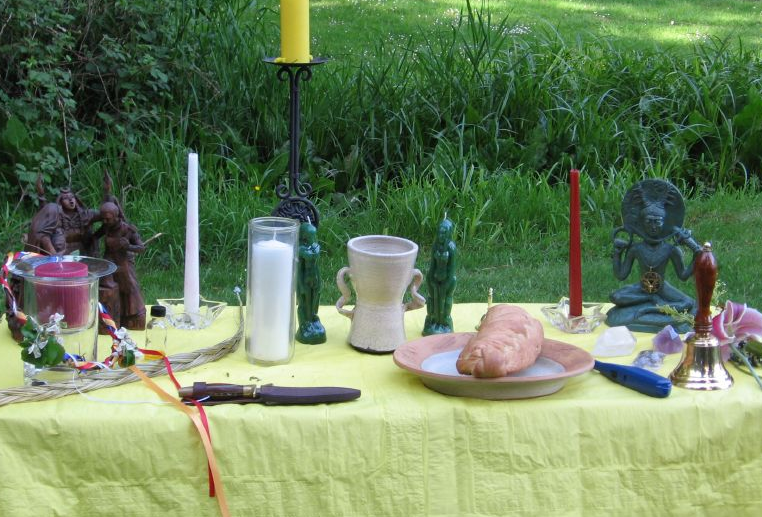
Ritual items differ between traditions but commonly include specialized knives, cups, and staffs. Gardnerian Wicca uses an athame, a chalice, and a ritual cord. Cochrane's Craft employs a stang, a whetstone, and similar ceremonial objects. Tools are used to direct energy or mark sacred space during rituals. The specific design and symbolism of these items often reflect the particular theological focus of the tradition being practiced.
Neopagan witchcraft, drawn and placed
- Living
- Revived
- Fading
- Historical
- Legendary
- Performed
- Lineage
- Neo-paganism
What it is for
Adherents engage in witchcraft for healing, protection, and divination. Many view their practice as a form of self-help and spiritual growth rather than malevolent sorcery. Traditions often emphasize positive ethical principles and respect for nature. Some groups focus on communion with spirits or deities, while others prioritize personal transformation and magical skill development. The intent is generally constructive, distinguishing modern practice from historical fears of harmful magic.
Who does it
Leadership structures vary from hierarchical coven systems led by High Priests and Priestesses to independent solitary workers. Initiates often undergo training within specific lineages, such as Gardnerian or Alexandrian traditions. Some practitioners reject formal hierarchies in favor of eclectic, self-directed study. Women and men participate equally in many traditions, though leadership roles may be gender-specific in certain covens. The community includes both those trained in ancient-sounding lineages and modern converts.
Peoples and places
The movement originated in England and spread rapidly to the United States and other English-speaking countries. In America, eclectic forms of Wicca have become particularly popular, outnumbering traditional lineaged groups. Different regions have developed unique variations based on local folklore and cultural contexts. While rooted in European pagan revivalism, the practice has adapted to diverse global settings, including communities in Singapore and Egypt where neopaganism exists.
At a glance: who, where and when
Belief worlds
What people believe
Core beliefs often involve reverence for nature and the worship of dual deities, such as a Horned God and a Triple Goddess. Many traditions synthesize ancient pagan motifs with hermetic and ceremonial magic concepts. Practitioners believe in the efficacy of ritual magic and the interconnectedness of all life. Some groups follow strict ethical codes, while others embrace more flexible moral frameworks. The worldview typically rejects monotheistic dogma in favor of polytheistic or pantheistic spirituality.
When it is done
Rituals frequently align with seasonal festivals known as Sabbats and lunar gatherings called Esbats. These dates mark agricultural cycles and celestial events important to pagan cosmology. Some traditions observe specific holy days tied to their founding myths or historical figures. Solitary practitioners may choose their own timing for magical work based on personal intuition or astrological considerations. The calendar structure reinforces the connection between human activity and natural rhythms.
How scholars and sceptics see it
Academic researchers classify neopagan witchcraft as a modern religious phenomenon rather than a continuation of ancient practices. Historians note that claims of unbroken lineage from pre-Christian times are largely unsupported by evidence. Scholars analyze the movement through sociological and psychological lenses, examining how it provides meaning and community in contemporary society. Critics point out the reliance on fabricated histories, while supporters emphasize the authenticity of personal spiritual experience.
Cautions and what is closed
Internal conflicts have historically arisen between different factions, particularly regarding claims of legitimacy and orthodoxy. Misunderstandings about the nature of the practice have led to social stigma in some communities. Practitioners must navigate legal and social environments where witchcraft may still carry negative connotations. Fraudulent leaders occasionally exploit seekers, though most groups maintain ethical standards. Openness varies, with some traditions keeping teachings secret and others welcoming public inquiry.
Compare and confuse
Neopagan witchcraft is often confused with historical witch trials or folk magic traditions. It differs significantly from Satanism, despite superficial similarities in imagery. The term Wicca is sometimes used narrowly to refer only to British Traditional Wicca, excluding other valid neopagan paths. Traditional Witchcraft movements explicitly distance themselves from Wicca while sharing many ritual elements. Each branch offers a distinct interpretation of magical practice within the broader neo-pagan framework.
Law and persecution
Legal status varies by country, with most Western nations protecting neopagan witchcraft under freedom of religion laws. In some regions, historical persecution has left lingering social prejudices against practitioners. Modern witchcraft is generally recognized as a legitimate religious expression rather than criminal activity. Advocacy groups work to ensure equal rights and recognition for pagan communities. Legal challenges rarely arise unless specific actions violate general laws regarding harm or fraud.
Questions people ask about Neopagan witchcraft
What is neopagan witchcraft?
It is a collection of modern pagan religions that practice magic, nature worship, and divination. These traditions emerged in the twentieth century and include groups like Wicca and Cochrane's Craft.
Where did neopagan witchcraft originate?
It originated in England in the mid-twentieth century, heavily influenced by the discredited witch-cult hypothesis and earlier occult movements. It later spread to the United States and other countries.
Is neopagan witchcraft the same as historical witchcraft?
No. Historical witchcraft refers to pre-modern folk magic and accusations of sorcery. Neopagan witchcraft is a modern religious movement that draws inspiration from historical themes but has distinct theological structures.
What are the main branches of neopagan witchcraft?
Major branches include Gardnerian Wicca, Alexandrian Wicca, Eclectic Wicca, and Traditional Witchcraft. Each has different rituals, beliefs, and organizational structures.
Who practices neopagan witchcraft today?
Millions of people worldwide identify as Wiccans or neopagan witches. Practitioners range from solitary individuals to members of organized covens, primarily in English-speaking countries.
Good reading and sources
The facts on this page come from the Wikipedia article "Neopagan witchcraft", written by its contributors and used under the CC BY-SA 4.0 licence, and from its Wikidata record (CC0). EveryJaadu rewrote the text in its own words, with AI assistance, and compares every page with the article to make sure no passage is copied. It may be reused under the same CC BY-SA 4.0 licence with a link back.
It may contain mistakes. Names and customs differ from one community to the next, and some knowledge is closed to outsiders and left out here. This page describes belief and practice. It does not say that any of it works, it is not a how-to, and it is not medical advice. If something is wrong, tell us. Last refreshed 2026-10-06.
More from the United Kingdom
All the entries from the United Kingdom 🇫🇷 France and 5 moreYule log
A large wooden log burned in the hearth during winter festivals across Europe and North America.Tradition · Protection · Luck and prosperity Living
🇫🇷 France and 5 moreYule log
A large wooden log burned in the hearth during winter festivals across Europe and North America.Tradition · Protection · Luck and prosperity Living
 🇬🇧 United Kingdom and 1 moreWell dressing
A rural English custom of decorating water sources with natural designsTradition · Protection · Speaking with spirits and the dead Living
🇬🇧 United Kingdom and 1 moreWell dressing
A rural English custom of decorating water sources with natural designsTradition · Protection · Speaking with spirits and the dead Living
Related elsewhere
All tradition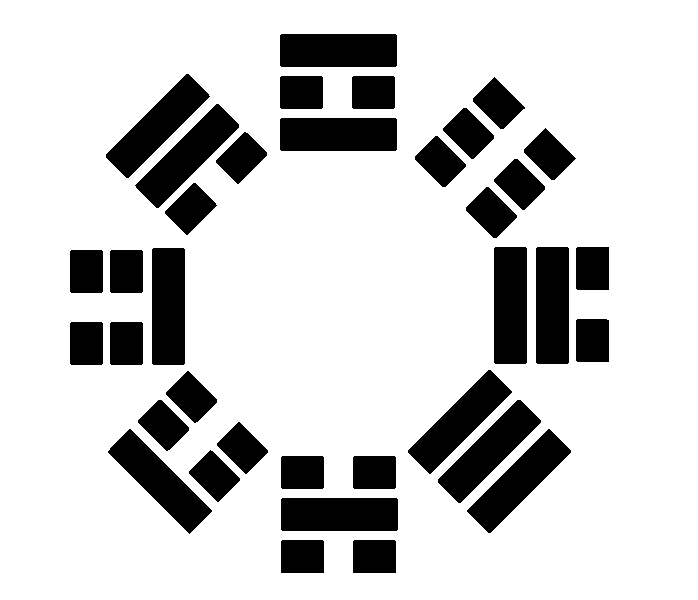 🇨🇳 China and 1 moreBagua八卦
A set of eight trigram symbols from China used in divination, cosmology, and feng shui.Tradition · Seeing and foretelling · Protection Living
🇨🇳 China and 1 moreBagua八卦
A set of eight trigram symbols from China used in divination, cosmology, and feng shui.Tradition · Seeing and foretelling · Protection Living
 🇸🇸 South Sudan and 1 moreAzande witchcraft
A Zande belief that certain people harm others by an inherited power, judged by oraclesBelief · Cursing and harm · Seeing and foretelling Living
🇸🇸 South Sudan and 1 moreAzande witchcraft
A Zande belief that certain people harm others by an inherited power, judged by oraclesBelief · Cursing and harm · Seeing and foretelling Living
 🇮🇩 Indonesia and 2 moreDukun
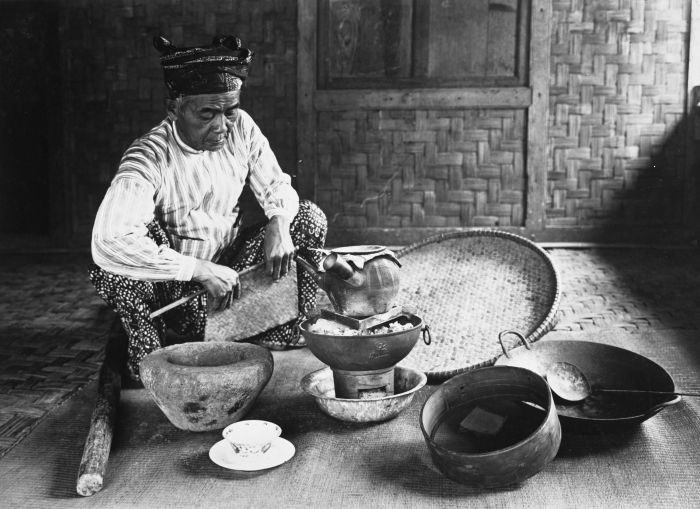
A traditional healer and spirit medium in Indonesian folk practiceTradition · Healing · Seeing and foretelling Living
🇮🇩 Indonesia and 2 moreDukun
A traditional healer and spirit medium in Indonesian folk practiceTradition · Healing · Seeing and foretelling Living
 🇨🇺 Cuba and 2 moreSanteríaRegla de Ocha
An Afro-Cuban religion blending Yoruba beliefs with Catholicism and SpiritismTradition · Protection · Healing Living
🇨🇺 Cuba and 2 moreSanteríaRegla de Ocha
An Afro-Cuban religion blending Yoruba beliefs with Catholicism and SpiritismTradition · Protection · Healing Living