Shamanism in Europe
Scholarly theories on shamanic elements in European folk beliefs and witch trials
This subject covers academic hypotheses that pre-Christian shamanic practices survived in Europe. Scholars like Carlo Ginzburg and Éva Pócs argue that figures such as the Benandanti or accused witches engaged in trance states to battle spirits.
- Carlo Ginzburg first identified European shamanic ideas in the Benandanti cult.
- The Benandanti battled witches in trances to protect crops in Friuli, Italy.
- Éva Pócs and Emma Wilby linked witch trials to pre-Christian religious cults.
- E. R. Dodds proposed shamanic existence in Ancient Greece.
- Michael J. Puett criticized Dodds' interpretation of Greek shamanism.
What it is
Shamanism in Europe refers to a set of historical and anthropological theories proposing that shamanic traditions existed among European populations. These theories suggest that certain folk beliefs and rituals retained elements of shamanism long after the spread of Christianity. The concept focuses on individuals who entered altered states of consciousness to interact with spiritual forces. This perspective challenges the view that all such practices were merely superstitions or demonic pacts, instead framing them as remnants of older indigenous systems.
Where it comes from
The field was established by historian Carlo Ginzburg, who studied the Benandanti in Friuli, Italy. He identified agrarian cult members who claimed to fight witches in dreams to protect crops. Later scholars, including Éva Pócs and Emma Wilby, expanded this to the Early Modern witch trials. They proposed the witch-cult hypothesis, suggesting a continuous religious lineage from pre-Christian times. In Ancient Greece, E. R. Dodds advanced similar ideas regarding shamanic elements, though Michael J. Puett criticized this interpretation.
How it is done
Practitioners described in these theories underwent shamanic trances. During these states, they believed their souls left their bodies to engage in spiritual battles. The Benandanti specifically fought against witches to ensure agricultural fertility. Accused witches in trial records were often described as entering similar trance-like conditions. These experiences were interpreted by modern scholars as shamanic journeying rather than mere hallucinations or confessions under duress.
Shamanism in Europe, drawn and placed
- Living
- Revived
- Fading
- Historical
- Legendary
- Performed
- Lineage
- shamanism
What it is for
The primary intent was protection and balance. The Benandanti sought to save crops and communities from harmful witchcraft. Their battles were defensive, aimed at preserving harvest yields and social order. In the broader context of the witch-cult hypothesis, the purpose was maintaining a connection to ancestral spiritual powers. These practices were viewed as essential for the well-being of the land and its people.
Who does it
The subjects include agrarian cult members like the Benandanti and individuals accused during witch trials. These figures were often ordinary peasants or rural residents. Scholars analyze their testimonies and trial records to identify shamanic patterns. The role was typically hereditary or community-based, involving specific rituals passed down through generations. Modern researchers, rather than active practitioners, are the primary focus of contemporary study.
Peoples and places
The theory applies primarily to European cultures, with significant focus on Italy and Greece. In Italy, the Benandanti of Friuli serve as a key case study. In Greece, ancient texts and beliefs are examined for shamanic traces. Hungarian folklore also contains shamanistic remnants noted in related studies. These groups represent diverse regional traditions that scholars attempt to link through common shamanic motifs.
At a glance: who, where and when
Who does it
Peoples
Belief worlds
What people believe
The underlying worldview posits a spirit world accessible through trance. Practitioners believed they could travel between realms to influence physical events. Spirits and witches were seen as active agents in daily life. The Benandanti viewed their battles as cosmic struggles affecting crop success. This belief system contrasts with orthodox Christian doctrine, representing a syncretic blend of folk religion and older pagan concepts.
How scholars and sceptics see it
Historians and anthropologists drive this field. Carlo Ginzburg pioneered the analysis of the Benandanti. Éva Pócs and Emma Wilby applied these methods to witch trial accusations. E. R. Dodds explored ancient Greek contexts. Critics like Michael J. The debate centers on whether these accounts reflect genuine shamanic practice or other cultural phenomena.
Compare and confuse
Shamanism in Europe is often compared to Siberian shamanism due to shared trance techniques. However, it differs in its integration with Christian frameworks. The witch-cult hypothesis is distinct from mainstream historical views of witchcraft as diabolical worship. It aligns more closely with functionalist interpretations of magic. Other European folk traditions may share similar elements but lack the specific shamanic classification.
Today
The subject remains a topic of academic interest rather than living practice. Researchers continue to analyze historical documents for shamanic indicators. The legacy of the Benandanti is preserved in historical studies and local folklore. Modern interpretations often highlight the resilience of folk beliefs under religious pressure. The field contributes to understanding the diversity of European spiritual history.
Questions people ask about Shamanism in Europe
What is shamanism in Europe?
It is a scholarly hypothesis suggesting that shamanic practices survived in European folk beliefs, particularly among groups like the Benandanti in Italy and accused witches in early modern trials.
Who started the study of European shamanism?
Historian Carlo Ginzburg initiated the field by analyzing the Benandanti, an agrarian cult in Friuli, Italy, whose members reported shamanic trances and battles with witches.
What is the witch-cult hypothesis?
Proposed by scholars like Éva Pócs and Emma Wilby, it argues that witch trials targeted a continuous religious cult with pre-Christian roots, exhibiting shamanic traits rather than just devil worship.
Good reading and sources
The facts on this page come from the Wikipedia article "Shamanism in Europe", written by its contributors and used under the CC BY-SA 4.0 licence, and from its Wikidata record (CC0). EveryJaadu rewrote the text in its own words, with AI assistance, and compares every page with the article to make sure no passage is copied. It may be reused under the same CC BY-SA 4.0 licence with a link back.
It may contain mistakes. Names and customs differ from one community to the next, and some knowledge is closed to outsiders and left out here. This page describes belief and practice. It does not say that any of it works, it is not a how-to, and it is not medical advice. If something is wrong, tell us. Last refreshed 2026-10-06.
More from Italy
All the entries from Italy 🇮🇹 Italy and 3 moreSaturnalia
An ancient Roman winter festival of role reversal and feasting in honor of SaturnTradition · Luck and prosperity · Wonder and entertainment Historical
🇮🇹 Italy and 3 moreSaturnalia
An ancient Roman winter festival of role reversal and feasting in honor of SaturnTradition · Luck and prosperity · Wonder and entertainment Historical
 🇬🇧 United Kingdom and 3 moreWelsh mythologyY Chwedlau
The ancient legends of Wales and the Celtic Britons, preserved in medieval manuscripts.Tradition · Wonder and entertainment Historical
🇬🇧 United Kingdom and 3 moreWelsh mythologyY Chwedlau
The ancient legends of Wales and the Celtic Britons, preserved in medieval manuscripts.Tradition · Wonder and entertainment Historical
 🇩🇪 Germany and 5 moreMaypoleMaibaum
A tall wooden pole raised for European spring festivals, accompanied by dance and celebration.Tradition · Luck and prosperity · Love and attraction Living
🇩🇪 Germany and 5 moreMaypoleMaibaum
A tall wooden pole raised for European spring festivals, accompanied by dance and celebration.Tradition · Luck and prosperity · Love and attraction Living
 🇮🇹 ItalyEtruscan religion
The polytheistic beliefs and divination practices of the ancient Etruscans of ItalyTradition · Seeing and foretelling · Speaking with spirits and the dead Historical
🇮🇹 ItalyEtruscan religion
The polytheistic beliefs and divination practices of the ancient Etruscans of ItalyTradition · Seeing and foretelling · Speaking with spirits and the dead Historical
Related elsewhere
All tradition 🇹🇷 Turkey and 5 moreEvil eye
A curse caused by an envious look and the charms used to block itBelief · Protection · Cursing and harm Living
🇹🇷 Turkey and 5 moreEvil eye
A curse caused by an envious look and the charms used to block itBelief · Protection · Cursing and harm Living
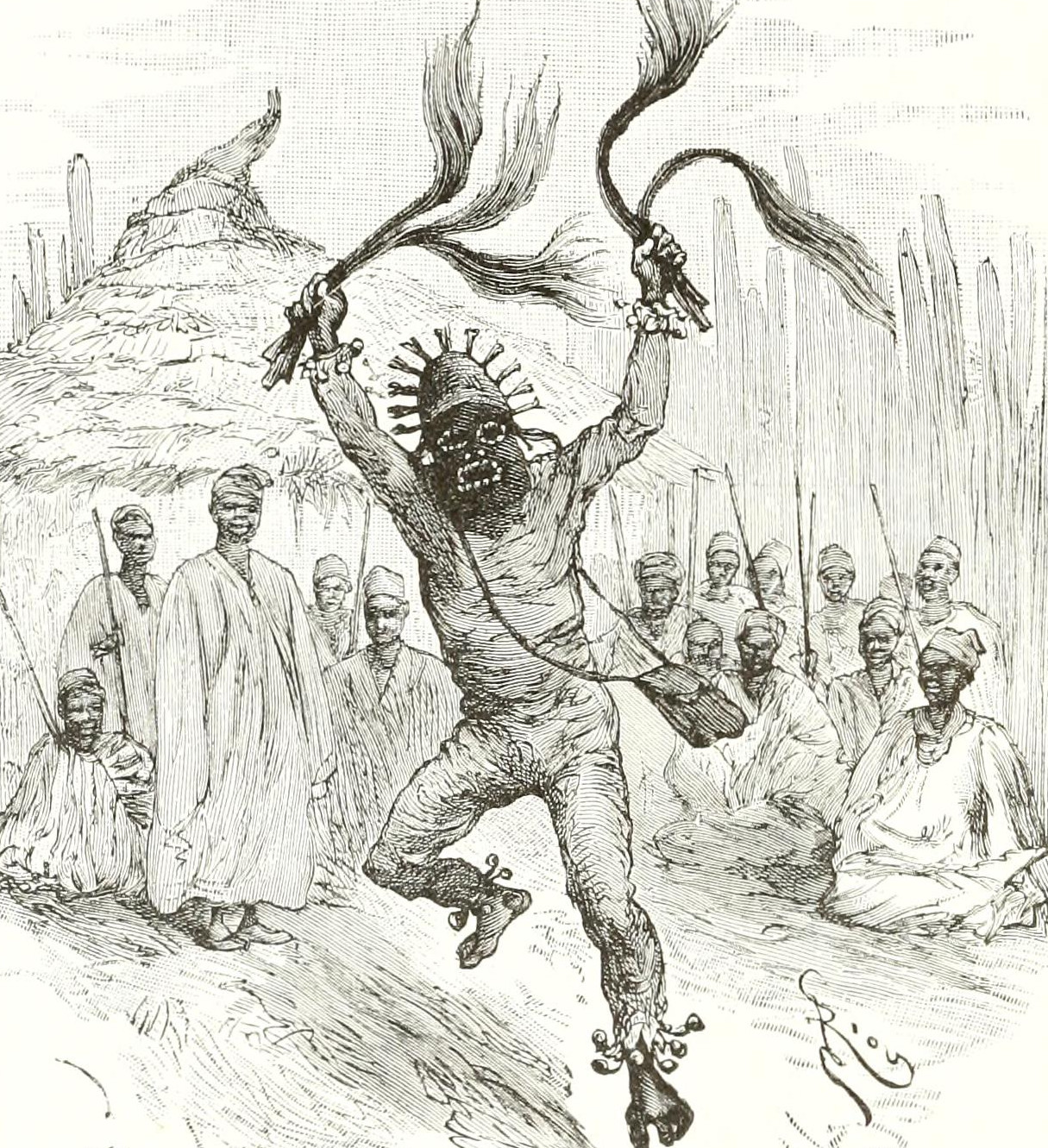 🇺🇸 United States and 2 moreLouisiana Voodoo
An African diasporic religion practiced in Louisiana from the 18th to early 20th centuriesTradition · Healing · Protection Historical
🇺🇸 United States and 2 moreLouisiana Voodoo
An African diasporic religion practiced in Louisiana from the 18th to early 20th centuriesTradition · Healing · Protection Historical
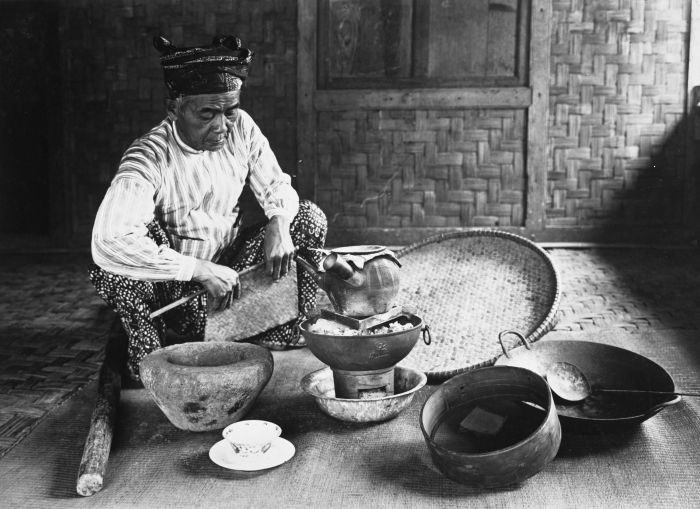 🇮🇩 Indonesia and 2 moreDukun
A traditional healer and spirit medium in Indonesian folk practiceTradition · Healing · Seeing and foretelling Living
🇮🇩 Indonesia and 2 moreDukun
A traditional healer and spirit medium in Indonesian folk practiceTradition · Healing · Seeing and foretelling Living
 🇮🇳 India and 1 moreYoginiयोगिनी
A female master of yoga and tantra, or a fierce goddess aspect in Indian temples.Tradition · Power and authority · Protection Historical
🇮🇳 India and 1 moreYoginiयोगिनी
A female master of yoga and tantra, or a fierce goddess aspect in Indian temples.Tradition · Power and authority · Protection Historical