
Sanamahism
In its own language: ꯁꯅꯥꯃꯍꯤ ꯂꯥꯏꯅꯤꯡ
from Meitei Sanamahi laining, meaning liquid gold religion
The polytheistic ethnic religion of the Meitei people of Manipur, India
Sanamahism is the traditional faith of the Meitei community in Northeast India. It centers on Lainingthou Sanamahi and follows a polytheistic worldview with household worship.
- Named after Lainingthou Sanamahi, guardian of mankind
- Every Meitei household traditionally worships Sanamahi
- Governed by the Maru Loishang administrative body
- Revival movement began in 1930 in Cachar
- Recognized as state religion by Maharaja in 1992
What it is
Sanamahism is the indigenous polytheistic religion of the Meitei people in Manipur, India. It is named after Lainingthou Sanamahi, a key deity who serves as the guardian of mankind. The faith recognizes a supreme creator, Sidaba Mapu, and a supreme goddess, Leimarel Sidabi. Every Meitei household traditionally worships these figures, regardless of other religious affiliations. The system includes ancestral deities, regional spirits, and clan gods. All divine beings are referred to by the term Lai, which means God in the local language.
Where it comes from
Early records appear in the Cheitharol Kumbaba, the court chronicles of Manipur. These texts date back to King Nongda Lairen Pakhangba, who ruled from the first century CE. Modern scholars suggest his reign lasted only twenty-one years. The religion has deep roots in the region's history and identity. It was later suppressed when Hinduism became the state religion in the eighteenth century. A revival movement began in the twentieth century to restore these ancient practices and reclaim sacred sites.
How it is done
Practices include food offerings accompanied by hymns and oracular rituals where priestesses become possessed by deities. An offering formula is spoken over water during the Lai Haraoba festival. Esoteric methods involve mantras for specific purposes, such as stopping rain. Rituals also focus on the Umang Lai Haraoba festival, which honors regional deities associated with sacred groves.
Tools and materials
Water is used in ritual formulas to call upon the gods. Food offerings are central to the ceremonies. Mantras serve as tools for esoteric practices and protection. The faith uses the Meitei Mayek script for its texts. Sacred groves act as physical locations for certain regional deities. Household shrines are placed in the south-west corners of homes.
Sanamahism, drawn and placed
- Living
- Revived
- Fading
- Historical
- Legendary
- Performed
- Lineage
- Meitei ethnic religion
- Timing
- during festivals and daily household rites
What it is for
The religion aims to protect humanity and maintain harmony with the spiritual world. Devotees seek prosperity through Imoinu Ahongbi, the goddess of wealth. Worship ensures the favor of ancestral and regional spirits. The faith seeks to preserve Meitei cultural identity against historical assimilation. It provides a framework for understanding the universe through its pantheon of gods.
Who does it
The Maru Loishang oversees religious activities and governs all affairs. This body acts as a court for disputes and manages priests and priestesses. There is no single religious head. Three departments handle specific duties: Amaiba Loishang, Pena Asheiba Loishang, and Amaibi Loishang. These structures have existed since the seventh century. Priestesses play a vital role in possession rituals.
Peoples and places
The faith belongs primarily to the Meitei people of Manipur in Northeast India. Some followers live in Assam and Myanmar. The religion defines the ethnic identity of the community. Many who identify as Hindu also practice Sanamahism rituals at home. The faith distinguishes itself from neighboring traditions while sharing some similarities with Myanmar's Nat deities.
At a glance: who, where and when
Peoples
Belief worlds
Occasions
What people believe
Theology is polytheistic and animistic. Deities are classified as principal, ancestral, or regional. Male gods use terms like Lainingthou, while female deities use Lairembi. The Umang Lais are seen as aspects of main gods. The world is governed by a hierarchy of spirits and gods. Human actions must align with divine will to ensure prosperity and safety. The faith emphasizes the connection between the physical and spiritual realms.
When it is done
The Umang Lai Haraoba is a major festival honoring regional deities. Daily worship occurs in households. Mass conversions were held on February 16, 1974, to reverse past forced baptisms. The revival movement gained momentum in 1945 and continued through the late twentieth century. Specific dates mark political declarations of the faith as the state religion.
How scholars and sceptics see it
Scholars study the Cheitharol Kumbaba to understand early history. Researchers analyze the revival movement as a response to colonial and post-colonial changes. Anthropologists examine the syncretism between Sanamahism and Hinduism among some practitioners. Historians track the political struggle for official recognition in Indian census data.
Cautions and what is closed
The faith faced suppression when it was replaced by Hinduism as the state religion. Activists have engaged in violent protests to reclaim shrines and gain legal status. The movement opposes certain Hindu practices that replaced traditional rites. Legal battles continue over census classification and minority rights.
Compare and confuse
Sanamahism is related to other indigenous traditions in Northeast India. It shares similarities with the Nat worship of Myanmar. The term Lai is comparable to other regional words for divinity. It differs from Hinduism in its polytheistic structure and lack of a centralized priesthood. The revival movement explicitly rejects assimilation into larger religious frameworks.
Law and persecution
The Manipur State Legislative Assembly has passed resolutions to recognize Sanamahism as a separate minority religion in census data. Previous attempts in 2002 and 2003 were rejected by the central government. In 1992, the Maharaja declared it the state religion, withdrawing recognition from Hinduism. The faith continues to seek official legal status and protection under Indian law.
Today
Approximately 8.19 percent of Manipur's population identifies as Sanamahi. The religion lives through active revival movements and household practices. Organizations like the International Sanamahism Students' Association promote its teachings. Temples house reclaimed idols, and festivals attract large crowds. The faith remains a vital part of Meitei cultural expression.
Questions people ask about Sanamahism
What is Sanamahism?
It is the polytheistic ethnic religion of the Meitei people in Manipur, India. It centers on Lainingthou Sanamahi and includes household worship of ancestral and regional deities.
Where does it come from?
It originates in Manipur, Northeast India. Early records appear in the Cheitharol Kumbaba court chronicles dating to the first century CE.
Who practices it today?
It is practiced by the Meitei community in Manipur. About 8.19 percent of the state's population follows it, though many others blend it with Hinduism.
How is it organized?
There is no single religious head. The Maru Loishang oversees activities, manages priests, and resolves disputes through three specialized departments.
What are its main beliefs?
It believes in a polytheistic system with a supreme creator and guardian god. It honors ancestral spirits and regional deities associated with sacred groves.
Good reading and sources
The facts on this page come from the Wikipedia article "Sanamahism", written by its contributors and used under the CC BY-SA 4.0 licence, and from its Wikidata record (CC0). EveryJaadu rewrote the text in its own words, with AI assistance, and compares every page with the article to make sure no passage is copied. It may be reused under the same CC BY-SA 4.0 licence with a link back.
It may contain mistakes. Names and customs differ from one community to the next, and some knowledge is closed to outsiders and left out here. This page describes belief and practice. It does not say that any of it works, it is not a how-to, and it is not medical advice. If something is wrong, tell us. Last refreshed 2026-10-06.
More from India
All the entries from India 🇮🇳 IndiaChakraचक्र
Meditation points in the subtle body used in Hindu and Buddhist yogaTradition · Speaking with spirits and the dead · Change and initiation Living
🇮🇳 IndiaChakraचक्र
Meditation points in the subtle body used in Hindu and Buddhist yogaTradition · Speaking with spirits and the dead · Change and initiation Living
 🇮🇳 IndiaMahakaleshwar JyotirlingaMahākāleśvara
A sacred Shiva shrine in Ujjain, India, known for its south-facing idol and ancient origins.Tradition · Protection · Power and authority Living
🇮🇳 IndiaMahakaleshwar JyotirlingaMahākāleśvara
A sacred Shiva shrine in Ujjain, India, known for its south-facing idol and ancient origins.Tradition · Protection · Power and authority Living
 🇮🇳 India and 5 moreKolamகோலம்
A daily geometric floor drawing made with rice flour at the home entrance in South IndiaTradition · Protection · Luck and prosperity Living
🇮🇳 India and 5 moreKolamகோலம்
A daily geometric floor drawing made with rice flour at the home entrance in South IndiaTradition · Protection · Luck and prosperity Living
 🇮🇳 India and 5 moreHoliहोली
A Hindu spring festival marked by coloured powders and bonfires to celebrate love and virtue.Tradition · Love and attraction · Cursing and harm Living
🇮🇳 India and 5 moreHoliहोली
A Hindu spring festival marked by coloured powders and bonfires to celebrate love and virtue.Tradition · Love and attraction · Cursing and harm Living
Related elsewhere
All tradition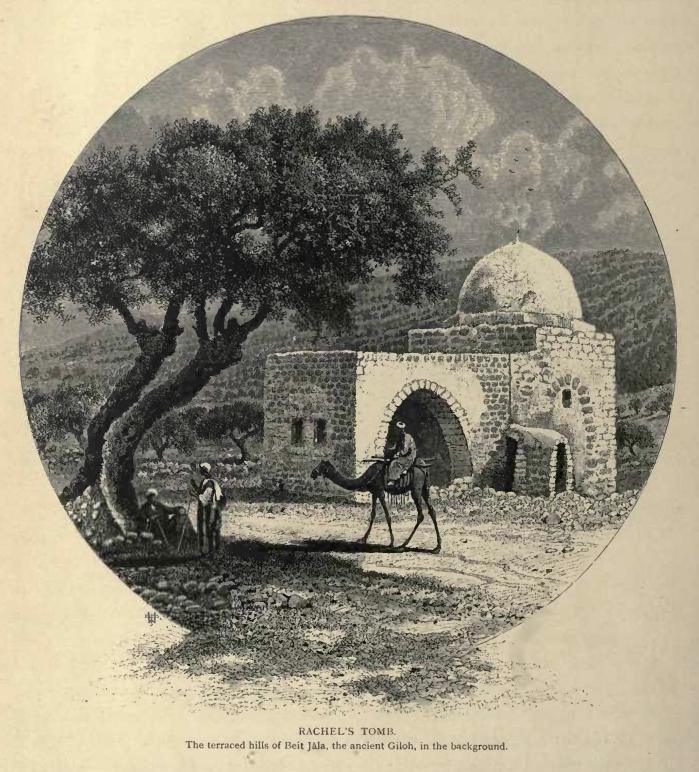 🇵🇸 Palestine and 1 moreRachel's TombQever Raḥel; Qabr Rāḥīl
A shared holy site near Bethlehem revered by Jews, Christians, and MuslimsTradition · Speaking with spirits and the dead · Protection Living
🇵🇸 Palestine and 1 moreRachel's TombQever Raḥel; Qabr Rāḥīl
A shared holy site near Bethlehem revered by Jews, Christians, and MuslimsTradition · Speaking with spirits and the dead · Protection Living
 🇪🇸 Spain and 5 moreSt John's Eve
A Christian vigil marked by bonfires and plant gathering on the summer solstice eveRite · Protection · Speaking with spirits and the dead Living
🇨🇳 China and 4 moreKitchen God灶君
The Chinese hearth deity who reports domestic conduct to the Jade EmperorBeing · Protection · Luck and prosperity Living
🇪🇸 Spain and 5 moreSt John's Eve
A Christian vigil marked by bonfires and plant gathering on the summer solstice eveRite · Protection · Speaking with spirits and the dead Living
🇨🇳 China and 4 moreKitchen God灶君
The Chinese hearth deity who reports domestic conduct to the Jade EmperorBeing · Protection · Luck and prosperity Living