Traditions and systems
Whole bodies of practice: Vodou, shamanism, hoodoo, Wicca, onmyodo, Ifa and the rest.
A tradition is a whole body of magical practice with its own teachers, vocabulary and rules, as distinct from a single charm or rite. Ifa in West Africa, Vodou in Haiti, Tibetan Buddhist ritual, Wicca in Britain and America, and Siberian shamanism are all traditions in this sense. Some are living religions, some are modern inventions, and some survive only in fragments. This page looks at how they differ and what each label hides. Each is described here in its own terms wherever the community has chosen to share them.
Who holds them
A tradition has keepers. In Ifa, a babalawo trains for years and memorises the verses of Odu. In Haitian Vodou, a houngan or mambo is initiated within a house and a lineage. Wicca, by contrast, grew from the writings of Gerald Gardner in the 1950s and spreads by books and covens. Access varies: some traditions are open, some require initiation, and some are closed to outsiders by the community's own rule.
Names that mislead
Outsiders have often given traditions names their keepers did not choose. Colonial officials and missionaries called African and Indigenous religions fetishism, witchcraft or devil worship. The word voodoo, borrowed from the Haitian religion, became a stock horror image, while practitioners say Vodou. Many people also reject the word magic for what they see as plain religion, worship of ancestors or medicine of the land. Some are written down in long poems or scriptures, while others are carried only in memory, song and apprenticeship, which affects how outsiders can study them.
How states treat them
Treatment ranges from protection to prohibition. Haiti recognised Vodou as a religion in 2003. Britain repealed its Witchcraft Act only in 1951. Several African and Pacific states still prosecute witchcraft accusations, and Saudi Arabia has executed people for sorcery. Many traditions were absorbed rather than banned: Santeria wore the faces of Catholic saints, and Taoist ritual was licensed by Chinese emperors. Recognition on paper does not end prejudice: a faith can be legal under a constitution and still be mocked, taxed or policed at local level.
Scholars and sceptics
Anthropologists such as Evans-Pritchard, who studied the Azande in the 1930s, described magic as a coherent system of explanation, not stupidity. Historians stress that boundaries between religion, magic and science were drawn by particular people for particular reasons. Sceptics point out that tests of efficacy have found no effect beyond expectation. Many tradition-bearers answer that the question misses what the practice is for. Folklorists add that traditions are always changing, with no pure original to return to, and that revival is itself a form of change.
Tradition on EveryJaadu
The entries written up so far, best known first.
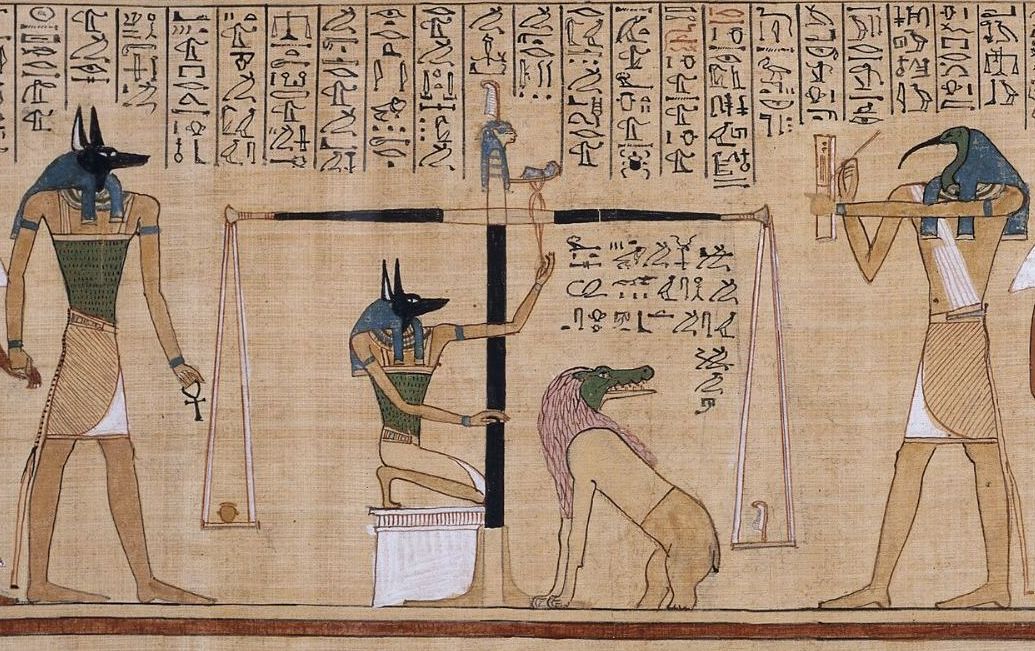 🇪🇬 EgyptAncient Egyptian afterlife beliefs
Rituals and texts guiding the soul through the underworld to rebirthTradition · Protection · Speaking with spirits and the dead Historical
 🇪🇬 Egypt and 5 moreSacred dance
Movement used in worship to honour deities, heal communities, or connect with the spirit world.Tradition · Protection · Healing Living
 🇪🇬 Egypt and 1 moreAncient Egyptian religion
Polytheistic worship, divine kingship, and funerary rites along the NileTradition · Protection · Speaking with spirits and the dead Historical
 🇲🇬 MadagascarMalagasy mythology
The oral traditions and ancestral beliefs of the Malagasy people in MadagascarTradition · Speaking with spirits and the dead · Protection Living
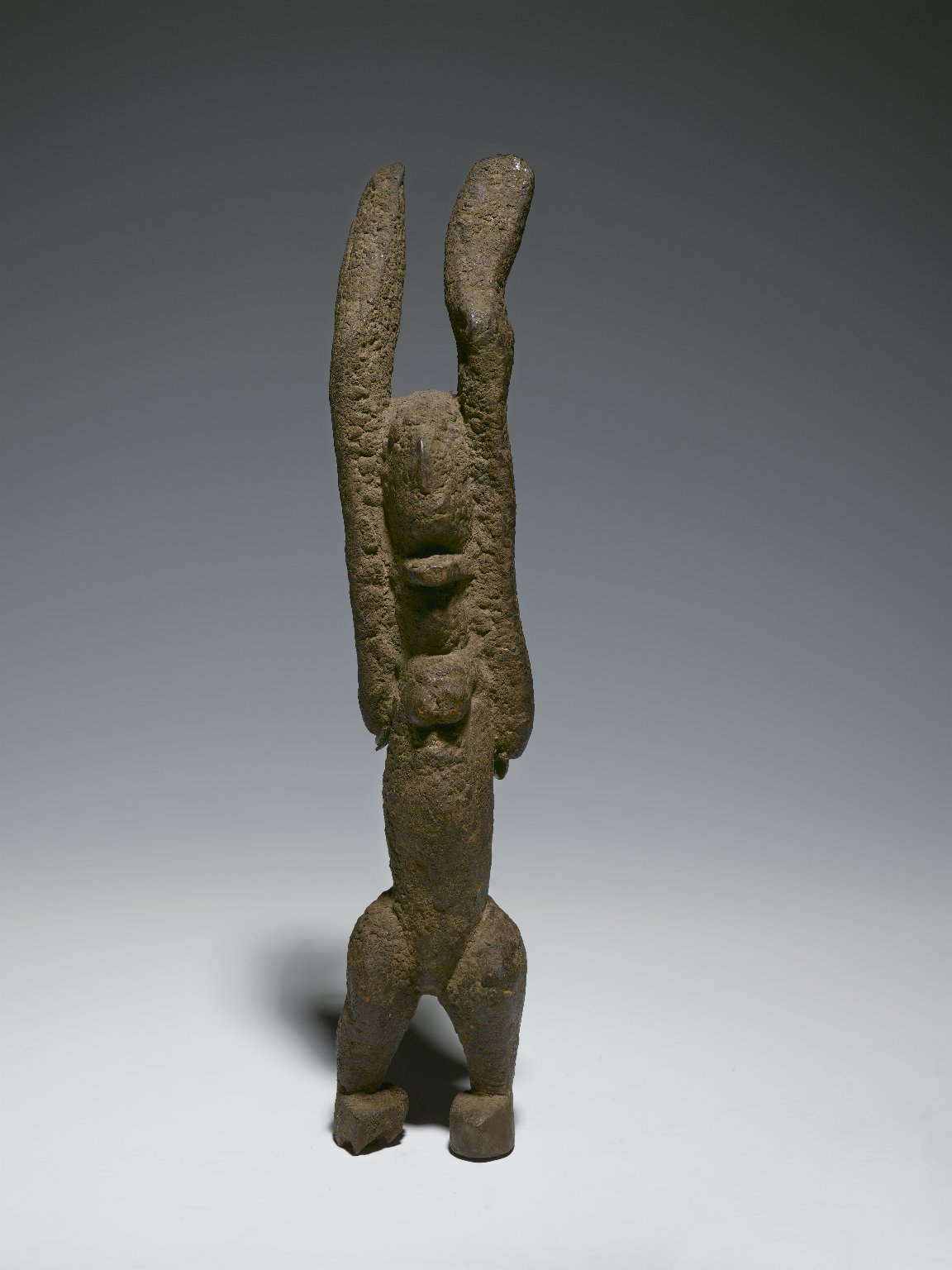 🇲🇱 MaliDogon religion
The traditional spiritual beliefs of the Dogon people of MaliTradition · Protection · Speaking with spirits and the dead Living
 🇯🇵 Japan and 1 moreAinu religion
The animist spiritual beliefs and ritual practices of the Ainu people of Japan and RussiaTradition · Protection · Speaking with spirits and the dead Living
 🇰🇪 Kenya and 1 moreMaasai religion
The spiritual beliefs of the semi-nomadic Maasai people of East AfricaTradition · Protection · Healing Living
 🇲🇽 Mexico and 5 moreDay of the DeadDía de los Muertos
A Mexican holiday honoring the dead with altars, food, and humor during Allhallowtide.Tradition · Speaking with spirits and the dead · Luck and prosperity Living
 🇯🇵 JapanMount Osore恐山
A volcanic pilgrimage site in Japan believed to be a gateway to the underworldTradition · Speaking with spirits and the dead · Protection Living
🇬🇧 United Kingdom and 4 moreTelling the bees
A Western European custom of informing hives about major household eventsTradition · Protection · Luck and prosperity Living
 🇬🇧 United Kingdom and 4 moreCunning folk
European practitioners of folk medicine and helpful magic from the Middle Ages to the twentieth centuryTradition · Protection · Healing Historical
🇯🇵 JapanYutaユタ
Okinawan folk shamans who guide families through spirits and fortune-tellingTradition · Protection · Healing Living
 🇨🇿 Czech RepublicCzech folklore
The folk traditions of the Czech people, from seasonal rites to music and craft.Tradition · Protection · Luck and prosperity Living
🇯🇵 JapanNoro祝女
Ryukyuan village priestesses who tend sacred hearths and utaki shrinesTradition · Speaking with spirits and the dead · Protection Fading
 🇨🇺 Cuba and 2 moreAbakuá
A male-only Cuban religious fraternity with West African roots and strict secrecyTradition · Protection · Speaking with spirits and the dead Living
 🇮🇳 India and 1 morePitru Pakshaपितृ पक्ष
A sixteen-day Hindu period for honoring ancestors through food offerings and death ritesTradition · Speaking with spirits and the dead · Luck and prosperity Living
 🇬🇹 Guatemala and 3 moreMaya religion
The living spiritual practices of the Maya peoples, shaped by centuries of contact with Catholicism.Tradition · Protection · Healing Living
 🇮🇪 Ireland and 4 moreCairncarn
A human-made pile of stones used as a marker, memorial, or ritual object across many cultures.Tradition · Protection · Speaking with spirits and the dead Living
 🇰🇷 South KoreaGut굿
Rites performed by Korean shamans to commune with spirits and ensure community welfare.Rite · Protection · Speaking with spirits and the dead Living
 🇨🇳 China and 1 moreAncestor veneration in China
Rites for dead kin who are thought to watch over the familyTradition · Protection · Speaking with spirits and the dead Living
 🇭🇹 Haiti and 1 moreOungan
A male priest in Haitian Vodou who leads rituals and serves as a medium for spirits.Tradition · Speaking with spirits and the dead · Healing Living
 🇻🇺 Vanuatu and 5 moreKava culture
A shared ritual across Oceania where a root brew marks ceremony, respect, and social gathering.Tradition · Speaking with spirits and the dead · Luck and prosperity Living
🇳🇿 New Zealand and 5 moreTapu
A Polynesian concept of sacred restriction and spiritual prohibitionTradition · Protection · Speaking with spirits and the dead Living
🇳🇿 New ZealandKarakia
Māori recitations used for spiritual guidance, protection, and formal greetingsTradition · Protection · Speaking with spirits and the dead Living
 🇨🇳 China and 1 moreDongyue Dadi東嶽大帝
The Chinese mountain god of Mount Tai who rules lifespans and underworld recordsBeing · Speaking with spirits and the dead · Power and authority Living
 🇨🇳 China and 3 moreHmong folk religionKev Dab Qhuas
The ethnic religion of the Miao and Hmong peoples, centered on spirit worship and shamanic healing.Tradition · Healing · Protection Living
 🇮🇳 India and 5 moreAncestor veneration
Rituals honoring the dead to maintain kinship bonds and seek guidance from spiritsTradition · Speaking with spirits and the dead · Protection Living
🇮🇳 India and 5 moreAncestor veneration
Rituals to honor the dead and maintain kinship bonds across generationsTradition · Speaking with spirits and the dead · Protection Living
 🇸🇳 Senegal and 5 moreVeneration of the dead
Rituals of respect and offerings for ancestors across global culturesTradition · Protection · Speaking with spirits and the dead Living
 🇷🇺 RussiaReindeer in Siberian shamanism
The role of reindeer as spirit helpers, ritual tools, and burial vehicles in the shamanic traditions of Northern AsiaTradition · Healing · Speaking with spirits and the dead Living
 🇨🇳 China and 1 moreNuo folk religion傩 (Nuó)
A Chinese exorcistic tradition using wooden masks and ancestor worship to drive away malevolent forcesTradition · Protection · Speaking with spirits and the dead Living
 🇵🇭 PhilippinesIndigenous religious beliefs of the Tagbanwa people
The traditional spiritual system and rituals of the Tagbanwa indigenous community in the Philippines.Tradition · Protection · Healing Fading
 🇭🇹 HaitiChristian-Vodou
The blending of Haitian Vodou and Roman Catholicism into a single spiritual practiceTradition · Speaking with spirits and the dead · Protection Living
 🇮🇩 IndonesiaMarapu
Ancestral religion of Sumba and Flores in IndonesiaTradition · Speaking with spirits and the dead · Protection Living
🇺🇦 Ukraine and 5 moreBullroarer
A wooden slat on a string that produces a roaring sound for ritual and communication.Tradition · Protection · Speaking with spirits and the dead Living
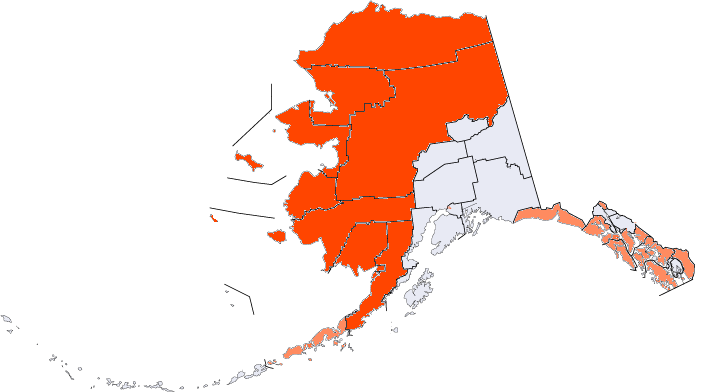 🇺🇸 United StatesShamanism among Alaska Natives
Traditional spiritual practices of Indigenous peoples in AlaskaTradition · Healing · Seeing and foretelling Fading
 🇨🇳 ChinaYao folk religion梅山教
The ethnic religion of the Yao, blended with Taoism since the 13th centuryTradition · Protection · Cleansing and purification Living
🇳🇵 Nepal and 3 moreGurung ShamanismTamu Cho
The ancient shamanic beliefs and rituals of the Gurung people in NepalTradition · Protection · Speaking with spirits and the dead Living
 🇿🇦 South Africa and 1 moreSacred caves of the Basotho
Cave networks in South Africa and Lesotho used by the Basotho for ancestral rituals and healingTradition · Healing · Protection Living
🇻🇳 VietnamVietnamese ghostsHồn ma
Wandering spirits in Vietnam, and the rites held to feed or calm themBeing · Protection · Speaking with spirits and the dead Living
Photo credits on this page
The small pictures above come from Wikimedia Commons under free licences. Some are cropped to fit.
- Veneration of the dead: Anonymous ( Flemish ) Unknown author, Public domain, source
- Sacred dance: Jorge Barrios, CC BY-SA 3.0, source
- Rada lwa: Calvin Hennick, for WBUR Boston, CC BY 3.0, source
- Xtabay: Unknown author, Public domain, source
- Ancient Egyptian religion: Moh hakem, CC BY-SA 4.0, source
- Malagasy mythology: Saveoursmile (Hery Zo Rakotondramanana), CC BY-SA 2.0, source
- Dogon religion: Unknown author, CC BY 3.0, source
- Ainu religion: Unknown author, Public domain, source
- Maasai religion: Dr. Ondřej Havelka (cestovatel), CC BY 4.0, source
- Day of the Dead: RubeHM, CC BY-SA 4.0, source
- Witchcraft in the Philippines: The original uploader was Rodsan18 at English Wikipedia . ( Original t, CC BY 2.5, source
- Mount Osore: Douglas P Perkins ( Douglaspperkins ( talk )), CC BY 3.0, source
- Sacred caves of the Basotho: JMK, CC BY-SA 3.0, source
- Yao folk religion: Daderot, Public domain, source
- Kava culture: Jaejay77, CC BY-SA 4.0, source
- Dongyue Dadi: H2v5o68z, CC0, source
- Hmong folk religion: Thomas Riccio, CC BY 4.0, source
- Ancestor veneration: Thang Nguyen, CC BY-SA 2.0, source
- Cunning folk: Midnightblueowl at English Wikipedia, CC BY-SA 3.0, source
- Marapu: Unknown author, CC BY-SA 3.0, source
- Czech folklore: Biser Todorov, CC BY-SA 4.0, source
- Abakuá: M. Puente, Public domain, source
- Pitru Paksha: Firoz Shakir, CC BY-SA 3.0, source
- Cairn: Andrew Bossi, CC BY-SA 2.5, source
- Gut: ReSearcher at English Wikipedia, CC BY-SA 3.0, source
- Reindeer in Siberian shamanism: Unknown author, Public domain, source
- Shamanism among Alaska Natives: Balkanian`s word, Public domain, source
- Ancestor veneration in China: Three huntings, CC BY-SA 4.0, source
- Oungan: Anthony Karen, CC BY 4.0, source
- Nuo folk religion: Wikiwikiyarou, CC BY-SA 3.0, source
- Ancient Egyptian afterlife beliefs: Hunefer, Public domain, source