Charms, amulets and talismans
Made and worn things: the nazar, the hamsa, the omamori, the mojo bag and the witch bottle.
Charms, amulets and talismans are things made or chosen to carry a purpose. The blue glass nazar in Turkey, the hamsa hand across North Africa and the Middle East, the Japanese omamori, the Haitian pwen, the Italian cornicello and the Hoodoo mojo bag all belong here. They are small, portable and personal, and found on every continent. This page looks at what they are said to do and how they are made, sold and understood.
Amulet or talisman
The two words are often used loosely. An amulet is usually said to protect by what it is, such as a blue bead against the evil eye. A talisman is made or empowered for a purpose, often with writing, a name or a date. Islamic, Jewish, Taoist and Hindu traditions all have written talismans: the Taoist fu, the Jewish kame'a, the Hindu yantra and the Muslim hirz. The common thread is that something small and personal is believed to hold a purpose on behalf of its owner.
Making and keeping
Many charms are made by specialists, then blessed or sold at a temple, shrine or market. Others are made at home, such as a red thread, a knotted cord, or a horseshoe nailed over a door. Practitioners usually say a charm should be kept clean, respected and not shown off. In Japan an omamori is returned to its shrine after a year. Charm makers are often women, jewellers, scribes or temple staff, and the person who makes a charm may not be the person who blesses it.
Faith and suspicion
Religious authorities disagree on charms. Some Islamic scholars allow Quranic verses carried as a reminder and reject objects held to work by themselves. Many Christian churches have blessed medals and scapulars while condemning amulets of folk origin. Sikh teaching rejects charms altogether. Anthropologists read them as ways to hold fear and uncertainty in a form a person can carry. Interpretation is divided within religions too, so one family may treat a bead as decoration while a neighbour treats it as a serious shield.
Market and appropriation
Charms are big business. Evil-eye beads sell as fashion on every high street, and the hamsa appears as a decoration far from its homes. Fakes are common, and some sellers promise outcomes in ways that amount to fraud, particularly in expensive gemstone or lottery charm schemes. Sacred designs used as a logo can offend the community they come from. Designers have taken eyes, hands and runes as motifs, and while many communities are glad to see them shared, others ask that sacred symbols not be turned into trivia or used by brands.
Charm on EveryJaadu
The entries written up so far, best known first.
 🇮🇳 India and 5 moreBindibindú
A dot worn on the forehead to mark spiritual focus and marital status in South Asia.Charm · Protection · Power and authority Living
 🇵🇭 Philippines and 1 moreAgimatAnting-anting
A Filipino amulet or charm believed to grant protection, power, and supernatural abilities.Charm · Protection · Love and attraction Living
 🇬🇧 United Kingdom and 4 moreCorn dolly
A straw figure made from the last sheaf of a harvest to house the crop spiritTradition · Protection · Luck and prosperity Revived
 🇮🇳 IndiaUnicorn horn
A legendary object believed to neutralize poison and cure disease, traded as narwhal teeth for centuries.Charm · Healing · Protection Historical
 🇬🇧 United Kingdom and 2 moreSoul cake
A spiced cake given to soulers during Allhallowtide to remember the dead.Tradition · Speaking with spirits and the dead · Luck and prosperity Living
 🇪🇬 Egypt and 5 moreHamsaخمسة
A palm-shaped amulet used across North Africa and the Middle East for protection.Charm · Protection · Luck and prosperity Living
 🇰🇭 Cambodia and 3 moreSak Yantសាក់យ័ន្ត
Sacred geometric tattoos from Southeast Asia believed to grant protection and powerTradition · Protection · Luck and prosperity Living
 🇪🇬 EgyptAbraxasἈβράξας
A Gnostic archon and the name on ancient protective gemstonesBeing · Protection Historical
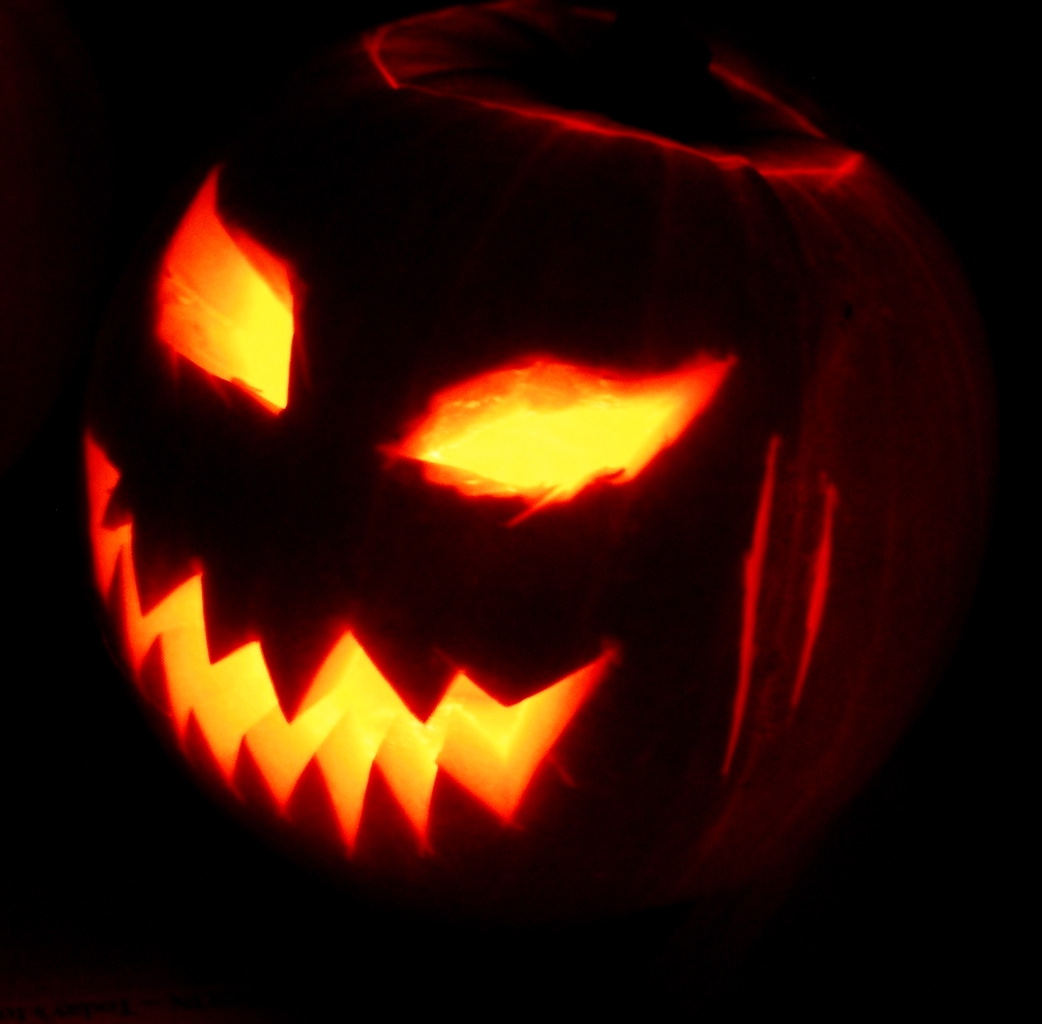 🇮🇪 Ireland and 2 moreJack-o'-lantern
A hollowed vegetable carved with a face and lit from within, worn as a Halloween symbolCharm · Protection · Wonder and entertainment Living
 🇳🇵 Nepal and 1 moreMani stone
Carved stones bearing Buddhist mantras, placed as devotional offerings along paths and rivers.Charm · Protection · Speaking with spirits and the dead Living
 🇮🇳 India and 5 moreCowrie
A sea snail shell used as currency, divination tool, and charm across many culturesSubstance · Seeing and foretelling · Luck and prosperity Living
 🇪🇬 Egypt and 3 moreEx-voto
A gift left in a shrine to mark a vow kept or a miracle receivedCharm · Protection · Healing Living
 🇦🇷 Argentina and 2 moreSan La Muerte
A skeletal folk saint venerated in South America for protection and favorsTradition · Protection · Healing Living
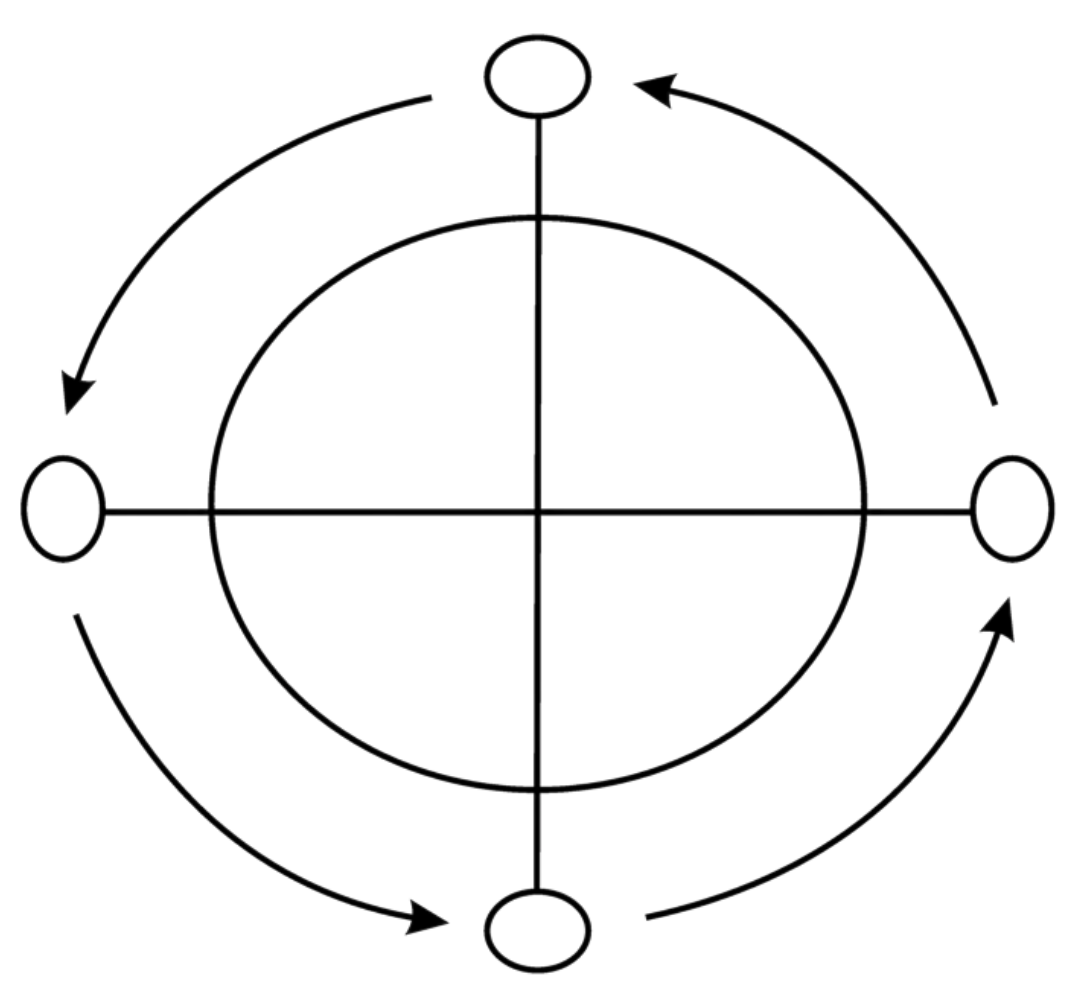 🇨🇬 Republic of the CongoNkisi
A Kongo spirit, and the object a spirit is held to live inBeing · Protection · Healing Living
 🇳🇬 Nigeria and 2 moreOpon IfáỌpọ́n Ifá
A carved wooden tray used by Yoruba diviners to read signs and consult spirits.Charm · Seeing and foretelling · Speaking with spirits and the dead Living
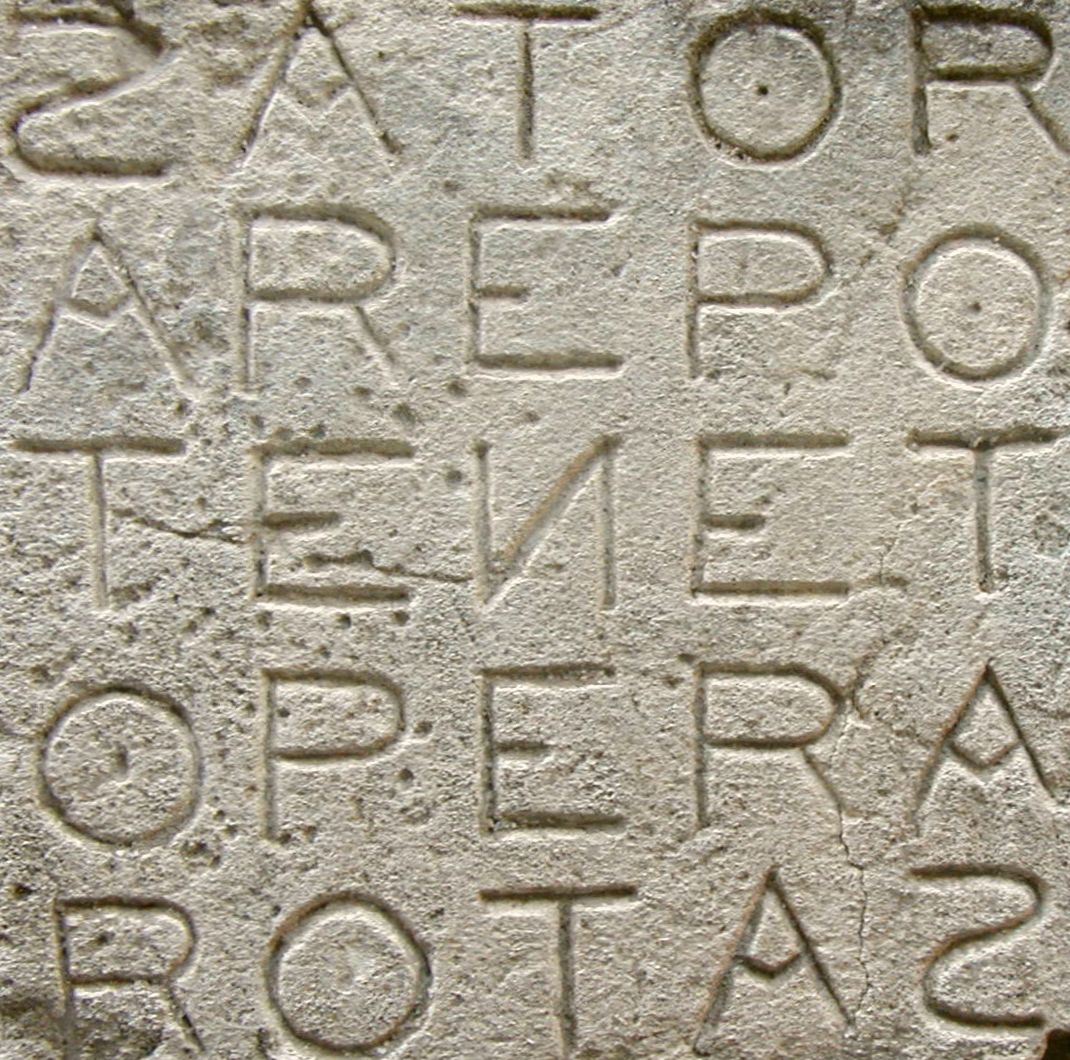 🇮🇹 Italy and 5 moreSator Square
A five-word Latin palindrome found in Roman ruins and medieval churchesCharm · Protection · Healing Historical
 🇮🇪 Ireland and 1 moreBrigid's crossCros Bhríde
A woven straw charm hung for protection, named after Ireland's patron saintCharm · Protection · Luck and prosperity Living
 🇬🇧 United KingdomWitch ball
A glass sphere hung in windows to trap spirits and ward off evilCharm · Protection Historical
 🇯🇵 JapanOfudaお札/御札
Paper or wood talismans from Japanese shrines and temples believed to hold divine power.Charm · Protection · Cursing and harm Living
 🇮🇸 IcelandIcelandic magical stavesgaldrastafir
Sigils from Icelandic grimoires believed to hold magical powerCharm · Power and authority Historical
 🇬🇧 United Kingdom and 2 moreAdder stone
A naturally perforated stone used as a protective talisman in European folkloreCharm · Protection · Luck and prosperity Historical
 🇨🇳 China and 5 moreJoss paper金紙
Paper burned as money and goods for ancestors, gods and the deadCharm · Speaking with spirits and the dead · Luck and prosperity Living
 🇪🇬 Egypt and 1 moreShen ring
An ancient Egyptian symbol of eternal protection, shaped like a rope looped around a stick.Charm · Protection Historical
 🇬🇷 Greece and 2 moreCurse tabletκατάδεσμος
A lead sheet inscribed with a binding curse in the Greco-Roman worldCharm · Cursing and harm · Love and attraction Historical
 🇮🇱 Israel and 5 moreTefillinתְּפִלִּין
Black leather boxes containing Torah scrolls, worn by Jewish men during weekday prayers.Charm · Speaking with spirits and the dead · Protection Living
 🇯🇵 JapanDaruma doll達磨
A round Japanese talisman that rights itself when knocked overCharm · Luck and prosperity · Power and authority Living
 🇨🇳 China and 5 moreSky lantern天燈
A paper hot air balloon lifted by flame to carry wishes and blessingsRite · Luck and prosperity · Protection Living
 🇪🇬 Egypt and 1 moreEye of Horuswḏꜣt
A stylized eye symbol in ancient Egypt representing healing and cosmic orderCharm · Protection · Healing Historical
 🇯🇵 Japan and 3 moreManeki-neko招き猫
A Japanese figurine of a beckoning cat believed to bring luck and prosperityCharm · Luck and prosperity · Protection Living
 🇮🇹 Italy and 5 moreFig sign
A hand gesture used to ward off the evil eye or as an insult in many culturesBelief · Protection · Cursing and harm Living
 🇪🇬 EgyptDjedḏd
An ancient Egyptian pillar symbol representing stability and resurrectionCharm · Protection · Power and authority Historical
 🇲🇳 Mongolia and 1 moreOvooовоо
A stone or branch cairn used as a shrine and border marker in Mongolic folk religion.Tradition · Protection · Speaking with spirits and the dead Living
🇬🇧 United KingdomEvil eye bead (sample)Nazar boncuğu
A blue glass bead hung to turn aside envy.Charm · Protection Living
🇹🇷 TurkeyHamsa (sample)Khamsa
An open hand with an eye, hung on doors.Charm · Protection · Luck and prosperity Living
🇯🇵 JapanOmamori (sample)お守り
A small shrine charm in a brocade pouch.Charm · Protection · Luck and prosperity Living
🇬🇧 United KingdomWitch bottle (sample)
A stoppered bottle set out against curses.Charm · Protection · Cursing and harm Historical
 🇯🇵 JapanTeru teru bōzuてるてる坊主
A white paper doll hung outside to ask for sunny weatherCharm · Luck and prosperity Living
 🇮🇹 Italy and 2 moreBulla
A round Roman amulet given to freeborn boys as a mark of status and protectionCharm · Protection · Luck and prosperity Historical
 🇺🇸 United States and 1 moreBarnstar
A painted or carved star used to decorate barns in parts of the United States and Canada.Charm · Luck and prosperity · Wonder and entertainment Living
 🇯🇵 JapanSaruboboさるぼぼ
A faceless red doll from Japan, given as a charm for family and fortuneCharm · Luck and prosperity · Protection Living
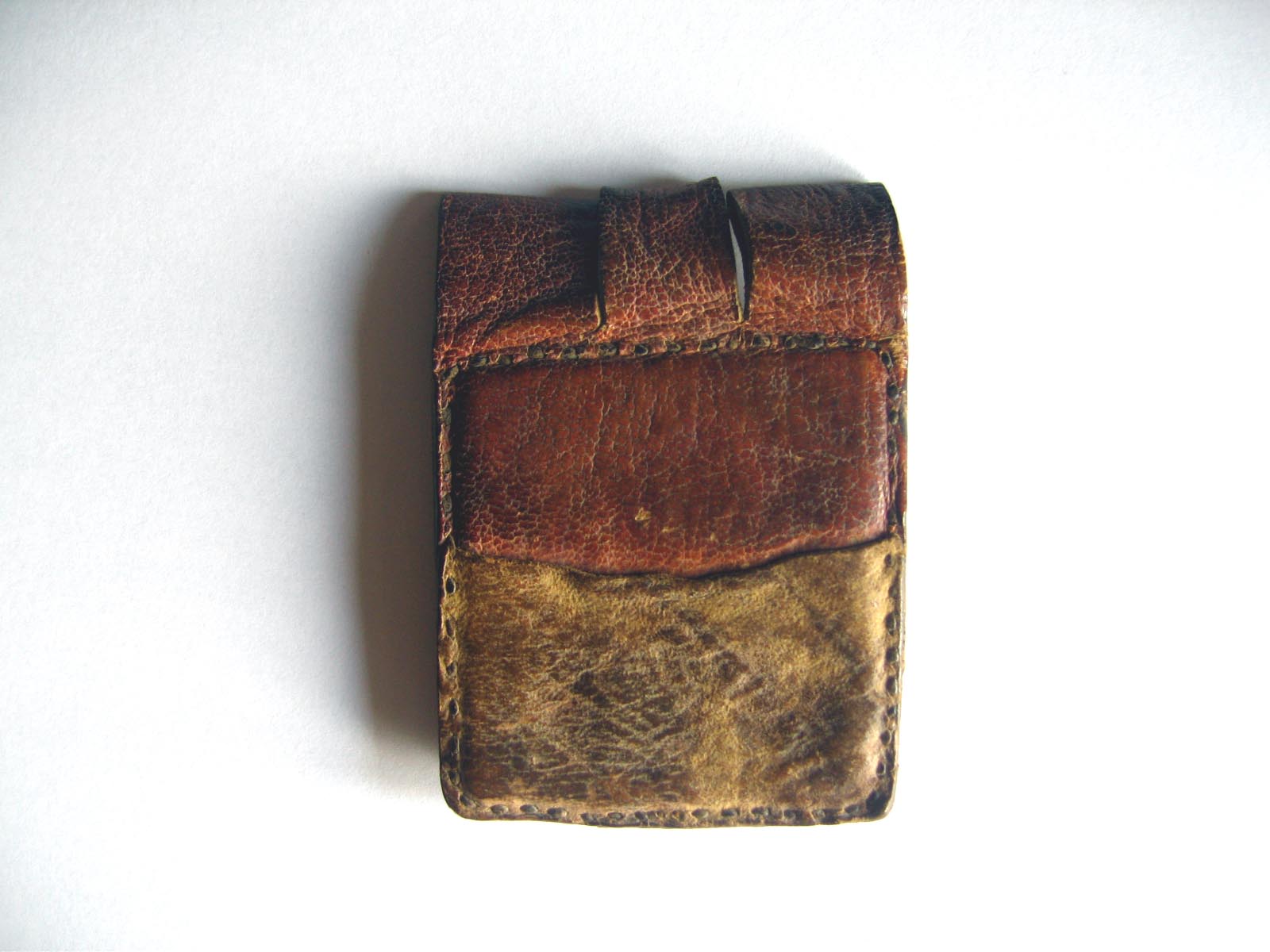 🇲🇱 Mali and 3 moreGris-gris
A small pouch or charm from West Africa used for protection and luck.Charm · Protection · Luck and prosperity Living
 🇯🇵 Japan and 1 moreGood Luck Flag寄せ書き日の丸 (yosegaki hinomaru)
A Japanese national flag signed by loved ones to wish a soldier safety and victory.Charm · Protection · Luck and prosperity Living
 🇯🇵 JapanKin no unko金のうんこ
A Japanese charm shaped like faeces that is believed to bring good fortuneCharm · Luck and prosperity Living
 🇹🇷 Turkey and 1 moreTalismanic shirttılsımlı gömlek
A worn textile inscribed with sacred verses and symbols for protection in the Muslim worldCharm · Protection Historical
 🇳🇿 New ZealandHei matau
A stylized fish hook amulet symbolizing safe travel and prosperity in Māori cultureCharm · Luck and prosperity · Protection Living
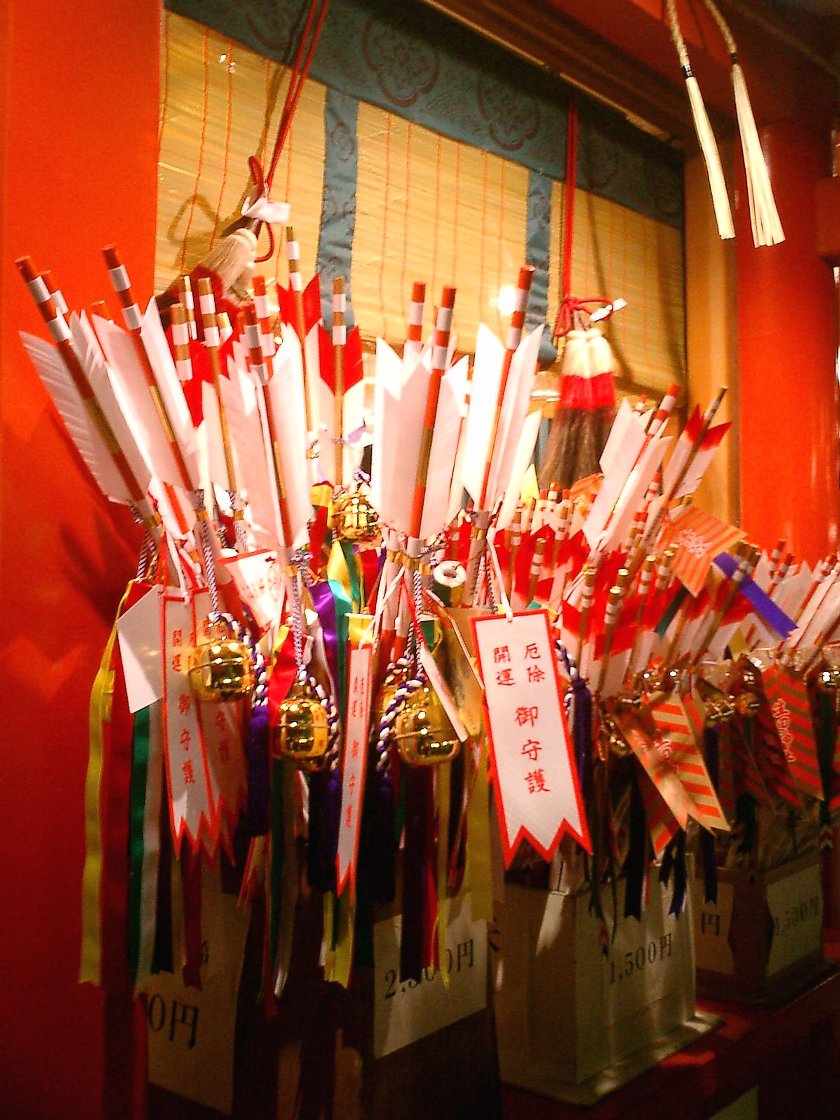 🇯🇵 JapanHamaya破魔矢
A blunt arrow given at shrines to ward off evil and secure good luck for the new yearCharm · Protection · Luck and prosperity Living
 🇨🇳 ChinaPig dragon玉豬龍
A coiled Neolithic jade amulet from Hongshan culture, possibly an early dragon imageCharm · Power and authority Historical
 🇯🇵 JapanFukusuke福助
A kneeling Japanese doll believed to bring wealth and honorCharm · Luck and prosperity · Power and authority Living
Photo credits on this page
The small pictures above come from Wikimedia Commons under free licences. Some are cropped to fit.
- Barnstar: Una Smith, CC BY-SA 4.0, source
- Icelandic magical staves: Unknown author, Public domain, source
- Eye of Horus: Tangopaso, Public domain, source
- Fukusuke: Nesnad, CC BY-SA 3.0, source
- Soul cake: Samantha, CC BY 2.0, source
- Halloween: Toby Ord, CC BY-SA 2.5, source
- Daruma doll: Crisco 1492, Public domain, source
- Bindi: Vinay Sahay, CC BY-SA 4.0, source
- Corn dolly: Renata ( talk ), Public domain, source
- Mani stone: John Hill, CC BY-SA 4.0, source
- Hei matau: Skyring, CC BY-SA 4.0, source
- Simbi: MiddleOfAfrica, CC BY-SA 4.0, source
- Talismanic shirt: Ibrahim Husain Meraj, CC BY-SA 4.0, source
- Opon Ifá: Unknown author, CC BY 3.0, source
- Brigid's cross: Culnacreann, CC BY 3.0, source
- Shen ring: Rama, CC BY-SA 3.0 fr, source
- Sarubobo: Unknown author, CC BY-SA 3.0, source
- Sky lantern: Richy, CC BY-SA 3.0, source
- Maneki-neko: Su--May, CC BY 2.0, source
- Ex-voto: JTSH26, CC BY-SA 4.0, source
- Abraxas: Louis Breton, M. Jarrault, Public domain, source
- Teru teru bōzu: Novaric at English Wikipedia, CC BY-SA 3.0, source
- San La Muerte: Sergio Serrano, CC BY-SA 2.0, source
- Sator Square: M Disdero, CC BY-SA 3.0, source
- Pig dragon: Prof. Gary Lee Todd, CC BY-SA 4.0, source
- Ofuda: 教派研究 (Sectarian research), CC BY-SA 3.0, source
- Bulla: Anonymous ( Category:Etruscans ) Unknown author, Public domain, source
- Good Luck Flag: takato marui, CC BY-SA 2.0, source
- Joss paper: Vmenkov, CC BY-SA 3.0, source
- Gris-gris: Teogomez, CC BY-SA 3.0, source
- Tefillin: Brooklyn Museum, CC BY 3.0, source
- Fig sign: Harald the Bard, CC BY-SA 4.0, source
- Hamaya: Tomomarusan, CC BY 2.5, source
- Ovoo: Bouette ., CC BY-SA 3.0, source
- Cowrie: NOAA (Photo Collection of Dr. James P. McVey, NOAA Sea Grant Program), Public domain, source
- Djed: Anonymous ( Egypt ) Unknown author, Public domain, source
- Witch ball: John W. Schulze, CC BY 2.0, source
- Agimat: FroyAgta, CC BY-SA 4.0, source
- Hamsa: Kritzolina, CC BY-SA 4.0, source
- Unicorn horn: Unknown author, CC BY 4.0, source
- Sak Yant: Mikhailovich, CC BY 3.0, source
- Adder stone: Ansgar Koreng, CC BY-SA 3.0 de, source
- Curse tablet: Unknown artist, Public domain, source
- Kin no unko: enmoto, CC BY 2.0, source