Beliefs, omens and superstitions
Luck and unluck, the evil eye, knocking on wood and the small customs people keep without asking why.
Beliefs, omens and superstitions are the small customs people keep without asking why: knocking on wood, salt over the shoulder, avoiding the number thirteen, the evil eye, a black cat crossing the road, a first visitor of the new year. They are found on every continent and are rarely tied to a priest or book. This page looks at where they come from, what the word superstition hides, and why they persist.
What they look like
Beliefs differ by place. The number four is avoided in China, Japan and Korea because it sounds like the word for death, while thirteen is avoided in much of the West. In India, a sneeze before leaving home may delay a journey, and a lemon and chillies are hung over a shop. The evil eye is feared under many names: nazar, mal de ojo, ayin hara. First-footing at new year in Scotland is said to bring luck to a house.
Whose word is superstition
The word superstition has a history. Roman writers used it for religion they disliked, and Christian writers for forbidden practice. Today it often means someone else's belief. Many religions regard some of their own customs as faith and others as superstition, and where the line falls depends on the speaker. Using the word can mark a speaker as modern and a neighbour as backward. Tests of common superstitions show that people who hold them are not less educated or less rational than others, and many hold them lightly.
Why people keep them
Psychologists find that superstition rises with uncertainty and stakes, which is why athletes, sailors, students and gamblers are known for them. Anthropologist Bronislaw Malinowski observed in the 1920s that Trobriand fishermen used rites in dangerous deep-sea fishing and not in safe lagoon fishing. Most people who follow small customs say they do so partly in jest and partly just in case. Similar customs turn up in places that have never met each other, which suggests that people everywhere respond to risk in similar ways.
When belief causes harm
Most superstitions are harmless. Some are not: beliefs about witchcraft have led to killings in parts of Africa, India and Papua New Guinea, and beliefs about albinism have led to attacks in Tanzania and Malawi. Others cost people money, as when a fee is demanded to lift a bad omen. Education, law and trusted community leaders have all been part of reducing harm. Campaigns by health workers, teachers and community radio have been effective where they listen first and explain later.
Belief on EveryJaadu
The entries written up so far, best known first.
 🇬🇷 Greece and 5 moreBay Laurelδάφνη
An aromatic Mediterranean plant used in cooking and as a symbol of victory and purification.Substance · Protection · Cleansing and purification Living
 🇮🇳 India and 1 moreYoginiयोगिनी
A female master of yoga and tantra, or a fierce goddess aspect worshipped in open-air shrines.Tradition · Power and authority · Protection Historical
🇸🇪 Sweden and 3 moreRunic magic
The use of ancient Germanic letters for spells, divination, and protectionTradition · Protection · Seeing and foretelling Living
🇨🇳 China and 4 moreKitchen God灶君
The Chinese hearth deity who reports domestic conduct to the Jade EmperorBeing · Protection · Luck and prosperity Living
 🇬🇪 Georgia and 2 moreGeorgian mythologyქართული მითოლოგია
The pre-Christian beliefs of the Kartvelian peoples in the South CaucasusTradition · Protection · Seeing and foretelling Historical
 🇷🇺 Russia and 1 moreCaul
A birth membrane kept as a talisman for luck and protection from drowningCharm · Protection · Luck and prosperity Historical
 🇷🇺 Russia and 4 moreFolk Orthodoxyнародное православие
A blend of Eastern Orthodox doctrine and pre-Christian pagan beliefs in Slavic communitiesTradition · Protection · Luck and prosperity Living
🇳🇿 New Zealand and 5 moreTapu
A Polynesian concept of sacred restriction and spiritual prohibitionTradition · Protection · Speaking with spirits and the dead Living
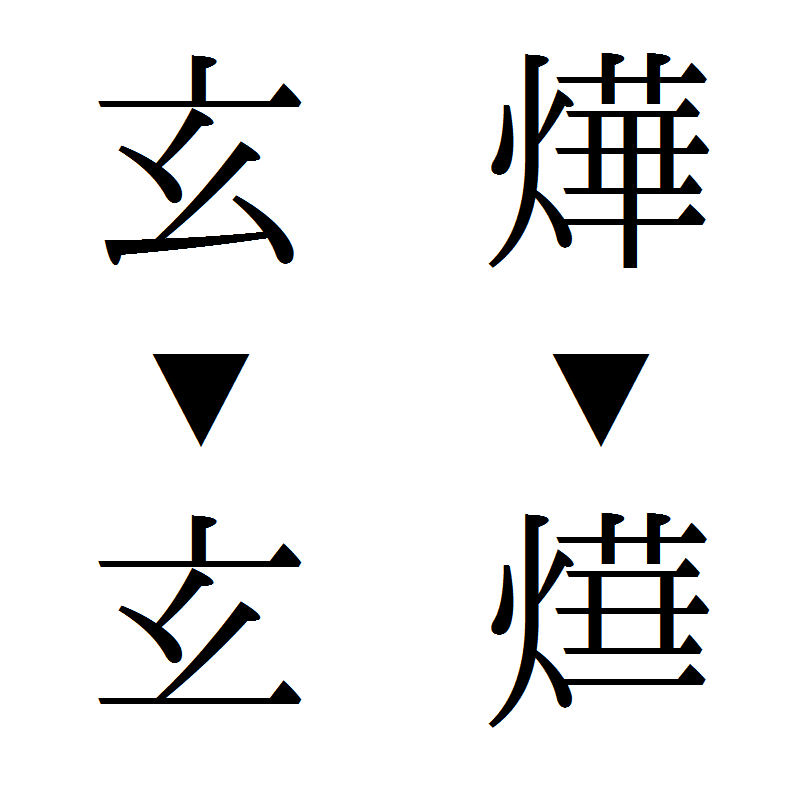 🇨🇳 China and 2 moreNaming taboo避諱
A cultural rule against speaking or writing the names of rulers and ancestorsBelief · Protection Living
 🇪🇪 Estonia and 1 moreEstonian mythologyeesti mütoloogia
The pre-Christian beliefs and legends of the Estonian peopleTradition · Protection · Speaking with spirits and the dead Historical
 🇮🇳 India and 5 moreAncestor veneration
Rituals to honor the dead and maintain kinship bonds across generationsTradition · Speaking with spirits and the dead · Protection Living
 🇨🇳 China and 2 moreMenshen門神
Guardian figures pasted to doors in Chinese folk religion to protect homes from evil.Belief · Protection · Luck and prosperity Living
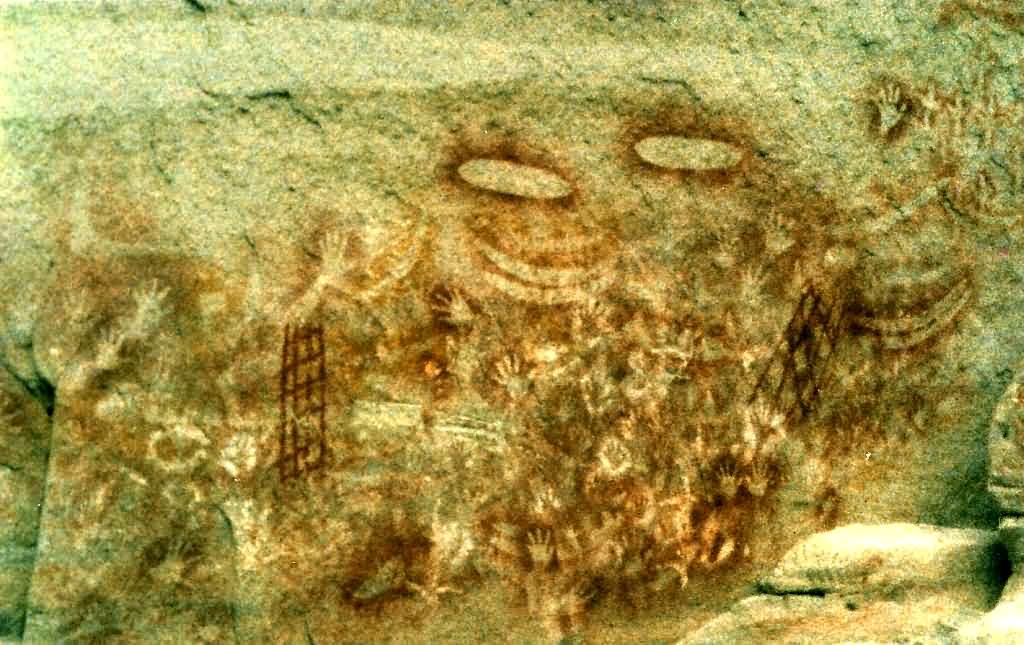 🇦🇺 AustraliaThe Dreaming
A worldview of ancestral creation and eternal law in Australian Aboriginal cultureTradition · Protection · Speaking with spirits and the dead Living
 🇮🇹 Italy and 5 moreFig sign
A hand gesture used to ward off the evil eye or as an insult in many culturesBelief · Protection · Cursing and harm Living
 🇨🇳 ChinaTaotie饕餮
A zoomorphic mask on ancient Chinese bronzes and a mythological creature of gluttonyFigure · Protection · Cursing and harm Legendary
 🇮🇳 India and 5 moreKolamகோலம்
A daily geometric floor drawing made with rice flour at the home entrance in South IndiaRite · Protection · Luck and prosperity Living
🇮🇳 India and 5 moreAncestor veneration
Rituals honoring the dead to maintain kinship bonds and seek guidance from spiritsTradition · Speaking with spirits and the dead · Protection Living
🇯🇵 JapanYutaユタ
Okinawan folk shamans who guide families through spirits and fortune-tellingTradition · Protection · Healing Living
 🇷🇺 Russia and 4 moreLady MiddayPoludnitsa
A Slavic noon spirit who watches over fields and punishes those who work during the hottest hours.Being · Cursing and harm · Protection Historical
 🇲🇽 Mexico and 3 moreFolk saint
Unofficially recognized holy figures venerated by local communities for intercession and miraclesBelief · Protection · Healing Living
 🇹🇭 Thailand and 1 moreGhosts in Thai cultureผี (phi)
A wide range of spirits and ghosts found in Thai folklore and popular belief.Belief · Protection · Cursing and harm Living
 🇺🇸 United States and 4 moreRainmaking
Efforts to induce rain through technology, ritual, or prayer.Tradition · Protection · Healing Living
 🇲🇳 Mongolia and 2 moreWind Horseརླུང་རྟ་
An East and Central Asian symbol of the soul, luck, and vital energyBeing · Luck and prosperity · Protection Living
🇬🇧 United KingdomEvil eye bead (sample)Nazar boncuğu
A blue glass bead hung to turn aside envy.Charm · Protection Living
 🇮🇳 India and 2 moreBhootभूत
A restless spirit of the dead in South Asian belief and folkloreBeing · Cursing and harm · Protection Living
 🇱🇦 Laos and 3 moreTai folk religionສາສະໜາຜີ
Spirits, ancestor rites, and soul-calling ceremonies of the Tai peoplesTradition · Protection · Healing Living
 🇹🇼 TaiwanKuai Kuai culture乖乖文化
A Taiwanese custom of placing obedient snacks on machines to ensure smooth operationBelief · Protection Living
 🇮🇹 Italy and 5 moreEuropean witchcraft
Historical beliefs in harmful magic and the resulting trials across EuropeBelief · Cursing and harm · Protection Historical
🇮🇳 IndiaMangala Dosha
A Hindu astrological belief that Mars causes marital trouble and the rituals used to address itBelief · Protection Living
 🇮🇳 India and 5 moreAsian witchcraft
A broad overview of magical practices and persecution across Asian culturesTradition · Cursing and harm · Protection Living
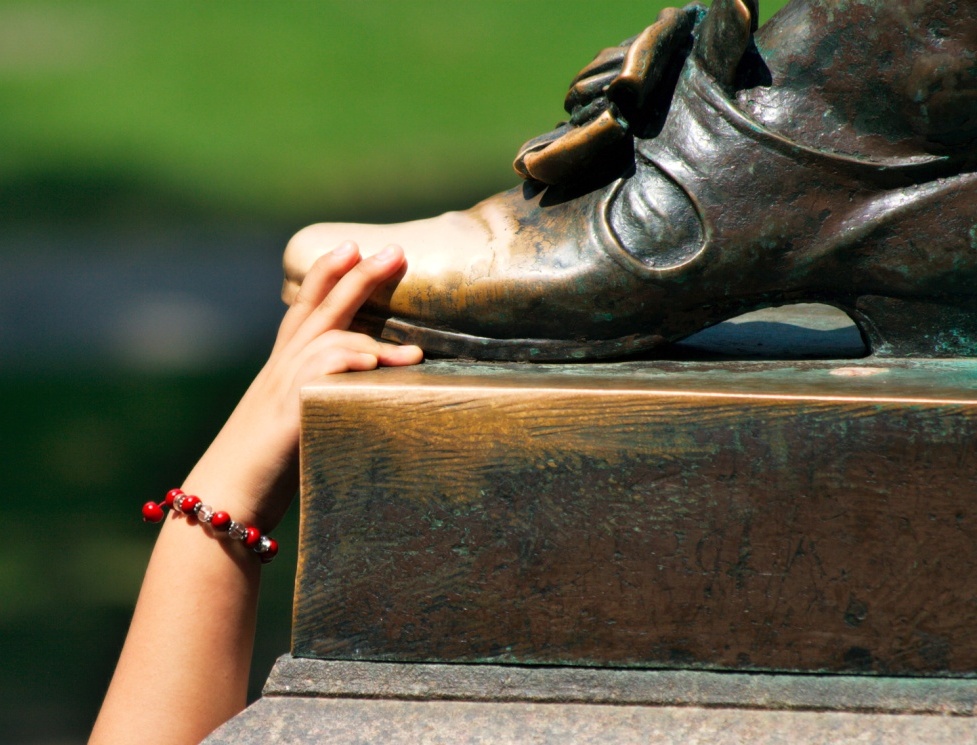 🇮🇪 IrelandStatue rubbing
A tourist custom of touching statues to attract luck, love, or a return visit.Belief · Luck and prosperity · Love and attraction Living
🇦🇺 Australia and 2 moreTheatrical superstitions
Beliefs and rituals among actors to avoid bad luck and ward off spiritsBelief · Protection · Luck and prosperity Living
🇮🇹 Italy and 1 moreKollyra curse tablet
An ancient Greek tablet cursing a thief to suffocation until stolen goods are returned.Text · Protection · Cursing and harm Historical
🇯🇵 JapanJapanese superstitions
Common beliefs in Japan about luck, numbers, and omens rooted in language and customBelief · Luck and prosperity · Protection Living
🇦🇷 Argentina and 1 moreSpiritual mapping
A Christian practice of mapping locations to identify and pray against territorial demonsBelief · Protection · Cursing and harm Living
 🇮🇱 Israel and 4 moreAngelמלאך
A supernatural messenger or intermediary spirit found in many religious traditions.Being · Speaking with spirits and the dead · Protection Living
 🇨🇳 China and 1 moreFalun Gong法轮功
A Chinese cultivation practice blending meditative exercises with moral principlesTradition · Healing · Protection Living
 🇪🇬 Egypt and 1 moreUraeusjꜥrt
An ancient Egyptian rearing cobra emblem of royal power and divine protectionCharm · Protection · Power and authority Historical
 🇷🇸 Serbia and 5 moreWolves in folklore, religion and mythology
A global survey of how cultures view the wolf as symbol, spirit or threatBelief · Power and authority · Cursing and harm Historical
 🇯🇵 Japan and 4 moreHousehold deity
A spirit or minor god believed to guard a home and its family members.Being · Protection · Speaking with spirits and the dead Historical
 🇬🇷 GreeceGelloΓελλώ
A Greek demon of infancy and a class of beings blamed for infant death.Being · Cursing and harm · Protection Historical
 🇷🇴 Romania and 1 moreSânziană
Romanian fairies and a summer solstice festival of flowers and magicBeing · Protection · Love and attraction Living
🇯🇵 Japan and 1 moreKōshin庚申信仰
A Japanese folk belief involving vigils to prevent internal spirits from reporting human deeds to heavenBelief · Protection · Healing Living
 🇯🇵 JapanSakabashira逆柱
A reversed wooden pillar in Japanese folk belief, said to cause misfortune or ward off disasterBelief · Protection · Cursing and harm Historical
 🇳🇵 Nepal and 4 moreYetiགཡའ་དྲེད་
A hairy humanoid of Himalayan story, known in the West as the Abominable SnowmanBeing · Protection Legendary
 🇻🇳 VietnamBà Chúa Xứ婆主處
A Mekong Delta goddess of prosperity, asked for trade, health and fertilityBeing · Protection · Luck and prosperity Living
🇸🇦 Saudi ArabiaAbu Fanousأبو فانوس
A wandering light of the Arabian desert, said to lure travellers and vanishBeing · Cursing and harm · Protection Living
🇵🇱 PolandPłanetnik
A Slavic storm spirit said to herd clouds and hail, and to shelter the sudden deadBeing · Protection · Cursing and harm Legendary
Photo credits on this page
The small pictures above come from Wikimedia Commons under free licences. Some are cropped to fit.
- Statue rubbing: Matthias Rosenkranz, CC BY-SA 2.0, source
- Wolves in folklore, religion and mythology: Unknown author, CC0, source
- Uraeus: Bjørn Christian Tørrissen, CC BY-SA 3.0, source
- European witchcraft: Unknown author, CC BY 4.0, source
- Asian witchcraft: Utagawa Kuniyoshi, Public domain, source
- Caul: JC Brand, CC BY-SA 4.0, source
- Naming taboo: Haruno Akiha, Public domain, source
- San La Muerte: Sergio Serrano, CC BY-SA 2.0, source
- Estonian mythology: Jeannette Berkowitz (illustrator), Public domain, source
- Ancestor veneration: Thang Nguyen, CC BY-SA 2.0, source
- Menshen: Taiwankengo, CC BY-SA 3.0, source
- Bà Chúa Xứ: Phương Huy, CC BY-SA 4.0, source
- Fig sign: Harald the Bard, CC BY-SA 4.0, source
- Taotie: anonymous, CC0, source
- Kuai Kuai culture: 總統府, CC BY 2.0, source
- Kolam: mckaysavage, CC BY 2.0, source
- Rainmaking: George Catlin, Public domain, source
- Bhoot: Anilbhardwajnoida, CC BY-SA 3.0, source
- Sânziană: Saturnian, CC BY-SA 3.0, source
- Georgian mythology: Mostafameraji, CC BY-SA 4.0, source
- Household deity: Claus Ableiter, CC BY-SA 3.0, source
- Yogini: Soumendra Barik, CC BY-SA 3.0, source
- Bay Laurel: Forest and Kim Starr, CC BY 3.0 us, source
- Wind Horse: Clemensmarabu, CC BY-SA 3.0, source
- Ghosts in Thai culture: Heinrich Damm ( User:Hdamm , Hdamm at de.wikipedia.org ), CC BY 2.0, source
- Lady Midday: Віщун, CC BY-SA 4.0, source
- Angel: Unknown author, CC0, source
- Yeti: Gardner Soule, Public domain, source
- Falun Gong: longtrekhome, CC BY 3.0, source
- The Dreaming: September 1985, Public domain, source
- Folk Orthodoxy: Лобачев Владимир, CC BY-SA 4.0, source
- Sakabashira: Unknown author, Public domain, source
- Gello: Filippino Lippi, Public domain, source
- Tai folk religion: ( เทวประภาส มากคล้าย ), Tevaprapas, Public domain, source