
Abyzou
Likely derived from the Greek word for abyss, linked to the Mesopotamian primeval sea Abzu
A female demon of envy who targets newborns and pregnant women in late antique magic.
Abyzou is a figure from Near Eastern and European folklore, identified as a demon that causes infant death and miscarriage. Practitioners used amulets and texts to bind her, often linking her to ancient sea myths or biblical concepts of the abyss.
- Named in the Testament of Solomon as Obizuth
- Depicted on bronze amulets being whipped by Solomon
- Linked to the Mesopotamian primeval sea Abzu
- Known as Alabasandria in Coptic Egypt
- Causes infant death due to envy over infertility
What it is
Abyzou represents a specific threat to mothers and infants in late antique magical traditions. She is characterized by envy, stemming from her own inability to bear children. This jealousy drives her to harm newborns and cause miscarriages. Texts describe her as having serpent-like hair and a greenish face. She is often depicted on protective charms being subdued by holy figures.
Where it comes from
Scholars link Abyzou to the ancient Mesopotamian primeval sea, known as Abzu. The name may derive from the Greek term for abyss. In religious history, this chaotic sea was sometimes personified as a female entity. Similar demons appear in various cultures, including the Gorgons and Lilith. The concept also connects to the biblical 'bottomless pit' found in the Book of Revelation.
How it is done
Magicians created inscribed amulets to protect against her. These objects often showed a holy figure, such as Solomon or an archangel, whipping or trampling the demon. Inscriptions commanded her to flee. Some charms required writing her name on papyrus during labor to force her away. The ritual relied on knowing her many names to gain power over her.
Tools and materials
Bronze and lead amulets served as the primary defense tools. They featured images of the demon bound or defeated. Symbols like the ouroboros appeared on these items. Papyrus scraps were used for written spells. The imagery often resembled the head of Medusa, intended to ward off evil through visual power.
Abyzou, drawn and placed
- Living
- Revived
- Fading
- Historical
- Legendary
- Performed
- Lineage
- Late antique demonology
- Timing
- during childbirth
What it is for
The main goal was protection during childbirth. Pregnant women sought to prevent miscarriage and infant death. Amulets were carried or worn to ensure safety. While primarily aimed at women, some masculine names appear on protective charms, suggesting broader use. The intent was to stop the demon's envy-driven attacks.
Who does it
No single group claims exclusive practice today. Historical practitioners included those using Graeco-Roman magico-medical traditions. Scholars study the Testament of Solomon and surviving amulets to understand her role. Ancient texts mention archangels confronting her, but human magicians performed the binding rituals.
Peoples and places
She appears in Coptic Egypt as Alabasandria and in Byzantine culture as Gylou. Variants of her name exist in Romanian and Hebrew charms. A similar figure, Antaura, was found on metal leaves in Austria. The demon's presence spans multiple regions with local adaptations in her depiction and naming.
At a glance: who, where and when
Who does it
Peoples
Belief worlds
Occasions
What people believe
Her actions are rooted in envy and infertility. She is said to wander looking for women in labor. If she finds one, she strangles the newborn. She is also blamed for deafness and madness. Her defeat requires identifying her correctly and commanding her to leave. The belief system views her as a tangible force that can be bound by sacred authority.
When it is done
The primary occasion for her veneration or binding is childbirth. Charms were prepared specifically for when a woman was about to give birth. No specific annual festivals are tied to her. The timing is personal and crisis-driven, focusing on the vulnerability of the mother and child.
How scholars and sceptics see it
Researchers analyze the Testament of Solomon to trace her literary origins. Anthropologists compare her to other female demons like Lamashtu. Historians note the shift from pagan sea myths to Christian demonology. Sceptics view her as a personification of medical risks rather than a supernatural entity.
Cautions and what is closed
Modern horror films have revived her image as a villain. These fictional accounts differ significantly from historical beliefs. There are no recorded harms from actual historical practices. The focus remains on understanding her role in ancient protective magic rather than any ongoing danger.
Compare and confuse
She is related to Gylou and Gello, figures with similar roles in harming children. Alabasandria is her Coptic counterpart. Antaura causes headaches rather than infant death. All share traits of female demons opposed by holy figures in magical texts.
Questions people ask about Abyzou
Who is Abyzou?
Abyzou is a female demon from late antique folklore. She is believed to cause miscarriages and kill newborns out of envy. Practitioners used amulets to bind and drive her away.
Where does the name come from?
The name likely comes from the Greek word for abyss. It is connected to the Mesopotamian sea god Abzu. Scholars see her as part of a tradition of female sea demons.
How do people protect themselves from her?
Historical texts describe using inscribed amulets. These showed holy figures defeating her. Writing her name on papyrus during labor was also thought to make her flee.
Is she the same as Gylou?
They are closely related figures. Gylou is a Babylonian name for a similar childbirth demon. Texts list them among the same group of harmful spirits.
Good reading and sources
The facts on this page come from the Wikipedia article "Abyzou", written by its contributors and used under the CC BY-SA 4.0 licence, and from its Wikidata record (CC0). EveryJaadu rewrote the text in its own words, with AI assistance, and compares every page with the article to make sure no passage is copied. It may be reused under the same CC BY-SA 4.0 licence with a link back.
It may contain mistakes. Names and customs differ from one community to the next, and some knowledge is closed to outsiders and left out here. This page describes belief and practice. It does not say that any of it works, it is not a how-to, and it is not medical advice. If something is wrong, tell us. Last refreshed 2026-10-06.
More from Egypt
All the entries from Egypt 🇪🇬 Egypt and 1 moreSphinx
A mythical hybrid with a human head and lion body, serving as guardian or riddler in Egyptian and Greek traditions.Being · Protection · Wonder and entertainment Legendary
🇮🇱 Israel and 2 moreBelialבְּלִיַּעַל
A Hebrew term for worthlessness that evolved into a demon of darkness in Jewish and Christian texts.Being · Cursing and harm Historical
🇪🇬 Egypt and 1 moreSphinx
A mythical hybrid with a human head and lion body, serving as guardian or riddler in Egyptian and Greek traditions.Being · Protection · Wonder and entertainment Legendary
🇮🇱 Israel and 2 moreBelialבְּלִיַּעַל
A Hebrew term for worthlessness that evolved into a demon of darkness in Jewish and Christian texts.Being · Cursing and harm Historical
 🇮🇱 Israel and 2 moreLeviathanלִוְיָתָן (Livyaṯān)
A primordial sea monster from ancient Near Eastern myth and biblical textBeing · Cursing and harm · Power and authority Historical
🇮🇱 Israel and 2 moreLeviathanלִוְיָתָן (Livyaṯān)
A primordial sea monster from ancient Near Eastern myth and biblical textBeing · Cursing and harm · Power and authority Historical
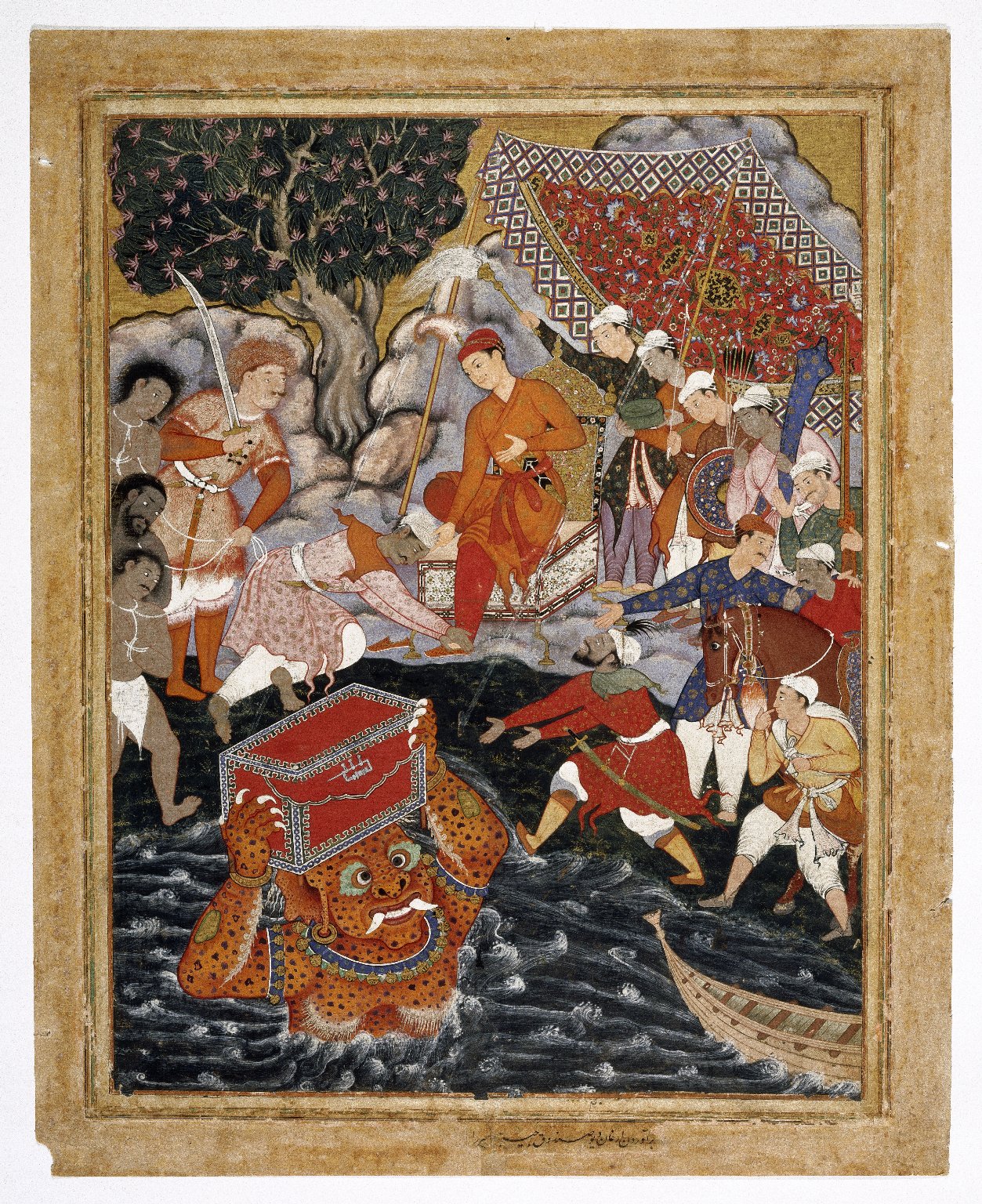 🇪🇬 Egypt and 3 moreIfritعفريت
A class of powerful chthonic spirits in Islamic tradition and folkloreBeing · Cursing and harm · Power and authority Historical
🇪🇬 Egypt and 3 moreIfritعفريت
A class of powerful chthonic spirits in Islamic tradition and folkloreBeing · Cursing and harm · Power and authority Historical
Related elsewhere
All being 🇫🇷 FranceLady of the LakeDame du Lac
A water spirit who raises knights and captures wizards in Arthurian talesFigure · Protection · Cursing and harm Legendary
🇫🇷 FranceLady of the LakeDame du Lac
A water spirit who raises knights and captures wizards in Arthurian talesFigure · Protection · Cursing and harm Legendary
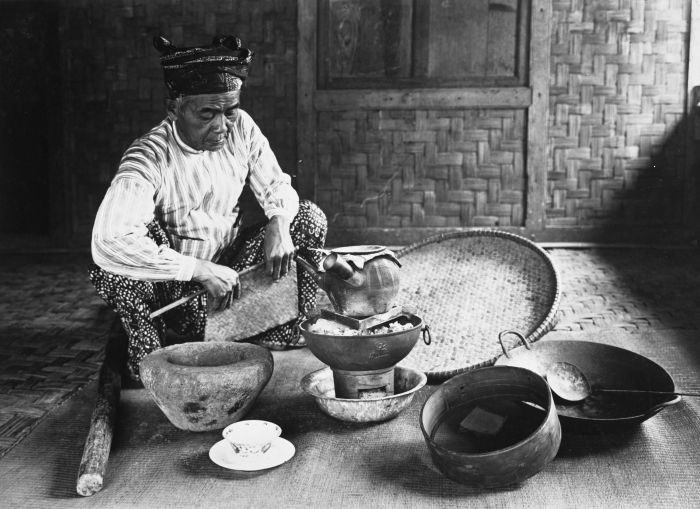 🇮🇩 Indonesia and 2 moreDukun
A traditional healer and spirit medium in Indonesian folk practiceTradition · Healing · Seeing and foretelling Living
🇮🇩 Indonesia and 2 moreDukun
A traditional healer and spirit medium in Indonesian folk practiceTradition · Healing · Seeing and foretelling Living
 🇮🇳 India and 1 moreYoginiयोगिनी
A female master of yoga and tantra, or a fierce goddess aspect in Indian temples.Tradition · Power and authority · Protection Historical
🇮🇳 India and 1 moreYoginiयोगिनी
A female master of yoga and tantra, or a fierce goddess aspect in Indian temples.Tradition · Power and authority · Protection Historical