
Astaroth
from Phoenician Astarte or Hebrew Ashtaroth
An arch-demon in Western occultism, derived from the ancient goddess Astarte.
Astaroth is a Great Duke of Hell in Christian demonology and Kabbalistic lore. He originated as a male version of the Near Eastern goddess Astarte, who was later demonized by Biblical writers and medieval theologians. Practitioners of ceremonial magic view him as a powerful spirit of knowledge and vanity.
- Astaroth is a Great Duke of Hell in demonology.
- Derived from the goddess Astarte and Hebrew Ashtaroth.
- Summoned with a specific magical ring in grimoires.
- Commands forty legions of spirits according to Weyer.
- Associated with sloth and vanity in medieval charts.
What it is
Astaroth is an arch-demon known as a Great Duke of Hell in Western occult traditions. He is often depicted as a foul angel riding a dragon and holding a serpent. In Kabbalistic systems, he represents the adverse force of the Sephirah Chesed. Scholars trace his identity to the ancient goddess Astarte, who was transformed into a male demon through theological shifts in early Christianity and Jewish mysticism.
Where it comes from
The name derives from the Phoenician goddess Astarte, linked to the Hebrew Asherah and Babylonian Ishtar. Early Biblical texts used the plural form Ashtaroth for her idols. Medieval theologians and demonologists reinterpreted these pagan deities as demons. Zoroastrian dualism and Christian theology provided frameworks that turned the benevolent goddess into a symbol of idolatry and vice.
How it is done
Demonologists like Johann Weyer stated Astaroth could be summoned using a specific magical ring. He is said to command forty legions of spirits. In grimoires such as The Lesser Key of Solomon, he appears as a ruler of infernal kingdoms. Summoners seek his aid for knowledge or to accuse others, though he is also associated with promoting laziness and vanity.
Tools and materials
Depictions show Astaroth wearing a crown and holding a serpent. He rides a lupine demon with dragon wings. Ritualists use a special ring to call upon him. Some texts link his influence to the month of August, when he is believed to tempt humans with rationalized philosophies and pride.
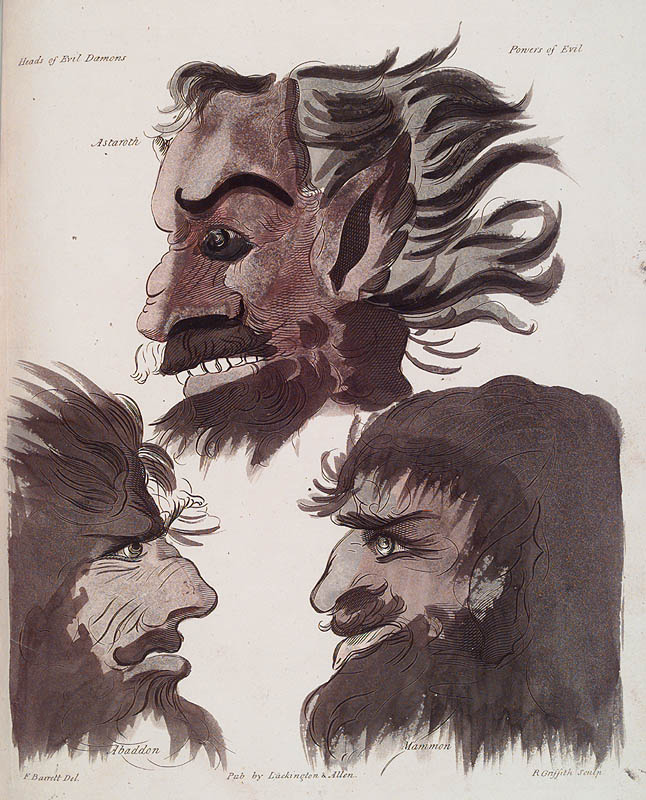
Astaroth, drawn and placed
- Living
- Revived
- Fading
- Historical
- Legendary
- Performed
- Lineage
- Western demonology and Kabbalah
What it is for
Practitioners of dark magic invoke Astaroth for power and authority. He is described as a prince of accusers and inquisitors. His influence is feared for causing ruin and deception. In historical narratives, he tricked people into idol worship by offering false cures for diseases, which saints then had to defeat.
Who does it
Scholars and occultists study his role in demonology. Figures like Reginald Scot and Jacques Collin de Plancy documented his attributes. Gerald Gardner claimed excavations of temples devoted to him influenced his occult work. Modern commentators note that some witches reject his association with the original goddess.
Peoples and places
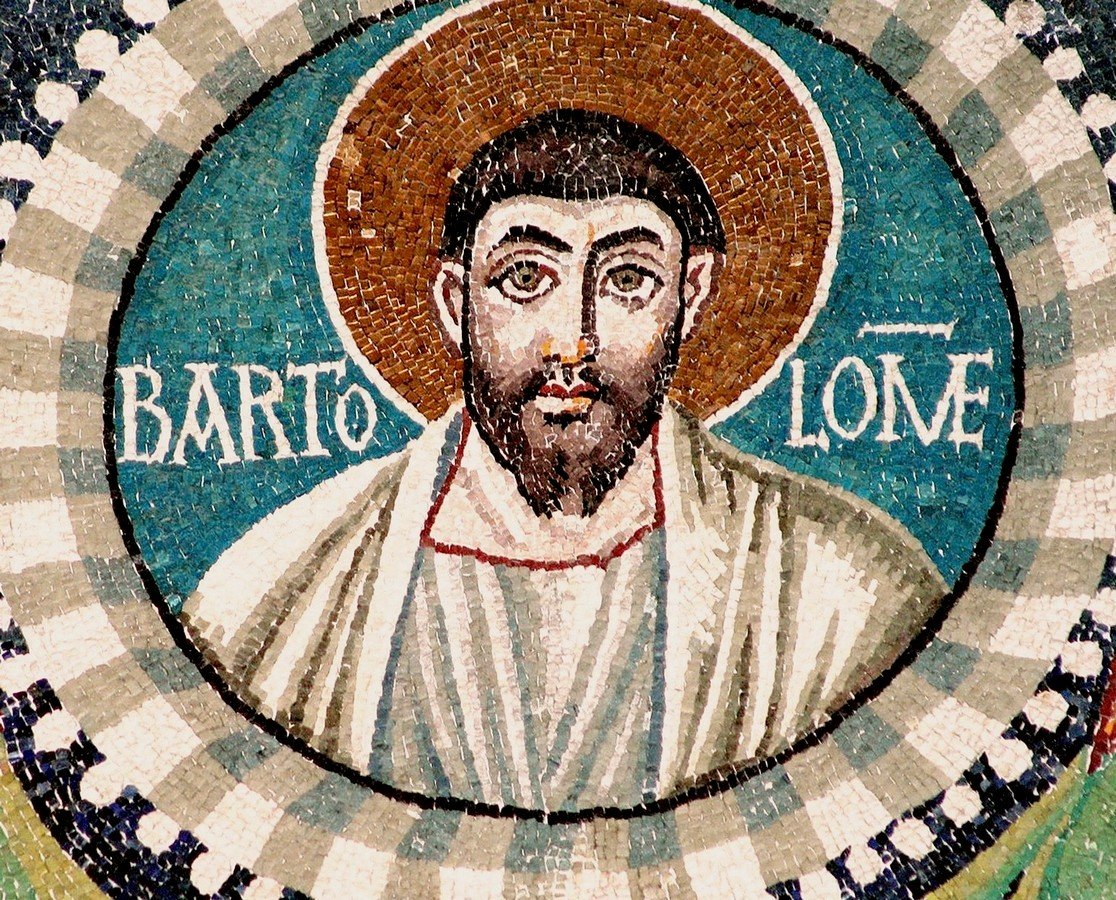
The concept spans Phoenician, Hebrew, and Christian cultures. It appears in Armenian and Indian hagiographies where saints battled his influence. European demonologists formalized his rank in Hell. The narrative of Saint Bartholomew defeating him spread through Latin and Spanish literature, linking the demon to ancient pagan ruins.
At a glance: who, where and when
Who does it
Peoples
Belief worlds

What people believe
Christian demonology views Astaroth as a fallen seraph or throne who rebelled against God. Kabbalah sees him as the negative reflection of divine mercy. The transformation of Astarte into Astaroth reflects a belief that pagan gods are actually deceptive spirits. This worldview justifies the conversion of idolaters by exposing their gods as demons.
Cautions and what is closed
Historical accounts describe Astaroth as a source of harm and deception. He was blamed for diseases and spiritual corruption. Accusations of his influence led to exorcisms and witch trials. Practitioners warn that his promises of knowledge come with vanity and spiritual danger. His association with false healing makes him a figure of caution in religious texts.
Questions people ask about Astaroth
Who is Astaroth?
Astaroth is an arch-demon and Great Duke of Hell in Western occultism. He is viewed as a powerful spirit who commands legions of demons and offers knowledge to those who summon him.
Where does the name come from?
The name comes from the Phoenician goddess Astarte and the Hebrew plural Ashtaroth. Early Christians and Jewish mystics demonized this ancient deity, turning her into a male figure of evil.
How is he depicted?
He is often shown as a foul angel with a crown, holding a serpent, and riding a dragon-like creature. Some texts describe him as a nude man with reptilian claws and feathered wings.
What is his purpose in magic?
Ceremonial magicians summon him for power, authority, and accusations. He is known as a prince of inquisitors and is believed to promote laziness and vanity during the month of August.
Good reading and sources
- Astaroth on WikipediaEncyclopedia
- More photos on Wikimedia CommonsPhotos and video
- Wikidata recordOpen data
The facts on this page come from the Wikipedia article "Astaroth", written by its contributors and used under the CC BY-SA 4.0 licence, and from its Wikidata record (CC0). EveryJaadu rewrote the text in its own words, with AI assistance, and compares every page with the article to make sure no passage is copied. It may be reused under the same CC BY-SA 4.0 licence with a link back.
It may contain mistakes. Names and customs differ from one community to the next, and some knowledge is closed to outsiders and left out here. This page describes belief and practice. It does not say that any of it works, it is not a how-to, and it is not medical advice. If something is wrong, tell us. Last refreshed 2026-10-06.
More from Israel
All the entries from Israel 🇮🇱 Israel and 2 moreLeviathanלִוְיָתָן (Livyaṯān)
A primordial sea monster from ancient Near Eastern myth and biblical textBeing · Cursing and harm · Power and authority Historical
🇮🇱 Israel and 2 moreBelialבְּלִיַּעַל
A Hebrew term for worthlessness that evolved into a demon of darkness in Jewish and Christian texts.Being · Cursing and harm Historical
🇮🇱 Israel and 2 moreLeviathanלִוְיָתָן (Livyaṯān)
A primordial sea monster from ancient Near Eastern myth and biblical textBeing · Cursing and harm · Power and authority Historical
🇮🇱 Israel and 2 moreBelialבְּלִיַּעַל
A Hebrew term for worthlessness that evolved into a demon of darkness in Jewish and Christian texts.Being · Cursing and harm Historical
 🇮🇱 Israel and 4 moreAngelמלאך
A supernatural messenger or intermediary spirit found in many religious traditions.Being · Speaking with spirits and the dead · Protection Living
🇮🇱 Israel and 4 moreAngelמלאך
A supernatural messenger or intermediary spirit found in many religious traditions.Being · Speaking with spirits and the dead · Protection Living
 🇮🇱 Israel and 1 moreTeraphimתרפים
Ancient Hebrew household figures linked to ancestry, property rights and divinationBeing · Seeing and foretelling · Luck and prosperity Historical
🇮🇱 Israel and 1 moreTeraphimתרפים
Ancient Hebrew household figures linked to ancestry, property rights and divinationBeing · Seeing and foretelling · Luck and prosperity Historical
Related elsewhere
All being 🇿🇦 South AfricaSympathetic magic
A magical principle based on imitation and contact to influence the worldTradition · Protection · Healing Historical
🇿🇦 South AfricaSympathetic magic
A magical principle based on imitation and contact to influence the worldTradition · Protection · Healing Historical
 🇮🇳 India and 4 moreTantraतन्त्र
An esoteric yogic tradition from India focusing on ritual, mantra, and body-based spiritual practices.Tradition · Power and authority · Change and initiation Living
🇮🇳 India and 4 moreTantraतन्त्र
An esoteric yogic tradition from India focusing on ritual, mantra, and body-based spiritual practices.Tradition · Power and authority · Change and initiation Living
 🇮🇸 Iceland and 2 moreSeiðr
A Norse magic of fate and spirit, practiced by seers and sorcerers in the Viking Age.Tradition · Seeing and foretelling · Cursing and harm Revived
🇿🇦 South Africa and 5 moreMurder for body parts
The killing of people to harvest body parts for traditional medicine or the illegal organ trade.Belief · Cursing and harm · Power and authority Living
🇮🇸 Iceland and 2 moreSeiðr
A Norse magic of fate and spirit, practiced by seers and sorcerers in the Viking Age.Tradition · Seeing and foretelling · Cursing and harm Revived
🇿🇦 South Africa and 5 moreMurder for body parts
The killing of people to harvest body parts for traditional medicine or the illegal organ trade.Belief · Cursing and harm · Power and authority Living