
Tannin
In its own language: תַּנִּין
from Akkadian dannina
A sea monster of chaos in Canaanite and Hebrew myth, later a symbol for Egypt and Babylon.
The tannin is a chaotic sea creature from ancient Near Eastern mythology. It appears in the Baal Cycle as a servant of the Sea defeated by Baal. In Hebrew texts it represents Egypt and Babylon, and its name now means crocodile in Hebrew and dragon in Arabic.
- Defeated by Baal in the Baal Cycle
- Symbol for Egypt and Babylon in the Bible
- Means crocodile in modern Hebrew
- Means dragon in modern Arabic
- Named after three Israeli submarines
What it is
The tannin is a sea monster rooted in Canaanite and Hebrew mythology. It serves as a powerful symbol of chaos and evil in ancient narratives. In the Baal Cycle, it acts as a servant to Yam, the personification of the Sea. The storm god Baal defeats this creature or binds it through his sister Anat. Artists often depict the tannin with a serpentine body, sometimes featuring a double tail. This imagery establishes it as a formidable adversary to divine order.
Where it comes from
The term originates from the Akkadian word dannina. It entered Ugaritic as tnn, likely vocalized as tunnanu. The concept spread across the ancient Near East. Canaanite myths placed the creature in the realm of the Sea god. Hebrew texts adopted the figure into their own cosmological framework. Scholars trace these stories to broader regional traditions of cosmic conflict between order and chaos.
Tannin, drawn and placed
- Living
- Revived
- Fading
- Historical
- Legendary
- Performed
- Lineage
- Canaanite and Hebrew mythology
What it is for
In mythic contexts, the tannin represents the forces of chaos that must be subdued. It is not used in active magical rites today. However, biblical authors employed the image politically. They called ancient Egypt the tannin after the Exodus. Jeremiah used the term to describe Nebuchadnezzar II of Babylon. Ezekiel applied it to Pharaoh. The monster became a metaphor for hostile empires threatening Israel.
Who does it
No living practitioners perform rituals involving the tannin. The subject exists primarily within religious texts and academic study. Scholars of theology and ancient history analyze its role in the Hebrew Bible. Researchers examine how the creature fits into the broader category of chaos monsters found in Near Eastern literature. The focus remains on textual interpretation rather than ritual practice.
Peoples and places
The creature belongs to the mythologies of the ancient Canaanites and Hebrews. It appears in Ugaritic texts alongside other deities. In modern languages, the word has evolved. Modern Hebrew uses tanin to mean crocodile. Arabic speakers use tinnin to refer to a dragon. The Israeli Navy has named three submarines after the figure, linking ancient myth to modern national identity.
At a glance: who, where and when
Peoples
What people believe
Ancient believers viewed the sea as a place of danger and disorder. The tannin embodied this untamed power. God is described as creating these creatures on the fifth day. Yet they remain symbols of resistance against divine will. Isaiah prophesies that Yahweh will slay the tannin on the final day. This belief reinforces the idea that ultimate authority rests with the creator, not the chaotic forces of nature.
How scholars and sceptics see it
Academics study the tannin to understand ancient worldviews. John Day explored echoes of Canaanite myth in Old Testament poetry. George Heider and others cataloged the deity in biblical dictionaries. Researchers compare the tannin to other chaos figures like Leviathan and Rahab. These studies highlight how different cultures adapted similar mythic motifs to express theological concepts about order and survival.
Compare and confuse
The tannin is closely related to other sea monsters like Leviathan and Lotan. It shares traits with the Hittite serpent Illuyanka. The motif of a god fighting a sea beast is known as Chaoskampf. While Leviathan is often a multi-headed beast, the tannin is typically singular and serpentine. Both serve as metaphors for political enemies in biblical prophecy.
Questions people ask about Tannin
What is a tannin?
It is a sea monster from Canaanite and Hebrew mythology. It symbolizes chaos and evil. Ancient texts describe it as a servant of the Sea god defeated by Baal.
Where does the word come from?
It comes from the Akkadian word dannina. It also appears in Ugaritic as tunnanu. The term spread through the ancient Near East.
Is it still used today?
Yes, but meanings changed. Modern Hebrew uses it for crocodile. Arabic uses it for dragon. The Israeli Navy named submarines after it.
Good reading and sources
The facts on this page come from the Wikipedia article "Tannin (mythology)", written by its contributors and used under the CC BY-SA 4.0 licence, and from its Wikidata record (CC0). EveryJaadu rewrote the text in its own words, with AI assistance, and compares every page with the article to make sure no passage is copied. It may be reused under the same CC BY-SA 4.0 licence with a link back.
It may contain mistakes. Names and customs differ from one community to the next, and some knowledge is closed to outsiders and left out here. This page describes belief and practice. It does not say that any of it works, it is not a how-to, and it is not medical advice. If something is wrong, tell us. Last refreshed 2026-10-07.
More from Israel
All the entries from Israel 🇮🇱 Israel and 2 moreLeviathanלִוְיָתָן (Livyaṯān)
A primordial sea monster from ancient Near Eastern myth and biblical textBeing · Cursing and harm · Power and authority Historical
🇮🇱 Israel and 2 moreBelialבְּלִיַּעַל
A Hebrew term for worthlessness that evolved into a demon of darkness in Jewish and Christian texts.Being · Cursing and harm Historical
🇮🇱 Israel and 2 moreLeviathanלִוְיָתָן (Livyaṯān)
A primordial sea monster from ancient Near Eastern myth and biblical textBeing · Cursing and harm · Power and authority Historical
🇮🇱 Israel and 2 moreBelialבְּלִיַּעַל
A Hebrew term for worthlessness that evolved into a demon of darkness in Jewish and Christian texts.Being · Cursing and harm Historical
 🇮🇱 Israel and 4 moreAngelמלאך
A supernatural messenger or intermediary spirit found in many religious traditions.Being · Speaking with spirits and the dead · Protection Living
🇮🇱 Israel and 4 moreAngelמלאך
A supernatural messenger or intermediary spirit found in many religious traditions.Being · Speaking with spirits and the dead · Protection Living
 🇮🇱 Israel and 5 moreAstaroth
An arch-demon in Western occultism, derived from the ancient goddess Astarte.Being · Power and authority · Cursing and harm Historical
🇮🇱 Israel and 5 moreAstaroth
An arch-demon in Western occultism, derived from the ancient goddess Astarte.Being · Power and authority · Cursing and harm Historical
Related elsewhere
All being 🇷🇸 Serbia and 5 moreVampire
An undead creature from folklore that feeds on the blood or life force of the livingBeing · Cursing and harm · Luck and prosperity Legendary
🇷🇸 Serbia and 5 moreVampire
An undead creature from folklore that feeds on the blood or life force of the livingBeing · Cursing and harm · Luck and prosperity Legendary
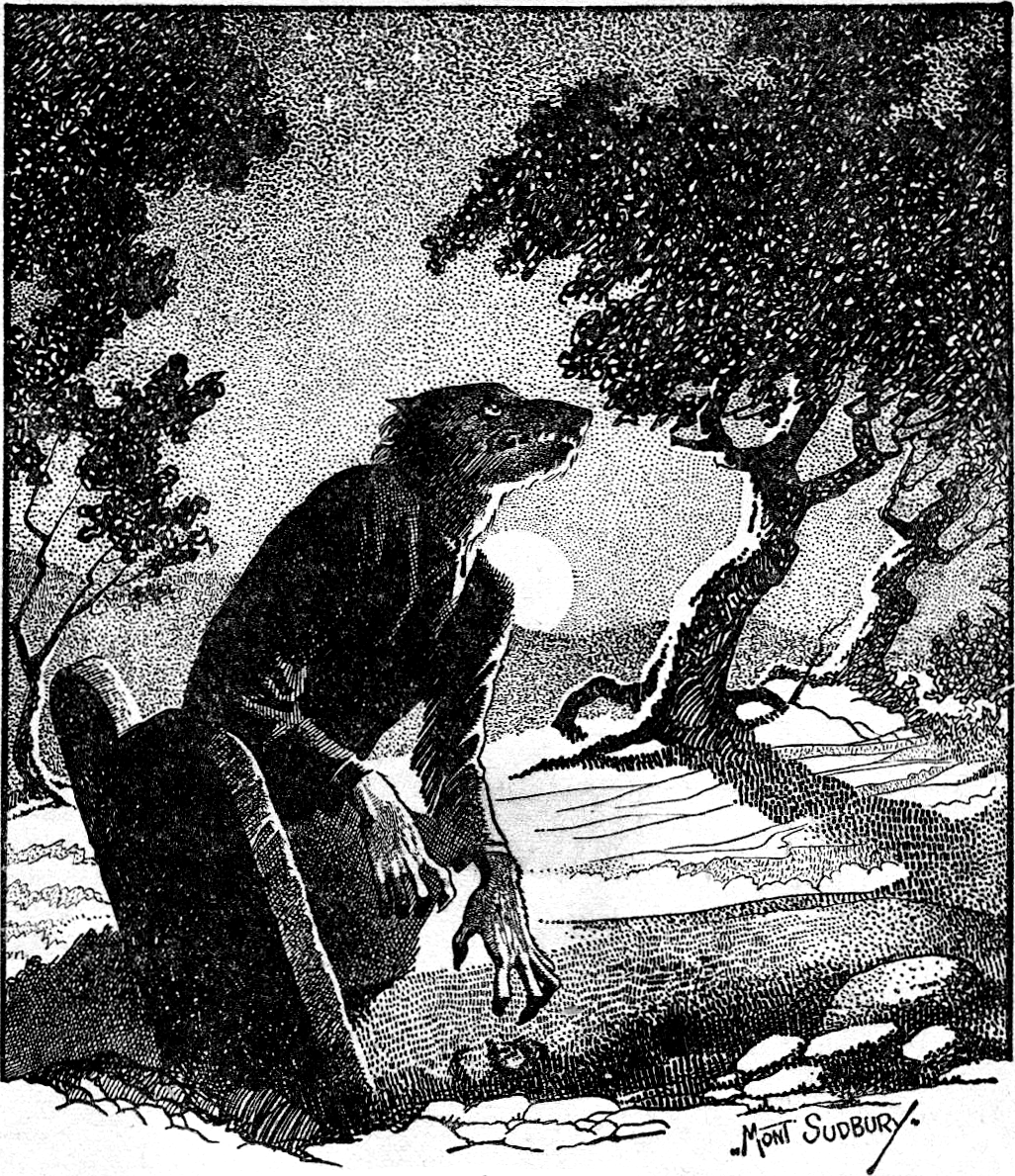 🇫🇷 France and 5 moreWerewolf
A mythical shapeshifter that turns into a wolf, central to European witch-hunts and Gothic horror.Being · Cursing and harm · Wonder and entertainment Legendary
🇫🇷 France and 5 moreWerewolf
A mythical shapeshifter that turns into a wolf, central to European witch-hunts and Gothic horror.Being · Cursing and harm · Wonder and entertainment Legendary
 🇪🇬 Egypt and 1 moreLilithלִילִית
A feminine figure from Mesopotamian and Jewish mythology, often depicted as a night demon or spirit.Being · Cursing and harm Legendary
🇪🇬 Egypt and 1 moreLilithלִילִית
A feminine figure from Mesopotamian and Jewish mythology, often depicted as a night demon or spirit.Being · Cursing and harm Legendary
 🇪🇬 EgyptCurse
A spoken wish for misfortune to befall a person or placeBelief · Cursing and harm · Luck and prosperity Historical
🇪🇬 EgyptCurse
A spoken wish for misfortune to befall a person or placeBelief · Cursing and harm · Luck and prosperity Historical