Basty
In its own language: Basdı
A group of evil spirits and goblins from Turkic folklore in Anatolia.
The Basty are malevolent spirits or goblins described in the folklore of Azerbaijan and Anatolia. They appear as distinct types of creatures, including a naked female, a hairy grave-dweller, and a woman who causes illness. These beings are said to bring harm, nightmares, and disease to people.
- Basty means evil spirit or goblin in Turkic folklore.
- Native name is Basdı in Azerbaijani.
- Al-Basty is a tall, white-skinned naked female.
- Kara-Basty is a nightmare daemon.
- Sary-basty is a woman in yellow who causes epilepsy.
What it is
The Basty, also known as Basdı in its native language, is a category of evil spirits or goblins found in Turkic folklore. The term covers several different types of malevolent entities rather than a single creature. These beings are generally viewed as harmful forces that interact with humans in negative ways. They are part of the broader mythological landscape of Anatolia and surrounding regions. The folklore describes them as having specific physical traits and behaviors that distinguish each type from the others.
Where it comes from
The concept of the Basty originates within Turkic folklore traditions. Specific historical records of their first appearance are not detailed in the available sources. The lore identifies different regional variations of these spirits within Anatolia. Each variation has its own name and description, suggesting a diverse set of beliefs about these entities across different communities.
How it is done
Instead, they outline the nature of the spirits themselves. The Al-Basty is described as a tall, white-skinned, naked female creature. The Kara-Basty is identified as a daemon associated with nightmares. The Qul-basty is said to sleep in graves during the day and travel at night, appearing hairy and smelly. The Sary-basty is depicted as a woman dressed in yellow.
Basty, drawn and placed
- Living
- Revived
- Fading
- Historical
- Legendary
- Performed
- Lineage
- Turkic folklore
What it is for
These spirits are believed to cause harm to people. The Sary-basty is specifically linked to causing epilepsy. The Kara-Basty is associated with disturbing sleep through nightmares. The other types are described as evil but without specific actions listed beyond their general malevolence. They represent fears of illness, death, and supernatural disturbance.
Peoples and places
The Basty are part of the folklore of Turkic peoples. Different types of Basty are recognized within this cultural context. The names and descriptions vary, reflecting local interpretations of these evil spirits. The folklore serves as a way to explain misfortunes such as illness and sleep disturbances.
At a glance: who, where and when
Peoples
Belief worlds
What people believe
The belief system surrounding the Basty involves a world populated by various spirits. These entities are considered evil and dangerous. The Qul-basty's association with graves links it to death and the afterlife. The Sary-basty's link to epilepsy shows how health issues were sometimes attributed to supernatural causes. The folklore provides a framework for understanding unseen threats.
Compare and confuse
The Basty shares similarities with other folklore figures like the Hag, Mare, Mora, and Moroi. These are all beings associated with nightmares or evil influences. The Al-Basty is also linked to a separate entry called Al Basty. These comparisons show common themes in global folklore regarding harmful spirits.
Questions people ask about Basty
What is a Basty?
A Basty is an evil spirit or goblin from Turkic folklore. It refers to a group of malevolent beings found in Anatolian and Azerbaijani traditions, each with distinct forms and harmful effects on humans.
What are the different types of Basty?
There are four main types: Al-Basty (a naked female), Kara-Basty (a nightmare daemon), Qul-basty (a hairy grave-dweller), and Sary-basty (a woman in yellow). Each type has unique characteristics and roles in the folklore.
What harm do the Basty cause?
The Basty are believed to cause harm. The Sary-basty is said to cause epilepsy. The Kara-Basty brings nightmares. The others are generally described as evil creatures without specific ailments listed.
Good reading and sources
The facts on this page come from the Wikipedia article "Basty", written by its contributors and used under the CC BY-SA 4.0 licence, and from its Wikidata record (CC0). EveryJaadu rewrote the text in its own words, with AI assistance, and compares every page with the article to make sure no passage is copied. It may be reused under the same CC BY-SA 4.0 licence with a link back.
It may contain mistakes. Names and customs differ from one community to the next, and some knowledge is closed to outsiders and left out here. This page describes belief and practice. It does not say that any of it works, it is not a how-to, and it is not medical advice. If something is wrong, tell us. Last refreshed 2026-10-06.
More from Azerbaijan
All the entries from Azerbaijan 🇮🇷 Iran and 7 moreNowruzنوروز
A spring equinox festival marking the new year across Persianate culturesTradition · Luck and prosperity · Cleansing and purification Living
🇮🇷 Iran and 7 moreNowruzنوروز
A spring equinox festival marking the new year across Persianate culturesTradition · Luck and prosperity · Cleansing and purification Living
 🇮🇷 Iran and 4 moreChaharshanbe Suriچهارشنبهسوری
An Iranian fire festival marking the transition from winter to springTradition · Luck and prosperity · Speaking with spirits and the dead Living
🇲🇱 Mali and 4 moreKonrulQonrul
A giant bird of Turkic myth that regenerates and aids heroesBeing · Power and authority Legendary
🇮🇷 Iran and 4 moreChaharshanbe Suriچهارشنبهسوری
An Iranian fire festival marking the transition from winter to springTradition · Luck and prosperity · Speaking with spirits and the dead Living
🇲🇱 Mali and 4 moreKonrulQonrul
A giant bird of Turkic myth that regenerates and aids heroesBeing · Power and authority Legendary
Related elsewhere
All being 🇷🇸 Serbia and 5 moreVampire
An undead creature from folklore that feeds on the blood or life force of the livingBeing · Cursing and harm · Luck and prosperity Legendary
🇷🇸 Serbia and 5 moreVampire
An undead creature from folklore that feeds on the blood or life force of the livingBeing · Cursing and harm · Luck and prosperity Legendary
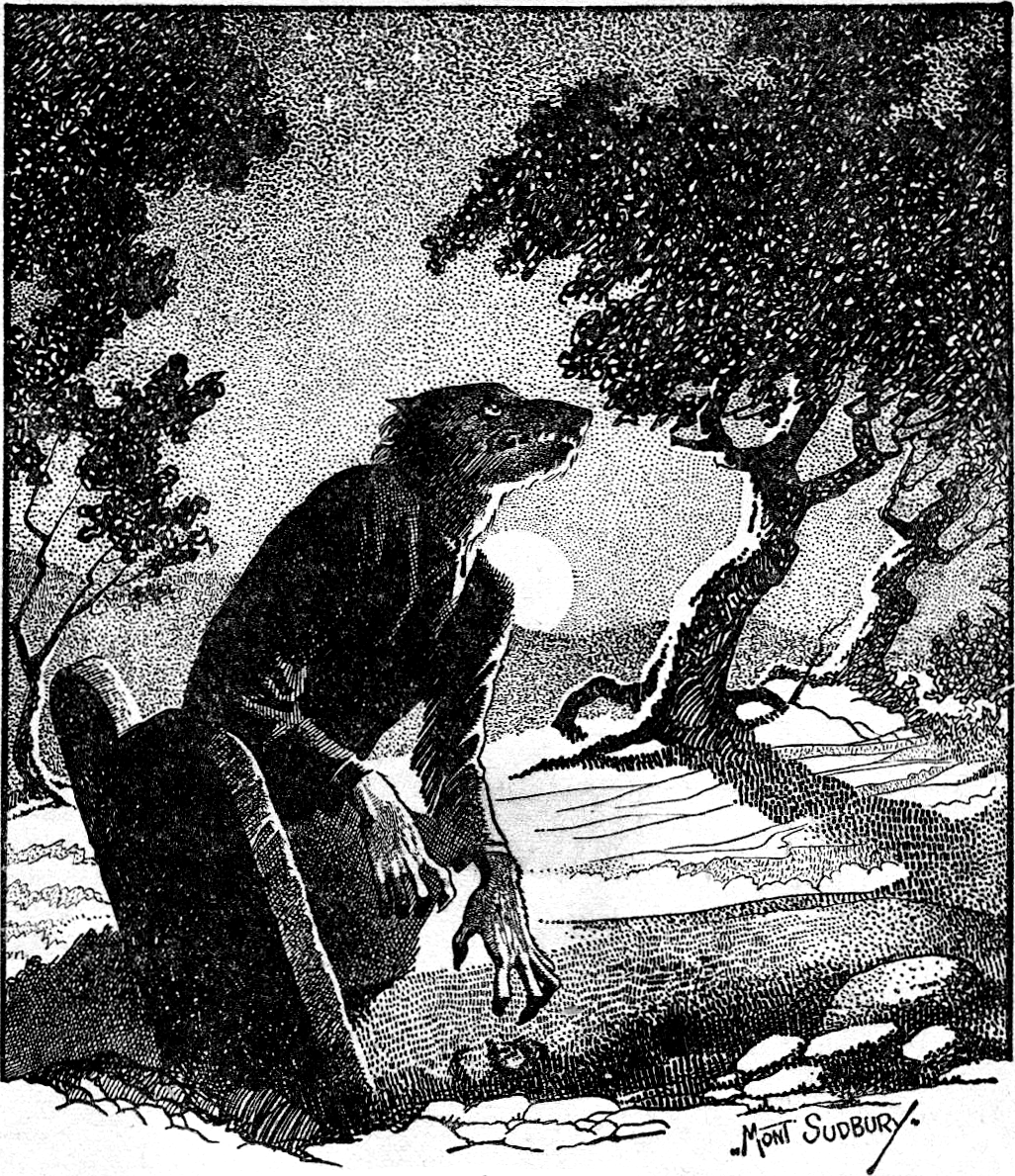 🇫🇷 France and 5 moreWerewolf
A mythical shapeshifter that turns into a wolf, central to European witch-hunts and Gothic horror.Being · Cursing and harm · Wonder and entertainment Legendary
🇫🇷 France and 5 moreWerewolf
A mythical shapeshifter that turns into a wolf, central to European witch-hunts and Gothic horror.Being · Cursing and harm · Wonder and entertainment Legendary
 🇪🇬 Egypt and 1 moreLilithלִילִית
A feminine figure from Mesopotamian and Jewish mythology, often depicted as a night demon or spirit.Being · Cursing and harm Legendary
🇪🇬 Egypt and 1 moreLilithלִילִית
A feminine figure from Mesopotamian and Jewish mythology, often depicted as a night demon or spirit.Being · Cursing and harm Legendary
 🇪🇬 EgyptCurse
A spoken wish for misfortune to befall a person or placeBelief · Cursing and harm · Luck and prosperity Historical
🇪🇬 EgyptCurse
A spoken wish for misfortune to befall a person or placeBelief · Cursing and harm · Luck and prosperity Historical