Qlippoth
In its own language: קְלִיפּוֹת
from Hebrew qəlippōṯ, meaning peels or shells
Impure spiritual forces in Jewish mysticism, opposites of the holy sefirot
The qlippoth are impure spiritual forces in Kabbalistic thought. They represent darkness and evil as the counterparts to the holy sefirot.
- Originates in the Zohar's interpretation of Genesis
- Meaning is peels, shells, or husks in Hebrew
- Counterparts to the holy sefirot on the Tree of Life
- Included in Hermetic Qabalah teachings
- Explored by the Typhonian Order for transformation
What it is
The qlippoth are impure spiritual forces within Jewish mysticism. They serve as the dark counterparts to the sefirot, which are the holy emanations of God. The realm they inhabit is known as Sitra Achra, or the Other Side. These entities are often described as husks or shells that remain after divine light has been withdrawn. In some traditions, they are viewed as remnants of creation that were not fully integrated into the holy structure.
Where it comes from
The concept appears first in the Zohar. It is linked to an esoteric reading of Genesis 1:14. The text uses a defective spelling for luminaries that matches the word for curses. This verse is interpreted as describing the moon dimming its light. That resulting darkness gave birth to the qlippoth. Later Kabbalists, such as those in the Lurianic school, expanded on these ideas. Christian scholars later translated these texts into Latin, introducing them to European occultism.
Qlippoth, drawn and placed
- Living
- Revived
- Fading
- Historical
- Legendary
- Performed
- Lineage
- Lurianic Kabbalah
What it is for
These forces are associated with destruction and anger. Specific names like Mashhith and Af correspond to specific sefirot. Practitioners of Hermetic Qabalah sometimes study them to understand the full spectrum of spiritual energy. Some modern orders believe integrating these darker aspects leads to holistic growth. They are not typically used for direct ritual work by mainstream communities.
Who does it
Scholars of Kabbalah and Hermetic Qabalah study these concepts. The Golden Dawn order included them in their magical correspondences. Aleister Crowley listed them in his tables of magic. Kenneth Grant explored them through the Typhonian Order. He viewed them as pathways for transformative energy. These studies are generally academic or esoteric rather than communal religious practice.
Peoples and places
The tradition originates in Jewish Babylonian Aramaic texts. It is central to Lurianic Kabbalah. Hermetic Qabalah adopted and adapted these ideas in Europe. The Typhonian Order continues to explore them in contemporary occultism. The concept remains a key part of understanding the shadow side of the Tree of Life in these systems.
At a glance: who, where and when
What people believe
The qlippoth are seen as the opposite of holiness. They are personifications of darkness and void. Names like Tohu and Bohu describe formless states. The structure includes seven divisions of Hell and twelve orders of demons. Each qlippa has a one-to-one match with a sefira. This balance suggests that darkness is necessary to define light.
How scholars and sceptics see it
Christian Knorr von Rosenroth published the Kabbala denudata in 1684. Samuel Liddell MacGregor Mathers translated it into English. This work introduced the qlippoth to Western esotericism. Modern researchers view these concepts as part of a complex theological system. They analyze how the idea evolved from Jewish mysticism to demonology.
Compare and confuse
The qlippoth are distinct from fallen angels in Christian theology. They are related to the concept of Yetzer hara, the evil inclination. The term Sitra Achra is also used in broader Kabbalistic discourse. Different orders interpret the hierarchy of these forces differently.
Questions people ask about Qlippoth
What are the qlippoth?
They are impure spiritual forces in Jewish mysticism. They act as the dark counterparts to the holy sefirot. The name means shells or husks in Hebrew.
Where do they come from?
They appear in the Zohar. The text links them to a curse found in Genesis. Darkness from a dimmed moon gave birth to them.
Are they demons?
Hermetic Qabalah merged them with demonology. They include orders of demons and divisions of Hell. Jewish texts view them more as spiritual states.
Good reading and sources
The facts on this page come from the Wikipedia article "Qlippoth", written by its contributors and used under the CC BY-SA 4.0 licence, and from its Wikidata record (CC0). EveryJaadu rewrote the text in its own words, with AI assistance, and compares every page with the article to make sure no passage is copied. It may be reused under the same CC BY-SA 4.0 licence with a link back.
It may contain mistakes. Names and customs differ from one community to the next, and some knowledge is closed to outsiders and left out here. This page describes belief and practice. It does not say that any of it works, it is not a how-to, and it is not medical advice. If something is wrong, tell us. Last refreshed 2026-10-06.
More from Israel
All the entries from Israel 🇮🇱 Israel and 2 moreLeviathanלִוְיָתָן (Livyaṯān)
A primordial sea monster from ancient Near Eastern myth and biblical textBeing · Cursing and harm · Power and authority Historical
🇮🇱 Israel and 2 moreBelialבְּלִיַּעַל
A Hebrew term for worthlessness that evolved into a demon of darkness in Jewish and Christian texts.Being · Cursing and harm Historical
🇮🇱 Israel and 2 moreLeviathanלִוְיָתָן (Livyaṯān)
A primordial sea monster from ancient Near Eastern myth and biblical textBeing · Cursing and harm · Power and authority Historical
🇮🇱 Israel and 2 moreBelialבְּלִיַּעַל
A Hebrew term for worthlessness that evolved into a demon of darkness in Jewish and Christian texts.Being · Cursing and harm Historical
 🇮🇱 Israel and 4 moreAngelמלאך
A supernatural messenger or intermediary spirit found in many religious traditions.Being · Speaking with spirits and the dead · Protection Living
🇮🇱 Israel and 4 moreAngelמלאך
A supernatural messenger or intermediary spirit found in many religious traditions.Being · Speaking with spirits and the dead · Protection Living
 🇮🇱 Israel and 5 moreAstaroth
An arch-demon in Western occultism, derived from the ancient goddess Astarte.Being · Power and authority · Cursing and harm Historical
🇮🇱 Israel and 5 moreAstaroth
An arch-demon in Western occultism, derived from the ancient goddess Astarte.Being · Power and authority · Cursing and harm Historical
Related elsewhere
All being 🇷🇸 Serbia and 5 moreVampire
An undead creature from folklore that feeds on the blood or life force of the livingBeing · Cursing and harm · Luck and prosperity Legendary
🇷🇸 Serbia and 5 moreVampire
An undead creature from folklore that feeds on the blood or life force of the livingBeing · Cursing and harm · Luck and prosperity Legendary
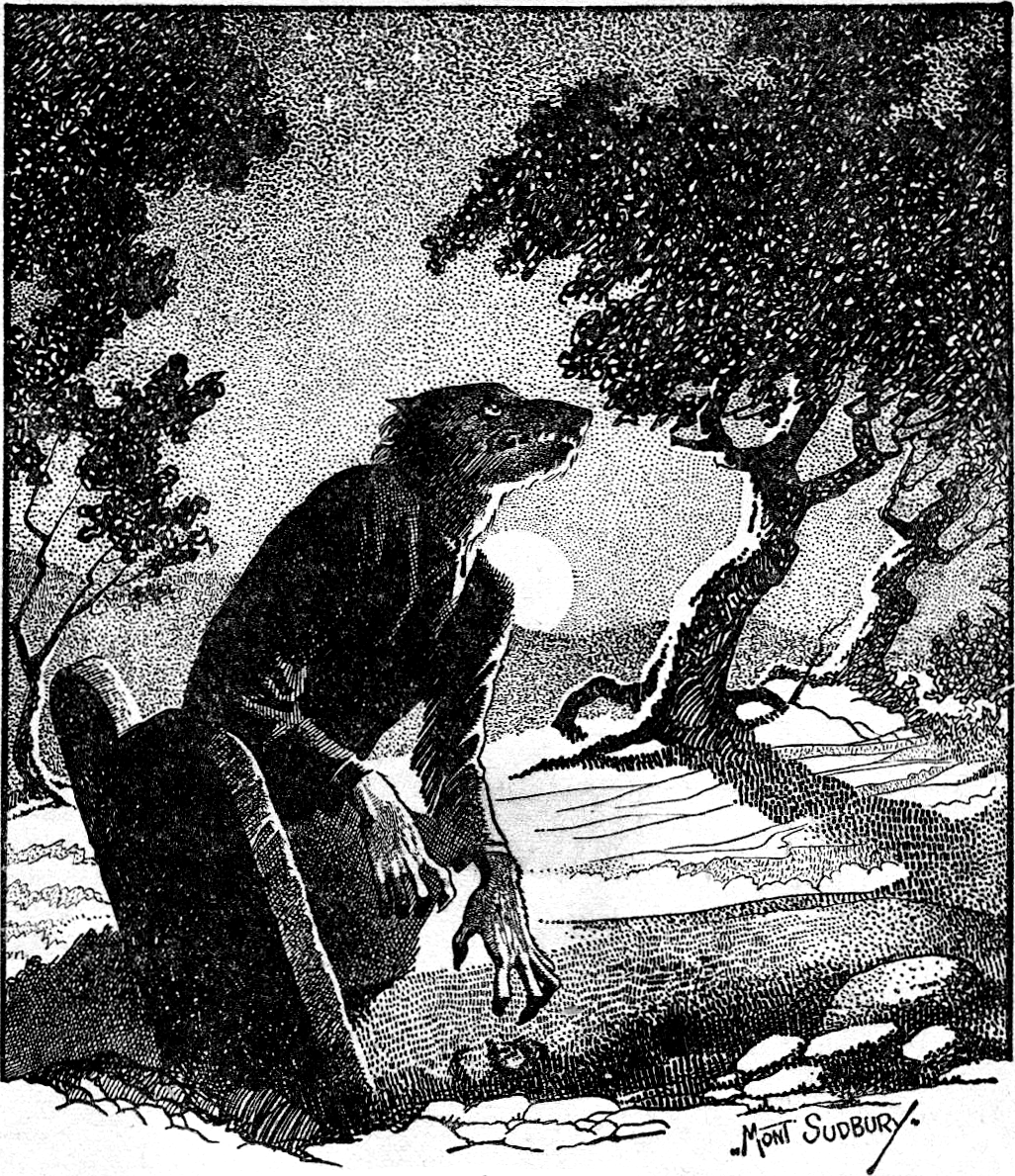 🇫🇷 France and 5 moreWerewolf
A mythical shapeshifter that turns into a wolf, central to European witch-hunts and Gothic horror.Being · Cursing and harm · Wonder and entertainment Legendary
🇫🇷 France and 5 moreWerewolf
A mythical shapeshifter that turns into a wolf, central to European witch-hunts and Gothic horror.Being · Cursing and harm · Wonder and entertainment Legendary
 🇪🇬 Egypt and 1 moreLilithלִילִית
A feminine figure from Mesopotamian and Jewish mythology, often depicted as a night demon or spirit.Being · Cursing and harm Legendary
🇪🇬 Egypt and 1 moreLilithלִילִית
A feminine figure from Mesopotamian and Jewish mythology, often depicted as a night demon or spirit.Being · Cursing and harm Legendary
 🇪🇬 EgyptCurse
A spoken wish for misfortune to befall a person or placeBelief · Cursing and harm · Luck and prosperity Historical
🇪🇬 EgyptCurse
A spoken wish for misfortune to befall a person or placeBelief · Cursing and harm · Luck and prosperity Historical