
Echidna
In its own language: Έχιδνα
from Ancient Greek Ékhidna, meaning 'she-viper'
A half-woman, half-snake monster in Greek myth who mothered many famous beasts
Echidna is a figure from ancient Greek mythology described as half beautiful maiden and half fearsome snake. She lived in a cave and was the mate of Typhon, producing offspring that include Cerberus, the Hydra, and the Sphinx.
- Half-woman, half-snake monster in Greek myth
- Mate of Typhon and mother of Cerberus and Hydra
- Born in a cave beneath the holy earth
- Scythian version is mother of Scythian kings
- Name means 'she-viper' in Ancient Greek
What it is
Echidna is a legendary being in Greek mythology, often called the mother of monsters. She is depicted as a creature with the upper body of a beautiful woman and the lower body of a large, poisonous snake. Some accounts describe her as having multiple snake heads. She is immortal and ageless, living apart from both gods and humans in a deep cave. Her primary role in myth is as the mate of the giant monster Typhon and the progenitor of several famous creatures.
Where it comes from
The origins of Echidna vary across ancient texts. Hesiod suggests she is the daughter of Ceto and Phorcys, or possibly Callirhoe and Chrysaor. Other sources name her parents as Styx and Peiras, or Tartarus and Gaia. The Orphic tradition identifies her as the daughter of Phanes. These conflicting genealogies reflect the diverse nature of ancient mythological storytelling rather than a single fixed history.
Echidna, drawn and placed
- Living
- Revived
- Fading
- Historical
- Legendary
- Performed
- Lineage
- Greek mythology
What it is for
Echidna serves as a narrative device to explain the lineage of dangerous monsters. She is believed to have borne creatures that threatened heroes and gods. In some Scythian myths, she acts as a matriarchal founder figure, giving birth to the ancestors of the Scythian people through a union with the hero Heracles.
Peoples and places
Echidna is primarily a figure in Greek mythology. However, a similar creature appears in Scythian legend recorded by Herodotus. In this version, a half-woman, half-snake entity lives in a cave in Scythia and becomes the mother of the Scythian kings. This suggests a possible cultural connection or shared archetype between Greek and steppe traditions regarding serpent-women.
At a glance: who, where and when
Peoples


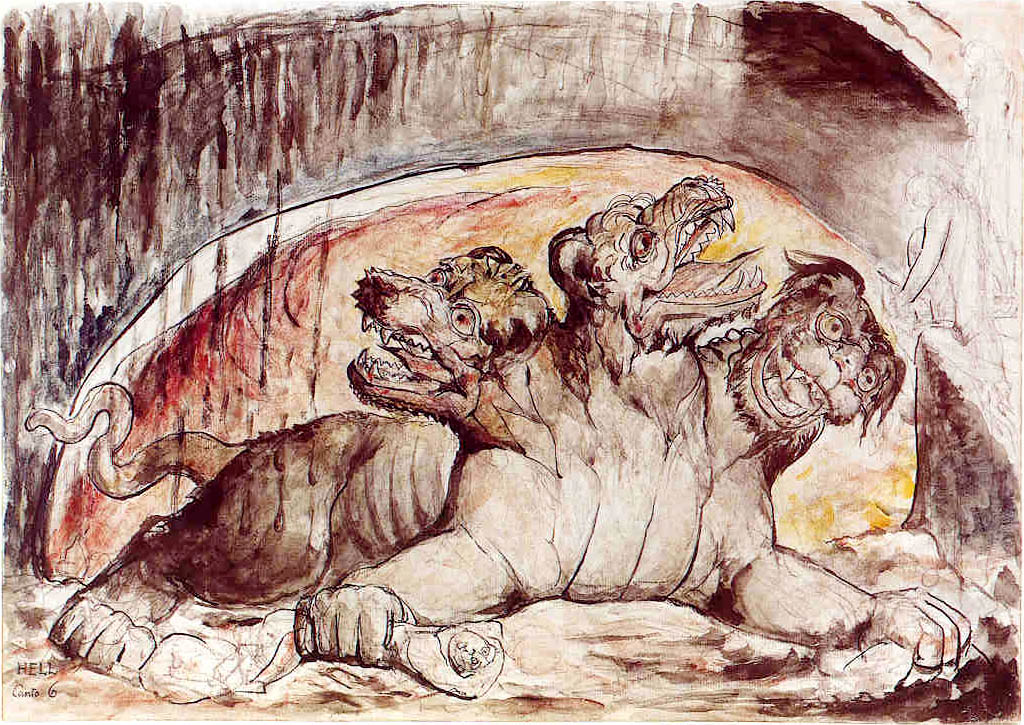
What people believe
In Greek cosmology, Echidna represents the chaotic and monstrous forces that exist outside the order of Olympus. Her union with Typhon produces beings that challenge divine authority. The belief in her immortality underscores the eternal nature of these chaotic threats. Later Christian texts reinterpret her as a demonic dragon defeated by saints, shifting her from a mythological ancestor to a symbol of evil.
How scholars and sceptics see it
Scholars note the variations in Echidna's parentage as evidence of evolving mythological traditions. Historians analyze the geographical locations associated with her cave, such as Arima in Cilicia or Pithecussae in Italy, to understand how ancient Greeks mapped mythical spaces onto real landscapes. The Scythian parallel is studied to explore cross-cultural motifs of serpent-mothers.
Compare and confuse
Echidna is often compared to other serpent-women figures in global mythology. In Scythian lore, the unnamed cave-dweller shares her form and maternal role. She is distinct from Ceto, her alleged mother, who is also a sea monster. The later Christian 'Viper' of Hierapolis draws on her imagery but recontextualizes her as a pagan demon.
Questions people ask about Echidna
What does the name Echidna mean?
The name comes from the Ancient Greek word Ékhidna, which translates directly to 'she-viper'. This reflects her serpentine lower body and venomous nature in myth.
Who are Echidna's children?
She is the mother of famous monsters including Cerberus, the Lernaean Hydra, the Chimera, the Sphinx, and the Nemean Lion. These beings were created alongside her mate Typhon.
Where did Echidna live?
Myths place her in a deep cave in Arima, located in regions like Cilicia or Lydia. Some accounts also associate her lair with the volcanic island of Pithecussae in Italy.
Is Echidna immortal?
Hesiod describes her as ageless and immortal. However, later authors like Apollodorus claim she was eventually killed by the hundred-eyed giant Argus while she slept.
Good reading and sources
- Echidna (mythology) on WikipediaEncyclopedia
- More photos on Wikimedia CommonsPhotos and video
- Wikidata recordOpen data
The facts on this page come from the Wikipedia article "Echidna (mythology)", written by its contributors and used under the CC BY-SA 4.0 licence, and from its Wikidata record (CC0). EveryJaadu rewrote the text in its own words, with AI assistance, and compares every page with the article to make sure no passage is copied. It may be reused under the same CC BY-SA 4.0 licence with a link back.
It may contain mistakes. Names and customs differ from one community to the next, and some knowledge is closed to outsiders and left out here. This page describes belief and practice. It does not say that any of it works, it is not a how-to, and it is not medical advice. If something is wrong, tell us. Last refreshed 2026-10-06.
More from Syria
All the entries from Syria 🇮🇱 Israel and 2 moreLeviathanלִוְיָתָן (Livyaṯān)
A primordial sea monster from ancient Near Eastern myth and biblical textBeing · Cursing and harm · Power and authority Historical
🇸🇾 SyriaLilulilû (Akkadian), lilu (Sumerian)
A class of Mesopotamian spirits linked to unfulfilled lives and illnessBeing · Cursing and harm · Healing Historical
🇸🇾 Syria and 1 moreLotan𐎍𐎚𐎐 (LTN)
A coiled sea serpent defeated by a storm god in Ugaritic mythBeing Legendary
🇮🇱 Israel and 2 moreLeviathanלִוְיָתָן (Livyaṯān)
A primordial sea monster from ancient Near Eastern myth and biblical textBeing · Cursing and harm · Power and authority Historical
🇸🇾 SyriaLilulilû (Akkadian), lilu (Sumerian)
A class of Mesopotamian spirits linked to unfulfilled lives and illnessBeing · Cursing and harm · Healing Historical
🇸🇾 Syria and 1 moreLotan𐎍𐎚𐎐 (LTN)
A coiled sea serpent defeated by a storm god in Ugaritic mythBeing Legendary
Related elsewhere
All being 🇷🇸 Serbia and 5 moreVampire
An undead creature from folklore that feeds on the blood or life force of the livingBeing · Cursing and harm · Luck and prosperity Legendary
🇷🇸 Serbia and 5 moreVampire
An undead creature from folklore that feeds on the blood or life force of the livingBeing · Cursing and harm · Luck and prosperity Legendary
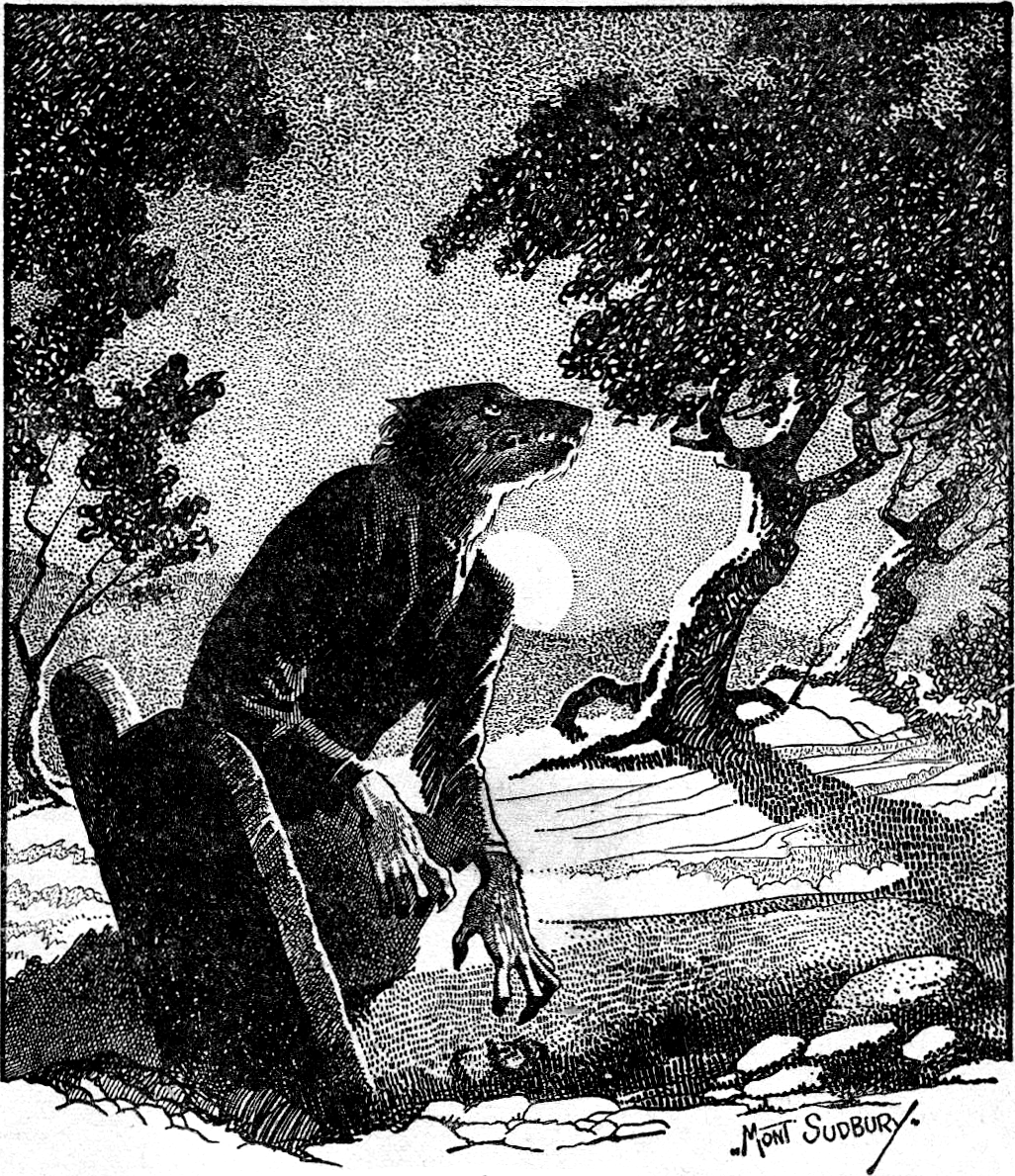 🇫🇷 France and 5 moreWerewolf
A mythical shapeshifter that turns into a wolf, central to European witch-hunts and Gothic horror.Being · Cursing and harm · Wonder and entertainment Legendary
🇫🇷 France and 5 moreWerewolf
A mythical shapeshifter that turns into a wolf, central to European witch-hunts and Gothic horror.Being · Cursing and harm · Wonder and entertainment Legendary
 🇪🇬 Egypt and 1 moreLilithלִילִית
A feminine figure from Mesopotamian and Jewish mythology, often depicted as a night demon or spirit.Being · Cursing and harm Legendary
🇪🇬 Egypt and 1 moreLilithלִילִית
A feminine figure from Mesopotamian and Jewish mythology, often depicted as a night demon or spirit.Being · Cursing and harm Legendary
 🇪🇬 EgyptCurse
A spoken wish for misfortune to befall a person or placeBelief · Cursing and harm · Luck and prosperity Historical
🇪🇬 EgyptCurse
A spoken wish for misfortune to befall a person or placeBelief · Cursing and harm · Luck and prosperity Historical