Lilu
In its own language: lilû (Akkadian), lilu (Sumerian)
from the Akkadian word lilû, meaning spirit or demon
A class of Mesopotamian spirits linked to unfulfilled lives and illness
The lilu is a masculine spirit or demon in ancient Akkadian and Sumerian belief. The lilītu is the female counterpart, while ardat-lilî refers to an adolescent female spirit. These beings are said to arise from adults who died before marriage or having children.
- Lilu is the Akkadian word for a masculine spirit or demon
- Female counterparts include lilītu and ardat-lilî
- Believed to originate from those who died unmarried
- Rituals used astrological timings for removal spells
- Connected to explanations for neurological and STD illnesses
What it is
The lilu represents a category of supernatural entities in ancient Mesopotamian culture. The term lilû serves as the masculine designation for these spirits, while the feminine form is known as lilītu. An adolescent female variant is called ardat-lilî. Ancient people believed these figures emerged from the unfulfilled spirits of individuals who passed away before they could marry or conceive children. The root word lil- connects to broader concepts of desolation and wild creatures. Scholars view them as part of a complex system of demons that influenced human health and fate.
Where it comes from
Researchers attribute the concept of the lilû class to ancient interpretations of neurological disorders, mental illnesses, and sexually transmitted infections like syphilis. Texts often describe them as teenage demons responsible for afflicting members of the opposite sex, particularly girls. Some scholars link them to the goddess Ištar, noting instances where an ardat-lilî was described as mistreated by her hand. The idea likely evolved from early attempts to explain sudden or mysterious ailments through spiritual causality.
How it is done
Rituals were designed to remove these demons using specific astrological timings. Tablets from Uruk outline spells to be performed on particular days, such as Month 2 Day 12 or Month 4 Day 12. These ceremonies aligned with celestial bodies like the Pleiades, the Scales, or Pabilsag. Incantations were recited to dissolve the influence of the lilû, lilītu, and ardat-lilî. The texts functioned as anti-witchcraft rites, aiming to reverse the seizure caused by these entities and restore balance to the afflicted individual.
Tools and materials
The primary tools were cuneiform tablets containing incantations and astrological data. Specific stars and constellations dictated when rituals should occur. The texts mention the use of spells tied to celestial distances and positions. Materials for physical offerings are not detailed in the provided sources, but the written word and astronomical knowledge served as the main instruments for engaging with or banishing these spirits.
Lilu, drawn and placed
- Living
- Revived
- Fading
- Historical
- Legendary
- Performed
- Lineage
- ancient Mesopotamian mythology
- Timing
- specific days on the calendar for rituals
What it is for
These spirits were primarily associated with causing harm and illness. People sought rituals to protect themselves from being seized by lilû demons. The intent was to cure diseases believed to be caused by these entities, such as jaundice or epilepsy. Rituals aimed to melt and dissolve the evil influence, ensuring the well-being of the patient. They also addressed fears of sorcery and demonic witchcraft that targeted vulnerable groups.
Who does it
The practice involves scholars and ancient priests who interpreted texts and performed rituals. Modern analysis relies on historians and linguists studying cuneiform tablets. In antiquity, ritual specialists would conduct ceremonies based on astrological calendars. The knowledge was preserved in literary and magical corpora.
Peoples and places
The tradition belongs to the ancient Mesopotamians, including Sumerian and Akkadian cultures. The Sumerian King List mentions a lilu as the father of Gilgamesh. Later Assyrian translations expanded on these themes. The concept influenced later Jewish mythology, connecting to terms like Lilith and lilin. Different regions within Mesopotamia developed variations in how these spirits were named and understood over time.
At a glance: who, where and when
What people believe
The worldview holds that unfulfilled lives create restless spirits that return to haunt the living. These beings are seen as agents of disease and misfortune. They operate within a hierarchy of demons, often appearing alongside figures like Lamaštu. The belief system integrates astrology, suggesting that celestial movements affect spiritual forces. Illnesses are interpreted as physical manifestations of spiritual attacks requiring counter-magic.
When it is done
Rituals were scheduled according to specific dates on the lunar calendar. Key moments included the twelfth day of certain months. Astrological alignments with stars like the Pleiades or constellations such as Sagittarius determined the timing for effective spells. These dates were crucial for maximizing the power of the incantations against the demons.
How scholars and sceptics see it
Historians and anthropologists study these texts to understand ancient medical and spiritual beliefs. Researchers note the connection between demonology and the explanation of physical and mental health issues. Linguists trace the evolution of the term lilu into later Semitic languages. Skeptics view these accounts as cultural narratives rather than literal realities. The academic focus remains on textual analysis and historical context.
Cautions and what is closed
The texts describe the dangers posed by the demons, such as causing severe illness. There is no indication of modern persecution or fraud associated with this historical belief system. The knowledge is closed to the past, preserved only in archaeological finds.
Compare and confuse
The lilu is related to later figures like the Hebrew Lilith and Talmudic lilin. It shares traits with other Mesopotamian demons such as Lamaštu and Utukku. The concept differs from Western incubus or succubus myths, though parallels exist. The ki-sikil-lil-la-ke in Gilgamesh literature offers a narrative example of these spirits interacting with gods and heroes.
Questions people ask about Lilu
What is a lilu?
A lilu is a masculine spirit or demon in ancient Mesopotamian belief. The term describes a class of entities thought to cause illness and misfortune, originating from unfulfilled lives.
Where does the concept come from?
It originates from Sumerian and Akkadian cultures in ancient Mesopotamia. The word lilû appears in religious texts and king lists, reflecting early spiritual worldviews about death and disease.
How were lilu demons removed?
Ancient practitioners used incantations and rituals timed to specific astrological events. Spells were recited on designated days to dissolve the influence of these spirits and heal the afflicted.
Good reading and sources
The facts on this page come from the Wikipedia article "Lilu (mythology)", written by its contributors and used under the CC BY-SA 4.0 licence, and from its Wikidata record (CC0). EveryJaadu rewrote the text in its own words, with AI assistance, and compares every page with the article to make sure no passage is copied. It may be reused under the same CC BY-SA 4.0 licence with a link back.
It may contain mistakes. Names and customs differ from one community to the next, and some knowledge is closed to outsiders and left out here. This page describes belief and practice. It does not say that any of it works, it is not a how-to, and it is not medical advice. If something is wrong, tell us. Last refreshed 2026-10-06.
More from Syria
All the entries from Syria 🇮🇱 Israel and 2 moreLeviathanלִוְיָתָן (Livyaṯān)
A primordial sea monster from ancient Near Eastern myth and biblical textBeing · Cursing and harm · Power and authority Historical
🇮🇱 Israel and 2 moreLeviathanלִוְיָתָן (Livyaṯān)
A primordial sea monster from ancient Near Eastern myth and biblical textBeing · Cursing and harm · Power and authority Historical
 🇪🇬 Egypt and 3 moreAmulet
A portable object worn or carried to ward off harm and invite fortuneCharm · Protection · Luck and prosperity Living
🇪🇬 Egypt and 3 moreAmulet
A portable object worn or carried to ward off harm and invite fortuneCharm · Protection · Luck and prosperity Living
 🇪🇹 Ethiopia and 5 morePrester John
A legendary Christian king and priest said to rule a lost kingdom in the East.Figure · Power and authority · Wonder and entertainment Legendary
🇪🇹 Ethiopia and 5 morePrester John
A legendary Christian king and priest said to rule a lost kingdom in the East.Figure · Power and authority · Wonder and entertainment Legendary
Related elsewhere
All being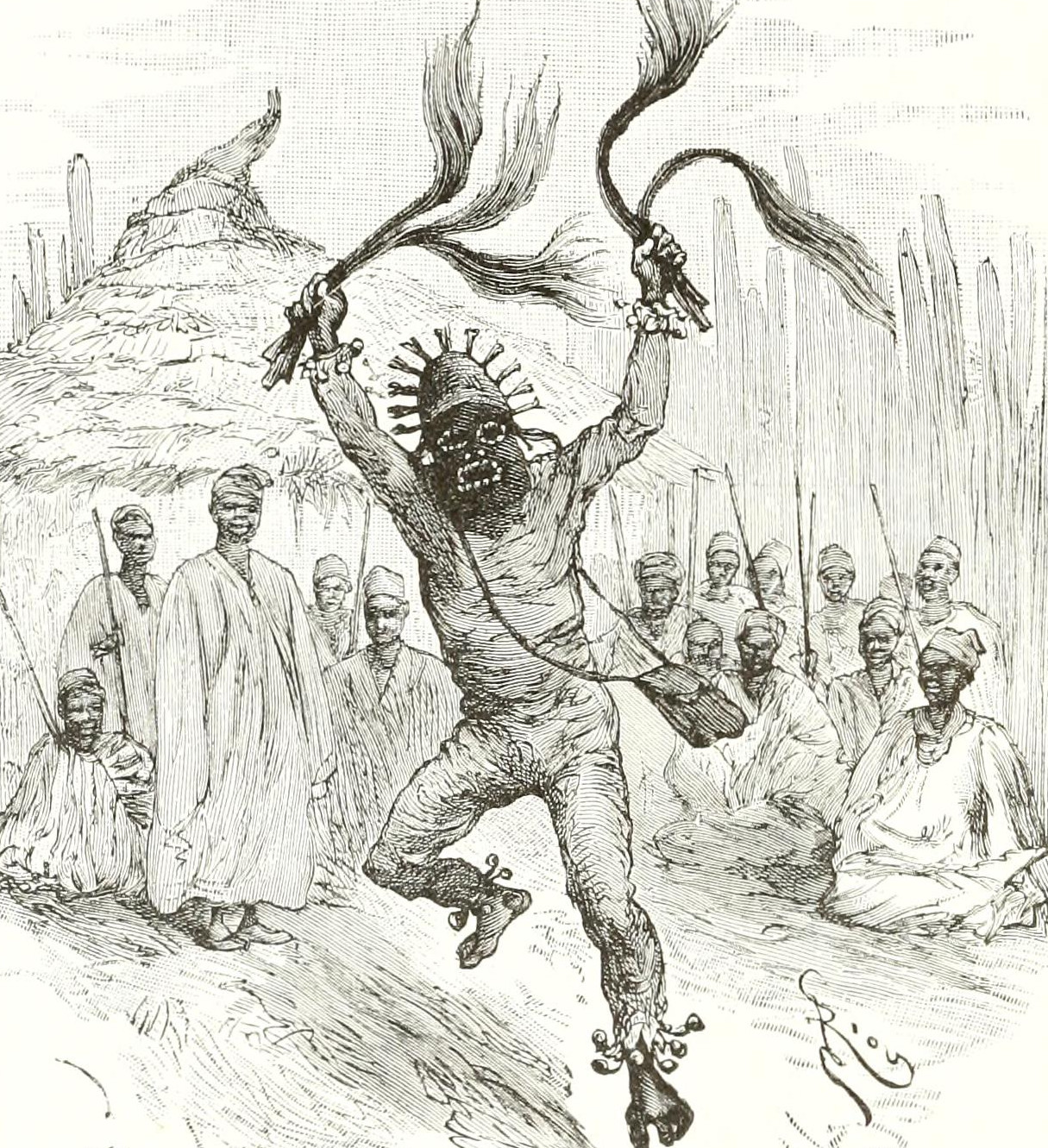 🇺🇸 United States and 2 moreLouisiana Voodoo
An African diasporic religion practiced in Louisiana from the 18th to early 20th centuriesTradition · Healing · Protection Historical
🇺🇸 United States and 2 moreLouisiana Voodoo
An African diasporic religion practiced in Louisiana from the 18th to early 20th centuriesTradition · Healing · Protection Historical
 🇨🇬 Republic of the CongoNkisi
Spirit containers and power figures from the Congo Basin used for justice and healingCharm · Protection · Healing Living
🇨🇬 Republic of the CongoNkisi
Spirit containers and power figures from the Congo Basin used for justice and healingCharm · Protection · Healing Living
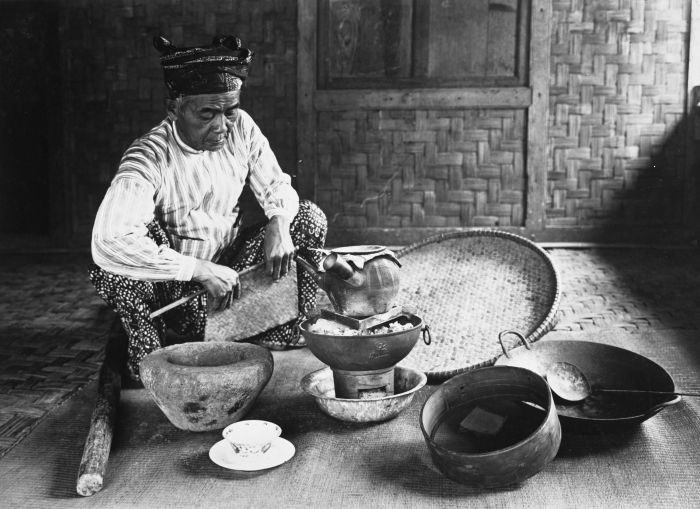 🇮🇩 Indonesia and 2 moreDukun
A traditional healer and spirit medium in Indonesian folk practiceTradition · Healing · Seeing and foretelling Living
🇲🇾 Malaysia and 1 moreBomohبوموه
A Malay shaman and traditional healer who works with spirits, herbs, and geomancy.Tradition · Healing · Seeing and foretelling Living
🇮🇩 Indonesia and 2 moreDukun
A traditional healer and spirit medium in Indonesian folk practiceTradition · Healing · Seeing and foretelling Living
🇲🇾 Malaysia and 1 moreBomohبوموه
A Malay shaman and traditional healer who works with spirits, herbs, and geomancy.Tradition · Healing · Seeing and foretelling Living