Mahalath
In its own language: מָחֲלַת
A queen of demons in Jewish mysticism and the mother of Agrat
Mahalath is a demon queen in Jewish tradition. She is known as the mother of Agrat and a wife of Esau or Samael. Sources on her are scarce.
- Mahalath is a demon queen in Jewish mysticism.
- She is the mother of Agrat bat Mahalath.
- She is a wife of Esau and Samael.
- She meets Lilith in the desert on Yom Kippur.
- Solomon bound her and other demon queens.
What it is
Mahalath is a figure from Jewish mysticism. She is described as a queen of demons. Most sources identify her as the mother of Agrat. Some texts call her a wife of Esau. Others name her as one of the wives of Samael. She appears alongside Lilith and Naamah. Her origins link to biblical figures like Ishmael. Scholars note that information about her is limited.
Where it comes from
The name derives from the biblical Mahalath. This was the daughter of Ishmael and wife of Esau. Mystics adapted this name for a demon queen. The Talmud and Midrash mention her only through her daughter. Kabbalistic texts expand her role. The Zohar warns against mixing with her family. Moses Cordovero describes her encounter with Lilith. Abraham ben Mordecai Galante adds details about her dancing.
Mahalath, drawn and placed
- Living
- Revived
- Fading
- Historical
- Legendary
- Performed
- Lineage
- Jewish mysticism
What it is for
Mahalath is associated with harmful spirits. Rabbeinu Bahya states she rules over unclean spirits. These entities gather during specific times. They rule from sunset until midnight. Solomon is said to have bound them. Invocations sometimes seek to bind her. Other texts deny her power over fetuses. Her legions are said to disturb prayers.
Who does it
Scholars study these texts. Rabbinic literature records her name. Kabbalists describe her encounters. Moses Cordovero writes of her singing. Abraham ben Mordecai Galante describes her dancing. Manuscripts invoke her for binding. Researchers analyze genealogies linking her to Egypt. They trace her descent from Kasdiel.
Peoples and places
Jewish tradition holds these beliefs. Egyptian desert lore influences some accounts. The text links her to Ishmael's lineage. Kasdiel is named as an Egyptian sorcerer. Igratiel rules the desert where she stays. Esau takes her as a wife in Genesis. Four queens rule different seasons.
At a glance: who, where and when
What people believe
Mahalath leads destructive angels. She has 478 legions. Lilith has 480 legions. Their voices rise to heaven. God causes their clamor. This stops demons from bothering Israelites. They pray during Yom Kippur. Mahalath sings in the Holy Tongue. Lilith screeches instead. Each queen rules a season. They gather near mountains of darkness.
When it is done
Legions rule during solstices and equinoxes. They gather at sunset. They remain until midnight. An encounter happens on the Day of Atonement. This is when prayers occur. God silences their noise then. Four women rule four seasons. They meet in the desert.
How scholars and sceptics see it
Rabbi Bahya ben Asher comments on Genesis. He lists four demon mothers. He notes Solomon's control over them. Moses Cordovero leads Safed Kabbalists. He describes two Liliths. Abraham ben Mordecai Galante wrote Kol Bokhim. He explains the etymology of her name. He calls her a compulsive dancer.
Cautions and what is closed
The Zohar forbids mixing seed with her family. Doing so transgresses God's command. Her seed is considered evil. Invocations may bind her. Manuscripts deny her power over fetuses. She cannot switch a fetus in the womb. Some texts say she does not bear children. She is just fornication in the world.
Compare and confuse
She is sometimes replaced by Rahab. Eisheth Zenunim replaces her in some lists. This epithet belongs to Lilith in the Zohar. Agrat bat Mahalath is her daughter. Naamah is another wife of Samael. Lilith is her rival in the desert. All four are wives of Esau's patron.
Questions people ask about Mahalath
Who is Mahalath?
Mahalath is a demon queen in Jewish mysticism. She is known as the mother of Agrat. She is also a wife of Esau and Samael. Her name comes from a biblical figure.
Where does the name come from?
The name derives from the biblical Mahalath. This was the daughter of Ishmael. She was the wife of Esau in Genesis. Mystics adapted the name for a demon.
What is her role?
She leads 478 legions of spirits. She sings in the Holy Tongue. She meets Lilith in the desert. God uses their noise to stop prayers. Solomon bound her and others.
Is she related to other demons?
Yes. She is the mother of Agrat. She is a wife of Samael. She rivals Lilith. Naamah is another wife. Rahab sometimes replaces her.
Good reading and sources
The facts on this page come from the Wikipedia article "Mahalath (demon)", written by its contributors and used under the CC BY-SA 4.0 licence, and from its Wikidata record (CC0). EveryJaadu rewrote the text in its own words, with AI assistance, and compares every page with the article to make sure no passage is copied. It may be reused under the same CC BY-SA 4.0 licence with a link back.
It may contain mistakes. Names and customs differ from one community to the next, and some knowledge is closed to outsiders and left out here. This page describes belief and practice. It does not say that any of it works, it is not a how-to, and it is not medical advice. If something is wrong, tell us. Last refreshed 2026-10-06.
More from Egypt
All the entries from Egypt 🇪🇬 Egypt and 1 moreSphinx
A mythical hybrid with a human head and lion body, serving as guardian or riddler in Egyptian and Greek traditions.Being · Protection · Wonder and entertainment Legendary
🇪🇬 Egypt and 1 moreSphinx
A mythical hybrid with a human head and lion body, serving as guardian or riddler in Egyptian and Greek traditions.Being · Protection · Wonder and entertainment Legendary
 🇮🇱 Israel and 2 moreLeviathanלִוְיָתָן (Livyaṯān)
A primordial sea monster from ancient Near Eastern myth and biblical textBeing · Cursing and harm · Power and authority Historical
🇮🇱 Israel and 2 moreBelialבְּלִיַּעַל
A Hebrew term for worthlessness that evolved into a demon of darkness in Jewish and Christian texts.Being · Cursing and harm Historical
🇮🇱 Israel and 2 moreLeviathanלִוְיָתָן (Livyaṯān)
A primordial sea monster from ancient Near Eastern myth and biblical textBeing · Cursing and harm · Power and authority Historical
🇮🇱 Israel and 2 moreBelialבְּלִיַּעַל
A Hebrew term for worthlessness that evolved into a demon of darkness in Jewish and Christian texts.Being · Cursing and harm Historical
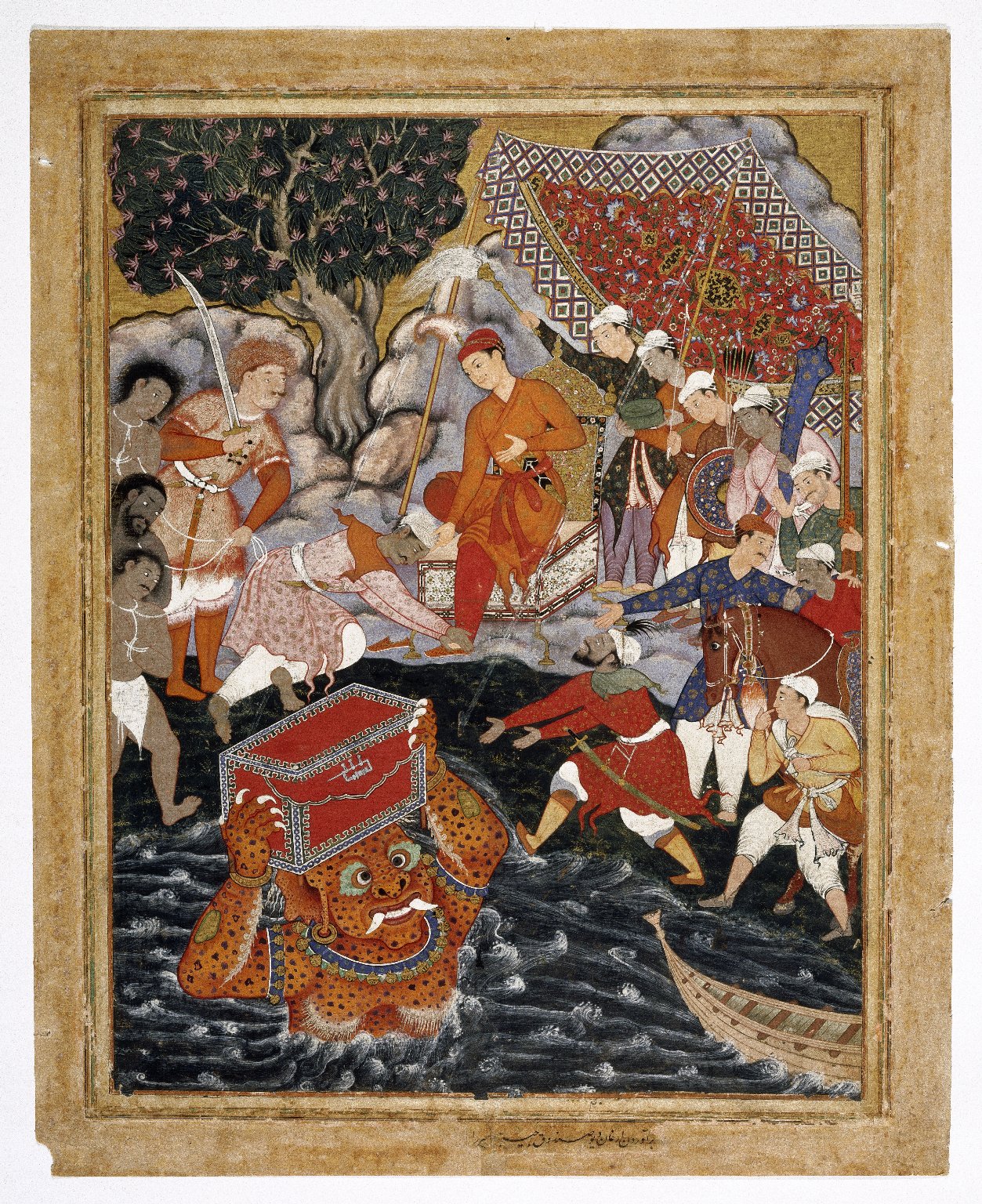 🇪🇬 Egypt and 3 moreIfritعفريت
A class of powerful chthonic spirits in Islamic tradition and folkloreBeing · Cursing and harm · Power and authority Historical
🇪🇬 Egypt and 3 moreIfritعفريت
A class of powerful chthonic spirits in Islamic tradition and folkloreBeing · Cursing and harm · Power and authority Historical
Related elsewhere
All being 🇷🇸 Serbia and 5 moreVampire
An undead creature from folklore that feeds on the blood or life force of the livingBeing · Cursing and harm · Luck and prosperity Legendary
🇷🇸 Serbia and 5 moreVampire
An undead creature from folklore that feeds on the blood or life force of the livingBeing · Cursing and harm · Luck and prosperity Legendary
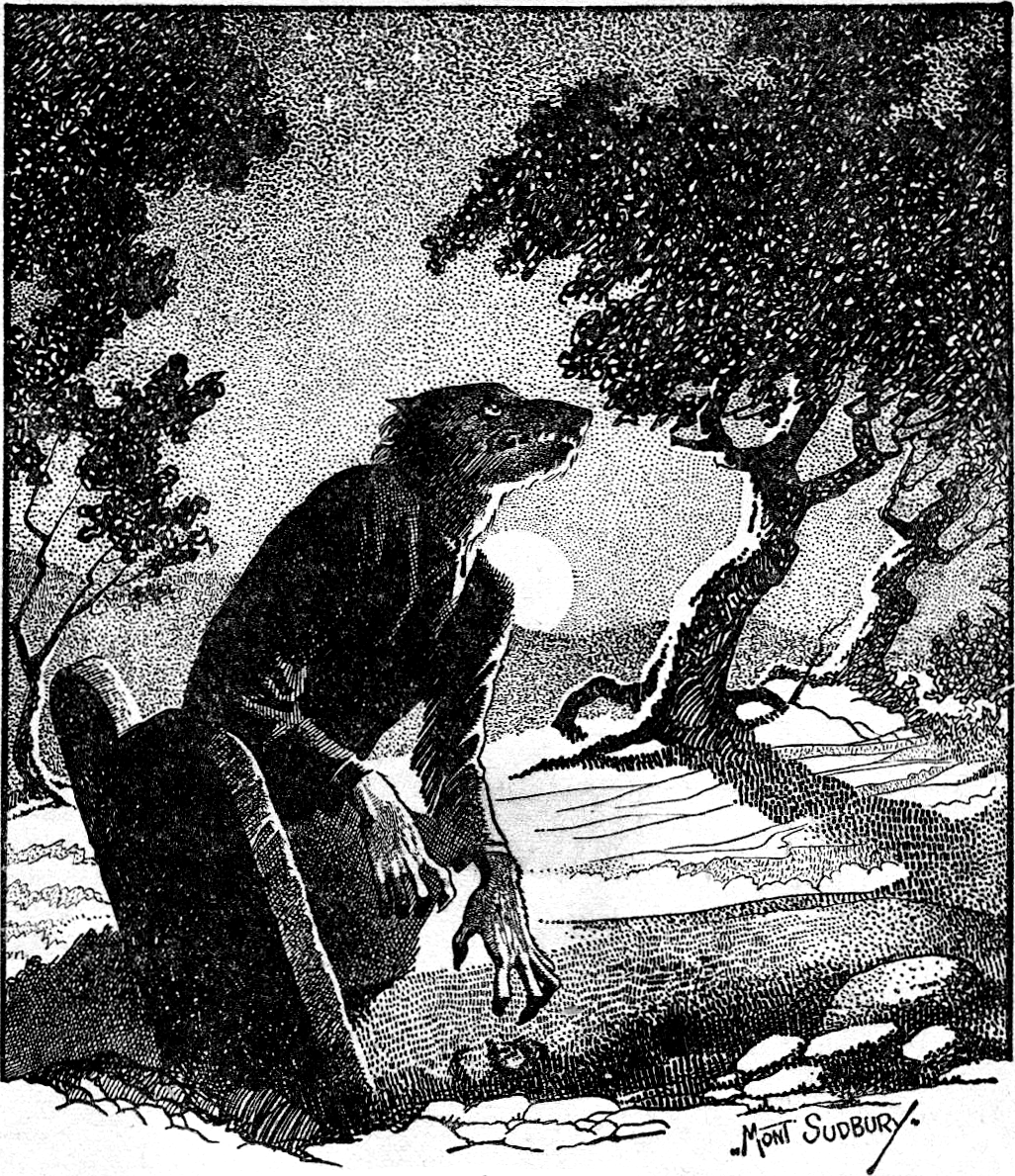 🇫🇷 France and 5 moreWerewolf
A mythical shapeshifter that turns into a wolf, central to European witch-hunts and Gothic horror.Being · Cursing and harm · Wonder and entertainment Legendary
🇫🇷 France and 5 moreWerewolf
A mythical shapeshifter that turns into a wolf, central to European witch-hunts and Gothic horror.Being · Cursing and harm · Wonder and entertainment Legendary
 🇪🇬 Egypt and 1 moreLilithלִילִית
A feminine figure from Mesopotamian and Jewish mythology, often depicted as a night demon or spirit.Being · Cursing and harm Legendary
🇪🇬 Egypt and 1 moreLilithלִילִית
A feminine figure from Mesopotamian and Jewish mythology, often depicted as a night demon or spirit.Being · Cursing and harm Legendary
 🇪🇬 EgyptCurse
A spoken wish for misfortune to befall a person or placeBelief · Cursing and harm · Luck and prosperity Historical
🇪🇬 EgyptCurse
A spoken wish for misfortune to befall a person or placeBelief · Cursing and harm · Luck and prosperity Historical