Spirits, creatures and beings
Djinn, fairies, orisha, golems and the other powers that magic deals with.
Beings are the powers that magic deals with: spirits, ancestors, gods, djinn, fairies, orisha, nats, kami, demons, golems, ghosts and the many kinds of household and landscape spirit. People in most cultures have described a world shared with unseen others, who may help, trouble or ask for respect. This page covers what these beings are said to be and the very different ways communities relate to them. They are always described here as what communities believe, not as established fact.
Different kinds of beings
A being can be a god with a priesthood, such as an orisha served in Yoruba religion, Cuba and Brazil. It can be an ancestor, honoured in China, Africa and Mexico. It can belong to a place, such as the kami of Shinto, the Thai phi or the Burmese nats. It can be a trouble-maker, like the djinn of Arabic and Islamic tradition, formed from smokeless fire, or the fairies of Ireland, whom people avoided naming.
Relationship, not command
In many traditions, a person does not command a being but enters a relationship with it, through offerings, promises and respect. Possession and mediumship are forms of that relationship, as in Vodou, Candomblé, Korean mudang rites and Sufi gatherings. In ceremonial magic of the European grimoires, by contrast, the magician summons spirits by name and authority, which the Church condemned as demon-raising. The same being may be loved in one household and feared in the next, and a spirit helpful to its servant can be harmful to a stranger.
Religions and renaming
Dominant religions often absorbed beings by relabelling them. Christian missionaries called many African and Indigenous spirits demons. Islam reads the djinn as real creatures, some of whom are Muslim, and Hindu and Buddhist traditions fold local deities into their own pantheons. Pagan and fairy beliefs were sometimes recast as the devil's work, which fed witch trials in Europe. Churches and mosques have sometimes divided beings into good and evil in ways the older traditions did not, so that a neutral local spirit became a demon on the day a missionary arrived.
Harm and interpretation
Belief in harmful spirits has been used to accuse people. Children in parts of West and Central Africa have been branded as witches possessed by evil spirits, and some have been abused by pastors or families in the name of deliverance. Scholars read spirit beliefs as ways to make sense of illness, loss and conflict, and many communities see them simply as neighbours. That is why accusations tied to spirit beliefs fall hardest on children and the vulnerable, and why many agencies train local leaders to challenge them.
Being on EveryJaadu
The entries written up so far, best known first.
 🇸🇾 Syria and 1 moreShatiqatu𐎌𐎓𐎚𐎖𐎚 (šʿtqt)
A Ugaritic healing figure created from clay to cure the king KirtaBeing · Healing Historical
🇬🇧 United KingdomWirry-cow
A Scottish folk figure representing a frightening object or spiritBeing · Cursing and harm Historical
🇺🇦 Ukraine and 1 moreStrichaСтріча
A Slavic goddess who spins the golden thread of human destiny and good fortuneBeing · Luck and prosperity · Protection Historical
🇬🇧 United KingdomMadam Pigott
A White Lady ghost of Shropshire who haunts roads and rides on horsesBeing Historical
 🇮🇱 Israel and 4 moreAngelמלאך
A supernatural messenger or intermediary spirit found in many religious traditions.Being · Speaking with spirits and the dead · Protection Living
 🇱🇰 Sri LankaMara
A Buddhist figure representing the forces that block spiritual awakening and keep beings trapped in rebirth.Being · Cursing and harm · Binding and oaths Living
 🇺🇸 United StatesMothman
A humanoid cryptid from West Virginia folklore, linked to large birds and a bridge collapse.Being · Seeing and foretelling Living
 🇮🇳 India and 4 moreMakaraमकर
A legendary sea-creature in Hindu mythology and a symbol of water and thresholdsBeing · Protection · Power and authority Historical
 🇬🇷 Greece and 4 moreTutelary deity
A guardian spirit or god assigned to protect a specific place, person, or group.Being · Protection Living
 🇮🇱 Israel and 5 moreAstaroth
An arch-demon in Western occultism, derived from the ancient goddess Astarte.Being · Power and authority · Cursing and harm Historical
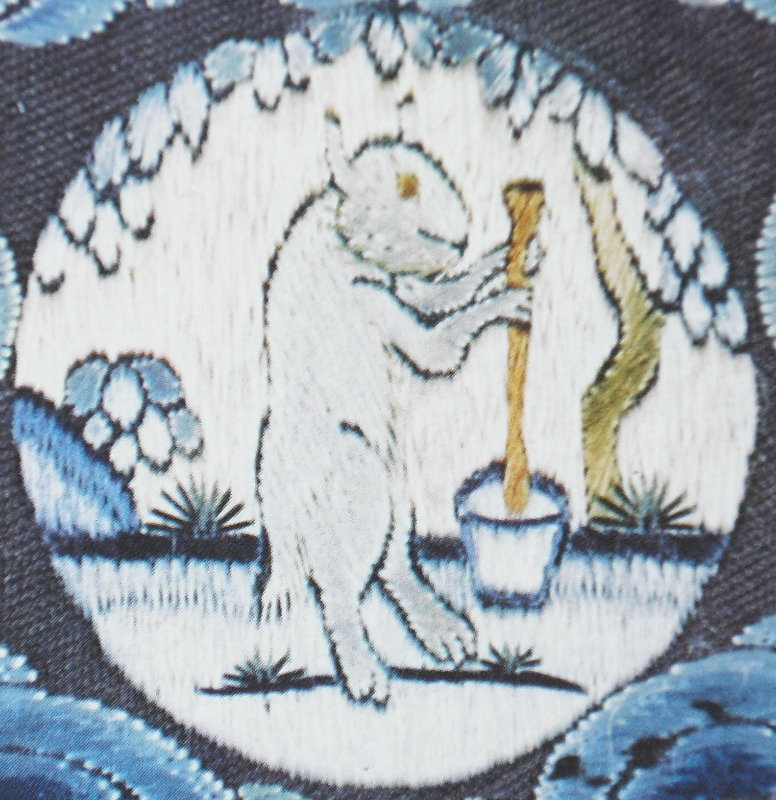 🇨🇳 China and 5 moreMoon rabbit月兔 (yuètù)
A mythical figure seen in lunar markings, pounding elixirs or rice cakes across Asia and the Americas.Being · Wonder and entertainment Living
🇮🇷 Iran and 2 moreYazata𐬫𐬀𐬰𐬀𐬙𐬀
A Zoroastrian term for divine beings worthy of worship and venerationBeing · Speaking with spirits and the dead · Power and authority Historical
🇪🇪 Estonia and 1 moreKalevaKalev
A primordial giant and ancestral figure in the mythologies of Estonia and FinlandBeing · Power and authority Historical
 🇷🇺 Russia and 3 moreChortчёрт
A Slavic demon spirit with horns and hooves, known in folklore as a trickster or minor evil force.Being · Cursing and harm · Luck and prosperity Historical
🇫🇮 Finland and 1 moreHiisi
A Finnic spirit of sacred places that evolved into a demonic giant in folkloreBeing · Cursing and harm · Power and authority Historical
 🇯🇵 Japan and 4 moreHousehold deity
A spirit or minor god believed to guard a home and its family members.Being · Protection · Speaking with spirits and the dead Historical
 🇪🇬 EgyptAeonαἰών
Emanations of the divine source in Gnostic cosmologyBeing · Speaking with spirits and the dead Historical
 🇷🇴 Romania and 2 moreStrixστρίξ
A classical bird of ill omen that evolved into a term for witches and vampires across Europe.Being · Cursing and harm · Luck and prosperity Historical
 🇮🇳 IndiaKirtimukhaकीर्तिमुख
A swallowing face motif in Hindu and Buddhist temple architecture across South and Southeast AsiaBeing · Protection · Cleansing and purification Historical
 🇫🇷 FranceTitivillus
A medieval demon who collects scribal errors and liturgical mistakes in a sack.Being · Cursing and harm Historical
 🇮🇱 Israel and 1 moreTeraphimתרפים
Ancient Hebrew household figures linked to ancestry, property rights and divinationBeing · Seeing and foretelling · Luck and prosperity Historical
 🇯🇵 JapanAllocer
A duke of demons in grimoires who teaches sciences and commands legionsBeing · Power and authority Historical
 🇱🇹 Lithuania and 2 moreLaumaLaumė
A Baltic fairy-like spirit of the sky, weather, and newborn children.Being · Protection · Healing Historical
 🇺🇸 United StatesAshtar
A channeled extraterrestrial figure central to mid-century American ufology and New Age spiritualityBeing · Speaking with spirits and the dead · Seeing and foretelling Living
🇹🇷 Turkey and 4 moreAl BastyAlbastı
A female spirit of guilt and childbirth found in Turkic and Caucasian folkloreBeing · Cursing and harm Historical
 🇮🇩 IndonesiaAntabogaꦄꦤ꧀ꦠꦨꦺꦴꦒ
A serpent deity of Javanism and Sundanism who created the world turtle and rice goddessBeing · Power and authority Historical
 🇪🇬 Egypt and 2 moreAbyzou
A female demon of envy who targets newborns and pregnant women in late antique magic.Being · Cursing and harm · Protection Historical
 🇨🇳 China and 1 moreMogwai魔鬼
A Chinese term for demons and evil spirits, borrowed from Sanskrit lore through Buddhism.Being · Cursing and harm Historical
 🇬🇷 GreeceGelloΓελλώ
A Greek demon of infancy and a class of beings blamed for infant death.Being · Cursing and harm · Protection Historical
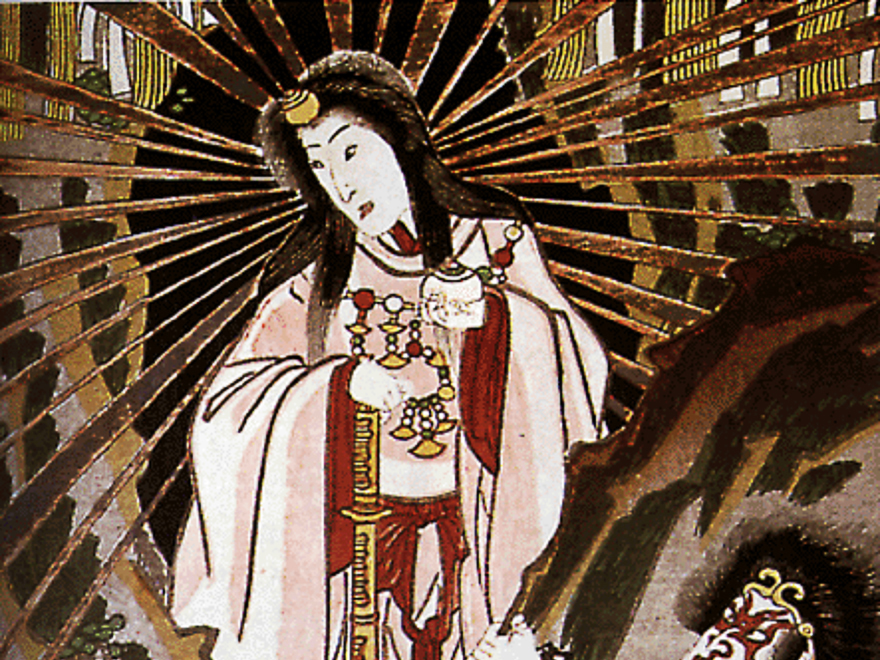 🇯🇵 JapanAkuma悪魔(あくま)
An evil spirit in Japanese folklore, later used for Satan in ChristianityBeing · Cursing and harm Historical
 🇪🇬 EgyptSet animalsha
A mysterious creature from ancient Egypt, linked to the god Set and chaos.Being · Power and authority Historical
 🇮🇳 IndiaKhunu Leimaꯈꯨꯅꯨꯔꯩꯃ (Khunu Leima)
A Meitei goddess who rules over pigeons and doves in the religion of Manipur.Being Historical
🇯🇲 Jamaica and 3 moreDuppy
A Caribbean term for a ghost or malevolent spirit, rooted in West African folklore.Being · Cursing and harm · Luck and prosperity Living
🇮🇱 IsraelAgrat bat Mahlatאגרת בת מחלת
A demon in Jewish tradition who rules over destructive spirits and night hours.Being · Cursing and harm Historical
 🇷🇺 RussiaTriple-headed eagle
A heraldic and mythological bird with three heads, appearing in Russian symbolism and European manuscripts.Being · Power and authority Historical
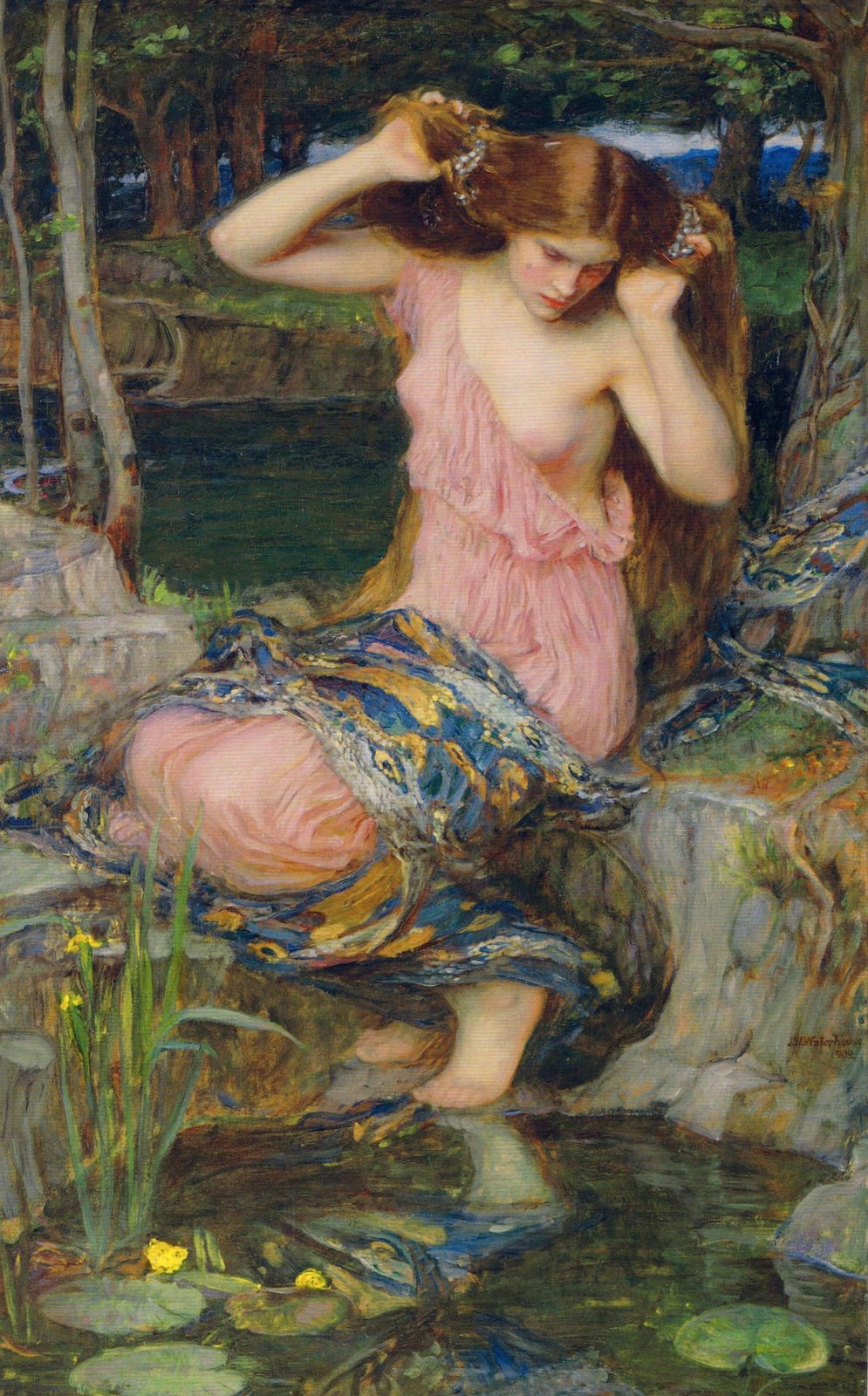 🇪🇸 SpainAnjanaanˈhana / an.xa.nɜ
Cantabrian fairies who protect forests and bring gifts to children.Being · Protection · Luck and prosperity Historical
🇰🇬 Kyrgyzstan and 2 moreAyaz AtaАяз Ата
A Turkic winter spirit who brings snow and gifts during the cold seasonBeing · Luck and prosperity · Protection Living
 🇮🇳 IndiaSamatonꯁꯃꯗꯣꯟ ꯑꯌꯥꯡꯕ (Shamadon Ayangba)
A winged divine horse from Meitei mythology and ancestor of the Manipuri ponyBeing · Power and authority Living
 🇩🇪 Germany and 3 moreWiedergänger
A German term for a revenant or ghost that returns to the world of the living.Being · Cursing and harm Historical
🇷🇺 RussiaHabernitsa
A noon demon of Slavic fields who punishes workers and causes pain.Being · Cursing and harm Historical
 🇫🇷 France and 1 moreDusios
A Gaulish spirit type later classified as an incubus demon by early Christian writersBeing · Cursing and harm · Power and authority Historical
 🇫🇷 FranceYan-gant-y-tan
A Breton demon who carries five candles and is said to bring bad luck.Being · Cursing and harm · Wonder and entertainment Historical
 🇩🇪 Germany and 4 moreNight ravennattravn
A nocturnal creature of European folklore, feared as a child-stealer or seen as a ghost in bird form.Being · Cursing and harm Historical
🇳🇴 NorwayDeildegast
A Norwegian ghost bound to boundary stones it moved in lifeBeing · Cursing and harm Historical
 🇭🇺 Hungary and 1 moreSárkány
A winged reptilian beast from Hungarian folklore, linked to weather and literary heroes.Being · Cursing and harm · Wonder and entertainment Historical
 🇲🇲 MyanmarMythical creatures in Burmese folklore
A collection of spirits, beasts and hybrids from Myanmar's stories and playsBeing · Wonder and entertainment Living
🇫🇮 Finland and 2 moreHaltija
A supernatural guardian of a specific place or animal species in Finnish and Baltic Finnic mythologyBeing · Protection · Speaking with spirits and the dead Historical
🇬🇧 United KingdomPearlin Jean
A Scottish ghost said to haunt the ruins of Allanbank estate in BerwickshireBeing · Wonder and entertainment Historical
Photo credits on this page
The small pictures above come from Wikimedia Commons under free licences. Some are cropped to fit.
- Anjana: John William Waterhouse, Public domain, source
- Samaton: Isabelm-h, CC BY-SA 4.0, source
- Night raven: Kim Diaz Holm (den unge herr Holm), CC BY 4.0, source
- Abyzou: Paul Perdirizet (1870-4 juin 1938), Public domain, source
- Makara: Subbhashinee S, CC BY-SA 3.0, source
- Ashtar: Evedawn99, Public domain, source
- Moon rabbit: An artist, Public domain, source
- Titivillus: Andrewrabbott, CC BY-SA 4.0, source
- Antaboga: fir0002 flagstaffotos [at] gmail.com Canon 20D + Tamron 28-75mm f/2.8, GFDL 1.2, source
- Lauma: Raki_Man, CC BY 3.0, source
- Mothman: Tim Bertelink, CC BY-SA 4.0, source
- Mythical creatures in Burmese folklore: Unknown author, CC BY 4.0, source
- Khunu Leima: Author: DALL-E; prompted by Haoreima, Public domain, source
- Triple-headed eagle: Неизвестный автор. (фото обложки сборника: Александр Храмов), Public domain, source
- Brownie: Unknown author, CC BY-SA 2.5, source
- Astaroth: M. Jarrault, Public domain, source
- Mogwai: Gisling, CC BY-SA 3.0, source
- Set animal: Unknown author, Public domain, source
- Household deity: Claus Ableiter, CC BY-SA 3.0, source
- Strix: Prosthetic Head, CC BY-SA 4.0, source
- Allocer: Louis Le Breton, Public domain, source
- Dusios: Eric Hunt, CC BY-SA 2.5, source
- Sárkány: Albrecht Dürer, Public domain, source
- Akuma: Utagawa Kunisada (歌川国貞), Public domain, source
- Kirtimukha: Sailko, CC BY 3.0, source
- Angel: Unknown author, CC0, source
- Yan-gant-y-tan: Louis Le Breton, Public domain, source
- Gello: Filippino Lippi, Public domain, source
- Wiedergänger: Unknown author, Public domain, source
- Teraphim: Athanasius Kircher, Public domain, source
- Mara: Under the Bo, CC BY-SA 3.0, source
- Chort: Unknown author, Public domain, source
- Aeon: Jacques Matter, Public domain, source
- Shatiqatu: Rama, CC BY-SA 2.0 fr, source