
Mara
from Sanskrit mṛ, meaning 'to die' or 'to kill'
A Buddhist figure representing the forces that block spiritual awakening and keep beings trapped in rebirth.
Mara is a deity in Buddhism who embodies death, desire, and the obstacles to enlightenment. The concept originated in Hindu texts before being adopted into Buddhist cosmology as the tempter of the Buddha.
- Mara means 'killer' or 'death' in Sanskrit.
- He attempted to distract the Buddha at enlightenment.
- His three daughters represent thirst, aversion, and desire.
- He is depicted in the earth-witness mudra pose.
- Early texts called him Agha Mara, the evil slayer.
What it is
In Buddhist tradition, Mara represents any force that obstructs the path to liberation. He is not merely a villain but a symbol of the attachments and fears that bind living beings to the cycle of rebirth. Scholars describe him as the personification of conditions that prevent spiritual clarity. He appears in stories as a powerful celestial being who challenges those seeking truth. His influence extends over all realms of existence that have not achieved full awakening.
Where it comes from
The earliest mentions of Mara appear in the Atharva Veda, where he is known as Mrtyu or Agha Mara. These early texts describe him as an evil slayer associated with sorrow and misfortune. As Buddhism developed, it absorbed these figures and redefined them within its own framework. The name derives from a root word for death. This linguistic link connects Mara to other ancient concepts of mortality and destruction found across Indo-European languages.
How it is done
Mara is said to use various methods to distract seekers. In the most famous account, he attempts to stop Prince Siddhartha from attaining enlightenment. He sends armies and visions of beauty to create fear and desire. He also appeals to logic and duty, questioning the value of renouncing worldly life. These encounters are depicted in art through specific postures, such as the earth-witness mudra, where the Buddha touches the ground to call it as a witness to his virtue.
Tools and materials
However, he is associated with symbolic items like celestial maidens and destructive powers. In some Sri Lankan traditions, he is linked to a giant elephant named Girimekhala. These elements serve as metaphors for the psychological and spiritual barriers Mara represents rather than literal objects of worship.
Mara, drawn and placed
- Living
- Revived
- Fading
- Historical
- Legendary
- Performed
- Lineage
- Buddhist cosmology
What it is for
Mara serves as the ultimate test for anyone pursuing spiritual growth. His purpose is to maintain the status quo of suffering and rebirth. By tempting individuals with pleasure, power, or fear, he ensures they remain attached to conditioned existence. Practitioners view overcoming Mara as essential for achieving nirvana. His presence highlights the difficulty of the path and the strength required to resist worldly distractions.
Who does it
Mara is not worshipped by practitioners. Instead, he is studied by scholars and monks as a representation of internal struggles. Monks meditate on Mara to understand their own attachments. Artists depict him in sculptures and paintings to remind viewers of the dangers of delusion. He is a subject of theological discussion rather than ritual service.
Peoples and places
The concept of Mara is central to Buddhist cultures across Asia. In Sri Lanka, specific traditions describe his mount and his interactions with the Buddha. Other regions interpret his role through local artistic and literary lenses. Despite these variations, the core idea remains consistent: Mara is the adversary of enlightenment. His story is told in sutras and commentaries to illustrate the principles of non-attachment.
At a glance: who, where and when


What people believe
Buddhist belief holds that Mara rules the sensuous realm and influences all beings who have not attained liberation. He is associated with the three poisons: greed, hatred, and delusion. Some texts suggest he even influences higher deities by encouraging a belief in eternal existence. This view critiques the idea of a permanent creator god, framing such beliefs as another form of delusion perpetuated by Mara.
When it is done
There are no specific festivals dedicated to Mara. His story is recounted during teachings on meditation and ethics. The encounter at Bodh Gaya is commemorated in art and literature rather than through seasonal rites. Monks may reflect on Mara during periods of intense practice to recognize and overcome mental obstacles.
How scholars and sceptics see it
Anthropologists and historians view Mara as a complex symbol of human psychology. He represents the fear of change and the comfort of habit. Scholars note that his evolution from a Hindu death-figure to a Buddhist tempter shows how religions adapt older myths. Psychological interpretations see Mara as the embodiment of the ego's resistance to transformation.
Cautions and what is closed
Mara is not considered a literal entity that can cause physical harm in modern contexts. However, traditional warnings exist about the dangers of spiritual pride and attachment. Some stories describe Mara's attempts to disrupt meditation, which are interpreted as mental challenges. There are no reports of fraud or legal issues specifically tied to Mara worship.
Compare and confuse
Mara is often compared to Satan in Abrahamic traditions due to his role as an adversary. However, unlike Satan, Mara is not a fallen angel but a deva bound by karma. He is also related to the Hindu figure of Yama, the lord of death. These comparisons highlight different cultural approaches to understanding evil and mortality.
Questions people ask about Mara
Who is Mara in Buddhism?
Mara is a deity who represents the forces of death, desire, and delusion that hinder spiritual progress. He is the tempter who tried to stop the Buddha from achieving enlightenment.
Where does the name Mara come from?
The name comes from the Sanskrit root mṛ, meaning 'to die' or 'to kill.' It originally appeared in Hindu texts like the Atharva Veda as a figure of death and misfortune.
What are Mara's daughters?
Mara's three daughters are Taṇhā (thirst), Arati (aversion), and Rāga (desire). They symbolize the attachments that keep beings trapped in the cycle of rebirth.
Is Mara a god or a demon?
Mara is described as a deva, a celestial being, rather than a demon in the Western sense. He is a powerful entity within Buddhist cosmology who opposes enlightenment.
Good reading and sources
- Mara (demon) on WikipediaEncyclopedia
- More photos on Wikimedia CommonsPhotos and video
- Wikidata recordOpen data
The facts on this page come from the Wikipedia article "Mara (demon)", written by its contributors and used under the CC BY-SA 4.0 licence, and from its Wikidata record (CC0). EveryJaadu rewrote the text in its own words, with AI assistance, and compares every page with the article to make sure no passage is copied. It may be reused under the same CC BY-SA 4.0 licence with a link back.
It may contain mistakes. Names and customs differ from one community to the next, and some knowledge is closed to outsiders and left out here. This page describes belief and practice. It does not say that any of it works, it is not a how-to, and it is not medical advice. If something is wrong, tell us. Last refreshed 2026-10-06.
More from Sri Lanka
All the entries from Sri Lanka 🇮🇳 India and 5 moreKolamகோலம்
A daily geometric floor drawing made with rice flour at the home entrance in South IndiaTradition · Protection · Luck and prosperity Living
🇮🇳 India and 5 moreKolamகோலம்
A daily geometric floor drawing made with rice flour at the home entrance in South IndiaTradition · Protection · Luck and prosperity Living
 🇮🇳 India and 3 moreYakshaयक्ष (Sanskrit), ยักษ์ (Thai)
Nature spirits and guardian deities in South and Southeast Asian traditionsBeing · Protection · Power and authority Living
🇮🇳 India and 3 moreYakshaयक्ष (Sanskrit), ยักษ์ (Thai)
Nature spirits and guardian deities in South and Southeast Asian traditionsBeing · Protection · Power and authority Living
 🇮🇳 India and 5 moreBindiबिंदी
A dot worn on the forehead to mark spiritual focus and cultural identityCharm · Protection · Power and authority Living
🇮🇳 India and 5 moreBindiबिंदी
A dot worn on the forehead to mark spiritual focus and cultural identityCharm · Protection · Power and authority Living
 🇮🇳 India and 5 moreKartikeyaKārttikeya
Hindu god of war and victory, son of Shiva and ParvatiBeing · Power and authority · Protection Living
🇮🇳 India and 5 moreKartikeyaKārttikeya
Hindu god of war and victory, son of Shiva and ParvatiBeing · Power and authority · Protection Living
Related elsewhere
All being 🇵🇹 Portugal and 5 moreCocoCoca
A monster used to frighten children into obedience across the Iberian world and Latin America.Figure · Cursing and harm · Binding and oaths Living
🇵🇹 Portugal and 5 moreCocoCoca
A monster used to frighten children into obedience across the Iberian world and Latin America.Figure · Cursing and harm · Binding and oaths Living
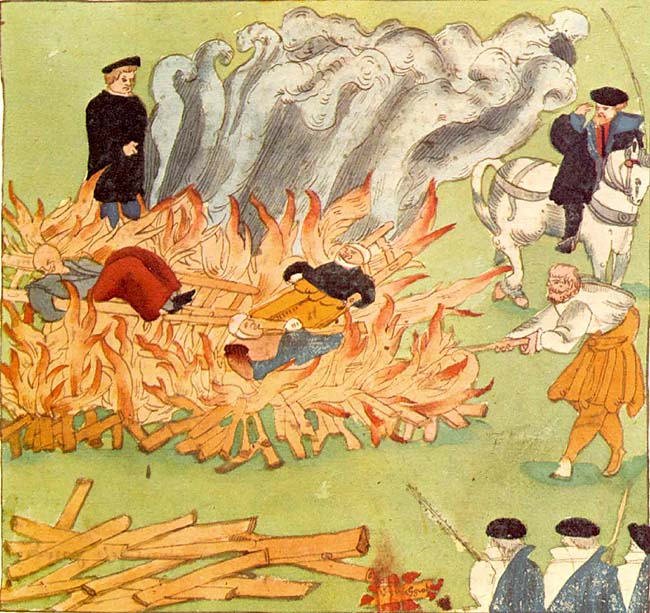 🇩🇪 GermanyMalleus Maleficarum
A 15th-century manual on witchcraft written by Heinrich KramerText · Cursing and harm · Binding and oaths Historical
🇩🇪 GermanyMalleus Maleficarum
A 15th-century manual on witchcraft written by Heinrich KramerText · Cursing and harm · Binding and oaths Historical
 🇨🇬 Republic of the CongoNkisi
Spirit containers and power figures from the Congo Basin used for justice and healingCharm · Protection · Healing Living
🇨🇬 Republic of the CongoNkisi
Spirit containers and power figures from the Congo Basin used for justice and healingCharm · Protection · Healing Living
 🇳🇬 Nigeria and 4 moreJuju
A West African spiritual belief system involving charms and ritualsTradition · Healing · Luck and prosperity Living
🇳🇬 Nigeria and 4 moreJuju
A West African spiritual belief system involving charms and ritualsTradition · Healing · Luck and prosperity Living