
Lauma
In its own language: Laumė
A Baltic fairy-like spirit of the sky, weather, and newborn children.
Lauma is a woodland and atmospheric spirit found in Latvian, Lithuanian, and Yotvingian mythology. Originally a sky goddess, she became a guardian of orphans and a helper at childbirth. She is also associated with weaving, rain, and the rainbow.
- Lauma is a Baltic sky spirit and guardian of orphans.
- She spins the cloth of life for newborn children.
- The rainbow is considered her lost weaving ribbon.
- Iron tools are believed to repel her presence.
- Girls sang her songs at weddings to call rain.
What it is
Lauma is a complex figure in Eastern Baltic folklore, appearing as a fairy-like spirit or an ancient goddess. In Lithuanian tradition, she is one of the oldest deities, often depicted with animal features like goat heads or bird claws. She is a powerful being linked to the sky, weather, and the earth. In Latvia, her role shifts to that of a midwife and foster mother for orphans. She is a guardian who protects the vulnerable but can also be dangerous if provoked.
Where it comes from
The image of Lauma likely formed during the Mesolithic period, shortly after the Ice Age. Originally a sky spirit living on a diamond throne, she descended to earth out of compassion for human suffering. Over time, her image evolved. In Latvia, she was once a sweet assistant at birth but later degraded into an evil hag accused of baby-snatching by jealous husbands. Her origins are tied to the natural world, with some myths linking her to the thunder god Perkūnas or the devil Velnias.
How it is done
Lauma is not performed as a ritual but appears in stories and songs. Girls would perform her song at weddings up until the nineteenth century, dancing in circles to invoke rain or celebrate. She is said to cause storms or hail through her singing and dancing. People avoided places where she danced, leaving circular marks in the grass known as fairy rings. Iron tools were feared by her, as they could repel her presence.
Tools and materials
She is associated with spinning and weaving, creating the cloth of life for newborns. The rainbow is viewed as a ribbon lost by her. Belemnite fossils found on the ground were called "Lauma's nipples" or the remains of her magical cows' udders. Iron is the primary material used to ward her off, while yarn represents her creative power.
Lauma, drawn and placed
- Living
- Revived
- Fading
- Historical
- Legendary
- Performed
- Lineage
- Baltic mythology
- Timing
- at birth, weddings, new moon
What it is for
She serves multiple purposes: protecting orphans, assisting in childbirth, and influencing weather. She helps those in need and respects industriousness, but punishes laziness and ridicule. In some tales, she foretells a child's future based on their birth time. She also acts as a judge of character, rewarding caring mothers with gifts and punishing negligent ones with harm.
Who does it
No specific priesthood exists for Lauma. She is a figure of folk belief, encountered by ordinary people, particularly women and mothers. Scholars study her as part of Baltic mythology. In Latvia, she was historically viewed as a midwife's helper, though later folklore cast her as a malevolent creature due to societal fears about infant mortality.
Peoples and places
The concept varies across Baltic cultures. Lithuanians view her as an ancient, sometimes terrifying goddess with animal traits. Latvians see her primarily as a birth assistant and orphan guardian who weeps for her fate. Yotvingian traditions feature her as a guardian spirit in modern retellings. All three groups share her connection to nature, weaving, and the supernatural protection of children.
At a glance: who, where and when
Who does it
Belief worlds
What people believe
Lauma embodies the duality of nature: creation and destruction. She is linked to cosmic forces like the rainbow and thunder. Her story reflects beliefs about fate, where the cloth of life is woven by higher powers. She represents the vulnerability of children and the power of the wild. Her association with belemnites shows how ancient fossils were integrated into living myth to explain strange objects found in the earth.
When it is done
She is most active during the new moon and full moon, especially on rainy Fridays. Her influence peaks during the wettest days of the month. She appears at births to determine fate and at weddings to sing traditional songs. Her dance circles in the grass are signs of her recent presence, often sought after or avoided depending on the season and mood of the spirits.
How scholars and sceptics see it
Researchers analyze Lauma as a remnant of pre-Christian Baltic religion. Anthropologists note her transition from a sky goddess to a domestic spirit, reflecting changes in societal values. Historians point to her degradation in Latvian folklore as a result of Christianization and patriarchal blame placed on women for infant deaths. She is compared to other European fairies and fate-weaving goddesses.
Cautions and what is closed
Folklore warns that neglecting children invites Lauma's wrath. Stories describe her torturing babies left behind by greedy or careless parents. She is dangerous to men, luring them to exhaustion and death. Her power over weather means her anger can bring hail and storms. Iron is the only known defense against her physical form, highlighting the fear of her supernatural strength.
Compare and confuse
Lauma is similar to the Romanian Ursitoare, who also weave fate and protect children. She shares traits with Greek Lamia, who seduces and kills men. Like many European fairies, she is linked to spinning and the supernatural. Her name and role connect her across the Baltic region, showing a shared cultural heritage of nature spirits who mediate between the human and divine worlds.
Questions people ask about Lauma
What is Lauma?
Lauma is a fairy-like spirit or goddess in Lithuanian, Latvian, and Yotvingian mythology. She is a guardian of orphans, a helper at childbirth, and a controller of weather phenomena like rain and wind.
Where does Lauma come from?
She originates from Eastern Baltic mythology, with roots possibly dating to the Mesolithic period. She is worshipped or remembered in Lithuania, Latvia, and among the Yotvingian people.
What does Lauma do?
She assists in childbirth, weaves the fate of children, and influences the weather. She protects the vulnerable but punishes laziness and negligence, sometimes causing storms or harming those who disrespect her.
How is Lauma different from other fairies?
Unlike generic fairies, Lauma is an ancient goddess linked to cosmic events like thunder and rainbows. She has specific animal forms and is deeply tied to the social roles of women, weaving, and infant care in Baltic culture.
Good reading and sources
The facts on this page come from the Wikipedia article "Lauma", written by its contributors and used under the CC BY-SA 4.0 licence, and from its Wikidata record (CC0). EveryJaadu rewrote the text in its own words, with AI assistance, and compares every page with the article to make sure no passage is copied. It may be reused under the same CC BY-SA 4.0 licence with a link back.
It may contain mistakes. Names and customs differ from one community to the next, and some knowledge is closed to outsiders and left out here. This page describes belief and practice. It does not say that any of it works, it is not a how-to, and it is not medical advice. If something is wrong, tell us. Last refreshed 2026-10-06.
More from Lithuania
All the entries from Lithuania 🇷🇺 Russia and 3 moreChortчёрт
A Slavic demon spirit with horns and hooves, known in folklore as a trickster or minor evil force.Being · Cursing and harm · Luck and prosperity Historical
🇷🇺 Russia and 3 moreChortчёрт
A Slavic demon spirit with horns and hooves, known in folklore as a trickster or minor evil force.Being · Cursing and harm · Luck and prosperity Historical
 🇫🇷 France and 1 moreDusios
A Gaulish spirit type later classified as an incubus demon by early Christian writersBeing · Cursing and harm · Power and authority Historical
🇫🇷 France and 1 moreDusios
A Gaulish spirit type later classified as an incubus demon by early Christian writersBeing · Cursing and harm · Power and authority Historical
 🇷🇺 Russia and 5 moreFiredrakeognennyi zmei
A European dragon myth born from sightings of shooting stars and will-o'-the-wispsBeing · Cursing and harm · Luck and prosperity Historical
🇷🇺 Russia and 5 moreFiredrakeognennyi zmei
A European dragon myth born from sightings of shooting stars and will-o'-the-wispsBeing · Cursing and harm · Luck and prosperity Historical
 🇱🇹 Lithuania and 1 moreAšvieniai
Twin horse deities of Baltic mythology who pull the sun chariotBeing · Protection Legendary
🇱🇹 Lithuania and 1 moreAšvieniai
Twin horse deities of Baltic mythology who pull the sun chariotBeing · Protection Legendary
Related elsewhere
All being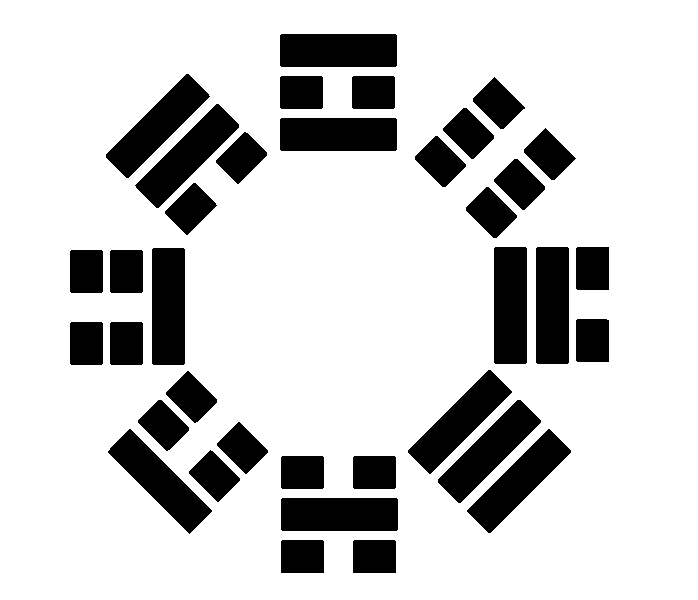 🇨🇳 China and 1 moreBagua八卦
A set of eight trigram symbols from China used in divination, cosmology, and feng shui.Tradition · Seeing and foretelling · Protection Living
🇨🇳 China and 1 moreBagua八卦
A set of eight trigram symbols from China used in divination, cosmology, and feng shui.Tradition · Seeing and foretelling · Protection Living
 🇨🇺 Cuba and 2 moreSanteríaRegla de Ocha
An Afro-Cuban religion blending Yoruba beliefs with Catholicism and SpiritismTradition · Protection · Healing Living
🇨🇺 Cuba and 2 moreSanteríaRegla de Ocha
An Afro-Cuban religion blending Yoruba beliefs with Catholicism and SpiritismTradition · Protection · Healing Living
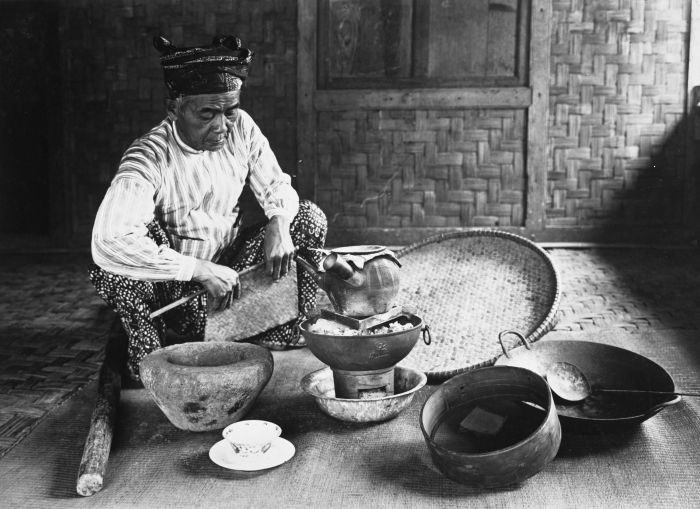 🇮🇩 Indonesia and 2 moreDukun
A traditional healer and spirit medium in Indonesian folk practiceTradition · Healing · Seeing and foretelling Living
🇮🇩 Indonesia and 2 moreDukun
A traditional healer and spirit medium in Indonesian folk practiceTradition · Healing · Seeing and foretelling Living
 🇺🇸 United StatesKahuna
A Hawaiian expert or priest, keeper of hidden knowledge in craft and spiritTradition · Healing · Seeing and foretelling Living
🇺🇸 United StatesKahuna
A Hawaiian expert or priest, keeper of hidden knowledge in craft and spiritTradition · Healing · Seeing and foretelling Living