Spirits, creatures and beings
Djinn, fairies, orisha, golems and the other powers that magic deals with.
Beings are the powers that magic deals with: spirits, ancestors, gods, djinn, fairies, orisha, nats, kami, demons, golems, ghosts and the many kinds of household and landscape spirit. People in most cultures have described a world shared with unseen others, who may help, trouble or ask for respect. This page covers what these beings are said to be and the very different ways communities relate to them. They are always described here as what communities believe, not as established fact.
Different kinds of beings
A being can be a god with a priesthood, such as an orisha served in Yoruba religion, Cuba and Brazil. It can be an ancestor, honoured in China, Africa and Mexico. It can belong to a place, such as the kami of Shinto, the Thai phi or the Burmese nats. It can be a trouble-maker, like the djinn of Arabic and Islamic tradition, formed from smokeless fire, or the fairies of Ireland, whom people avoided naming.
Relationship, not command
In many traditions, a person does not command a being but enters a relationship with it, through offerings, promises and respect. Possession and mediumship are forms of that relationship, as in Vodou, Candomblé, Korean mudang rites and Sufi gatherings. In ceremonial magic of the European grimoires, by contrast, the magician summons spirits by name and authority, which the Church condemned as demon-raising. The same being may be loved in one household and feared in the next, and a spirit helpful to its servant can be harmful to a stranger.
Religions and renaming
Dominant religions often absorbed beings by relabelling them. Christian missionaries called many African and Indigenous spirits demons. Islam reads the djinn as real creatures, some of whom are Muslim, and Hindu and Buddhist traditions fold local deities into their own pantheons. Pagan and fairy beliefs were sometimes recast as the devil's work, which fed witch trials in Europe. Churches and mosques have sometimes divided beings into good and evil in ways the older traditions did not, so that a neutral local spirit became a demon on the day a missionary arrived.
Harm and interpretation
Belief in harmful spirits has been used to accuse people. Children in parts of West and Central Africa have been branded as witches possessed by evil spirits, and some have been abused by pastors or families in the name of deliverance. Scholars read spirit beliefs as ways to make sense of illness, loss and conflict, and many communities see them simply as neighbours. That is why accusations tied to spirit beliefs fall hardest on children and the vulnerable, and why many agencies train local leaders to challenge them.
Being on EveryJaadu
The entries written up so far, best known first.
 🇨🇳 China and 1 moreLoong龍
A water deity and imperial symbol in Chinese culture, depicted as a coiled serpent with four legs.Being · Protection · Luck and prosperity Historical
 🇬🇧 United Kingdom and 1 moreChurch grim
A guardian spirit of Christian churchyards, often appearing as a black dog or lamb.Being · Protection Historical
 🇪🇬 EgyptAnubis𓇋𓈖𓊪𓃣
The jackal-headed god who guides souls and oversees mummification in ancient Egypt.Being · Protection · Speaking with spirits and the dead Historical
🇪🇬 EgyptHekaḥkꜣw
The ancient Egyptian deification of magic, medicine, and primordial creative powerBeing · Healing · Protection Historical
 🇨🇱 ChileMoaimoꞌai
Monolithic ancestor statues of Rapa Nui, carved from volcanic stone between the fifteenth and sixteenth centuries.Being · Power and authority · Protection Historical
 🇪🇬 EgyptAbraxasἈβράξας
A Gnostic archon and the name on ancient protective gemstonesBeing · Protection Historical
 🇮🇳 India and 3 moreYakshaयक्ष (Sanskrit), ยักษ์ (Thai)
Nature spirits and guardian deities in South and Southeast Asian traditionsBeing · Protection · Power and authority Living
 🇯🇵 Japan and 1 moreOni鬼(おに)
A horned demon of Japanese folklore known for strength and evil, later softened into a symbol of fortune.Being · Protection · Cursing and harm Living
 🇮🇳 IndiaTaraतारा (Sanskrit), তারা (Bengali)
A fierce Hindu goddess of protection and wisdom, central to the Mahavidya tradition.Being · Protection · Power and authority Living
 🇮🇳 India and 3 moreDakiniḍākinī
A goddess figure in Hinduism and Buddhism, ranging from flesh-eating demoness to enlightened energy.Being · Cursing and harm · Power and authority Historical
 🇨🇳 China and 5 moreGuanyin觀音 (Guānyīn)
The Bodhisattva of compassion, worshipped across East Asia as a listener to human sufferingBeing · Protection · Healing Living
 🇷🇺 Russia and 4 moreLady MiddayPoludnitsa
A Slavic noon spirit who watches over fields and punishes those who work during the hottest hours.Being · Cursing and harm · Protection Historical
 🇸🇪 Sweden and 2 moreMjölnirMjǫllnir
The hammer of the Norse thunder god Thor, used as a weapon and for blessingsBeing · Cursing and harm · Protection Historical
 🇷🇸 Serbia and 5 moreZduhaćздухаћ
A South Slavic belief in men who fight storms and hail to protect their cropsBeing · Protection · Cursing and harm Historical
🇺🇦 Ukraine and 1 moreStrichaСтріча
A Slavic goddess who spins the golden thread of human destiny and good fortuneBeing · Luck and prosperity · Protection Historical
 🇮🇱 Israel and 4 moreAngelמלאך
A supernatural messenger or intermediary spirit found in many religious traditions.Being · Speaking with spirits and the dead · Protection Living
 🇮🇳 India and 4 moreMakaraमकर
A legendary sea-creature in Hindu mythology and a symbol of water and thresholdsBeing · Protection · Power and authority Historical
 🇬🇷 Greece and 4 moreTutelary deity
A guardian spirit or god assigned to protect a specific place, person, or group.Being · Protection Living
 🇯🇵 Japan and 4 moreHousehold deity
A spirit or minor god believed to guard a home and its family members.Being · Protection · Speaking with spirits and the dead Historical
 🇮🇳 IndiaKirtimukhaकीर्तिमुख
A swallowing face motif in Hindu and Buddhist temple architecture across South and Southeast AsiaBeing · Protection · Cleansing and purification Historical
 🇱🇹 Lithuania and 2 moreLaumaLaumė
A Baltic fairy-like spirit of the sky, weather, and newborn children.Being · Protection · Healing Historical
 🇪🇬 Egypt and 2 moreAbyzou
A female demon of envy who targets newborns and pregnant women in late antique magic.Being · Cursing and harm · Protection Historical
 🇬🇷 GreeceGelloΓελλώ
A Greek demon of infancy and a class of beings blamed for infant death.Being · Cursing and harm · Protection Historical
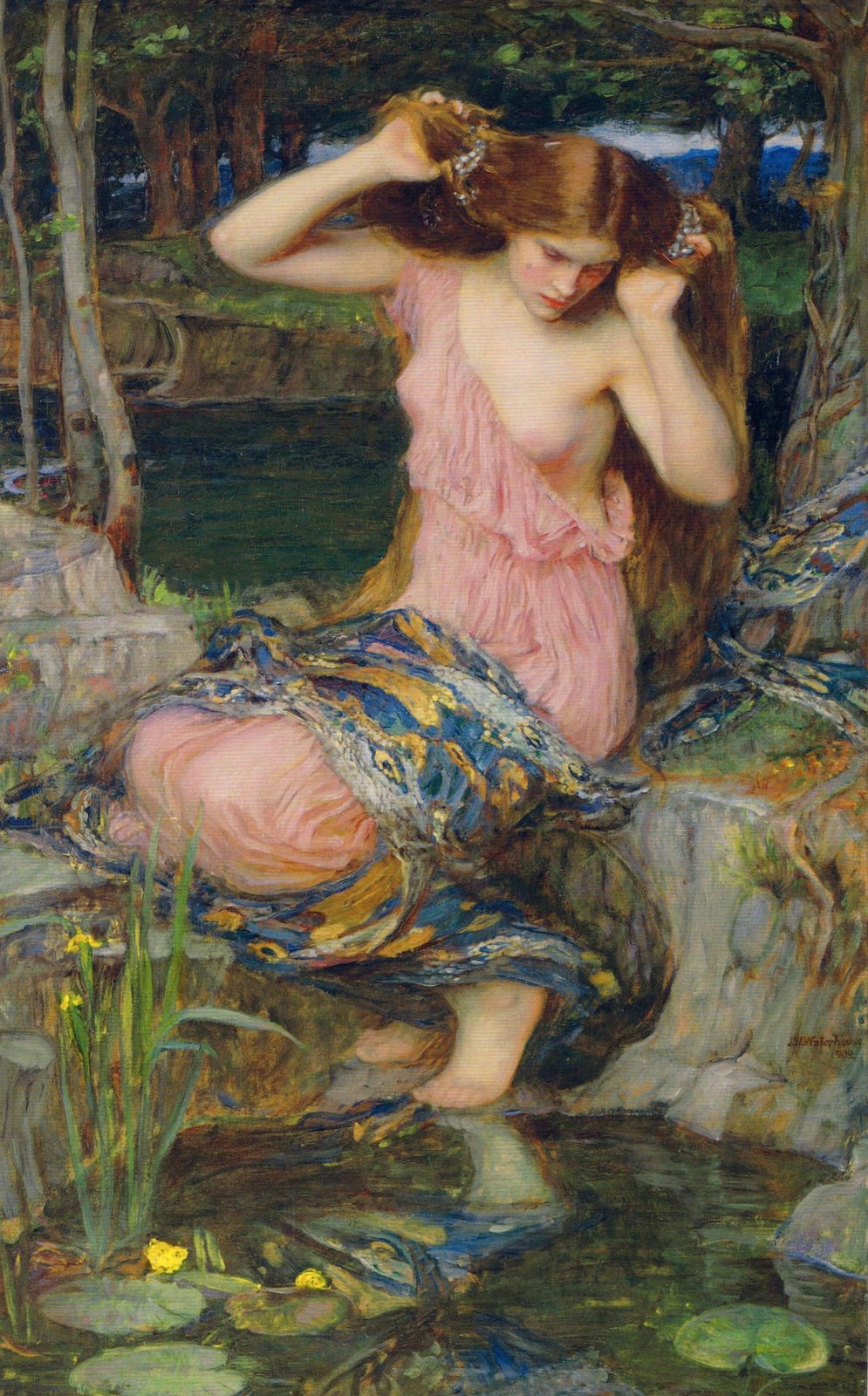 🇪🇸 SpainAnjanaanˈhana / an.xa.nɜ
Cantabrian fairies who protect forests and bring gifts to children.Being · Protection · Luck and prosperity Historical
🇰🇬 Kyrgyzstan and 2 moreAyaz AtaАяз Ата
A Turkic winter spirit who brings snow and gifts during the cold seasonBeing · Luck and prosperity · Protection Living
🇫🇮 Finland and 2 moreHaltija
A supernatural guardian of a specific place or animal species in Finnish and Baltic Finnic mythologyBeing · Protection · Speaking with spirits and the dead Historical
 🇫🇷 FranceHoules fairyGwenn fadoù
Immortal coastal fairies of Brittany who live in sea caves and aid humansBeing · Protection · Healing Historical
🇳🇵 Nepal and 1 moreTenma goddesses
Twelve guardian deities in Tibetan Buddhism who swore to protect the faith.Being · Protection Historical
🇬🇧 United KingdomLazy Laurence
A mischievous English pixie who makes orchard workers lazy and gives them indigestionBeing · Protection · Cursing and harm Historical
 🇯🇵 Japan and 4 moreKṣitigarbhaक्षितिगर्भ
A bodhisattva vowed to empty the hells and guard children, shown with a staff and jewel.Being · Protection · Speaking with spirits and the dead Living
 🇬🇷 GreeceDaimonδαίμων
A Greek spirit or divine force that mediates between gods and humansBeing · Protection · Speaking with spirits and the dead Historical
 🇷🇺 Russia and 5 moreVelesВелес
A Slavic chthonic deity of cattle, the underworld, and oathsBeing · Protection · Luck and prosperity Historical
🇧🇷 Brazil and 2 moreCaiporaCaapora
A Brazilian forest spirit that guards game and tests hunters with bribes or terrorBeing · Protection · Cursing and harm Living
 🇬🇷 GreeceEudaemonεὐδαίμων
A benevolent Greek spirit offering guidance and protection to individuals.Being · Protection · Speaking with spirits and the dead Historical
 🇨🇦 CanadaMistapewmistâpêw (ᒥᐢᑖᐤ)
A spirit-being of the Cree peoples, known as the Great Man or Bigfoot.Being · Protection · Healing Living
🇦🇷 ArgentinaLegendary creatures of the Argentine Northwest region
Myths and spirits from the Andean highlands of ArgentinaBeing · Protection · Cursing and harm Historical
 🇮🇷 Iran and 5 moreKhidrالخضر
A Qur'anic guide and saint believed to hold hidden wisdom and aid those in need.Being · Seeing and foretelling · Power and authority Living
Photo credits on this page
The small pictures above come from Wikimedia Commons under free licences. Some are cropped to fit.
- Anjana: John William Waterhouse, Public domain, source
- Church grim: Inès Lee, CC BY-SA 4.0, source
- Loong: Unknown author, CC0, source
- Abyzou: Paul Perdirizet (1870-4 juin 1938), Public domain, source
- Makara: Subbhashinee S, CC BY-SA 3.0, source
- Kṣitigarbha: སངས་རྒྱས་བཅོམ་ལྡན་འདས།, Public domain, source
- Daimon: François-André Vincent, Public domain, source
- Moai: Rivi, CC BY-SA 3.0, source
- Abraxas: Louis Breton, M. Jarrault, Public domain, source
- Yaksha: Gunkarta ( talk ), CC BY-SA 3.0, source
- Mistapew: Alarichall, CC0, source
- Lauma: Raki_Man, CC BY 3.0, source
- Brownie: Unknown author, CC BY-SA 2.5, source
- Household deity: Claus Ableiter, CC BY-SA 3.0, source
- Oni: Katsushika Hokusai 葛飾北斎 (1760-1849), Public domain, source
- Tara: Chore Bagan Art Studio, Public domain, source
- Dakini: Didier Descouens, Public domain, source
- Zduhać: Bidgee, CC BY-SA 3.0, source
- Kirtimukha: Sailko, CC BY 3.0, source
- Guanyin: JL Cogburn, CC BY-SA 2.0, source
- Lady Midday: Віщун, CC BY-SA 4.0, source
- Angel: Unknown author, CC0, source
- Gello: Filippino Lippi, Public domain, source
- Houles fairy: Minseong Kim, CC BY-SA 4.0, source
- Veles: Andrey Shishkin, CC BY 3.0, source
- Mjölnir: Mårten Eskil Winge, Public domain, source
- Khidr: Unknown author, Public domain, source
- Eudaemon: WolfgangRieger, Public domain, source
- Anubis: Hunefer, Public domain, source