
Titivillus
Likely derived from the Roman goddess Tutilina, through copyist errors
A medieval demon who collects scribal errors and liturgical mistakes in a sack.
In Christian tradition, Titivillus is a demon tasked with gathering the spoken and written errors of scribes and churchgoers. He was first named in the late thirteenth century to explain the inevitable flaws found in copied manuscripts.
- First named in Tractatus de Penitentia around 1285
- Collects errors in a sack to take to Hell
- Blamed for typos in medieval manuscripts
- Name likely derived from goddess Tutilina
- Appears in medieval English pageants
What it is
Titivillus serves as a supernatural figure within Christian lore, specifically designed to account for human imperfection in religious texts and speech. He is described as a demon who gathers mispronounced words, skipped syllables, and idle chatter from church services. His primary role involves collecting these fragments to present them as evidence against the offenders in Hell. The concept also extends to written work, where he is blamed for typos and mistakes that appear in hand-copied manuscripts.
Where it comes from
The earliest mention of a demon collecting liturgical errors appears in the 1220s in the writings of Jacques de Vitry. He described a devil weighing down a sack with the omitted parts of psalms sung by choir members. The specific name Titivillus emerged around 1285 in the Tractatus de Penitentia by Johannes Galensis. Scholars suggest the name may stem from copyist errors regarding the Roman goddess Tutilina, who protected stored grain, linking the divine act of gathering to the demonic collection of errors.
How it is done
The demon operates by listening intently during religious ceremonies and while scribes work. He captures mumbled prayers, skipped verses, and incorrect spellings. These linguistic failures are gathered into a large sack. Once collected, the contents of this sack are carried away to be counted against the individuals who made the mistakes. This process provides a theological explanation for why errors inevitably appear in sacred texts despite careful efforts.
Tools and materials
The central tool associated with Titivillus is a sack or bag. This container is used to hold the fragments of words, syllables, and verses that are stolen from God through negligence. The sack becomes heavy with the accumulated errors of the faithful. It serves as the physical evidence required for his role in judging the spiritual carelessness of both clergy and laypeople.
Titivillus, drawn and placed
- Living
- Revived
- Fading
- Historical
- Legendary
- Performed
- Lineage
- Christian demonology
- Timing
- During church services and manuscript copying
What it is for
Titivillus exists to highlight the difficulty of maintaining perfection in religious practice. For scribes, he offers an external excuse for the mistakes that creep into manuscripts. In church settings, he records the lack of focus and the casual conversation that distracts worshippers. His purpose is not necessarily to cause harm directly, but to document the spiritual neglect and vanity of those who fail to give their full attention to prayer and text.
Who does it
No living practitioners perform rituals for Titivillus. He is studied by scholars of medieval literature and theology. Writers like Anatole France later expanded his role to include the introduction of errors, rather than just their collection. Modern references appear in fantasy role-playing games and literary works, where he is treated as a character or a symbolic figure representing the chaos of language.
Peoples and places
The figure is rooted in Western European Christian culture, particularly within medieval England and France. He appears in English pageants and devotional treatises, such as the Myroure of Oure Ladye. The legend spread through Latin sermons and manuscripts, becoming a common reference point for the struggles of medieval scribes and the distractions of church attendance across these regions.
At a glance: who, where and when


What people believe
The belief reflects a medieval worldview where every aspect of life had spiritual significance. Negligence in prayer or writing was seen as a serious offense against God. Titivillus embodies the idea that small, seemingly insignificant actions, like skipping a syllable, have eternal consequences. The demon represents the tension between human fallibility and the divine demand for precision in worship and scripture.
When it is done
The demon is active during daily church services and whenever manuscripts are being copied. There are no specific festivals dedicated to him. His presence is felt in the routine moments of religious life when attention wavers. Scribes would invoke his name to explain errors in their work, effectively blaming him for the natural decay of human concentration over long periods of labor.
How scholars and sceptics see it
Academics view Titivillus as a literary device used to explain textual corruption. Marc Drogin noted that even modern dictionaries have struggled with accurate references to early mentions of the demon. Historians analyze his evolution from a simple collector of errors to a subversive figure in medieval drama. The study of his name reveals how copyist errors can transform religious concepts over centuries.
Cautions and what is closed
There are no known harms associated with the demon himself. However, the legend served as a warning to scribes and clergy about the importance of diligence. Mistakes in religious texts could lead to significant theological confusion. The fear of Titivillus encouraged greater care in copying manuscripts and participating in services, though it also provided a convenient scapegoat for unavoidable human error.
Compare and confuse
Titivillus is often compared to other figures responsible for mistakes, such as the printer's devil. He shares traits with demons who punish laziness or distraction. Unlike curses that actively harm people, his role is observational and accumulative. He is distinct from major demons of sin, focusing instead on the minor, everyday failures of language and attention.
Questions people ask about Titivillus
Who is Titivillus?
He is a demon in Christian tradition who collects the spoken and written errors of scribes and churchgoers. He gathers these mistakes to present as evidence against them in Hell.
Where does the name come from?
The name likely stems from copyist errors involving the Roman goddess Tutilina, who protected stored grain. The similarity led to the demon's name evolving from her title over time.
What does Titivillus collect?
He collects mispronounced words, skipped syllables, and idle chatter from church services. He also gathers errors found in hand-copied manuscripts.
Why was he created?
He provided an explanation for the inevitable mistakes found in religious texts. Scribes could blame him for typos, and churches could account for distractions during prayer.
Good reading and sources
- Titivillus on WikipediaEncyclopedia
- More photos on Wikimedia CommonsPhotos and video
- Wikidata recordOpen data
The facts on this page come from the Wikipedia article "Titivillus", written by its contributors and used under the CC BY-SA 4.0 licence, and from its Wikidata record (CC0). EveryJaadu rewrote the text in its own words, with AI assistance, and compares every page with the article to make sure no passage is copied. It may be reused under the same CC BY-SA 4.0 licence with a link back.
It may contain mistakes. Names and customs differ from one community to the next, and some knowledge is closed to outsiders and left out here. This page describes belief and practice. It does not say that any of it works, it is not a how-to, and it is not medical advice. If something is wrong, tell us. Last refreshed 2026-10-06.
More from France
All the entries from France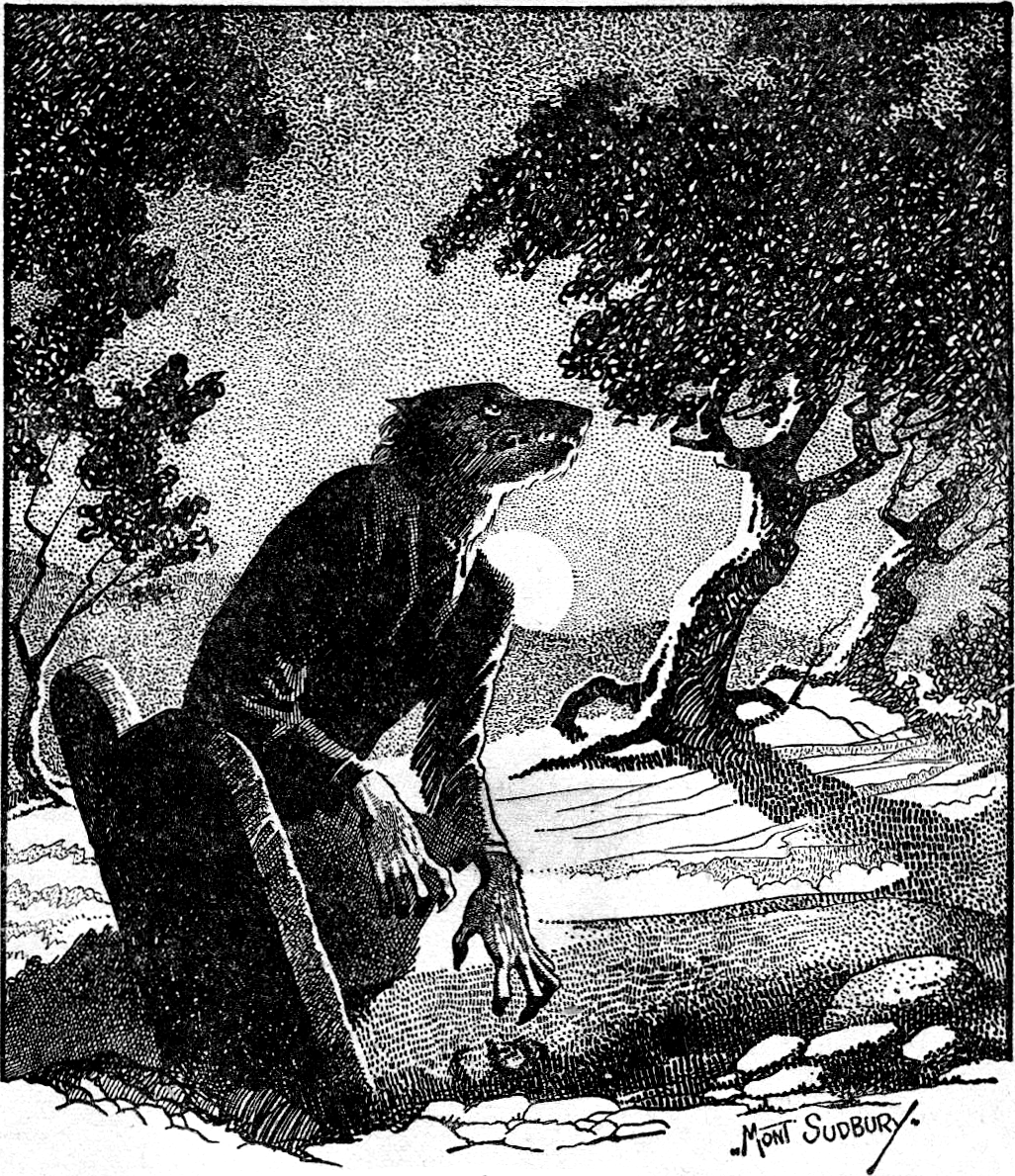 🇫🇷 France and 5 moreWerewolf
A mythical shapeshifter that turns into a wolf, central to European witch-hunts and Gothic horror.Being · Cursing and harm · Wonder and entertainment Legendary
🇫🇷 France and 5 moreWerewolf
A mythical shapeshifter that turns into a wolf, central to European witch-hunts and Gothic horror.Being · Cursing and harm · Wonder and entertainment Legendary
 🇫🇷 France and 1 moreCernunnos
An antlered Celtic deity depicted with torcs and serpents, known from Roman-era Gaul.Being · Power and authority · Luck and prosperity Historical
🇫🇷 France and 1 moreCernunnos
An antlered Celtic deity depicted with torcs and serpents, known from Roman-era Gaul.Being · Power and authority · Luck and prosperity Historical
 🇫🇷 France and 5 moreRevenant
An animated corpse or spirit that returns from the grave to haunt the livingBeing · Cursing and harm Legendary
🇫🇷 France and 5 moreRevenant
An animated corpse or spirit that returns from the grave to haunt the livingBeing · Cursing and harm Legendary
 🇬🇷 Greece and 3 moreHippocampusἱππόκαμπος
A mythological hybrid of a horse and fish from ancient Mediterranean culturesBeing · Wonder and entertainment Legendary
🇬🇷 Greece and 3 moreHippocampusἱππόκαμπος
A mythological hybrid of a horse and fish from ancient Mediterranean culturesBeing · Wonder and entertainment Legendary
Related elsewhere
All being 🇪🇬 Egypt and 1 moreLilithלִילִית
A feminine figure from Mesopotamian and Jewish mythology, often depicted as a night demon or spirit.Being · Cursing and harm Legendary
🇪🇬 Egypt and 1 moreLilithלִילִית
A feminine figure from Mesopotamian and Jewish mythology, often depicted as a night demon or spirit.Being · Cursing and harm Legendary
 🇪🇬 EgyptCurse
A spoken wish for misfortune to befall a person or placeBelief · Cursing and harm · Luck and prosperity Historical
🇪🇬 EgyptCurse
A spoken wish for misfortune to befall a person or placeBelief · Cursing and harm · Luck and prosperity Historical
 🇹🇷 Turkey and 5 moreEvil eye
A curse caused by an envious look and the charms used to block itBelief · Protection · Cursing and harm Living
🇹🇷 Turkey and 5 moreEvil eye
A curse caused by an envious look and the charms used to block itBelief · Protection · Cursing and harm Living
 🇺🇸 United StatesSalem Witch Trials
A colonial legal crisis where over two hundred people faced accusations of sorcery in Massachusetts.Belief · Cursing and harm Historical
🇺🇸 United StatesSalem Witch Trials
A colonial legal crisis where over two hundred people faced accusations of sorcery in Massachusetts.Belief · Cursing and harm Historical