
Makara
In its own language: मकर
from Sanskrit makara, meaning sea-animal or crocodile
A legendary sea-creature in Hindu mythology and a symbol of water and thresholds
Makara is a mythical hybrid creature from Hindu tradition, often depicted with parts of land and water animals. It serves as the vehicle for river goddesses and ocean gods, and appears widely in temple architecture as a guardian of gateways.
- Makara is the vehicle of the river goddess Ganga
- It guards temple gateways and throne rooms
- The zodiac sign Makara equals Capricorn
- It combines parts of elephants, fish, and crocodiles
- Found in temples of India, Nepal, and Cambodia
What it is
Makara is a legendary sea-creature found in Hindu mythology and astrology. In the zodiac, it corresponds to the sign Capricorn. The creature is a hybrid, combining features of terrestrial and aquatic animals. It acts as the vehicle for deities like Ganga and Varuna. Artists also use its image to guard temple entrances and throne rooms.
Where it comes from
The name comes from Sanskrit, referring to a sea-animal or crocodile. Some scholars suggest the image may be based on dugongs or river dolphins. Art historians note that Greek myths about sea monsters might have influenced early depictions through trade routes. Over time, the creature evolved into a complex symbol used across South and Southeast Asia.
How it is done
The creature is shown with mixed animal parts. Common features include an elephant trunk, crocodile jaws, fish scales, and a peacock tail. It appears in stone carvings on temple arches and stair railings. Deities are sometimes depicted wearing earrings shaped like the Makara. It serves as a structural element in architecture, framing doorways and spouts.
Tools and materials
Artists combine elements from various animals to build the image. These parts include the trunk of an elephant, the teeth of a boar, the eyes of a monkey, and the tail of a fish. The combination creates a chimera that embodies the nature of a crocodile. These features are carved in stone, cast in metal, or woven into textiles.
Makara, drawn and placed
- Living
- Revived
- Fading
- Historical
- Legendary
- Performed
- Lineage
- Hindu mythology
What it is for
The Makara protects thresholds and gateways. It guards the entryways to temples and royal courts. As a vehicle for water gods, it links the divine to the flow of rivers and oceans. It also serves as a clan symbol for certain groups in Sri Lanka. The creature represents prosperity and self-sufficiency in local traditions.
Who does it
Scholars and art historians study the Makara to understand religious iconography. Temple architects place the figure at key structural points. Devotees view the images as sacred symbols of protection. The creature is not worshipped directly but is revered as part of the divine entourage.
Peoples and places
The Makara is central to Hindu and Buddhist cultures in India. In Sri Lanka, it is known as a dragon and appears in Buddhist art. Newar builders in Nepal use it to frame mandalas and fountains. Khmer architects in Cambodia feature it in temple lintels. Indonesian temples use it as a decorative border on stairs and gates.
At a glance: who, where and when
Who does it
Belief worlds


What people believe
Water is viewed as the origin of all existence. The Makara embodies this creative force. It stands between order and chaos, marking the transition into sacred space. The creature’s hybrid form shows the blending of different natural worlds. It connects the earthly realm with the divine waters of the gods.
How scholars and sceptics see it
Researchers analyze the Makara’s evolution from simple sea creatures to complex architectural motifs. They trace influences from Greek mythology and Jain texts. Experts note how the image adapts to local styles in Nepal, Cambodia, and Indonesia. The creature’s changing form reflects cultural exchanges along trade routes.
Compare and confuse
The Makara is similar to the Chinese Dragon in some artistic details. It shares traits with the Greek Kētos sea monster. In astrology, it replaces the goat symbol of Capricorn. Unlike other deities, it is primarily a symbolic vehicle rather than a standalone god.
Today
The Makara remains a common motif in Hindu and Buddhist temples across Asia. Modern artisans still carve the figure for new buildings. It appears in jewelry and decorative arts. The symbol continues to represent water and protection in contemporary religious practice.
Questions people ask about Makara
What is a Makara?
A Makara is a mythical sea-creature from Hindu mythology. It is a hybrid animal with parts of land and water creatures. It serves as a vehicle for gods and a guardian of sacred spaces.
Where does the word come from?
The word comes from Sanskrit makara. It means sea-animal or crocodile. The term describes the creature's aquatic nature and its association with water.
What animals make up the Makara?
It typically has an elephant trunk, crocodile jaws, fish scales, and a peacock tail. Different regions add other parts like lion feet or monkey eyes to the design.
Why is it important in temples?
It guards the entrances to temples and holy sites. It marks the threshold between the outside world and the sacred inner space. It represents the protective power of water.
Good reading and sources
- Encyclopaedia BritannicaArticle
- My Husband and Other Animals — The beast withinThe Hindu, Article
- Makara on WikipediaEncyclopedia
- More photos on Wikimedia CommonsPhotos and video
- Wikidata recordOpen data
The facts on this page come from the Wikipedia article "Makara", written by its contributors and used under the CC BY-SA 4.0 licence, and from its Wikidata record (CC0). EveryJaadu rewrote the text in its own words, with AI assistance, and compares every page with the article to make sure no passage is copied. It may be reused under the same CC BY-SA 4.0 licence with a link back.
It may contain mistakes. Names and customs differ from one community to the next, and some knowledge is closed to outsiders and left out here. This page describes belief and practice. It does not say that any of it works, it is not a how-to, and it is not medical advice. If something is wrong, tell us. Last refreshed 2026-10-06.
More from India
All the entries from India 🇮🇳 India and 5 morePretaप्रेत
A suffering spirit of insatiable hunger found in Asian religious traditionsBeing · Speaking with spirits and the dead Living
🇮🇳 IndiaAlakshmiदेवी अलक्ष्मी
A Hindu goddess of misfortune and the shadow opposite to LakshmiBeing · Cursing and harm Living
🇮🇳 India and 5 morePretaप्रेत
A suffering spirit of insatiable hunger found in Asian religious traditionsBeing · Speaking with spirits and the dead Living
🇮🇳 IndiaAlakshmiदेवी अलक्ष्मी
A Hindu goddess of misfortune and the shadow opposite to LakshmiBeing · Cursing and harm Living
 🇮🇳 IndiaTaraतारा (Sanskrit), তারা (Bengali)
A fierce Hindu goddess of protection and wisdom, central to the Mahavidya tradition.Being · Protection · Power and authority Living
🇮🇳 IndiaTaraतारा (Sanskrit), তারা (Bengali)
A fierce Hindu goddess of protection and wisdom, central to the Mahavidya tradition.Being · Protection · Power and authority Living
 🇮🇳 India and 1 moreLakshmiलक्ष्मी
A Hindu goddess of wealth, prosperity, and beauty, worshipped as the consort of Vishnu.Being · Luck and prosperity · Power and authority Living
🇮🇳 India and 1 moreLakshmiलक्ष्मी
A Hindu goddess of wealth, prosperity, and beauty, worshipped as the consort of Vishnu.Being · Luck and prosperity · Power and authority Living
Related elsewhere
All being 🇨🇳 China and 3 moreChinese dragon龍
A legendary water deity and imperial symbol in East Asian cultureBeing · Protection · Luck and prosperity Historical
🇨🇳 China and 3 moreChinese dragon龍
A legendary water deity and imperial symbol in East Asian cultureBeing · Protection · Luck and prosperity Historical
 🇵🇭 Philippines and 1 moreAgimatAnting-anting
A Filipino amulet or charm believed to grant protection, power, and supernatural abilities.Charm · Protection · Love and attraction Living
🇵🇭 Philippines and 1 moreAgimatAnting-anting
A Filipino amulet or charm believed to grant protection, power, and supernatural abilities.Charm · Protection · Love and attraction Living
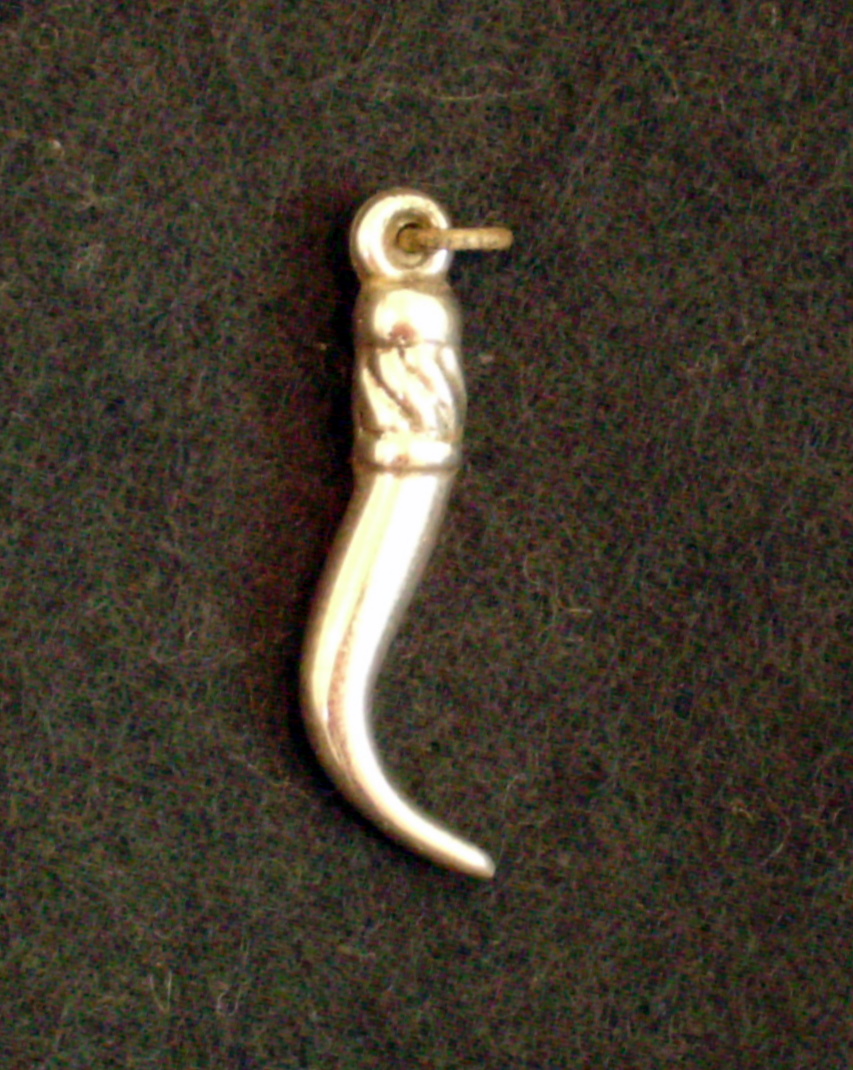 🇮🇹 ItalyCornicello
A twisted horn charm worn in Italy to ward off the evil eye and invite luck.Charm · Protection · Luck and prosperity Living
🇮🇹 ItalyCornicello
A twisted horn charm worn in Italy to ward off the evil eye and invite luck.Charm · Protection · Luck and prosperity Living
 🇫🇷 France and 5 moreYule log
A large wooden log burned in the hearth during winter festivals across Europe and North America.Tradition · Protection · Luck and prosperity Living
🇫🇷 France and 5 moreYule log
A large wooden log burned in the hearth during winter festivals across Europe and North America.Tradition · Protection · Luck and prosperity Living