Spirits, creatures and beings
Djinn, fairies, orisha, golems and the other powers that magic deals with.
Beings are the powers that magic deals with: spirits, ancestors, gods, djinn, fairies, orisha, nats, kami, demons, golems, ghosts and the many kinds of household and landscape spirit. People in most cultures have described a world shared with unseen others, who may help, trouble or ask for respect. This page covers what these beings are said to be and the very different ways communities relate to them. They are always described here as what communities believe, not as established fact.
Different kinds of beings
A being can be a god with a priesthood, such as an orisha served in Yoruba religion, Cuba and Brazil. It can be an ancestor, honoured in China, Africa and Mexico. It can belong to a place, such as the kami of Shinto, the Thai phi or the Burmese nats. It can be a trouble-maker, like the djinn of Arabic and Islamic tradition, formed from smokeless fire, or the fairies of Ireland, whom people avoided naming.
Relationship, not command
In many traditions, a person does not command a being but enters a relationship with it, through offerings, promises and respect. Possession and mediumship are forms of that relationship, as in Vodou, Candomblé, Korean mudang rites and Sufi gatherings. In ceremonial magic of the European grimoires, by contrast, the magician summons spirits by name and authority, which the Church condemned as demon-raising. The same being may be loved in one household and feared in the next, and a spirit helpful to its servant can be harmful to a stranger.
Religions and renaming
Dominant religions often absorbed beings by relabelling them. Christian missionaries called many African and Indigenous spirits demons. Islam reads the djinn as real creatures, some of whom are Muslim, and Hindu and Buddhist traditions fold local deities into their own pantheons. Pagan and fairy beliefs were sometimes recast as the devil's work, which fed witch trials in Europe. Churches and mosques have sometimes divided beings into good and evil in ways the older traditions did not, so that a neutral local spirit became a demon on the day a missionary arrived.
Harm and interpretation
Belief in harmful spirits has been used to accuse people. Children in parts of West and Central Africa have been branded as witches possessed by evil spirits, and some have been abused by pastors or families in the name of deliverance. Scholars read spirit beliefs as ways to make sense of illness, loss and conflict, and many communities see them simply as neighbours. That is why accusations tied to spirit beliefs fall hardest on children and the vulnerable, and why many agencies train local leaders to challenge them.
Being on EveryJaadu
The entries written up so far, best known first.
 🇮🇪 IrelandBadb
An Irish war goddess who appears as a crow to sow fear and predict death in battle.Being · Cursing and harm · Seeing and foretelling Legendary
 🇮🇳 India and 3 moreDakiniḍākinī
A goddess figure in Hinduism and Buddhism, ranging from flesh-eating demoness to enlightened energy.Being · Cursing and harm · Power and authority Historical
 🇮🇪 Ireland and 3 moreChangeling
A substitute left by supernatural beings in place of a stolen human child or adultBeing · Cursing and harm · Luck and prosperity Legendary
 🇮🇷 Iran and 4 moreJinnجِنّ
Supernatural beings in Islamic and pre-Islamic Arabian belief, capable of shapeshifting and living in society.Being · Protection · Cursing and harm Living
 🇯🇵 JapanKitsuneきつね
A Japanese fox spirit known for shapeshifting and trickeryBeing · Cursing and harm · Protection Legendary
 🇲🇾 Malaysia and 5 morePenanggalan
A floating head and trailing organs from Malay ghost mythsBeing · Cursing and harm Living
 🇵🇪 Peru and 1 moreChullachaqui
A one-footed forest spirit of the Amazon that guards the jungle and lures humans with tricks.Being · Cursing and harm · Power and authority Legendary
 🇮🇳 IndiaParashuramaपरशुराम (Paraśurāma)
The warrior sage of Hinduism who wields a divine axe to restore cosmic balance.Being · Power and authority · Cursing and harm Legendary
🇬🇭 Ghana and 2 moreSasabonsam
A tree-dwelling creature of Akan folklore with iron teeth and bat-like wingsBeing · Cursing and harm Legendary
 🇮🇪 IrelandBansheebean sí
A female spirit in Irish folklore who wails to herald the death of a family member.Being · Cursing and harm Legendary
🇷🇸 Serbia and 1 moreDrekavacДрекавац
A South Slavic night creature born from unbaptised souls or sinnersBeing · Cursing and harm Legendary
 🇧🇷 BrazilBoitatá
A fiery serpent of Brazilian folklore that guards forests or frightens childrenBeing · Protection · Cursing and harm Living
🇮🇩 Indonesia and 2 moreKuntilanak
A vengeful female spirit of Indonesian and Malaysian folklore, known for luring victims with beauty before revealing a mBeing · Cursing and harm · Love and attraction Legendary
 🇬🇷 GreeceCirceΚίρκη
A Greek goddess and witch known for turning men into beasts with her potionsBeing · Cursing and harm · Love and attraction Legendary
 🇪🇸 Spain and 5 moreDuende
A humanoid spirit of Iberian and Latin American folklore, ranging from helpful to mischievous.Being · Protection · Cursing and harm Living
 🇯🇵 JapanKappa河童
A river-dwelling yōkai known for its head dish and love of cucumbersBeing · Cursing and harm · Wonder and entertainment Legendary
 🇦🇺 AustraliaKurdaitchakwertatye
A ritual executioner and feathered shoes of the Arrernte people in Central Australia.Tradition · Cursing and harm · Power and authority Historical
 🇭🇷 Croatia and 5 moreVilavila (Serbian: вила), víla (Bulgarian: ви́ла)
Slavic nature spirits known for healing, storms, and deadly dancesBeing · Protection · Cursing and harm Legendary
 🇲🇾 Malaysia and 1 morePawang
A shaman from Indonesia and Malaysia who commands spirits, weather, and wild animals.Being · Protection · Cursing and harm Living
 🇮🇳 India and 1 morePishachaपिशाच (piśāca)
A flesh-eating demon from Indian religions, feared for possession and madness.Being · Cursing and harm Legendary
 🇯🇵 JapanTengu天狗
Japanese mountain spirits that evolved from ominous birds into protective forest guardians.Being · Cursing and harm · Protection Legendary
 🇮🇷 Iran and 3 moreDaeva𐬛𐬀𐬉𐬎𐬎𐬀
A Zoroastrian entity that evolved from rejected gods to personifications of evil.Being · Cursing and harm · Power and authority Historical
 🇪🇬 EgyptDemon
A supernatural entity believed to cause harm or possess humansBeing · Cursing and harm · Speaking with spirits and the dead Historical
 🇮🇳 India and 2 moreBhootभूत
A restless spirit of the dead in South Asian belief and folkloreBeing · Cursing and harm · Protection Living
 🇬🇷 Greece and 4 moreKallikantzarosκαλικάντζαρος
A malevolent goblin that dwells underground and surfaces during the twelve days of Christmas.Being · Cursing and harm · Luck and prosperity Historical
 🇪🇬 Egypt and 1 moreQareenقرين
A spiritual companion or double assigned to every human in Islamic beliefBeing · Cursing and harm · Power and authority Living
 🇬🇧 United KingdomPuck
A mischievous domestic sprite of English folklore known for practical jokes and household choresBeing · Cursing and harm · Luck and prosperity Legendary
 🇷🇸 Serbia and 5 moreZduhaćздухаћ
A South Slavic belief in men who fight storms and hail to protect their cropsBeing · Protection · Cursing and harm Historical
🇺🇦 Ukraine and 1 moreVedmakвядзьмак
A Slavic male warlock or witch with shamanic roots and shape-shifting powersBeing · Healing · Cursing and harm Legendary
 🇮🇹 ItalyBadaliscBadalisch
A mythical goat-headed creature from the Italian Alps, captured and mocked during Epiphany celebrations.Being · Cursing and harm · Wonder and entertainment Living
🇮🇳 India and 1 morePichal periਪਿੱਛਲ ਪੈਰੀ
A backward-footed female spirit of northwestern South Asia and Central AsiaBeing · Cursing and harm Legendary
 🇲🇽 Mexico and 5 moreSihuanaba
A shapeshifting spirit that lures men with beauty before revealing a monstrous faceBeing · Cursing and harm Legendary
🇹🇹 Trinidad and Tobago and 5 moreSoucouyant
A shape-shifting vampire spirit of Caribbean folklore that sheds its skin to fly as a fireballBeing · Cursing and harm Living
🇳🇴 Norway and 1 moreTroll cat
A familiar spirit in Nordic folklore blamed for stealing milk and cream from farmsBeing · Cursing and harm Legendary
 🇺🇸 United States and 2 moreRougarou
A lycanthrope legend from French-speaking communities in North AmericaBeing · Cursing and harm Legendary
🇷🇴 Romania and 2 moreSolomonariȘolomonar
A Romanian weather wizard who rides a dragon and controls the storms.Being · Cursing and harm · Luck and prosperity Legendary
🇯🇵 JapanOsaki尾先
A mountain spirit in Japanese folklore that brings wealth or possession.Being · Luck and prosperity · Cursing and harm Legendary
🇸🇾 SyriaLilulilû (Akkadian), lilu (Sumerian)
A class of Mesopotamian spirits linked to unfulfilled lives and illnessBeing · Cursing and harm · Healing Historical
🇬🇧 United KingdomWirry-cow
A Scottish folk figure representing a frightening object or spiritBeing · Cursing and harm Historical
🇯🇵 JapanMisaki御先
Japanese spirit-like entities that serve gods or possess humans with illness and calamityBeing · Cursing and harm · Speaking with spirits and the dead Living
🇵🇱 Poland and 1 moreDydko
A Polish folk creature evolved from a Slavic house demon into a night-time scarecrow.Being · Cursing and harm Legendary
🇦🇿 AzerbaijanBastyBasdı
A group of evil spirits and goblins from Turkic folklore in Anatolia.Being · Cursing and harm Legendary
🇨🇦 CanadaWechuge
A man-eating spirit from Athabaskan legend born of taboo and excessive powerBeing · Cursing and harm Legendary
 🇨🇳 China and 4 moreDragon
A serpentine mythical creature found in global folklore and art, representing power, chaos, or imperial authority.Being · Power and authority · Cursing and harm Legendary
 🇮🇹 Italy and 1 moreCupidCupīdō
A Roman deity of desire and erotic love, often depicted with a bow and arrow.Being · Love and attraction · Cursing and harm Legendary
 🇱🇰 Sri LankaMara
A Buddhist figure representing the forces that block spiritual awakening and keep beings trapped in rebirth.Being · Cursing and harm · Binding and oaths Living
 🇬🇷 GreeceErymanthian Boarὁ Ἐρυμάνθιος κάπρος
A wild boar from Greek myth captured by Heracles as his fourth labourBeing · Cursing and harm Legendary
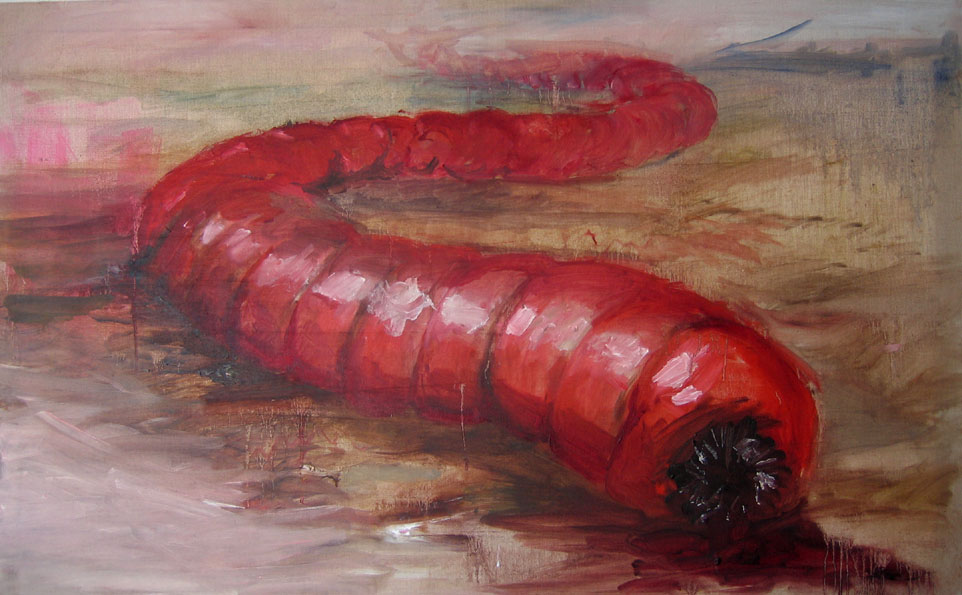 🇲🇳 MongoliaMongolian death wormолгой-хорхой (olgoi-khorkhoi)
A legendary desert creature said to kill with venom or electricityBeing · Cursing and harm Legendary
Photo credits on this page
The small pictures above come from Wikimedia Commons under free licences. Some are cropped to fit.
- Mongolian death worm: The original uploader was Pieter0024 at English Wikipedia ., CC BY-SA 1.0, source
- Changeling: Henry Fuseli, Public domain, source
- Parashurama: Unknown author, Public domain, source
- Pawang: Unknown author, CC BY-SA 3.0, source
- Qareen: عامر شاہین, CC BY-SA 3.0, source
- Circe: Wright Barker, Public domain, source
- Tengu: Katsushika Hokusai, Public domain, source
- Puck: Joseph Noel Paton, Public domain, source
- Chullachaqui: LLs, CC BY-SA 4.0, source
- Kappa: Unknown author, CC0, source
- Duende: René Mayorga, CC BY-SA 2.0, source
- Bhoot: Anilbhardwajnoida, CC BY-SA 3.0, source
- Div: Unknown Calligrapher, Public domain, source
- Demon: Martin Schongauer, Public domain, source
- Japanese dragon: Katsushika Hokusai, Public domain, source
- Keening: W.H. Brooke, Public domain, source
- Erymanthian Boar: Antimenes Painter, Public domain, source
- Jinn: VenusFeuerFalle, CC0, source
- Badb: Commonists, CC BY-SA 4.0, source
- Dakini: Didier Descouens, Public domain, source
- Penanggalan: Hi I really try my best here, CC BY-SA 4.0, source
- Kitsune: Yoshitoshi, Public domain, source
- Kallikantzaros: Katolophyromai, CC BY-SA 4.0, source
- Zduhać: Bidgee, CC BY-SA 3.0, source
- Pishacha: Unknown author, Public domain, source
- Cupid: Bertel Thorvaldsen, CC BY-SA 3.0, source
- Boitatá: The ponta cabeça, CC BY-SA 4.0, source
- Badalisc: Luca Giarelli, CC BY-SA 3.0, source
- Rougarou: XxxJohnDoExxxx, CC BY-SA 4.0, source
- Vila: Scan by NYPL, Public domain, source
- Kurdaitcha: Unknown author, CC BY 4.0, source
- Sihuanaba: Orlando Callejas, CC BY-SA 4.0, source
- Mara: Under the Bo, CC BY-SA 3.0, source