The wechuge is a cannibalistic entity in the myths of Athabaskan peoples, particularly the Dane-zaa. It is believed to be a human transformed by ancient giant spirits after breaking a sacred rule.
- Man-eating spirit in Athabaskan and Dane-zaa legends
- Caused by breaking a taboo and becoming too strong
- Possessed by ancient giant spirit animals
- Killed by fire if made of ice in one folktale
- Considered a curse and punishment for transgressors
What it is
The wechuge is a malevolent figure found in the legends of Athabaskan groups across the Pacific Northwest. It is described as a supernatural being that consumes humans. This entity represents a curse or punishment for those who violate community rules. The creature is often linked to evil spirits or possessed individuals who have lost their humanity.
Where it comes from
In Beaver or Dane-zaa stories, the wechuge originates from a person overwhelmed by ancient giant spirit animals. These giants were once powerful and intelligent but now exist as normal-sized creatures. A human becomes a wechuge by breaking a specific taboo and gaining too much strength from these spirits. Professor Robin Ridington recorded these accounts among the Dane-zaa people in western Canada.
Wechuge, drawn and placed
- Living
- Revived
- Fading
- Historical
- Legendary
- Performed
- Lineage
- Athabaskan mythology
What it is for
The wechuge serves as a warning against transgression. It is said to lure people away from their group using cunning tricks before attacking them. Its existence reinforces social boundaries and the consequences of greed or power beyond one's station. It is viewed as a destructive force that brings harm to the community.
Who does it
Scholars like Robin Ridington have studied these narratives. The Dane-zaa people hold the traditional knowledge regarding the wechuge. There are no living practitioners who summon or control this entity; it is a subject of folklore and mythological study rather than active ritual practice.
Peoples and places
The belief is most prominent among Athabaskan peoples and some Pacific Northwest groups. The Dane-zaa specifically link the transformation to the Peace River region. Similar figures, such as the wendigo, appear in other Indigenous traditions, showing shared themes of cannibalism and spiritual danger across North America.
At a glance: who, where and when
Peoples
What people believe
The worldview behind the wechuge involves ancient spirits that retain power despite shrinking in size. Breaking taboos allows a human to tap into this dangerous energy. The resulting state is a loss of self and a turn toward cannibalism. The creature is seen as inherently evil and destructive, serving as a divine retribution for hubris.
How scholars and sceptics see it
Anthropologists and folklorists document the wechuge as part of Indigenous oral tradition. Robin Ridington’s work highlights how these stories function within Dane-zaa society. Scholars view the narrative as a cultural system explaining moral boundaries and the dangers of uncontrolled power, similar to other cannibalistic myths in the region.
Compare and confuse
The wechuge is frequently compared to the wendigo due to shared traits like cannibalism and luring victims. Both figures represent the dangers of excess and taboo violation. While distinct in origin stories, they serve similar cautionary roles in their respective cultural contexts.
Today
The stories of the wechuge remain part of the cultural heritage of the Dane-zaa and Athabaskan peoples. They are preserved through oral history and academic research. The legend continues to inform understanding of Indigenous worldviews and the symbolic importance of balance and respect for spirits.
Questions people ask about Wechuge
What is a wechuge?
It is a man-eating creature or evil spirit from Athabaskan and Dane-zaa mythology. It is believed to be a human transformed by ancient giant spirits after violating a sacred rule.
How does someone become a wechuge?
According to Dane-zaa belief, a person becomes a wechuge by breaking a taboo. This act allows them to be overwhelmed by the power of ancient giant spirit animals, making them too strong.
Where do these stories come from?
The legends originate with the Athabaskan peoples, particularly the Dane-zaa in the Peace River region of western Canada. Scholars like Robin Ridington have documented these accounts.
What happens if a wechuge is made of ice?
In one folktale, an ice wechuge is very strong. It can only be defeated by throwing it on a campfire and leaving it there overnight until it melts completely.
Good reading and sources
The facts on this page come from the Wikipedia article "Wechuge", written by its contributors and used under the CC BY-SA 4.0 licence, and from its Wikidata record (CC0). EveryJaadu rewrote the text in its own words, with AI assistance, and compares every page with the article to make sure no passage is copied. It may be reused under the same CC BY-SA 4.0 licence with a link back.
It may contain mistakes. Names and customs differ from one community to the next, and some knowledge is closed to outsiders and left out here. This page describes belief and practice. It does not say that any of it works, it is not a how-to, and it is not medical advice. If something is wrong, tell us. Last refreshed 2026-10-06.
More from Canada
All the entries from Canada 🇺🇸 United States and 5 moreNight hag
A supernatural being believed to sit on sleepers and cause paralysisBeing · Cursing and harm Legendary
🇺🇸 United States and 5 moreNight hag
A supernatural being believed to sit on sleepers and cause paralysisBeing · Cursing and harm Legendary
 🇨🇦 CanadaNanabozhoᓇᓇᐳᔓ
A shapeshifting spirit and trickster in Anishinaabe storytelling from North AmericaBeing · Cursing and harm · Power and authority Living
🇨🇦 CanadaNanabozhoᓇᓇᐳᔓ
A shapeshifting spirit and trickster in Anishinaabe storytelling from North AmericaBeing · Cursing and harm · Power and authority Living
 🇺🇸 United States and 2 moreRougarou
A lycanthrope legend from French-speaking communities in North AmericaBeing · Cursing and harm Legendary
🇺🇸 United States and 2 moreRougarou
A lycanthrope legend from French-speaking communities in North AmericaBeing · Cursing and harm Legendary
 🇺🇸 United States and 1 moreGroundhog DayGrund'sau dåk
A North American custom using a burrowing rodent to forecast the end of winterTradition · Seeing and foretelling · Luck and prosperity Living
🇺🇸 United States and 1 moreGroundhog DayGrund'sau dåk
A North American custom using a burrowing rodent to forecast the end of winterTradition · Seeing and foretelling · Luck and prosperity Living
Related elsewhere
All being 🇷🇸 Serbia and 5 moreVampire
An undead creature from folklore that feeds on the blood or life force of the livingBeing · Cursing and harm · Luck and prosperity Legendary
🇷🇸 Serbia and 5 moreVampire
An undead creature from folklore that feeds on the blood or life force of the livingBeing · Cursing and harm · Luck and prosperity Legendary
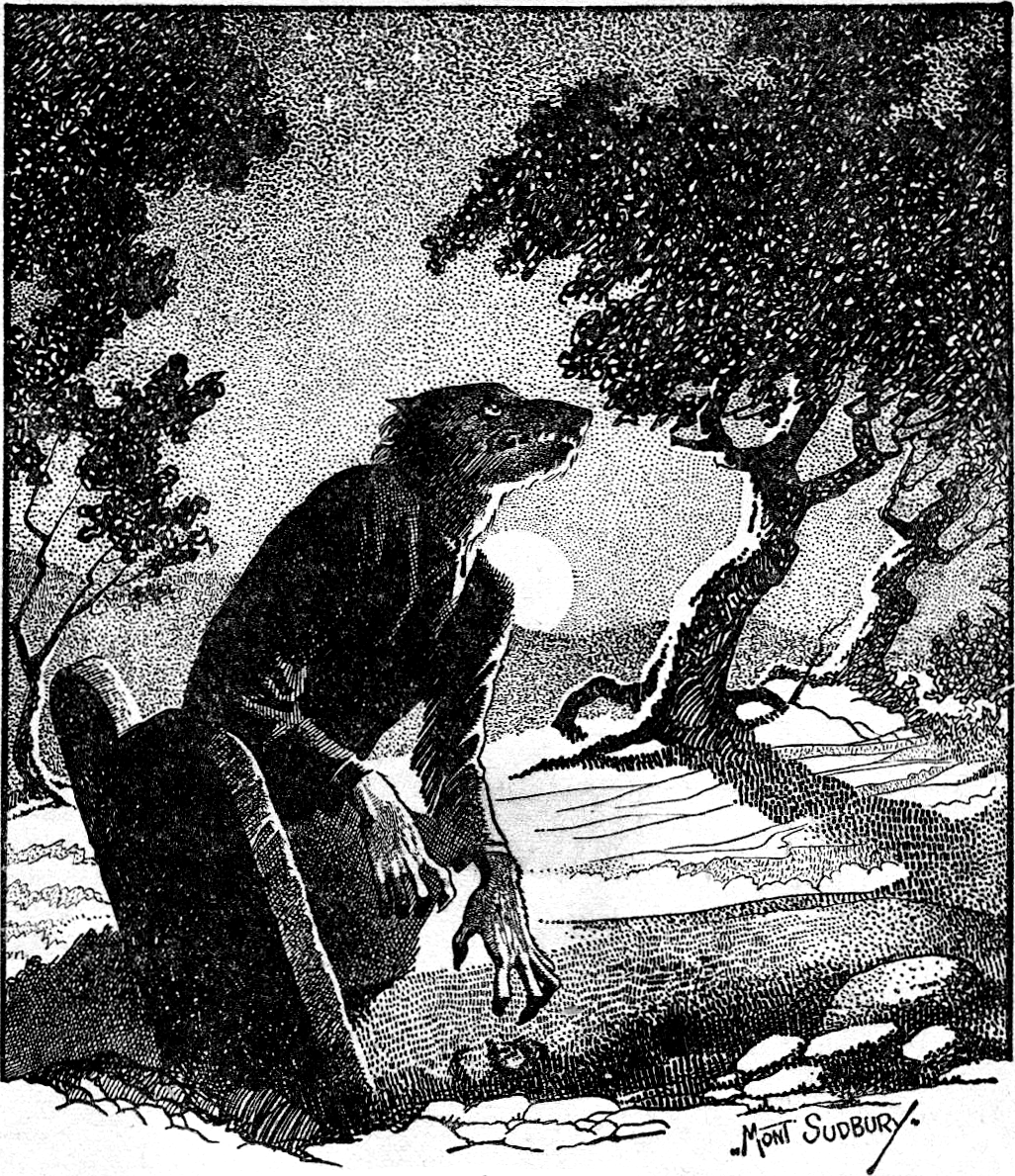 🇫🇷 France and 5 moreWerewolf
A mythical shapeshifter that turns into a wolf, central to European witch-hunts and Gothic horror.Being · Cursing and harm · Wonder and entertainment Legendary
🇫🇷 France and 5 moreWerewolf
A mythical shapeshifter that turns into a wolf, central to European witch-hunts and Gothic horror.Being · Cursing and harm · Wonder and entertainment Legendary
 🇪🇬 Egypt and 1 moreLilithלִילִית
A feminine figure from Mesopotamian and Jewish mythology, often depicted as a night demon or spirit.Being · Cursing and harm Legendary
🇪🇬 Egypt and 1 moreLilithלִילִית
A feminine figure from Mesopotamian and Jewish mythology, often depicted as a night demon or spirit.Being · Cursing and harm Legendary
 🇪🇬 EgyptCurse
A spoken wish for misfortune to befall a person or placeBelief · Cursing and harm · Luck and prosperity Historical
🇪🇬 EgyptCurse
A spoken wish for misfortune to befall a person or placeBelief · Cursing and harm · Luck and prosperity Historical