Vedmak
In its own language: вядзьмак
from Proto-Slavic *vědět (to know)
A Slavic male warlock or witch with shamanic roots and shape-shifting powers
The vedmak is a male warlock or witch from Slavic mythology. Practitioners are believed to heal people and animals while also possessing the ability to cause harm through illness or crop failure.
- Male equivalent of the vedma in Slavic lore
- Rooted in shamanic traditions of Slavic paganism
- Can transform into any animal or object
- Word comes from Proto-Slavic for 'to know'
- Associated with both healing and causing harm
What it is
A vedmak is a male warlock or witch within Slavic mythology. The female counterpart is known as a vedma. This figure represents the shamanic elements of traditional Slavic paganism. Communities view these individuals as having deep knowledge of natural forces. They are often respected for their healing abilities but feared for their potential to cause damage.
Where it comes from
The term originates from the Proto-Slavic root *vědět, meaning to know. It connects to Old East Slavic concepts of knowledge and witchcraft. The word evolved alongside folklore traditions across Eastern Europe. Its linguistic history mirrors the development of cunning folk practices in English culture.
How it is done
Vedmaks are described as capable of transforming into any animal or object. This shape-shifting ability allows them to move freely between different realms. Their practice involves treating both humans and livestock. They are also believed to manipulate environmental factors like harvests.
Vedmak, drawn and placed
- Living
- Revived
- Fading
- Historical
- Legendary
- Performed
- Lineage
- Slavic paganism
What it is for
These figures serve dual roles in community life. They provide medical care for people and animals. Simultaneously, they are thought to bring misfortune. Harm includes sending illnesses, killing cattle, or ruining crops. The label was sometimes used as an insult against those with suspicious behavior.
Who does it
The role focuses heavily on shamanic aspects of indigenous belief. Practitioners are seen as connected to spiritual forces. Some traditions link them to demonic entities. This connection explains their capacity for destructive magic. The gender-specific term distinguishes male warlocks from female witches.
At a glance: who, where and when
Peoples
Questions people ask about Vedmak
What does the word vedmak mean?
It derives from the Proto-Slavic word *vědět, meaning to know. It relates to old concepts of knowledge and witchcraft found in East Slavic languages.
Is a vedmak the same as a witch?
Yes, it is a male witch or warlock. The female version is called a vedma. Both terms describe figures in Slavic mythology with magical abilities.
What powers do vedmaks have?
They can treat people and animals. They are also believed to cause harm by sending illness or spoiling harvests. A key power is shape-shifting into any animal or object.
Where does this myth come from?
It belongs to Slavic mythology and paganism. The tradition spans countries like Ukraine, Poland, Belarus, and Russia.
Good reading and sources
The facts on this page come from the Wikipedia article "Vedmak", written by its contributors and used under the CC BY-SA 4.0 licence, and from its Wikidata record (CC0). EveryJaadu rewrote the text in its own words, with AI assistance, and compares every page with the article to make sure no passage is copied. It may be reused under the same CC BY-SA 4.0 licence with a link back.
It may contain mistakes. Names and customs differ from one community to the next, and some knowledge is closed to outsiders and left out here. This page describes belief and practice. It does not say that any of it works, it is not a how-to, and it is not medical advice. If something is wrong, tell us. Last refreshed 2026-10-06.
More from Ukraine
All the entries from Ukraine 🇷🇺 Russia and 2 moreUpiórупіор
A demonic spirit from Slavic and Turkic folklore that is believed to return from the dead to feed on the living.Being · Cursing and harm Historical
🇷🇺 Russia and 2 moreUpiórупіор
A demonic spirit from Slavic and Turkic folklore that is believed to return from the dead to feed on the living.Being · Cursing and harm Historical
 🇷🇺 Russia and 3 moreVodyanoyводяной
A water spirit of Slavic folklore that dwells in rivers and lakesBeing · Cursing and harm · Luck and prosperity Legendary
🇺🇦 Ukraine and 1 moreStrichaСтріча
A Slavic goddess who spins the golden thread of human destiny and good fortuneBeing · Luck and prosperity · Protection Historical
🇷🇺 Russia and 3 moreVodyanoyводяной
A water spirit of Slavic folklore that dwells in rivers and lakesBeing · Cursing and harm · Luck and prosperity Legendary
🇺🇦 Ukraine and 1 moreStrichaСтріча
A Slavic goddess who spins the golden thread of human destiny and good fortuneBeing · Luck and prosperity · Protection Historical
 🇺🇦 Ukraine and 1 moreUkrainian folklore
The folk traditions of Ukraine and its ethnic communitiesTradition · Speaking with spirits and the dead · Luck and prosperity Living
🇺🇦 Ukraine and 1 moreUkrainian folklore
The folk traditions of Ukraine and its ethnic communitiesTradition · Speaking with spirits and the dead · Luck and prosperity Living
Related elsewhere
All being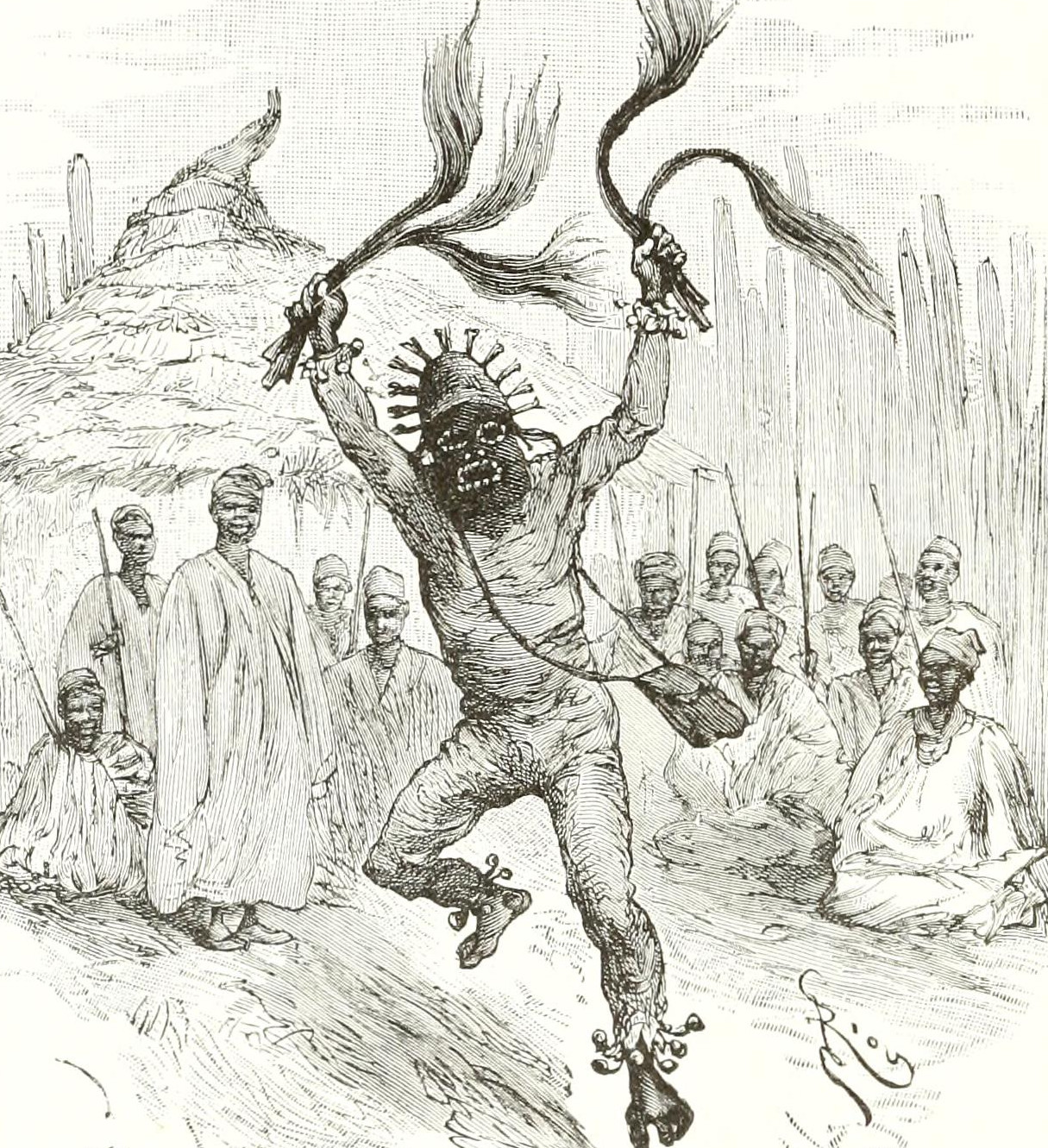 🇺🇸 United States and 2 moreLouisiana Voodoo
An African diasporic religion practiced in Louisiana from the 18th to early 20th centuriesTradition · Healing · Protection Historical
🇺🇸 United States and 2 moreLouisiana Voodoo
An African diasporic religion practiced in Louisiana from the 18th to early 20th centuriesTradition · Healing · Protection Historical
 🇨🇬 Republic of the CongoNkisi
Spirit containers and power figures from the Congo Basin used for justice and healingCharm · Protection · Healing Living
🇨🇬 Republic of the CongoNkisi
Spirit containers and power figures from the Congo Basin used for justice and healingCharm · Protection · Healing Living
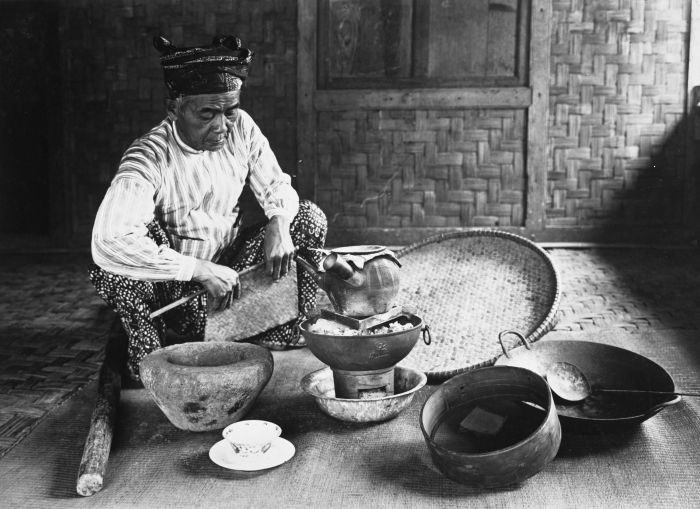 🇮🇩 Indonesia and 2 moreDukun
A traditional healer and spirit medium in Indonesian folk practiceTradition · Healing · Seeing and foretelling Living
🇲🇾 Malaysia and 1 moreBomohبوموه
A Malay shaman and traditional healer who works with spirits, herbs, and geomancy.Tradition · Healing · Seeing and foretelling Living
🇮🇩 Indonesia and 2 moreDukun
A traditional healer and spirit medium in Indonesian folk practiceTradition · Healing · Seeing and foretelling Living
🇲🇾 Malaysia and 1 moreBomohبوموه
A Malay shaman and traditional healer who works with spirits, herbs, and geomancy.Tradition · Healing · Seeing and foretelling Living