![* [Lithograph] J. W. Child. J. Brandard. Printed by M & N Hanhart](https://thumb.wikimedia.org/wikipedia/commons/thumb/3/35/Miss_Emma_Harding_as_Queen_of_the_Wilis%2C_in_the_Phantom_dancers_%28NYPL_b12148613-5376932%29.jpg/1280px-Miss_Emma_Harding_as_Queen_of_the_Wilis%2C_in_the_Phantom_dancers_%28NYPL_b12148613-5376932%29.jpg)
Vila
In its own language: vila (Serbian: вила), víla (Bulgarian: ви́ла)
Disputed origins linked to words meaning wind, chase, or madness
Slavic nature spirits known for healing, storms, and deadly dances
The vila is a class of mythical female beings found across Slavic mythology. They are often depicted as beautiful nymphs or fairies with dominion over nature. Their role varies from benevolent helpers to malevolent spirits who punish humans.
- Beautiful female spirits of nature in Slavic myth
- Can heal or inflict death with arrows
- Dance in circles that trap humans forever
- Milk grants superhuman strength to heroes
- Etymology linked to wind, chase, or madness
What it is
The vila is a mythical humanoid race within Slavic mythology. These entities are typically described as beautiful female spirits associated with nature. They share similarities with nymphs or fairies in other traditions. Their relationship with humans is ambivalent. Some accounts portray them as helpful guides or healers. Others describe them as dangerous beings who inflict sickness or death. They are often linked to specific natural elements like mountains, water, or clouds.
Where it comes from
The term vila appears across various Slavic-speaking regions. Edmund Schneeweis suggested a manistic origin from souls of girls who died prematurely. This parallels the Russian rusalki belief. The oldest attestation comes from 13th-century Bulgarian documents. West Slavic sources sometimes associate the term with madness or sin. East Slavic mentions appear in 14th-century texts alongside pagan gods. The concept may have spread through literary transmission between regions.
How it is done
Folklore describes vilas engaging in round dances such as the kolo or horo. Humans who join these dances may never return home. Offerings of flowers, food, and drink were placed near caves to appease them. Some tales claim they demand human sacrifice, specifically fraternal twins. They are said to build castles at cloud edges. They can transform into animals like swans, wolves, or snakes. Calling their name could cause stiffness and disease.
Tools and materials
Vilas use arrows to confuse men's spirits or inflict harm. They provide magical objects and mounts to heroes. Their milk is believed to grant superhuman strength. Offerings include flowers, food, and drink. They ride deer or stags into battle. Cloud nymphs manifest as whirlwinds. They play pipes and drums while roaming clouds at night.
Vila, drawn and placed
- Living
- Revived
- Fading
- Historical
- Legendary
- Performed
- Lineage
- Slavic mythology
- Timing
- night, moonlit nights
What it is for
Vilas serve multiple roles in folklore. They protect heroes and aid in childbirth. They can curse lovers or punish those who disrespect them. They steal children and replace them with changelings. They destroy crops or petrify husbands. Heroes suckled by vilas gain great power. Girls ask vilas to improve beauty or protect distant lovers. They guide warriors on their paths.
Who does it
Scholars analyze vila beliefs through ethnology and history. Ethnologist Éva Pócs studied the term's legacy in magic. Historical records mention people called vilenjak who received powers from vilas. Folklore features epic heroes bonded to vilas as sworn sisters. No specific priestly class is mentioned, but household appeasement via offerings is noted.
Peoples and places
The concept exists among South, West, and East Slavs. Romanians also have a similar figure called vilă. In Bulgaria, samovila is a common term. Czech tradition views them as malicious forest dwellers. Polish lore links them to sinful women's souls. Slovak folklore sees them as restless brides' souls. Slovene accounts describe wise white ladies helping women.
At a glance: who, where and when
What people believe
Vilas are part of pre-Christian Slavic worldview. They are linked to pagan divinities like Perun. Some believe they are souls refusing Christian burial. They hold dominion over weather and water. They possess supernatural healing arts. They enforce moral codes through punishment. Marriage between humans and vilas is possible but risky.
When it is done
They dance on moonlit nights. They appear during storms or whirlwinds. Offerings are made to appease them generally. Life events like birth and death trigger interactions.
How scholars and sceptics see it
Edmund Schneeweis analyzed the manistic origins. F.S. Copeland documented Slovene benevolent interpretations. Éva Pócs examined the link to fairy magicians. Linguists debate etymologies linking wind, chase, or madness. Niederle sought evidence of early Czech presence. Scholars note variations between regional folklores.
Cautions and what is closed
Joining their dances leads to death or eternal wandering. Calling their name causes disease and stiffness. They steal children and replace them. They inflict sickness with arrows. They destroy crops and petrify men. Men favored by them may face tragic fates. They demand sacrifices in some tales.
Compare and confuse
Vilas are compared to nymphs and fairies. They resemble Russian rusalki in origin stories. Germanic wilis are linked to betrayed brides. Harry Potter veelas are inspired by Slavic legends. Irish fae interpretations influence modern dark counterparts. Valkyries are occasionally compared but lack sufficient grounds.
Questions people ask about Vila
What is a vila?
A vila is a mythical female being from Slavic folklore. They are nature spirits often compared to nymphs or fairies. They can be helpful or harmful depending on the region and story.
Where do vilas come from?
Vilas originate in Slavic mythology across Eastern, Central, and Southern Europe. They appear in Bulgarian, Serbian, Croatian, Polish, and Czech traditions. Some scholars link them to ancestral worship.
Are vilas good or bad?
Their nature is ambivalent. They can heal and help heroes. They also inflict sickness, steal children, and kill those who disturb them. Regional beliefs vary widely on their temperament.
How do you avoid harming yourself around a vila?
Folklore warns against joining their dances. Do not call their names. Leave offerings of food and flowers near caves. Respect their territory to avoid curses or disease.
Good reading and sources
- Vila (fairy) on WikipediaEncyclopedia
- More photos on Wikimedia CommonsPhotos and video
- Wikidata recordOpen data
The facts on this page come from the Wikipedia article "Vila (fairy)", written by its contributors and used under the CC BY-SA 4.0 licence, and from its Wikidata record (CC0). EveryJaadu rewrote the text in its own words, with AI assistance, and compares every page with the article to make sure no passage is copied. It may be reused under the same CC BY-SA 4.0 licence with a link back.
It may contain mistakes. Names and customs differ from one community to the next, and some knowledge is closed to outsiders and left out here. This page describes belief and practice. It does not say that any of it works, it is not a how-to, and it is not medical advice. If something is wrong, tell us. Last refreshed 2026-10-05.
More from Croatia
All the entries from Croatia 🇷🇺 Russia and 3 moreLeshyлеший
A forest spirit from Slavic folklore who guards the woods and misleads travelers.Being · Protection · Cursing and harm Legendary
🇷🇴 Romania and 2 moreStrigoi
A Romanian undead spirit linked to witchcraft and vampirismBeing · Cursing and harm Historical
🇷🇺 Russia and 3 moreLeshyлеший
A forest spirit from Slavic folklore who guards the woods and misleads travelers.Being · Protection · Cursing and harm Legendary
🇷🇴 Romania and 2 moreStrigoi
A Romanian undead spirit linked to witchcraft and vampirismBeing · Cursing and harm Historical
 🇷🇺 Russia and 5 moreBaba YagaБаба Яга
A Slavic witch who lives in a turning hut and flies in a mortarFigure · Cursing and harm · Protection Legendary
🇷🇺 Russia and 5 moreBaba YagaБаба Яга
A Slavic witch who lives in a turning hut and flies in a mortarFigure · Cursing and harm · Protection Legendary
Related elsewhere
All being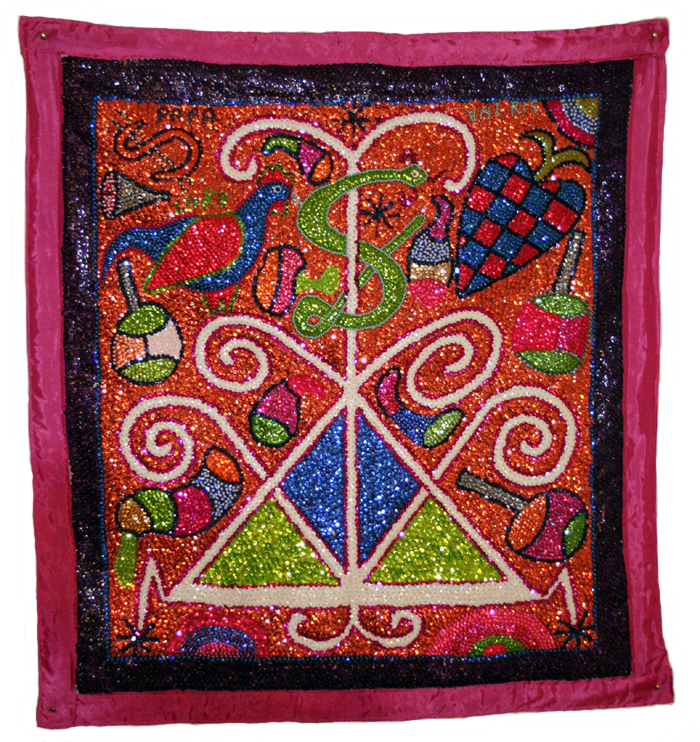 🇭🇹 Haiti and 2 moreHaitian VodouVodou
An Afro-Haitian religion blending West African traditions with Catholicism and FreemasonryTradition · Protection · Healing Living
🇭🇹 Haiti and 2 moreHaitian VodouVodou
An Afro-Haitian religion blending West African traditions with Catholicism and FreemasonryTradition · Protection · Healing Living
 🇨🇬 Republic of the CongoNkisi
Spirit containers and power figures from the Congo Basin used for justice and healingCharm · Protection · Healing Living
🇨🇬 Republic of the CongoNkisi
Spirit containers and power figures from the Congo Basin used for justice and healingCharm · Protection · Healing Living
 🇲🇦 Morocco and 5 moreWild rueاسپند
A desert plant whose seeds hold psychoactive alkaloids and serve as incense in the Middle East.Substance · Protection · Speaking with spirits and the dead Living
🇲🇦 Morocco and 5 moreWild rueاسپند
A desert plant whose seeds hold psychoactive alkaloids and serve as incense in the Middle East.Substance · Protection · Speaking with spirits and the dead Living
 🇮🇳 India and 1 moreNavagrahaनवग्रह
A group of nine celestial deities in Hinduism that govern fate and astrologyTradition · Protection · Luck and prosperity Living
🇮🇳 India and 1 moreNavagrahaनवग्रह
A group of nine celestial deities in Hinduism that govern fate and astrologyTradition · Protection · Luck and prosperity Living