Mongolian death worm
In its own language: олгой-хорхой (olgoi-khorkhoi)
from Mongolian olgoi-khorkhoi, meaning "large intestine-worm"
A legendary desert creature said to kill with venom or electricity
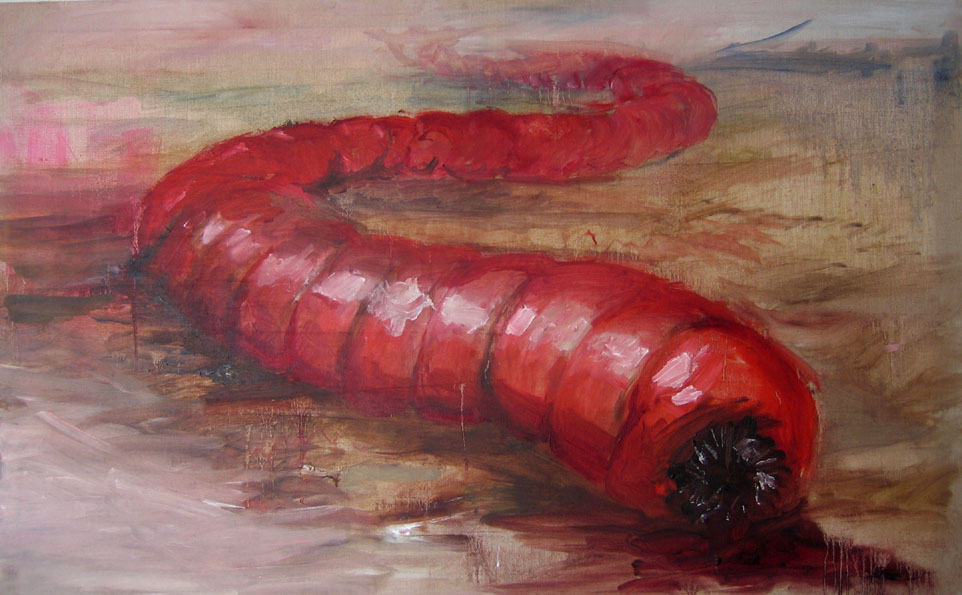
The Mongolian death worm is a cryptid from the Gobi Desert of Mongolia. It is described as a large, legless animal that kills instantly by touch, spray, or electric shock.
- Native name means "large intestine-worm"
- Described as two feet long and legless
- Kills via venom spray or electric shock
- First recorded by Roy Chapman Andrews in 1926
- Expeditions have never found physical evidence
What it is
The Mongolian death worm is a legendary creature said to inhabit the Gobi Desert. Its native name translates to "large intestine-worm." Descriptions vary but often depict it as a sausage-shaped animal about two feet long. It has no head or legs and lives underground. The creature is feared for its lethal abilities. It is believed to cause instant death upon contact. Some accounts say it can attack from a distance using venom or electricity.
Where it comes from
Western interest began with Roy Chapman Andrews in 1926. He recorded tales from Mongolian officials who had never seen the beast. They described it in detail despite lacking direct evidence. Andrews later repeated these descriptions in 1932 without endorsing them. Ivan Mackerle cited older legends in 1987. These stories describe the worm moving underground and creating sand waves. Reports suggest it emerges after rain near water sources.
How it is done
The creature is not practiced but hunted by seekers. Expeditions have used various methods to find it. Ivan Mackerle used a motor-driven thumper and small explosions inspired by fiction. Richard Freeman searched for physical evidence in 2005. Television crews have also conducted searches. No expeditions have found the creature. Sightings are rare and often unverified.
Tools and materials
Seekers have used mechanical devices to lure the worm out. A thumper was constructed to mimic rhythmic movement. Small explosives were used to disturb the sand. Local reports mention the worm's reaction to rain. Water sources are considered key locations. No specific ritual tools are associated with the legend itself.
Mongolian death worm, drawn and placed
- Living
- Revived
- Fading
- Historical
- Legendary
- Performed
What it is for
The worm is viewed as a dangerous entity. It is feared for its ability to kill humans. Locals believe it inhabits desolate sandy regions. It is said to live in the western or southern Gobi. The fear of the creature shapes local caution. It serves as a warning about the harsh desert environment.
Who does it
No specific practitioners perform rituals involving the worm. It is a subject of curiosity for explorers and journalists. Paleontologists and zoologists have investigated the claims. Scientists view the tales as apocryphal. Sightings are often attributed to known animals like worm lizards.
Peoples and places
The legend originates among Mongolian people. Officials in the 1920s shared these stories. Modern interest comes from international researchers. Writers and filmmakers have adapted the myth. The creature appears in global popular culture. It influences fiction about desert monsters worldwide.
At a glance: who, where and when
Peoples

What people believe
Believers hold that the worm possesses deadly powers. Venom spray and electric discharge are common claims. The creature is said to burrow beneath the sand. It creates visible waves on the surface. Death is instantaneous upon touching the animal. Skeptics attribute sightings to misidentified species.
When it is done
Sightings are not tied to specific festivals. Reports peak during certain periods. One source notes increased sightings in the 1950s. The worm may emerge after rainfall events. Rain triggers activity near water sources. No seasonal calendar governs the legend.
How scholars and sceptics see it
Scientists consider the death worm a cryptid. Richard Freeman concluded the tales were false. He suggested sightings involved worm lizards. Ivan Yefremov wrote a story based on the legend. He noted locals claimed no one had seen it. Anthropologists view it as a cultural myth rather than a biological reality.
Cautions and what is closed
The legend warns of a lethal desert hazard. Touching the creature is said to cause immediate death. This fear discourages travel in remote areas. No actual attacks have been documented. The danger is purely mythical. Explorers face real risks from the desert environment.
Compare and confuse
The worm is compared to fictional sandworms. Frank Herbert's Dune series influenced search methods. Graboids in the Tremors franchise share traits. Both are giant desert worms. The Mongolian legend predates modern fiction. Cultural exchange has blurred fact and fantasy.
Questions people ask about Mongolian death worm
What is the Mongolian death worm?
It is a legendary creature from the Gobi Desert. Locals call it olgoi-khorkhoi. It is described as a large, legless worm. It is feared for its lethal abilities.
Where does the worm live?
It is said to inhabit the Gobi Desert. Specifically, the western and southern regions. It burrows underground in sandy areas. It may appear near water after rain.
How does it kill?
Tales say it kills instantly upon touch. It may spray venom at prey. Some accounts claim electric discharge. These powers are part of the legend.
Has anyone ever seen it?
No verified sighting exists. Officials in 1926 believed in it but had not seen it. Expeditions have found nothing. Sightings are likely misidentifications.
Good reading and sources
- Mongolian death worm on WikipediaEncyclopedia
- More photos on Wikimedia CommonsPhotos and video
- Wikidata recordOpen data
The facts on this page come from the Wikipedia article "Mongolian death worm", written by its contributors and used under the CC BY-SA 4.0 licence, and from its Wikidata record (CC0). EveryJaadu rewrote the text in its own words, with AI assistance, and compares every page with the article to make sure no passage is copied. It may be reused under the same CC BY-SA 4.0 licence with a link back.
It may contain mistakes. Names and customs differ from one community to the next, and some knowledge is closed to outsiders and left out here. This page describes belief and practice. It does not say that any of it works, it is not a how-to, and it is not medical advice. If something is wrong, tell us. Last refreshed 2026-10-06.
More from Mongolia
All the entries from Mongolia 🇲🇳 Mongolia and 2 moreWind Horseརླུང་རྟ་
An East and Central Asian symbol of the soul, luck, and vital energyBeing · Luck and prosperity · Protection Living
🇲🇳 Mongolia and 2 moreWind Horseརླུང་རྟ་
An East and Central Asian symbol of the soul, luck, and vital energyBeing · Luck and prosperity · Protection Living
 🇷🇺 Russia and 3 moreSiberian shamanism
The spirit-journey practices of North Asian peoples and their linguistic relativesTradition · Healing · Speaking with spirits and the dead Fading
🇷🇺 Russia and 3 moreSiberian shamanism
The spirit-journey practices of North Asian peoples and their linguistic relativesTradition · Healing · Speaking with spirits and the dead Fading
 🇲🇳 Mongolia and 1 moreOvooовоо
A stone or branch cairn used as a shrine and boundary marker in Mongolic folk practice.Tradition · Protection · Speaking with spirits and the dead Living
🇲🇳 Mongolia and 1 moreOvooовоо
A stone or branch cairn used as a shrine and boundary marker in Mongolic folk practice.Tradition · Protection · Speaking with spirits and the dead Living
 🇲🇳 Mongolia and 2 moreMongolian shamanismBöö mörgöl
The animistic and shamanic ethnic religion of the Mongol peoples, centered on sky worship and ancestral spirits.Tradition · Protection · Healing Living
🇲🇳 Mongolia and 2 moreMongolian shamanismBöö mörgöl
The animistic and shamanic ethnic religion of the Mongol peoples, centered on sky worship and ancestral spirits.Tradition · Protection · Healing Living
Related elsewhere
All being 🇷🇸 Serbia and 5 moreVampire
An undead creature from folklore that feeds on the blood or life force of the livingBeing · Cursing and harm · Luck and prosperity Legendary
🇷🇸 Serbia and 5 moreVampire
An undead creature from folklore that feeds on the blood or life force of the livingBeing · Cursing and harm · Luck and prosperity Legendary
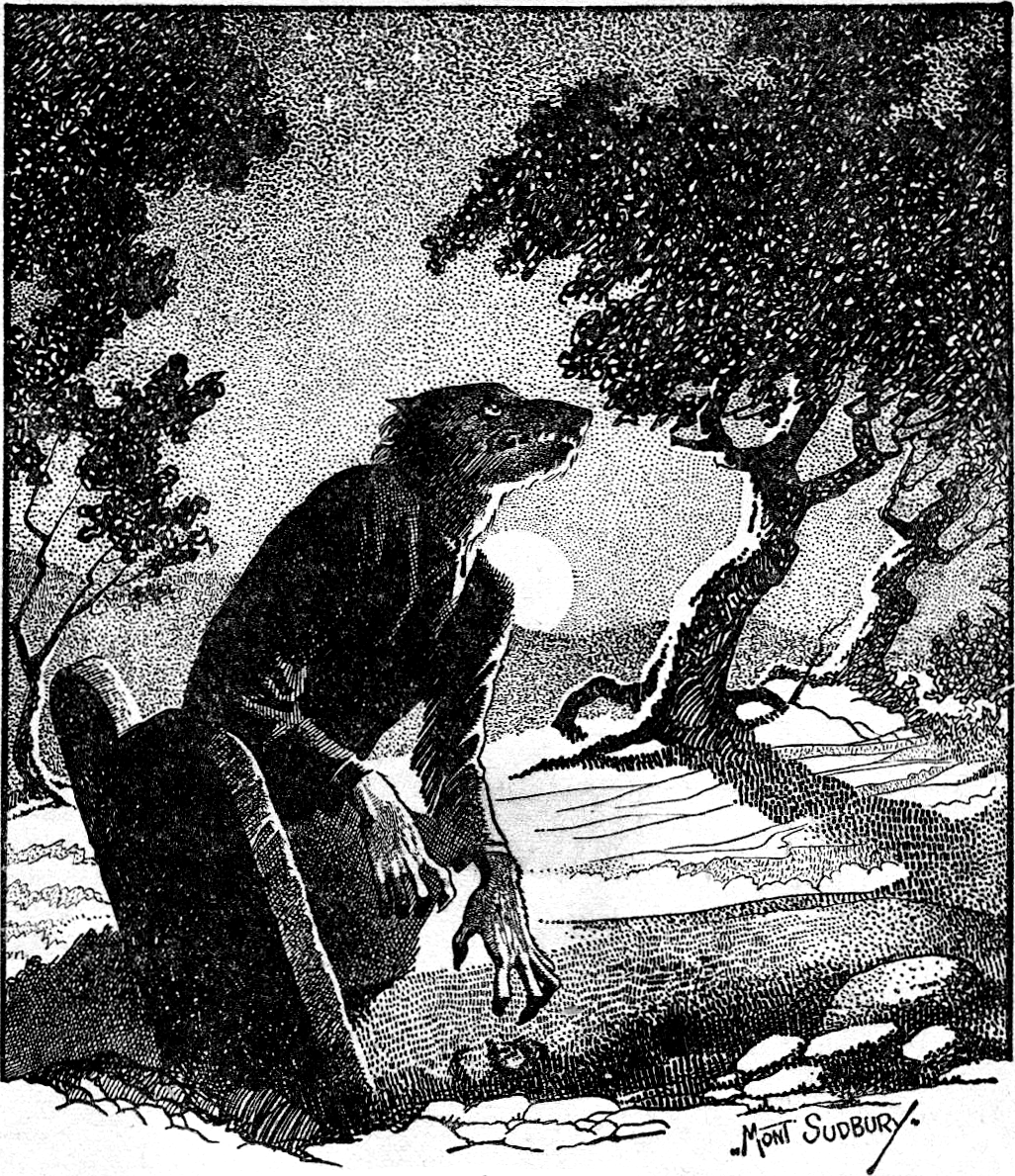 🇫🇷 France and 5 moreWerewolf
A mythical shapeshifter that turns into a wolf, central to European witch-hunts and Gothic horror.Being · Cursing and harm · Wonder and entertainment Legendary
🇫🇷 France and 5 moreWerewolf
A mythical shapeshifter that turns into a wolf, central to European witch-hunts and Gothic horror.Being · Cursing and harm · Wonder and entertainment Legendary
 🇪🇬 Egypt and 1 moreLilithלִילִית
A feminine figure from Mesopotamian and Jewish mythology, often depicted as a night demon or spirit.Being · Cursing and harm Legendary
🇪🇬 Egypt and 1 moreLilithלִילִית
A feminine figure from Mesopotamian and Jewish mythology, often depicted as a night demon or spirit.Being · Cursing and harm Legendary
 🇪🇬 EgyptCurse
A spoken wish for misfortune to befall a person or placeBelief · Cursing and harm · Luck and prosperity Historical
🇪🇬 EgyptCurse
A spoken wish for misfortune to befall a person or placeBelief · Cursing and harm · Luck and prosperity Historical