Soucouyant
possibly from French loup-garou, meaning werewolf
A shape-shifting vampire spirit of Caribbean folklore that sheds its skin to fly as a fireball
The soucouyant is a blood-sucking hag found in the folklore of the Caribbean and parts of South America. By day it appears as an old person, but at night it strips off its skin to become a flying ball of fire that drains victims.
- Sheds skin to become a flying fireball
- Drinks blood from sleeping victims
- Known as Ol' Higue in Guyana
- Name may come from French loup-garou
- Rice traps reveal the hidden spirit
What it is
The soucouyant is a supernatural entity described in Caribbean and South American folklore. It is classified as a type of jumbie, or spirit. The creature is known for its ability to change form. During daylight hours, it hides as a reclusive elderly woman or man. At night, it reveals its true nature by removing its wrinkled skin. This skin is placed in a mortar while the spirit transforms into a glowing ball of fire. The fireball flies through the sky to hunt for people. It can enter homes through tiny openings like cracks or keyholes. Once inside, it seeks out sleeping victims to drink their blood. The act leaves dark bruises on the body. If the victim survives, they may be left weak. If the spirit takes too much blood, the victim might die.
Where it comes from
Beliefs about these spirits likely arrived in the region through cultural mixing. Some scholars suggest they stem from European vampire myths brought by French colonists. These stories merged with traditions held by enslaved Africans. In places like Guadeloupe, Martinique, and Suriname, similar figures are called Soukougnan. They share traits with the Yoruba concept of Aje, which describes witches who transform. The name Loogaroo is also used in some areas. This term may derive from the French word for werewolf. However, in Haiti, werewolves are known by a different name. Over time, the description of the soucouyant has shifted. It is no longer strictly defined as an old woman.
How it is done
To catch the spirit, people use specific tricks. One common method involves scattering rice around a house or at a crossroads. The soucouyant is compelled to gather every single grain. This slow task prevents it from escaping. Another way to defeat the creature is to place coarse salt in the mortar where its skin rests. The salt destroys the skin, trapping the spirit without a body. Without its skin, the soucouyant cannot survive. The removed skin itself is sometimes kept for use in black magic rituals. Practitioners believe the skin holds power.
Tools and materials
The primary tool associated with the soucouyant is a mortar. This vessel holds the shed skin during the day. Rice is used as a trap to delay the spirit. Coarse salt is used to destroy the skin and kill the entity. The silk cotton tree is mentioned as a place where the spirit trades blood for evil powers with a demon named Bazil. These items are central to the lore surrounding how to handle or stop the creature.
Soucouyant, drawn and placed
- Living
- Revived
- Fading
- Historical
- Legendary
- Performed
- Lineage
- jumbies
- Timing
- at night
What it is for
The soucouyant exists primarily to feed on human life force. It seeks out individuals to drain their blood. This act is driven by a need for sustenance and power. The spirit gains strength from the blood it consumes. In some versions, it exchanges this blood with a demon. The purpose is not healing or protection. It is a harmful force feared by communities. Victims often wake up with unexplained marks. The belief serves to explain sudden illnesses or deaths in the past.
Who does it
No specific group practices the soucouyant as a religion. It is a figure of fear and folklore. Scholars study the tales to understand cultural history. Writers and artists create plays based on the character. In places like Trinidad and Grenada, theatrical performances feature the soucouyant. These acts entertain audiences rather than invoke the spirit. Researchers look at how the story changed over time. They note parallels with African witch beliefs. The focus is on the narrative role of the hag in society.
Peoples and places
The legend is widespread across the Caribbean and parts of South America. It is known in Trinidad, Guyana, and Suriname. In Guyana and Jamaica, it is often called Ol' Higue. In Suriname, the name Asema is used. People in the Bahamas and Barbados refer to it as Hag. Saint Lucia and Grenada keep the name Soucouyant or Soukouyan. The story varies slightly by location. In some areas, the spirit can be male. In others, it is strictly female. The Bahamian version was recorded by early ethnographers. These accounts show similarities to Yoruba witch beliefs.
At a glance: who, where and when
Who does it
Belief worlds
What people believe
The soucouyant belongs to a class of spirits called jumbies. These entities are part of a broader folk belief system. The spirit is linked to black magic and demonic pacts. It trades blood with a demon named Bazil in a silk cotton tree. This connection explains its evil nature. The belief reflects fears of hidden dangers in the home. The ability to shed skin suggests a loss of identity. The transformation into fire represents a dangerous, uncontrollable force. Communities use these stories to explain misfortune. The tales warn against trusting strangers or ignoring signs.
When it is done
The soucouyant is active at night. There are no specific festivals dedicated to it. The creature hunts whenever it finds an opportunity. Some stories mention it appearing during crises or journeys. The timing is tied to darkness and sleep. People are vulnerable when they rest. The rituals to catch it can be done at any time if suspicion arises. The rice trap does not require a special date. It is a practical response to fear.
How scholars and sceptics see it
Anthropologists view the soucouyant as a product of cultural fusion. They see links between European vampire myths and African witchcraft. The Yoruba concept of Aje is a key comparison. Both involve women who leave their bodies to harm others. However, the soucouyant sheds skin rather than turning into an animal. Scholars note that the Bahamian Hag shares traits with both. Early writers like Alfred Burdon Ellis made these connections. Modern researchers study how the story evolved. They track changes in gender and form. The focus is on how migration shaped the legend.
Cautions and what is closed
The soucouyant is a fictional creature. No real danger exists from such beings. However, the belief has caused social tension in the past. Accusations of witchcraft have led to violence in some regions. People might blame neighbors for strange illnesses. This can result in harassment or exile. There are no health risks from the spirit itself. The tales serve as cautionary stories. They warn about greed and isolation. The fear of the unknown drives the narrative.
Compare and confuse
The soucouyant is similar to other vampire-like figures. The Adze in West Africa turns into a firefly. The Manananggal in the Philippines detaches its upper body. The Boo Hag in North America is a shape-shifter. All these stories involve blood-drinking or skin-shedding. The name Loogaroo is confused with the Rougarou. The Rougarou is a werewolf figure. The soucouyant is distinct because it becomes a fireball. The regional names reflect local variations of the same core idea.
Questions people ask about Soucouyant
What is a soucouyant?
It is a shape-shifting hag from Caribbean folklore. By day it looks like an old person. At night it sheds its skin to fly as a fireball and drink blood.
Where does the story come from?
The legend comes from the Caribbean and parts of South America. It likely mixes European vampire myths with African witch beliefs. Different islands have their own names for the spirit.
How do you catch one?
People scatter rice around their home. The spirit must pick up every grain. This slows it down so it can be seen. Salt in its mortar can also destroy it.
Is it always a woman?
Traditionally it is an old woman. But modern stories say it can be a man too. Some versions call it a Hag or Ol' Higue regardless of gender.
Good reading and sources
The facts on this page come from the Wikipedia article "Soucouyant", written by its contributors and used under the CC BY-SA 4.0 licence, and from its Wikidata record (CC0). EveryJaadu rewrote the text in its own words, with AI assistance, and compares every page with the article to make sure no passage is copied. It may be reused under the same CC BY-SA 4.0 licence with a link back.
It may contain mistakes. Names and customs differ from one community to the next, and some knowledge is closed to outsiders and left out here. This page describes belief and practice. It does not say that any of it works, it is not a how-to, and it is not medical advice. If something is wrong, tell us. Last refreshed 2026-10-06.
More from Trinidad and Tobago
All the entries from Trinidad and Tobago 🇹🇹 Trinidad and Tobago and 5 moreSpiritual Baptist
An Afro-Caribbean Christian faith blending African traditions with Baptist worshipTradition · Speaking with spirits and the dead · Protection Living
🇹🇹 Trinidad and Tobago and 5 moreSpiritual Baptist
An Afro-Caribbean Christian faith blending African traditions with Baptist worshipTradition · Speaking with spirits and the dead · Protection Living
 🇯🇲 Jamaica and 5 moreObeah
A Caribbean tradition of ritual healing and spell-casting with African rootsTradition · Protection · Healing Living
🇯🇲 Jamaica and 5 moreObeah
A Caribbean tradition of ritual healing and spell-casting with African rootsTradition · Protection · Healing Living
 🇹🇹 Trinidad and Tobago and 3 moreCaribbean folklore
The blended tales and spirits of the Caribbean islandsTradition · Wonder and entertainment Living
🇹🇹 Trinidad and Tobago and 3 moreCaribbean folklore
The blended tales and spirits of the Caribbean islandsTradition · Wonder and entertainment Living
 🇹🇹 Trinidad and Tobago and 4 moreTrinidad Orisha
A syncretic Afro-Caribbean faith blending Yoruba spirit work with Christian and other traditions in Trinidad.Tradition · Speaking with spirits and the dead · Healing Living
🇹🇹 Trinidad and Tobago and 4 moreTrinidad Orisha
A syncretic Afro-Caribbean faith blending Yoruba spirit work with Christian and other traditions in Trinidad.Tradition · Speaking with spirits and the dead · Healing Living
Related elsewhere
All being 🇷🇸 Serbia and 5 moreVampire
An undead creature from folklore that feeds on the blood or life force of the livingBeing · Cursing and harm · Luck and prosperity Legendary
🇷🇸 Serbia and 5 moreVampire
An undead creature from folklore that feeds on the blood or life force of the livingBeing · Cursing and harm · Luck and prosperity Legendary
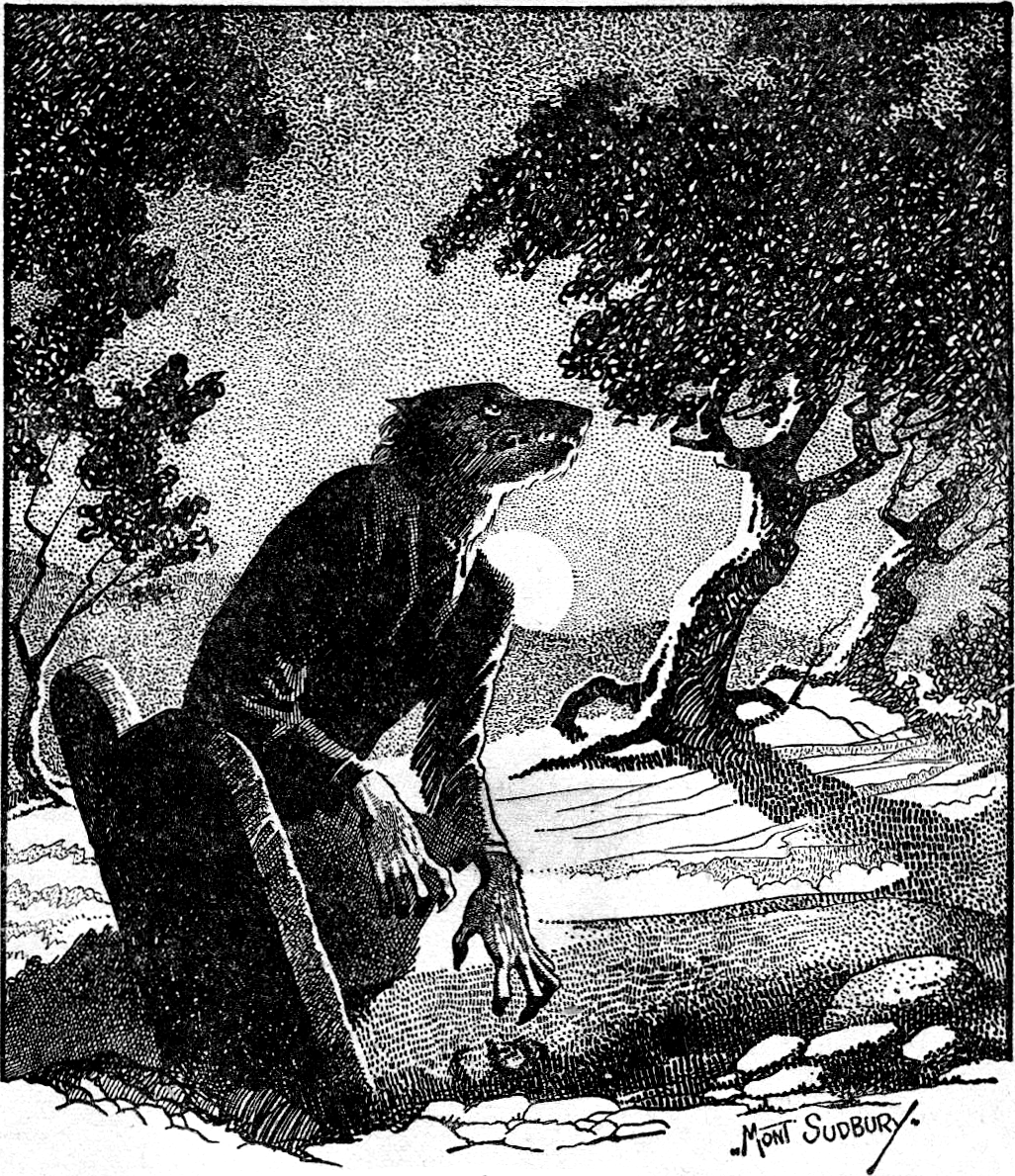 🇫🇷 France and 5 moreWerewolf
A mythical shapeshifter that turns into a wolf, central to European witch-hunts and Gothic horror.Being · Cursing and harm · Wonder and entertainment Legendary
🇫🇷 France and 5 moreWerewolf
A mythical shapeshifter that turns into a wolf, central to European witch-hunts and Gothic horror.Being · Cursing and harm · Wonder and entertainment Legendary
 🇪🇬 Egypt and 1 moreLilithלִילִית
A feminine figure from Mesopotamian and Jewish mythology, often depicted as a night demon or spirit.Being · Cursing and harm Legendary
🇪🇬 Egypt and 1 moreLilithלִילִית
A feminine figure from Mesopotamian and Jewish mythology, often depicted as a night demon or spirit.Being · Cursing and harm Legendary
 🇪🇬 EgyptCurse
A spoken wish for misfortune to befall a person or placeBelief · Cursing and harm · Luck and prosperity Historical
🇪🇬 EgyptCurse
A spoken wish for misfortune to befall a person or placeBelief · Cursing and harm · Luck and prosperity Historical