🇮🇹 Magic in Italy
157 entries from Italy, best known first, across 80 places of magic.
Italian magic blends ancient pagan roots with Catholic ritual, creating a unique landscape of folk healing and protective charms. Practices like Segnature coexist alongside regional spirits and seasonal festivals that mark the passage of time.
- Segnature uses ritual gestures and prayers to heal illness and remove curses
- The Befana delivers gifts on Epiphany Eve, blending pagan and Christian traditions
- Sardinian Janas lived in rock-cut tombs known as Domus de Janas
- Krampus acts as an anti-Saint Nicholas in Alpine Christmas folklore
- Witches like the Janare were persecuted in Valcamonica during the 16th century
Overview
The magical traditions of Italy rest on a deep layer of pre-Christian beliefs that merged with Christian practices over centuries. This fusion created a distinct cultural fabric where saints and ancient spirits share the same space. The country’s varied geography fostered diverse local customs, from Alpine nymphs to Sardinian fairies. These beliefs often served practical purposes, offering protection against illness or misfortune in daily life. Neighboring regions influenced these traditions, yet each area maintained its own specific characters and rituals.
Practices and beliefs
A key practice is Segnature, a form of folk healing using ritual gestures and prayers to cure illness or remove curses. Practitioners trace crosses on patients while reciting secret words passed down through families. This method blends Catholic symbols with older shamanic techniques. Other common practices involve charms against the evil eye and rituals to influence weather. Divination and protective amulets are also widespread, reflecting a belief in unseen forces affecting health and fortune.
Rites and charms
Rites often center on life events and seasonal changes. The Befana delivers gifts on Epiphany Eve, linking ancient figures to Christian holidays. Carnival celebrations feature characters like Bombasìn, representing wild human nature. Healing ceremonies involve specific movements and spoken invocations to restore balance. Protective rites include sweeping homes or placing salt at doors to ward off negative energy. These customs reinforce community bonds and provide structure to the annual cycle.
Who practises
Healers known as Segnatori or Segnatrici perform rituals using inherited knowledge. They are respected for their ability to heal and protect communities from harm. Witches appear in various regional forms, such as the Janare in Benevento or the Masca in Piedmont. Some are viewed as malevolent, while others are seen as ambiguous figures. Diviners and mediums interpret signs to guide people through uncertainty. These roles are typically filled by individuals chosen by lineage or local recognition rather than formal training.
Regions and communities
Magic varies significantly across Italy’s regions. Sardinia features unique beings like the Janas and Cogas, tied to ancient tombs and wells. The Alpine north includes aquatic nymphs called Anguana and demons like Krampus. Southern areas have strong traditions of house spirits and witches like the Maciara. Urban centers blend old folklore with modern legends. Each region preserves its own set of characters, reflecting local history and environment.
The calendar
Festivals mark the calendar with magical significance. Epiphany involves gift-giving by the Befana, connecting winter solstice traditions to Christian celebration. Carnival features masks and monsters that release social tensions. Summer afternoons invoke creatures like Sa Mama 'e su Sole to manage heat and sleep. Life events like births and deaths trigger specific rituals to ensure safety and honor ancestors. These dates anchor magical practices in the rhythm of the year.
Law and the state
Historical persecution occurred during witch hunts, particularly in Valcamonica in the sixteenth century. Modern legal status varies, with some practices recognized as cultural heritage while others face skepticism. Authorities generally tolerate folk healing unless it causes harm. Churches may view certain rituals with suspicion but often integrate them into local culture. There is no unified national law governing all folk beliefs, allowing regional autonomy.
Today
Folklore remains vibrant through tourism and cultural revival. Festivals attract visitors interested in traditional costumes and stories. Urban legends continue to evolve, reflecting contemporary anxieties. Migration has spread Italian magical concepts globally, adapting them to new contexts. Commercialization sometimes simplifies complex traditions, but communities work to preserve authentic practices. Younger generations engage with these beliefs through media and education.
The facts in this overview come from the Wikipedia article "Folklore of Italy", written by its contributors and used under the CC BY-SA 4.0 licence. EveryJaadu rewrote the text in its own words, with AI assistance, and compares every page with the article to make sure no passage is copied. It may be reused under the same CC BY-SA 4.0 licence with a link back.
Places of magic in Italy
 🇺🇸 United States and 5 moreFriday the 13th
A Western superstition that a specific calendar combination brings misfortuneBelief · Cursing and harm Living
 🇮🇹 Italy and 5 morePrecious coral
A marine skeleton harvested for jewelry and worn as a protective charm in several culturesSubstance · Protection · Healing Living
 🇬🇷 Greece and 5 moreBay Laurelδάφνη
An aromatic Mediterranean plant used in cooking and as a symbol of victory and purification.Substance · Protection · Cleansing and purification Living
 🇮🇪 Ireland and 5 moreBonfire
A large outdoor fire used in seasonal festivals and religious feasts across many culturesRite · Cleansing and purification · Speaking with spirits and the dead Living
 🇩🇪 Germany and 5 moreMaypoleMaibaum
A tall wooden pole raised for European spring festivals, accompanied by dance and celebration.Tradition · Luck and prosperity · Love and attraction Living
 🇮🇹 Italy and 3 moreEusapia Palladino
An Italian medium whose séances were investigated by leading scientists and magicians in the late nineteenth century.Illusion · Wonder and entertainment · Speaking with spirits and the dead Historical
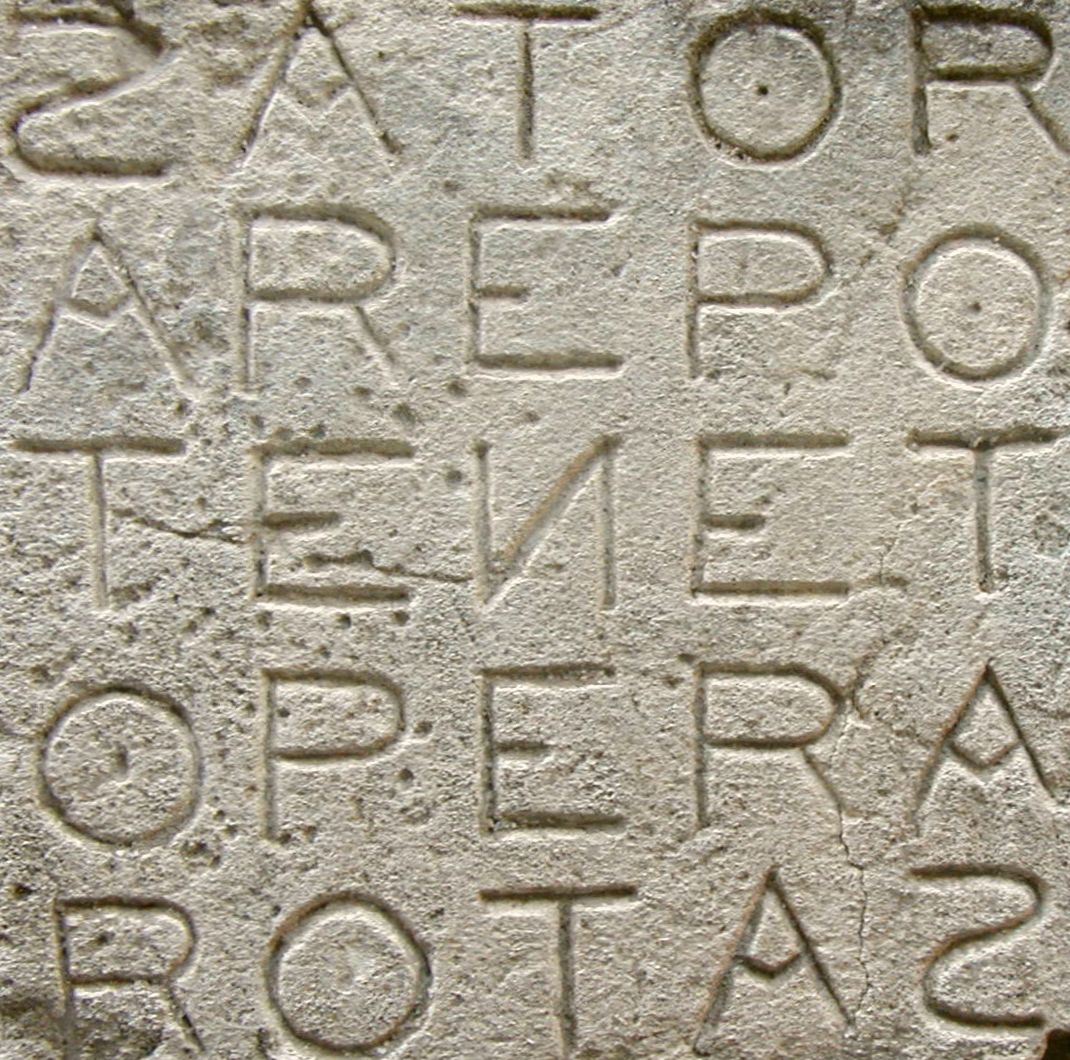 🇮🇹 Italy and 5 moreSator Square
A five-word Latin palindrome found in Roman ruins and medieval churchesCharm · Protection · Healing Historical
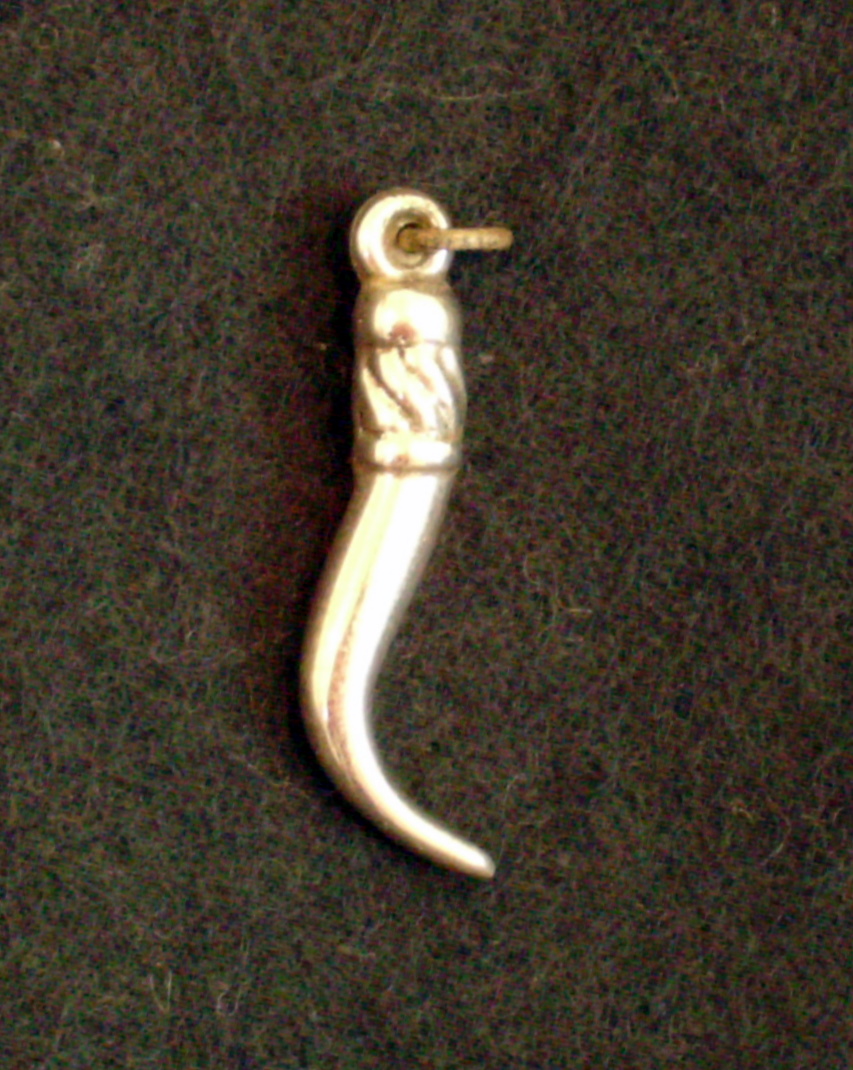 🇮🇹 ItalyCornicello
A twisted horn charm worn in Italy to ward off the evil eye and invite luck.Charm · Protection · Luck and prosperity Living
🇮🇹 Italy and 1 moreAradia
A figure of Italian folklore and modern pagan witchcraft, seen as a teacher of magic and liberation.Figure · Cursing and harm · Power and authority Revived
 🇮🇹 Italy and 5 moreBogeyman
A mythical creature used across cultures to frighten children into obedienceFigure · Cursing and harm Living
 🇮🇹 Italy and 2 moreAugury
A Roman rite of reading bird behavior to learn the will of the godsRite · Power and authority · Seeing and foretelling Historical
 🇮🇹 Italy and 3 moreSaturnalia
An ancient Roman winter festival of role reversal and feasting in honor of SaturnTradition · Luck and prosperity · Wonder and entertainment Historical
 🇮🇹 Italy and 2 moreHaruspex
A diviner who read the will of gods by inspecting animal entrailsFigure · Seeing and foretelling · Speaking with spirits and the dead Historical
 🇮🇹 Italy and 5 moreFig sign
A hand gesture used to ward off the evil eye or as an insult in many culturesBelief · Protection · Cursing and harm Living
 🇮🇹 ItalyBefana
An Italian witch-like figure who delivers gifts on Epiphany EveFigure · Luck and prosperity · Wonder and entertainment Living
 🇩🇪 Germany and 5 moreWild Hunt
A spectral chase across Europe led by a mythic figure and ghostly riders.Belief · Cursing and harm Historical
 🇫🇷 France and 5 moreYule log
A large wooden log burned in the hearth during winter festivals across Europe and North America.Tradition · Protection · Luck and prosperity Living
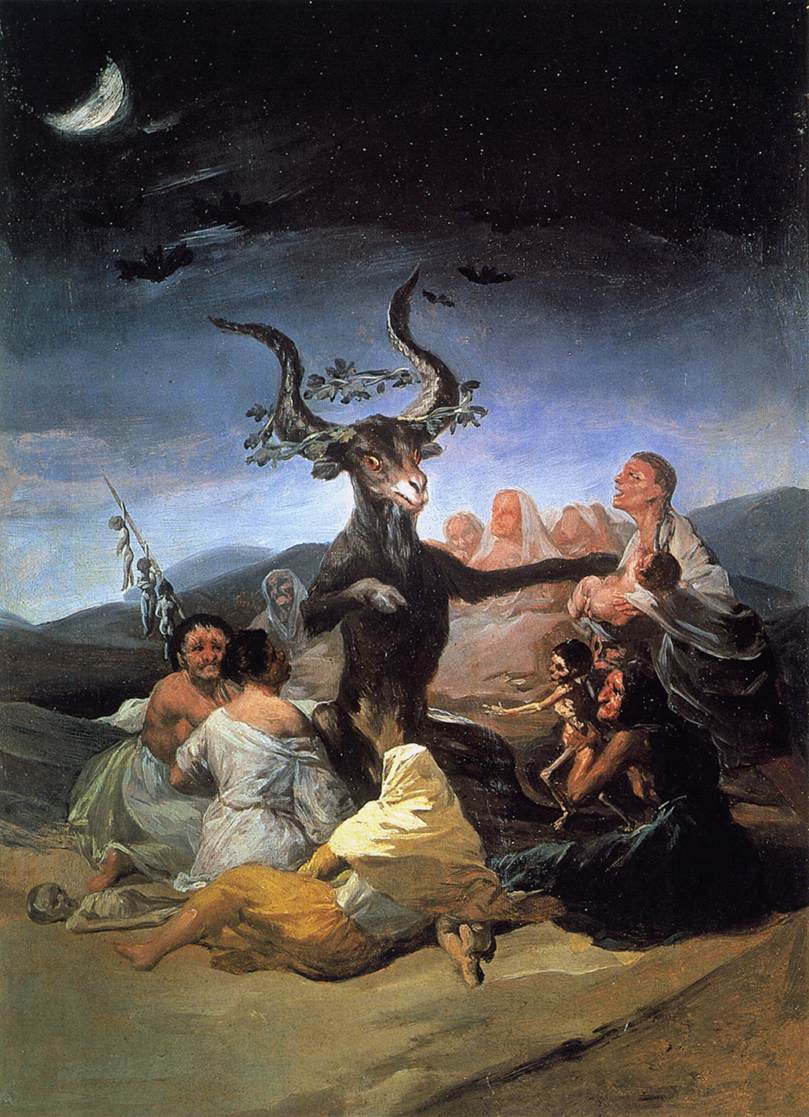 🇫🇷 France and 3 moreWitches' Sabbath
A legendary gathering of witches described in early modern trial records and folkloreBelief · Cursing and harm Historical
 🇮🇹 ItalyWitches of Benevento
A medieval Italian legend of witches gathering under a walnut treeBelief · Cursing and harm · Luck and prosperity Historical
 🇻🇳 Vietnam and 4 moreLên đồng
A Vietnamese ritual where mediums enter trance to channel spiritsRite · Speaking with spirits and the dead · Protection Living
 🇲🇽 Mexico and 5 moreFolk Catholicism
Local religious customs that blend official Church teaching with indigenous or regional traditions.Tradition · Protection · Healing Living
 🇮🇹 Italy and 2 moreBulla
A round Roman amulet given to freeborn boys as a mark of status and protectionCharm · Protection · Luck and prosperity Historical
 🇷🇸 Serbia and 5 moreZduhaćздухаћ
A South Slavic belief in men who fight storms and hail to protect their cropsBeing · Protection · Cursing and harm Historical
 🇮🇹 ItalyBadaliscBadalisch
A mythical goat-headed creature from the Italian Alps, captured and mocked during Epiphany celebrations.Being · Cursing and harm · Wonder and entertainment Living
 🇮🇹 Italy and 5 moreEuropean witchcraft
Historical beliefs in harmful magic and the resulting trials across EuropeBelief · Cursing and harm · Protection Historical
🇮🇪 Ireland and 5 moreSeventh son of a seventh son
A folklore belief that birth order grants supernatural healing or cursed powersBelief · Healing · Cursing and harm Historical
 🇮🇹 Italy and 2 moreTarocco Bolognese
A 62-card Italian tarot deck from Bologna used for games and cartomancyText · Wonder and entertainment · Seeing and foretelling Living
🇺🇸 United States and 5 moreFriday the 13th
A Western superstition marking a specific calendar date as unluckyBelief · Cursing and harm Living
🇦🇺 Australia and 2 moreTheatrical superstitions
Beliefs and rituals among actors to avoid bad luck and ward off spiritsBelief · Protection · Luck and prosperity Living
🇮🇹 ItalySmorfia
A Neapolitan dream book that turns visions into lottery numbersOracle · Luck and prosperity Living
🇮🇹 Italy and 2 moreHaruspicy
Reading animal entrails to discern divine will and omensRite · Seeing and foretelling · Speaking with spirits and the dead Historical
🇺🇸 United States and 5 moreFriday the 13th
A Western superstition that a specific calendar alignment brings misfortuneBelief · Cursing and harm Living
🇮🇹 Italy and 1 moreShamanism in Europe
Scholarly theories on shamanic elements in European folk beliefs and witch trialsTradition · Protection · Cursing and harm Historical
 🇷🇴 Romania and 2 moreStrixστρίξ
A classical bird of ill omen that evolved into a term for witches and vampires across Europe.Being · Cursing and harm · Luck and prosperity Historical
 🇮🇪 Ireland and 4 moreFairy Queen
A female ruler of fairies found in folklore, literature, and witchcraft trials across Europe.Figure · Power and authority Historical
🇮🇹 Italy and 1 moreCola Pesce
An Italian merman legend about a boy cursed by his mother to live in the seaFigure · Cursing and harm · Seeing and foretelling Historical
 🇮🇹 ItalyAnguane
Cloven-footed water nymphs from Northern Italian folklore who nurse infants with their backs.Being · Love and attraction · Healing Legendary
🇮🇹 ItalyMonacielloMunaciello
A Neapolitan sprite linked to the city's underground waterways and hidden wealth.Figure · Luck and prosperity · Cursing and harm Legendary
🇮🇹 ItalySquasc
A small, tawny creature from Eastern Lombardy folklore that frightens children and plays jokes on young girlsBeing · Cursing and harm · Wonder and entertainment Legendary
 🇮🇹 ItalyScrofa semilanuta
A legendary sow seen in a dream that became the ancient emblem of Milan.Figure · Wonder and entertainment · Seeing and foretelling Historical
 🇸🇪 Sweden and 4 moreSun cross
A cross inside a circle found in prehistoric art and modern political symbolsBelief · Power and authority Historical
 🇮🇹 ItalyŚuri𐌑𐌖𐌛 (Etruscan)
An ancient Etruscan deity of volcanic fire, the underworld, and healingBeing · Protection · Healing Historical
 🇮🇹 Italy and 2 moreWheel of Fortune
A medieval allegory of fate's unpredictable turns and the fall of kingsBelief · Cursing and harm · Luck and prosperity Historical
 🇬🇧 United Kingdom and 1 moreWitch's ladder
A knotted cord or braided string used to bind spells or cursesCharm · Cursing and harm · Power and authority Revived
 🇬🇧 United Kingdom and 1 moreWitchwiċċe
The English word for a magic-worker, from Old English wiċċe to WiccaFigure · Cursing and harm · Seeing and foretelling Living
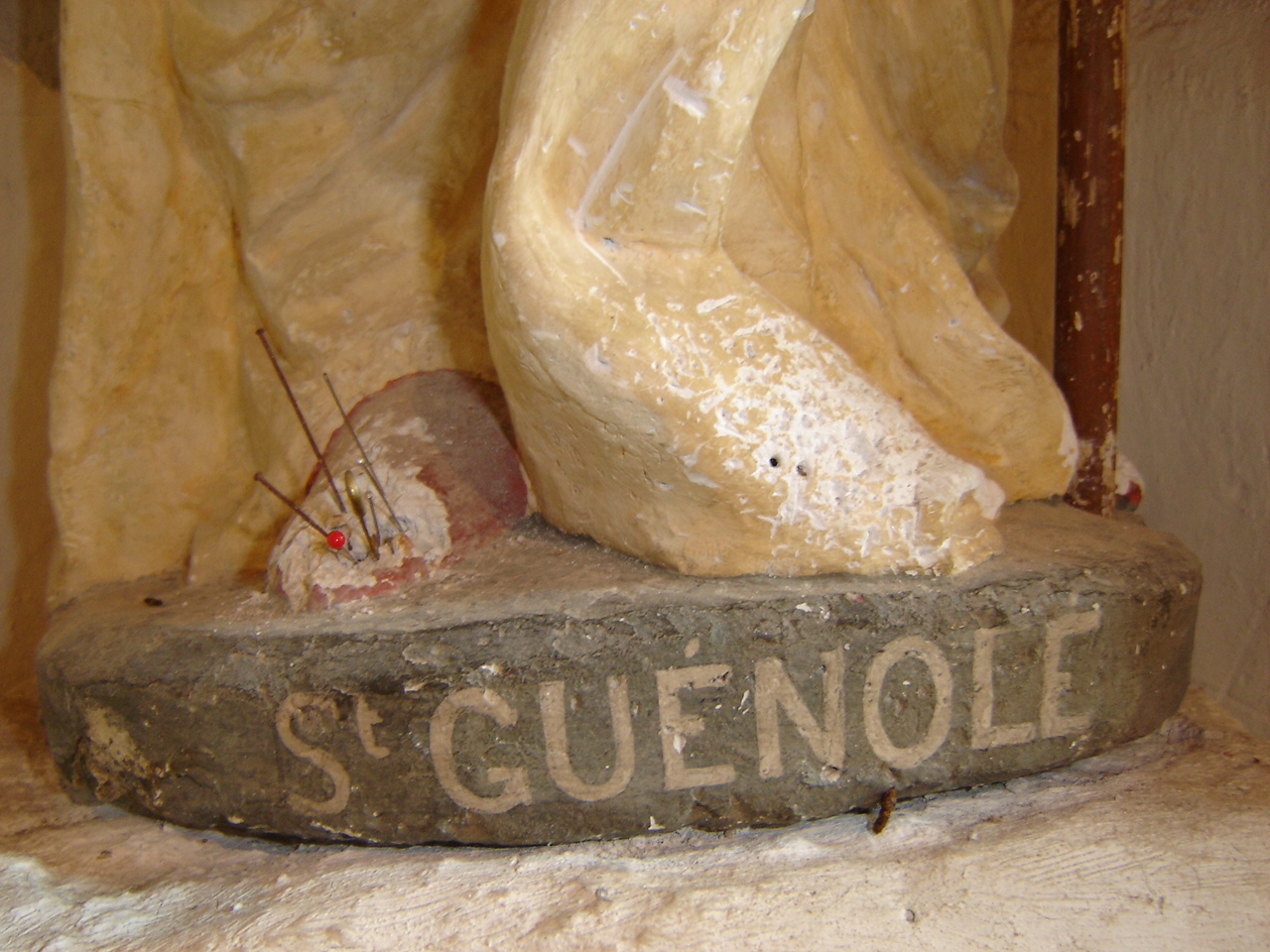 🇮🇹 Italy and 2 morePhallic saint
Saints and local gods called on for fertility, shown with a penisBelief · Love and attraction Historical
🇮🇹 ItalyWitchcraft in Italy
Inquisition trials, a fertility cult and love magic in early modern ItalyTradition · Protection · Healing Living
🇮🇹 ItalyDoñas de fuera
Sicilian fairies said to carry chosen women by night to a field at BeneventoBeing · Speaking with spirits and the dead · Luck and prosperity Historical
Photo credits on this page
The small pictures above come from Wikimedia Commons under free licences. Some are cropped to fit.
- Augur: Unknown author, Public domain, source
- Rada lwa: Calvin Hennick, for WBUR Boston, CC BY 3.0, source
- Maypole: Uploaded by Mikael Häggström, CC0, source
- Friday the 13th: Leonardo da Vinci, Public domain, source
- Eusapia Palladino: Baldi., Public domain, source
- Fig sign: Harald the Bard, CC BY-SA 4.0, source
- European witchcraft: Unknown author, CC BY 4.0, source
- Haruspicy: Lokilech, CC BY-SA 3.0, source
- Fairy: Henry Fuseli, Public domain, source
- Sator Square: M Disdero, CC BY-SA 3.0, source
- Bulla: Anonymous ( Category:Etruscans ) Unknown author, Public domain, source
- Wild Hunt: Peter Nicolai Arbo, Public domain, source
- Witches of Benevento: Guglielmo della Porta, CC0, source
- Precious coral: Géry PARENT, CC BY-SA 3.0, source
- Saturnalia: Themadchopper, Antoine-François Callet, CC0, source
- Anguane: Elena Alexandrina Bednarik, Public domain, source
- Bogeyman: Francisco Goya, Public domain, source
- Bay Laurel: Forest and Kim Starr, CC BY 3.0 us, source
- Strix: Prosthetic Head, CC BY-SA 4.0, source
- Cornicello: Antonio Cavallo, Public domain, source
- Zduhać: Bidgee, CC BY-SA 3.0, source
- Scrofa semilanuta: M.casanova, CC BY-SA 4.0, source
- Bonfire: S Marshall, CC BY 3.0, source
- Badalisc: Luca Giarelli, CC BY-SA 3.0, source
- Witch-cult hypothesis: Francisco Goya, Public domain, source
- Sun cross: National Museum of Denmark, CC BY-SA 3.0, source
- Befana: El Ágora, Public domain, source
- Śuri: Marie-Lan Nguyen, Public domain, source
- Witch's ladder: Various, published by David Nutt, Public domain, source
- Witch: John William Waterhouse, Public domain, source
- Lên đồng: Khangoii, CC BY-SA 4.0, source
- Yule log: Pehr Arvid Säve (1811—1887), Public domain, source
- Phallic saint: No machine-readable author provided. Manproc assumed (based on copyrig, CC BY-SA 3.0, source
- Wheel of Fortune: Unknown author, Public domain, source
- Tarocco Bolognese: Countakeshi, CC BY-SA 4.0, source
The weekly digest
Every Monday: seven entries you may not know, what is on the calendar this week, and one rite drawn step by step.