
A witch's ladder is a folk magic charm made from knotted cord, hair, or wool. Practitioners tie specific knots while speaking chants to store magical energy for protection, harm, or other intentions.
- First found in Wellington, Somerset in 1878
- Charles Godfrey Leland documented Italian witch's garlands
- Knots store magical energy according to practitioners
- Sabine Baring-Gould described throwing ladders into Dozmary Pond
- Modern versions use beads to count chant repetitions
What it is
A witch's ladder is a tangible tool in folk magic and witchcraft. It consists of a cord, rope, or string that is manipulated through knotting or braiding. The structure serves as a physical anchor for a spell. Practitioners believe the knots hold power. The number of knots and the materials woven into the cord determine the specific effect. This practice is also known as cord magick, knot magick, or string magic. It functions as a talisman designed to focus intent.
Where it comes from
The first recorded discovery occurred in Wellington, Somerset, United Kingdom. An old house was demolished in 1878. Antiquarians found a rope with feathers woven into it inside an inaccessible space between the roof and upper room. Local researchers Abraham Colles and E.B. Tylor published the find. Charles Godfrey Leland investigated similar items in Italy. He documented a version called a witch's garland. This Italian variant used black hen feathers and victim's hair.
How it is done
The maker selects a cord or rope. They tie knots at specific intervals. Chants or incantations are spoken during the tying process. Energy is directed into the cord with each knot. Feathers, bones, or beads may be braided in. The final knot stores the raised power. Some traditions hide the item under a bed or throw it into water. Modern versions use beads instead of knots to count repetitions of chants.
Tools and materials
Materials include knotted cord, rope, hair, wool, feathers, and beads. Black hen feathers appear in historical accounts. Cock's feathers are mentioned in literary descriptions. Cotton images of hens or cocks accompany some Italian variants. Black pins form crosses on these images. Beads replace knots in modern iterations. The choice of material aligns with the intended spell effect.
Witch's ladder, drawn and placed
- Living
- Revived
- Fading
- Historical
- Legendary
- Performed
- Lineage
- folk magic
What it is for
Practitioners use the ladder for various intentions. Historical accounts describe death spells and ill fortune. The cord was hidden near victims to cause harm. Curses were believed released when bubbles rose from water. Modern users employ it for general spell work. The knots help concentrate will. Repetitive chants focus energy on a desired goal without counting.
Who does it
Witches and folk practitioners create the items. Historical figures like Charles Godfrey Leland studied them. Sabine Baring-Gould fictionalized the maker in literature. Creators speak special chants to empower the talisman. The maker weaves ailments or intentions into the structure. Modern witches use it to aid concentration during rituals.
Peoples and places
The practice appears in English and Italian traditions. Somerset discoveries highlight British folklore. Italian witches used the witch's garland variant. Literary accounts by Baring-Gould describe English moorland customs. Different cultures vary the materials and disposal methods. The core concept of knotted cords remains consistent across regions.
At a glance: who, where and when
Who does it
Peoples
Belief worlds
What people believe
Knots store magical energy. Power is raised and held within the structure. Spirits or forces respond to the physical manipulation. Curses release when conditions are met, such as bubbles rising. Finding and untying knots undoes spells. Holy water and church rites reverse certain curses. The object acts as a vessel for intent.
When it is done
No specific festivals or calendar days are tied to the practice. Creation occurs when a spell is needed. Disposal happens after the curse takes effect or is reversed.
How scholars and sceptics see it
Antiquarians documented early finds. Folk-Lore Journal published letters discussing function. Scholars analyze the items as cultural artifacts. Researchers study the psychological aspects of knot magic. Skeptics view the energy storage as symbolic. Anthropologists examine the role of physical anchors in ritual.
Cautions and what is closed
Historical accounts describe harmful intentions. Death spells caused fear among communities. Reversing curses required finding hidden items. Religious rites were necessary for some reversals. Modern practitioners warn against misuse. The practice involves focused intent that can affect others.
Compare and confuse
Similar practices include fisherman's knots and witch bottles. The cut and restore rope trick shares performance elements. Cord magick differs from amulet wearing. Knot magic focuses on structure rather than materials. Other charms use different physical forms for intent.
Questions people ask about Witch's ladder
What is a witch's ladder?
It is a folk magic charm made from knotted cord or braided string. Practitioners tie knots while chanting to store energy for specific spells. The structure serves as a physical anchor for magical intent.
Where does the practice come from?
The earliest recorded find was in Somerset, England, in 1878. Similar items called witch's garlands were documented in Italy. The tradition spans European folk magic and modern witchcraft.
How is a witch's ladder created?
Makers select a cord and tie knots at intervals. They speak chants during the process to direct energy. Feathers, beads, or hair may be woven in. The final knot seals the stored power.
What is the purpose of the knots?
Knots hold magical energy and focus intention. They help practitioners count repetitive chants. Each knot represents a step in the spell. The structure stores power until released.
Good reading and sources
The facts on this page come from the Wikipedia article "Witch's ladder", written by its contributors and used under the CC BY-SA 4.0 licence, and from its Wikidata record (CC0). EveryJaadu rewrote the text in its own words, with AI assistance, and compares every page with the article to make sure no passage is copied. It may be reused under the same CC BY-SA 4.0 licence with a link back.
It may contain mistakes. Names and customs differ from one community to the next, and some knowledge is closed to outsiders and left out here. This page describes belief and practice. It does not say that any of it works, it is not a how-to, and it is not medical advice. If something is wrong, tell us. Last refreshed 2026-10-14.
More from the United Kingdom
All the entries from the United Kingdom 🇬🇧 United Kingdom and 2 moreWitch bottle
A container filled with personal items and sharp objects to trap harmful magicCharm · Protection · Cursing and harm Historical
🇬🇧 United Kingdom and 2 moreWitch bottle
A container filled with personal items and sharp objects to trap harmful magicCharm · Protection · Cursing and harm Historical
 🇬🇧 United Kingdom and 4 moreCorn dolly
A woven straw figure made from the last sheaf of a European harvest to house the crop spirit.Tradition · Protection · Speaking with spirits and the dead Revived
🇬🇧 United Kingdom and 4 moreCorn dolly
A woven straw figure made from the last sheaf of a European harvest to house the crop spirit.Tradition · Protection · Speaking with spirits and the dead Revived
 🇬🇧 United Kingdom and 3 moreJet
A black gemstone carved into amulets and mourning jewellery for centuriesCharm · Protection · Luck and prosperity Historical
🇬🇧 United Kingdom and 3 moreJet
A black gemstone carved into amulets and mourning jewellery for centuriesCharm · Protection · Luck and prosperity Historical
 🇬🇧 United Kingdom and 5 moreConcealed shoes
Shoes hidden in building structures as folk charms for protection and fertilityCharm · Protection · Speaking with spirits and the dead Historical
🇬🇧 United Kingdom and 5 moreConcealed shoes
Shoes hidden in building structures as folk charms for protection and fertilityCharm · Protection · Speaking with spirits and the dead Historical
Related elsewhere
All charm 🇺🇸 United States and 5 moreSatanism
A modern set of beliefs using the figure of Satan as a symbol or deity.Tradition · Power and authority · Cursing and harm Living
🇺🇸 United States and 5 moreSatanism
A modern set of beliefs using the figure of Satan as a symbol or deity.Tradition · Power and authority · Cursing and harm Living
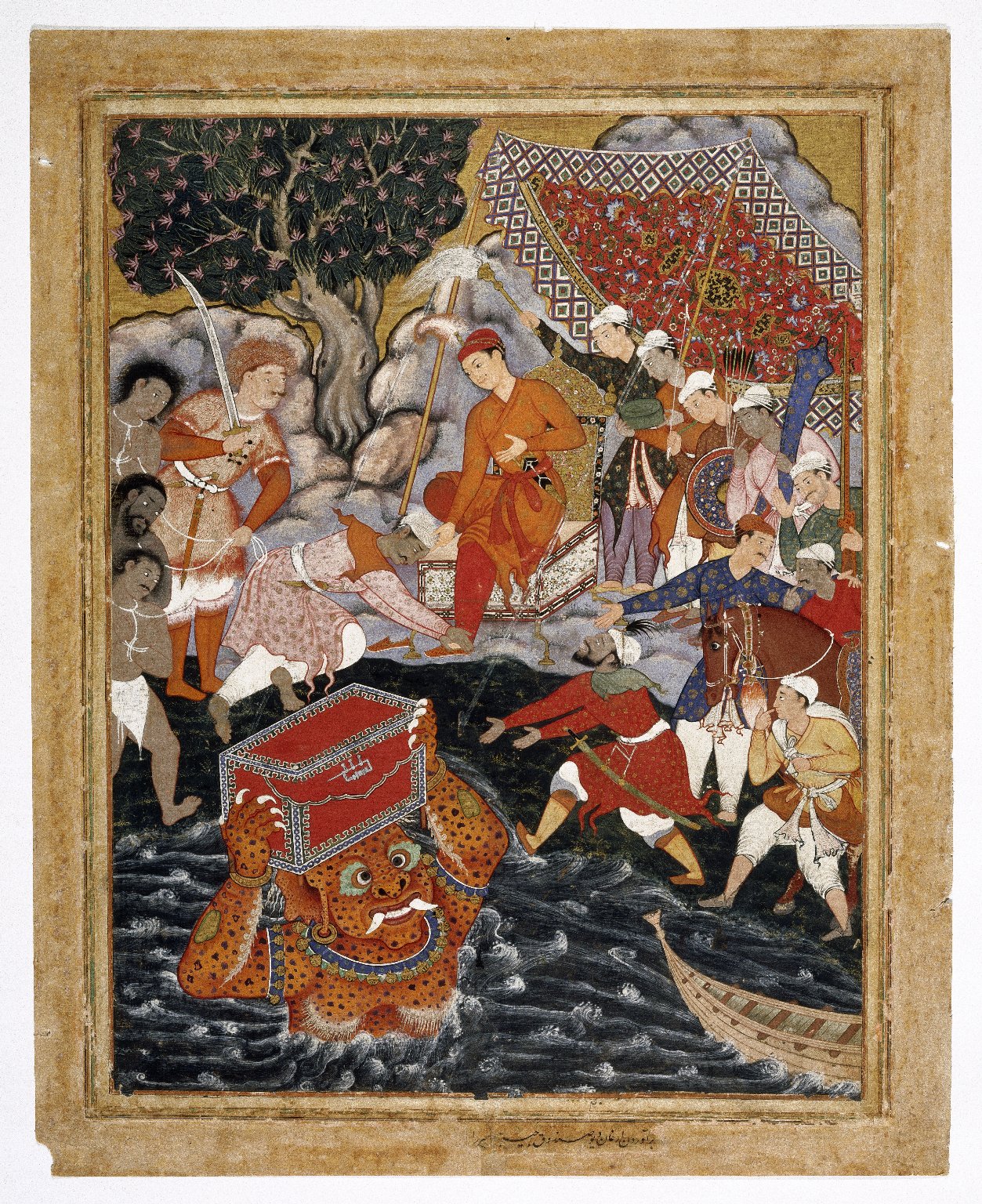 🇪🇬 Egypt and 3 moreIfritعفريت
A class of powerful chthonic spirits in Islamic tradition and folkloreBeing · Cursing and harm · Power and authority Historical
🇵🇪 Peru and 1 morePishtacoñañaq; kharisiri
An Andean bogeyman said to steal human fat for oil and medicineBeing · Cursing and harm · Power and authority Living
🇪🇬 Egypt and 3 moreIfritعفريت
A class of powerful chthonic spirits in Islamic tradition and folkloreBeing · Cursing and harm · Power and authority Historical
🇵🇪 Peru and 1 morePishtacoñañaq; kharisiri
An Andean bogeyman said to steal human fat for oil and medicineBeing · Cursing and harm · Power and authority Living
 🇮🇳 India and 4 moreTantraतन्त्र
An esoteric yogic tradition from India focusing on ritual, mantra, and body-based spiritual practices.Tradition · Power and authority · Change and initiation Living
🇮🇳 India and 4 moreTantraतन्त्र
An esoteric yogic tradition from India focusing on ritual, mantra, and body-based spiritual practices.Tradition · Power and authority · Change and initiation Living