
Lên đồng
from Vietnamese for votive dance or mounting the medium; 'đồng' links to Austroasiatic words for shaman or dance
A Vietnamese ritual where mediums enter trance to channel spirits
Lên đồng is a spirit-mediumship ritual in Vietnamese folk religion. Practitioners enter trance states to allow deities or ancestors to speak through them. The practice is central to Đạo Mẫu and related traditions.
- Mediums enter trance to channel spirits
- Requires purification and special costumes
- Central to Đạo Mẫu religion
- Performed in Vietnam and diaspora communities
- Banned under early Communist rule
What it is
Lên đồng is a ritual of spirit possession in Vietnamese folk religion. It involves a practitioner entering a trance state to become a vessel for various spirits. These spirits can include deities, ancestors, or historical figures. The ritual allows the community to interact with these entities directly. It is distinct from similar practices like hầu bóng, which focuses more on mimicking deities rather than full possession. The ceremony serves as a bridge between the human world and the spiritual realm.
Where it comes from
The term 'đồng' has roots in Austroasiatic languages, meaning shaman or dance. This linguistic link suggests ancient origins for the concept of spirit dancing. The ritual is closely tied to Đạo Mẫu, the Mother Goddess religion. It also appears in Thánh Trần worship and Nội Đạo Tràng traditions. While its exact beginnings are unclear, it has long been part of Vietnamese spiritual life.
How it is done
The ritual begins with purification, including dietary restrictions and abstinence. The medium sits surrounded by assistants who help manage the changing spirits. Musicians play invocation songs to guide the medium into a trance. Once possessed, the medium dons costumes specific to the incarnating spirit. They may perform dances or actions characteristic of that deity. After the performance, attendees approach the medium to make offerings or ask for guidance.
Tools and materials
Costumes are essential, representing the specific god or spirit being channeled. Joss paper, flowers, cakes, and other gifts are offered to the spirits. Alcohol, cigarettes, and even modern items like soda cans may be used as offerings. Music is critical, with singers and instrumentalists adapting their style to match each spirit's identity. Assistants help the medium change outfits quickly during the session.
Lên đồng, drawn and placed
- Living
- Revived
- Fading
- Historical
- Legendary
- Performed
- Lineage
- Đạo Mẫu
- Timing
- during festivals or temple inaugurations
What it is for
People participate to commune with ancestors and deities. They seek blessings, protection, and advice on personal matters. Fortune telling is a common outcome of the ritual. The medium acts as an intermediary, delivering messages from the spiritual world. Communities use it to strengthen religious bonds and honor their heritage.
Who does it
Both men and women can serve as mediums. They undergo training and purification before leading ceremonies. Assistants play a vital role, helping the medium switch between spirits. The medium is not merely a performer but a sacred conduit. Their ability to enter trance and embody multiple spirits is highly valued.
Peoples and places
Lên đồng is practiced throughout Vietnam. It is also found in overseas Vietnamese communities in countries like the United States, France, Italy, and Australia. In East Asia, similar spirit-mediumship traditions exist in Taiwan, Singapore, and Hong Kong. The ritual reflects broader regional beliefs about ancestor veneration and spirit interaction.
At a glance: who, where and when
Who does it
Peoples
Belief worlds
Occasions


What people believe
The practice relies on the belief that spirits can inhabit human bodies temporarily. Deities and ancestors are seen as active forces in daily life. The ritual reinforces the connection between the living and the dead. It is viewed as a way to maintain harmony with the spiritual world. Participants trust that the medium accurately channels these entities.
When it is done
Rituals often coincide with festivals, anniversaries, or the opening of new temples. Informal sessions may occur at other times. The timing is chosen to maximize spiritual significance and community participation. Seasonal markers and religious holidays frequently dictate when ceremonies are held.
How scholars and sceptics see it
Scholars view lên đồng as a form of shamanism and spirit mediumship. It is studied within the context of Vietnamese folk religion and Đạo Mẫu. Researchers note its similarities to other East Asian possession rituals. The practice is recognized as a significant cultural and religious expression in Vietnam.
Cautions and what is closed
During Communist rule, the ritual was banned as superstition. Practitioners performed it secretly during this period. Government restrictions have eased since 1987, but some formal festivals still face opposition. Outsiders are generally welcome to observe, but the ritual remains deeply rooted in local religious tradition.
Compare and confuse
Lên đồng is often confused with hầu bóng, which involves mimicking deities without full possession. It shares features with East Asian spirit-mediumship in Taiwan and Hong Kong. The Burmese nat pwe is another comparable ritual involving spirit possession. Each tradition has unique musical and costume elements.
Questions people ask about Lên đồng
What is lên đồng?
It is a Vietnamese ritual where practitioners enter trance states to allow spirits or deities to speak through them. It is a core practice in Đạo Mẫu and Vietnamese folk religion.
Where does the word come from?
The term means votive dance or mounting the medium. The root 'đồng' relates to Austroasiatic words for shaman or dance, indicating ancient spiritual roots.
Who performs lên đồng?
Both men and women can act as mediums. They are trained to enter trance and embody different spirits, assisted by musicians and helpers during the ceremony.
Is it still practiced today?
Yes, it is a living tradition in Vietnam and among overseas Vietnamese communities in the US, Europe, and Australia, despite past government bans.
Good reading and sources
The facts on this page come from the Wikipedia article "Lên đồng", written by its contributors and used under the CC BY-SA 4.0 licence, and from its Wikidata record (CC0). EveryJaadu rewrote the text in its own words, with AI assistance, and compares every page with the article to make sure no passage is copied. It may be reused under the same CC BY-SA 4.0 licence with a link back.
It may contain mistakes. Names and customs differ from one community to the next, and some knowledge is closed to outsiders and left out here. This page describes belief and practice. It does not say that any of it works, it is not a how-to, and it is not medical advice. If something is wrong, tell us. Last refreshed 2026-10-06.
More from Vietnam
All the entries from Vietnam 🇱🇦 Laos and 3 moreTai folk religionສາສະໜາຜີ
Spirits, ancestor rites, and soul-calling ceremonies of the Tai peoplesTradition · Protection · Healing Living
🇱🇦 Laos and 3 moreTai folk religionສາສະໜາຜີ
Spirits, ancestor rites, and soul-calling ceremonies of the Tai peoplesTradition · Protection · Healing Living
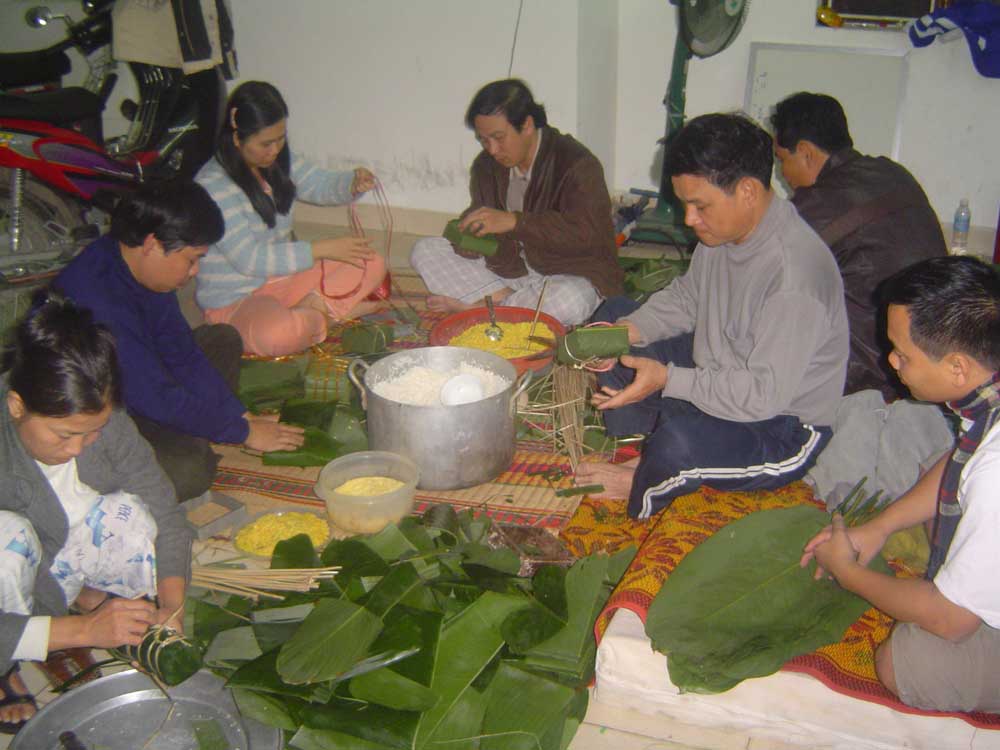 🇻🇳 Vietnam and 5 moreTếtTết Nguyên Đán
The Vietnamese lunisolar new year and the most important annual celebration in VietnamTradition · Luck and prosperity · Speaking with spirits and the dead Living
🇻🇳 Vietnam and 5 moreTếtTết Nguyên Đán
The Vietnamese lunisolar new year and the most important annual celebration in VietnamTradition · Luck and prosperity · Speaking with spirits and the dead Living
 🇲🇾 Malaysia and 5 morePenanggalan
A floating head with trailing organs from Malay folklore, said to hunt pregnant women and newborns.Being · Cursing and harm Legendary
🇲🇾 Malaysia and 5 morePenanggalan
A floating head with trailing organs from Malay folklore, said to hunt pregnant women and newborns.Being · Cursing and harm Legendary
 🇹🇭 Thailand and 7 moreSpirit house
A small roofed shrine that shelters a place's protective spiritCharm · Protection Living
🇹🇭 Thailand and 7 moreSpirit house
A small roofed shrine that shelters a place's protective spiritCharm · Protection Living
Related elsewhere
All rite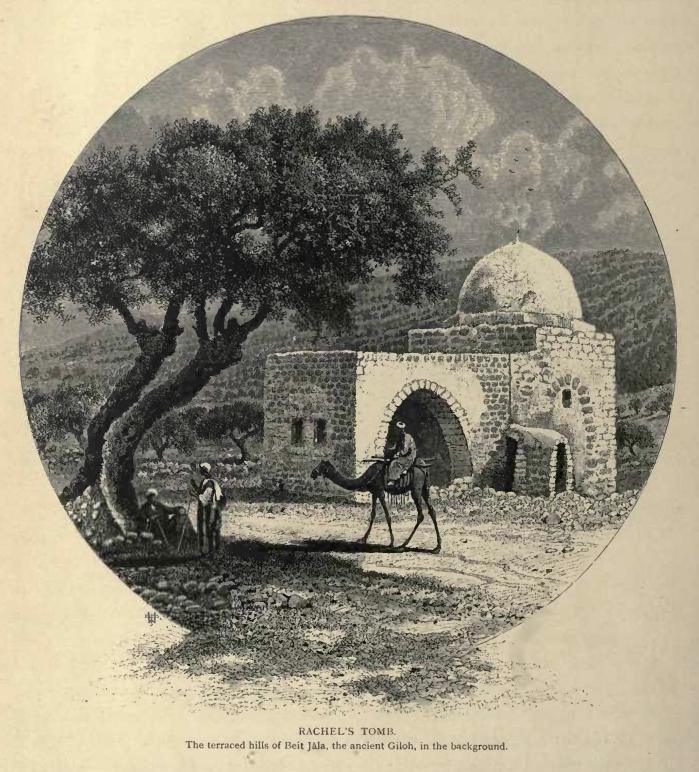 🇵🇸 Palestine and 1 moreRachel's TombQever Raḥel; Qabr Rāḥīl
A shared holy site near Bethlehem revered by Jews, Christians, and MuslimsTradition · Speaking with spirits and the dead · Protection Living
🇵🇸 Palestine and 1 moreRachel's TombQever Raḥel; Qabr Rāḥīl
A shared holy site near Bethlehem revered by Jews, Christians, and MuslimsTradition · Speaking with spirits and the dead · Protection Living
 🇪🇸 Spain and 5 moreSt John's Eve
A Christian vigil marked by bonfires and plant gathering on the summer solstice eveRite · Protection · Speaking with spirits and the dead Living
🇪🇸 Spain and 5 moreSt John's Eve
A Christian vigil marked by bonfires and plant gathering on the summer solstice eveRite · Protection · Speaking with spirits and the dead Living
 🇮🇳 India and 2 moreHomaहोम
A fire ritual found across Asian religions where offerings are burned as a votive exchange with the divine.Rite · Protection · Speaking with spirits and the dead Living
🇳🇿 New ZealandKarakia
Māori recitations used for spiritual guidance, protection, and formal greetingsTradition · Protection · Speaking with spirits and the dead Living
🇮🇳 India and 2 moreHomaहोम
A fire ritual found across Asian religions where offerings are burned as a votive exchange with the divine.Rite · Protection · Speaking with spirits and the dead Living
🇳🇿 New ZealandKarakia
Māori recitations used for spiritual guidance, protection, and formal greetingsTradition · Protection · Speaking with spirits and the dead Living