
Sun cross
from German Sonnenkreuz, meaning sun cross
A cross inside a circle found in prehistoric art and modern political symbols
The sun cross is an equilateral cross enclosed in a circle. It appears frequently in the artwork of Bronze Age Europe as a solar symbol. The design has also been adopted by various modern groups for astronomy, commerce, and white supremacist politics.
- Carved into rock at Madsebakke, Denmark, dating to 1800–500 BCE
- Used by Norwegian fascist party Nasjonal Samling from 1933 to 1945
- Represents the Earth in modern astronomical symbols
- Banned in Germany if used to promote racism
- Similar to the Native American Medicine Wheel
What it is
The sun cross consists of an equilateral cross placed inside a circle. This geometric design serves as a solar symbol in many contexts. It appears on artifacts from the Neolithic to the Bronze Age across Europe. The symbol represents the sun or celestial cycles. It is also used in modern astronomy to denote the Earth. In pharmacy, it indicates miscellaneous drugs. The shape resembles ancient Egyptian hieroglyphs for a village.
Where it comes from
Scholars first interpreted the cross-in-a-circle as a solar symbol in the nineteenth century. They linked it to the wheel of a sun god's chariot. The English term comes from the German word Sonnenkreuz. Rudolf Koch popularized the phrase in his book on signs. Earlier German scholars used the term for any cross with a circle. The design likely originated in Bronze Age religious practices. It reflects a widespread belief in solar worship among prehistoric cultures.
How it is done
Prehistoric artisans carved the sun cross into rock surfaces. These petroglyphs often include cup marks around the main design. The carvings appear on granite bedrock in Scandinavia. Some versions feature radial arms extending from the center. The symbols were part of ancestral rituals and sun worship. Modern interpretations vary widely. Astronomers use it for planetary representation. Political groups have adapted the shape for their own flags and logos.
Tools and materials
Artisans used stone tools to carve the symbols into hard rock. The designs often include small indentations called cup marks. These marks may have held ritual significance. Amber inlays were sometimes used on miniature standards. The cross shape itself serves as the primary tool of identification. In modern times, the symbol appears on railroad emblems and screwdriver sets.
Sun cross, drawn and placed
- Living
- Revived
- Fading
- Historical
- Legendary
- Performed
- Lineage
- European prehistoric religion
What it is for
Ancient peoples likely used the symbol to represent the sun's movement. It may have marked the cycle of seasons or life events. The cup marks could relate to offerings or celestial observations. Today, the symbol serves different purposes. It identifies the Earth in scientific charts. It signals drug categories in pharmacies. Political movements use it to express white nationalism and supremacy.
Who does it
Bronze Age communities created the original carvings. Scholars analyze the symbols to understand prehistoric beliefs. Modern astronomers and pharmacists use the standardized version. White supremacist groups employ variants for political messaging. Norwegian fascists used a golden version during World War II. Indigenous peoples in North America use similar hoop symbols for spiritual practices.
Peoples and places
The symbol is prominent in Nordic Bronze Age culture. Sites in Denmark, Sweden, and Norway contain thousands of examples. The Sassanian Empire in Persia used a similar banner. Native American tribes, including Plains Indians, use the Medicine Wheel. The design appears in various forms across different continents. Each culture adapts the basic geometry to its own beliefs.
At a glance: who, where and when
Who does it
Belief worlds


What people believe
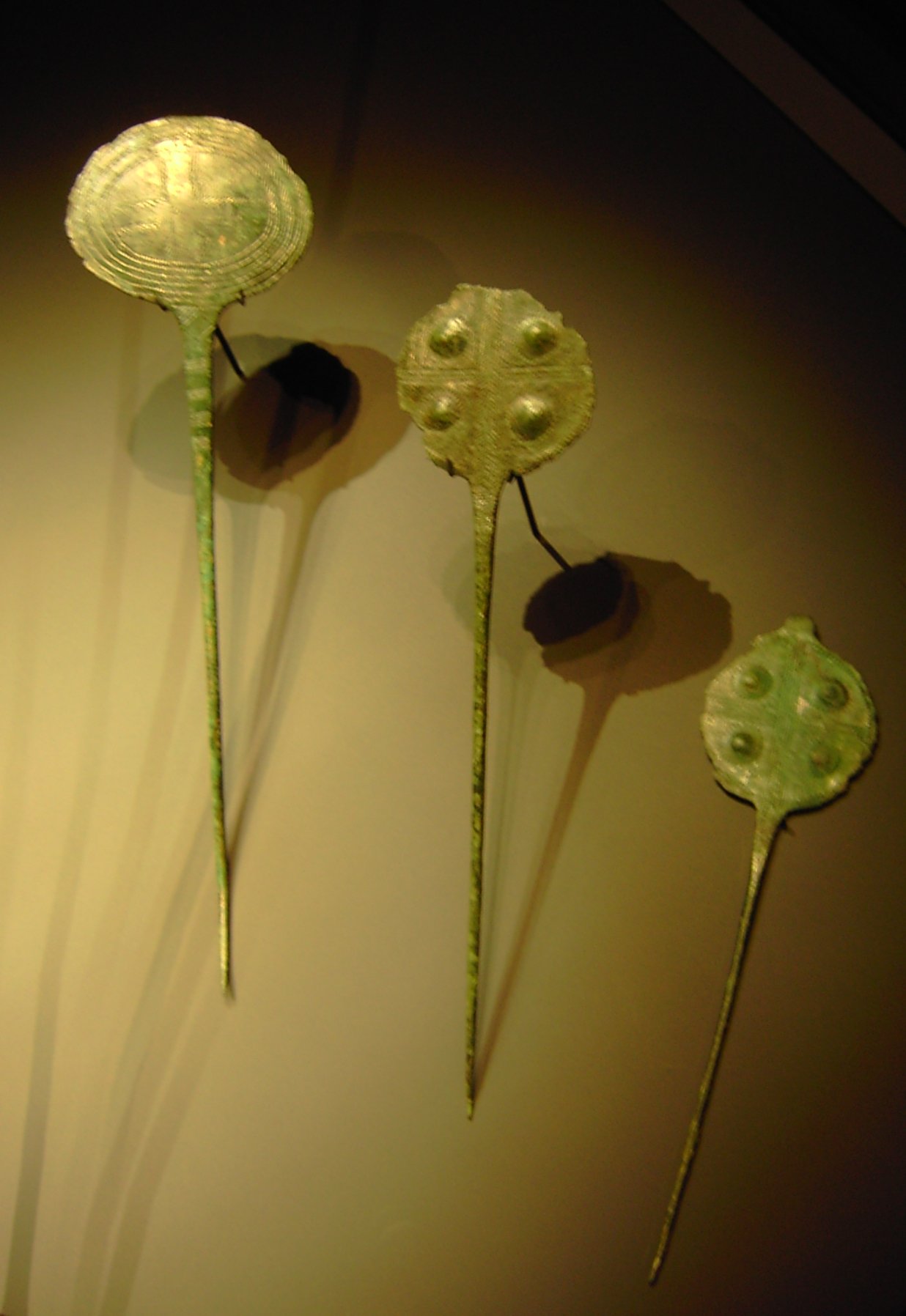
Prehistoric Europeans viewed the cross as a solar disc or chariot wheel. The circle represented the sun or the heavens. The cross divided the sky or marked directions. Solar worship was central to these ancient religions. Modern users attach new meanings to the shape. Astronomers see it as a planetary marker. Extremists view it as a symbol of racial purity. The original spiritual context is often lost in modern adaptations.
When it is done
The symbol relates to seasonal cycles and solar movements. Carvings may mark specific celestial events. Cup marks could indicate times for offerings. The design reflects the annual journey of the sun. Its use spans the entire Bronze Age period in Scandinavia.
How scholars and sceptics see it
Nineteenth-century researchers linked the symbol to Gothic runes and sun gods. Wieseler proposed a connection to the rune hvel. Modern archaeologists study the carvings to understand prehistoric life. Anthropologists note similarities with indigenous symbols worldwide. Historians track the symbol's adoption by political movements. Skeptics question the direct link between the shape and solar worship.
Cautions and what is closed
The symbol is banned in Germany when used to promote racism. Italian law also restricts its political use. New Zealand authorities investigated its use in terrorist attacks. The symbol carries heavy negative connotations in modern politics. It is associated with white supremacy and neo-Nazism. Users must be aware of its historical misuse in extremist contexts.
Compare and confuse
The sun cross resembles the Egyptian hieroglyph for a village. It shares features with the Native American Medicine Wheel. The Sassanian Derafsh Kaviani banner uses a similar design. The astronomical symbol for Earth is identical. Pharmacy symbols use the same shape. Political variants often break the arms or add swastika-like curves.
Law and persecution
Germany bans the symbol if used to promote racism. Italy enforces similar restrictions under the Mancino Law. Norwegian laws do not explicitly ban the historical variant. New Zealand faces legal challenges regarding its use in hate crimes. The Paneuropean Union uses the symbol legally for unification efforts. Political parties using the symbol face constitutional scrutiny.
Questions people ask about Sun cross
What is a sun cross?
It is an equilateral cross inside a circle. It appears in Bronze Age European art as a solar symbol. It is also used in astronomy and by political groups today.
Where did the name come from?
The English term comes from the German word Sonnenkreuz. It was popularized in the mid-twentieth century. Scholars used the German term in the nineteenth century.
Is it still used today?
Yes, but meanings vary. Astronomers use it for Earth. Pharmacies use it for drugs. White supremacists use variants for political messaging.
Why is it controversial?
Neo-Nazi groups adopted it after World War II. It is banned in Germany and Italy when used for racism. Its association with extremism makes it sensitive.
Good reading and sources
- Sun cross on WikipediaEncyclopedia
- More photos on Wikimedia CommonsPhotos and video
- Wikidata recordOpen data
The facts on this page come from the Wikipedia article "Sun cross", written by its contributors and used under the CC BY-SA 4.0 licence, and from its Wikidata record (CC0). EveryJaadu rewrote the text in its own words, with AI assistance, and compares every page with the article to make sure no passage is copied. It may be reused under the same CC BY-SA 4.0 licence with a link back.
It may contain mistakes. Names and customs differ from one community to the next, and some knowledge is closed to outsiders and left out here. This page describes belief and practice. It does not say that any of it works, it is not a how-to, and it is not medical advice. If something is wrong, tell us. Last refreshed 2026-10-09.
More from Sweden
All the entries from Sweden 🇸🇪 SwedenMora witch trial
A 1669 Swedish mass execution driven by child testimony and European hysteriaBelief · Cursing and harm Historical
🇸🇪 SwedenMora witch trial
A 1669 Swedish mass execution driven by child testimony and European hysteriaBelief · Cursing and harm Historical
 🇸🇪 SwedenWitch trials in Denmark
A history of legal executions and local panics against sorcery in early modern Denmark.Belief · Cursing and harm Historical
🇸🇪 SwedenWitch trials in Denmark
A history of legal executions and local panics against sorcery in early modern Denmark.Belief · Cursing and harm Historical
 🇸🇪 SwedenTorsåker witch trials
The largest mass execution of witches in Swedish history, carried out in a single day.Belief · Cursing and harm Historical
🇸🇪 SwedenTorsåker witch trials
The largest mass execution of witches in Swedish history, carried out in a single day.Belief · Cursing and harm Historical
Related elsewhere
All belief 🇮🇳 India and 5 moreAstrology
A divinatory practice that reads human fate through the positions of celestial bodies.Belief · Seeing and foretelling · Luck and prosperity Living
🇮🇳 India and 5 moreAstrology
A divinatory practice that reads human fate through the positions of celestial bodies.Belief · Seeing and foretelling · Luck and prosperity Living
 🇮🇳 India and 2 morePalmistry
A divination method that interprets the lines and shapes of the hand to predict fate or reveal character.Oracle · Seeing and foretelling · Power and authority Living
🇮🇳 India and 2 morePalmistry
A divination method that interprets the lines and shapes of the hand to predict fate or reveal character.Oracle · Seeing and foretelling · Power and authority Living
 🇨🇳 China and 3 moreChinese dragon龍
A legendary water deity and imperial symbol in East Asian cultureBeing · Protection · Luck and prosperity Historical
🇨🇳 China and 3 moreChinese dragon龍
A legendary water deity and imperial symbol in East Asian cultureBeing · Protection · Luck and prosperity Historical
 🇬🇹 Guatemala and 1 moreMaya mythology
The reconstructed tales of the Maya people about gods, heroes, and the creation of the world.Tradition · Seeing and foretelling · Power and authority Historical
🇬🇹 Guatemala and 1 moreMaya mythology
The reconstructed tales of the Maya people about gods, heroes, and the creation of the world.Tradition · Seeing and foretelling · Power and authority Historical