🇮🇹 Magic in Italy
157 entries from Italy, best known first, across 80 places of magic.
Italian magic blends ancient pagan roots with Catholic ritual, creating a unique landscape of folk healing and protective charms. Practices like Segnature coexist alongside regional spirits and seasonal festivals that mark the passage of time.
- Segnature uses ritual gestures and prayers to heal illness and remove curses
- The Befana delivers gifts on Epiphany Eve, blending pagan and Christian traditions
- Sardinian Janas lived in rock-cut tombs known as Domus de Janas
- Krampus acts as an anti-Saint Nicholas in Alpine Christmas folklore
- Witches like the Janare were persecuted in Valcamonica during the 16th century
Overview
The magical traditions of Italy rest on a deep layer of pre-Christian beliefs that merged with Christian practices over centuries. This fusion created a distinct cultural fabric where saints and ancient spirits share the same space. The country’s varied geography fostered diverse local customs, from Alpine nymphs to Sardinian fairies. These beliefs often served practical purposes, offering protection against illness or misfortune in daily life. Neighboring regions influenced these traditions, yet each area maintained its own specific characters and rituals.
Practices and beliefs
A key practice is Segnature, a form of folk healing using ritual gestures and prayers to cure illness or remove curses. Practitioners trace crosses on patients while reciting secret words passed down through families. This method blends Catholic symbols with older shamanic techniques. Other common practices involve charms against the evil eye and rituals to influence weather. Divination and protective amulets are also widespread, reflecting a belief in unseen forces affecting health and fortune.
Rites and charms
Rites often center on life events and seasonal changes. The Befana delivers gifts on Epiphany Eve, linking ancient figures to Christian holidays. Carnival celebrations feature characters like Bombasìn, representing wild human nature. Healing ceremonies involve specific movements and spoken invocations to restore balance. Protective rites include sweeping homes or placing salt at doors to ward off negative energy. These customs reinforce community bonds and provide structure to the annual cycle.
Who practises
Healers known as Segnatori or Segnatrici perform rituals using inherited knowledge. They are respected for their ability to heal and protect communities from harm. Witches appear in various regional forms, such as the Janare in Benevento or the Masca in Piedmont. Some are viewed as malevolent, while others are seen as ambiguous figures. Diviners and mediums interpret signs to guide people through uncertainty. These roles are typically filled by individuals chosen by lineage or local recognition rather than formal training.
Regions and communities
Magic varies significantly across Italy’s regions. Sardinia features unique beings like the Janas and Cogas, tied to ancient tombs and wells. The Alpine north includes aquatic nymphs called Anguana and demons like Krampus. Southern areas have strong traditions of house spirits and witches like the Maciara. Urban centers blend old folklore with modern legends. Each region preserves its own set of characters, reflecting local history and environment.
The calendar
Festivals mark the calendar with magical significance. Epiphany involves gift-giving by the Befana, connecting winter solstice traditions to Christian celebration. Carnival features masks and monsters that release social tensions. Summer afternoons invoke creatures like Sa Mama 'e su Sole to manage heat and sleep. Life events like births and deaths trigger specific rituals to ensure safety and honor ancestors. These dates anchor magical practices in the rhythm of the year.
Law and the state
Historical persecution occurred during witch hunts, particularly in Valcamonica in the sixteenth century. Modern legal status varies, with some practices recognized as cultural heritage while others face skepticism. Authorities generally tolerate folk healing unless it causes harm. Churches may view certain rituals with suspicion but often integrate them into local culture. There is no unified national law governing all folk beliefs, allowing regional autonomy.
Today
Folklore remains vibrant through tourism and cultural revival. Festivals attract visitors interested in traditional costumes and stories. Urban legends continue to evolve, reflecting contemporary anxieties. Migration has spread Italian magical concepts globally, adapting them to new contexts. Commercialization sometimes simplifies complex traditions, but communities work to preserve authentic practices. Younger generations engage with these beliefs through media and education.
The facts in this overview come from the Wikipedia article "Folklore of Italy", written by its contributors and used under the CC BY-SA 4.0 licence. EveryJaadu rewrote the text in its own words, with AI assistance, and compares every page with the article to make sure no passage is copied. It may be reused under the same CC BY-SA 4.0 licence with a link back.
Places of magic in Italy
 🇮🇹 ItalyBefana
An Italian witch-like figure who delivers gifts on Epiphany EveFigure · Luck and prosperity · Wonder and entertainment Living
 🇬🇷 Greece and 5 moreBay Laurelδάφνη
An aromatic Mediterranean plant used in cooking and as a symbol of victory and purification.Substance · Protection · Cleansing and purification Living
🇮🇹 Italy and 1 moreAradia
A figure of Italian folklore and modern pagan witchcraft, seen as a teacher of magic and liberation.Figure · Cursing and harm · Power and authority Revived
 🇬🇷 Greece and 5 moreSibylΣίβυλλα (Sibylla)
Ancient Greek prophetesses who spoke divine counsel at holy shrinesFigure · Seeing and foretelling · Power and authority Legendary
 🇬🇷 Greece and 5 moreVotive offering
Objects left in sacred places to honor a deity or fulfill a vow, never to be recovered.Tradition · Protection · Healing Living
 🇮🇹 Italy and 5 moreFig sign
A hand gesture used to ward off the evil eye or as an insult in many culturesBelief · Protection · Cursing and harm Living
 🇬🇷 Greece and 2 moreMagic in the Greco-Roman world
Private supernatural practices in ancient Greece and Rome, distinct from public state religion.Tradition · Protection · Cursing and harm Historical
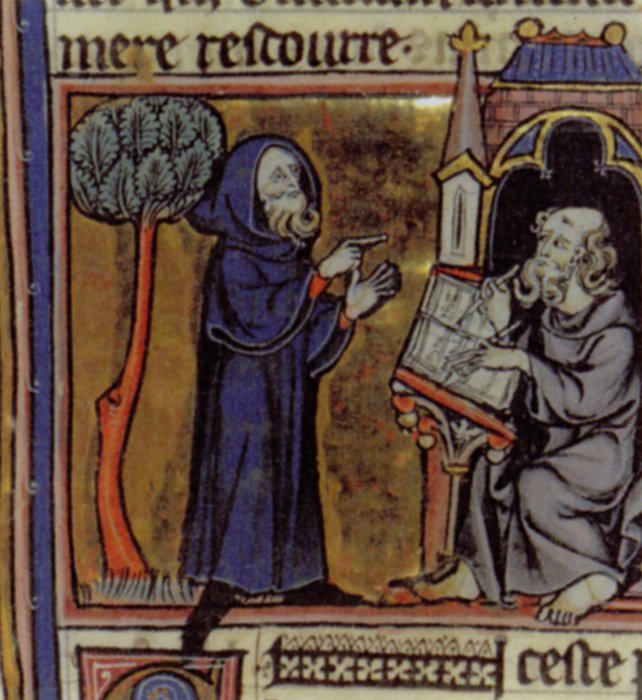 🇮🇹 Italy and 1 moreMedieval European magic
A broad category of ritual and natural practices in the Middle Ages, blending healing, divination, and religious belief.Tradition · Healing · Seeing and foretelling Historical
 🇩🇪 Germany and 5 moreWild Hunt
A spectral chase across Europe led by a mythic figure and ghostly riders.Belief · Cursing and harm Historical
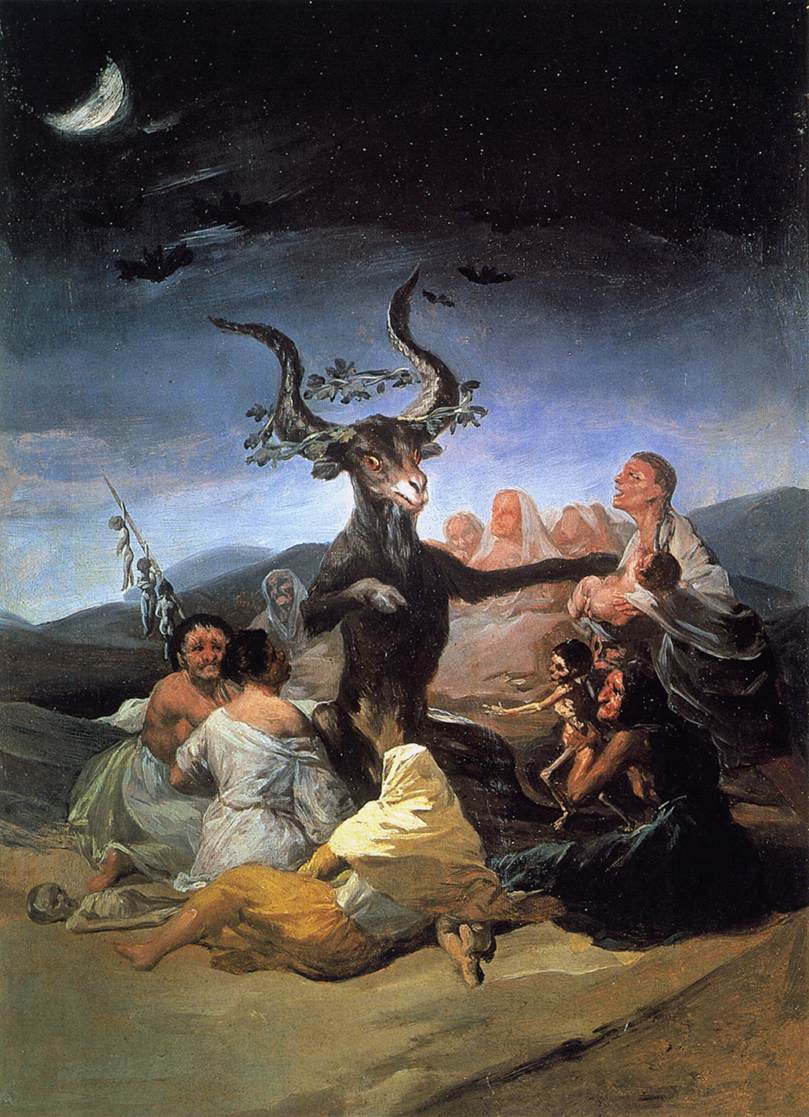 🇫🇷 France and 3 moreWitches' Sabbath
A legendary gathering of witches described in early modern trial records and folkloreBelief · Cursing and harm Historical
🇮🇹 ItalyWitch trials in Italy
Historic legal proceedings against alleged witches across Italian states from the 14th to 18th centuries.Belief · Cursing and harm Historical
 🇮🇹 ItalyWitches of Benevento
A medieval Italian legend of witches gathering under a walnut treeBelief · Cursing and harm · Luck and prosperity Historical
 🇫🇷 France and 1 moreNostradamus
A French astrologer and physician known for his book of poetic propheciesText · Seeing and foretelling · Healing Historical
 🇺🇸 United States and 5 moreFriday the 13th
A Western superstition that a specific calendar combination brings misfortuneBelief · Cursing and harm Living
 🇩🇪 Germany and 2 moreOccultism in Nazism
The study of alleged magical links to the Nazi regime and the myths that surround themBelief · Cursing and harm · Power and authority Historical
 🇮🇹 Italy and 5 moreEuropean witchcraft
Historical beliefs in harmful magic and the resulting trials across EuropeBelief · Cursing and harm · Protection Historical
🇮🇪 Ireland and 5 moreSeventh son of a seventh son
A folklore belief that birth order grants supernatural healing or cursed powersBelief · Healing · Cursing and harm Historical
🇺🇸 United States and 5 moreFriday the 13th
A Western superstition marking a specific calendar date as unluckyBelief · Cursing and harm Living
🇦🇺 Australia and 2 moreTheatrical superstitions
Beliefs and rituals among actors to avoid bad luck and ward off spiritsBelief · Protection · Luck and prosperity Living
🇮🇹 Italy and 1 moreKollyra curse tablet
An ancient Greek tablet cursing a thief to suffocation until stolen goods are returned.Text · Protection · Cursing and harm Historical
🇺🇸 United States and 5 moreFriday the 13th
A Western superstition that a specific calendar alignment brings misfortuneBelief · Cursing and harm Living
 🇷🇴 Romania and 2 moreStrixστρίξ
A classical bird of ill omen that evolved into a term for witches and vampires across Europe.Being · Cursing and harm · Luck and prosperity Historical
 🇮🇪 Ireland and 4 moreFairy Queen
A female ruler of fairies found in folklore, literature, and witchcraft trials across Europe.Figure · Power and authority Historical
 🇮🇹 ItalyScrofa semilanuta
A legendary sow seen in a dream that became the ancient emblem of Milan.Figure · Wonder and entertainment · Seeing and foretelling Historical
 🇮🇹 ItalyKnight of Coins
A tarot court card read as a serious young man, drawn on questions of work and home.Oracle · Seeing and foretelling Living
 🇬🇧 United Kingdom and 1 moreWitchwiċċe
The English word for a magic-worker, from Old English wiċċe to WiccaFigure · Cursing and harm · Seeing and foretelling Living
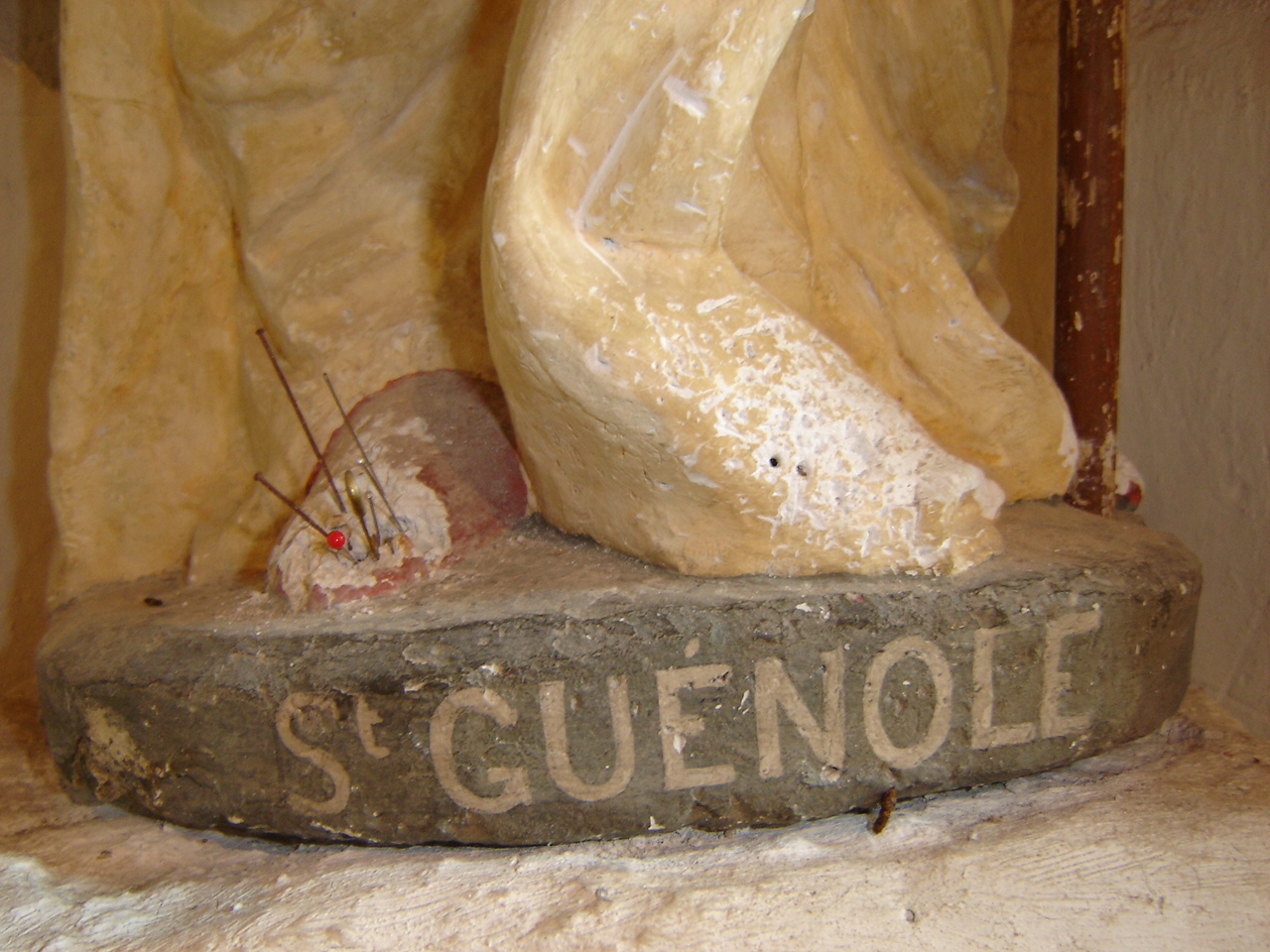 🇮🇹 Italy and 2 morePhallic saint
Saints and local gods called on for fertility, shown with a penisBelief · Love and attraction Historical
🇫🇷 France and 5 moreProcession of the dead
A folktale pattern of ghosts or souls marching in company, sometimes ledBelief · Speaking with spirits and the dead Legendary
 🇪🇬 Egypt and 3 moreCrown of Immortality
A wreath of leaves, then a ring of stars, said to mark a life that does not endBelief · Power and authority Living
 🇩🇪 Germany and 3 moreDrude
A Germanic nightmare spirit and the pentagram charm used to keep it outBeing · Cursing and harm · Protection Historical
🇮🇹 ItalyIn bocca al lupo
An Italian idiom wishing good luck by invoking danger, with a response asking for the wolf's death.Belief · Luck and prosperity Living
 🇮🇳 India and 5 moreSailors' superstitions
A global collection of omens, charms and taboos used by mariners to manage the risks of life at seaBelief · Protection · Luck and prosperity Living
 🇬🇧 United Kingdom and 5 moreWedding superstitions
Folk beliefs and omens tied to marriage customs across many culturesBelief · Protection · Luck and prosperity Living
 🇸🇪 Sweden and 4 moreSun cross
A cross inside a circle found in prehistoric art and modern political symbolsBelief · Power and authority Historical
 🇮🇹 ItalyTredesin de Mars
A Milanese spring celebration marked by a flower fair and a legendary stoneTradition · Luck and prosperity · Wonder and entertainment Historical
🇮🇹 ItalyOmen (ancient Rome)omen
A sign in ancient Rome believed to reveal the future, good or bad.Belief · Seeing and foretelling Historical
 🇮🇹 Italy and 2 moreWheel of Fortune
A medieval allegory of fate's unpredictable turns and the fall of kingsBelief · Cursing and harm · Luck and prosperity Historical
 🇸🇪 Sweden and 4 moreKing LindwormKong Lindorm
A Danish folktale about a serpent prince and the bride who sheds his skins to reveal his human form.Figure · Change and initiation · Love and attraction Historical
 🇮🇹 ItalyFascinusfascinum
A Roman phallus image and charm, kept to turn away envyBeing · Protection · Luck and prosperity Historical
🇮🇹 ItalyWitchcraft in Italy
Inquisition trials, a fertility cult and love magic in early modern ItalyTradition · Protection · Healing Living
🇮🇹 ItalyDoñas de fuera
Sicilian fairies said to carry chosen women by night to a field at BeneventoBeing · Speaking with spirits and the dead · Luck and prosperity Historical
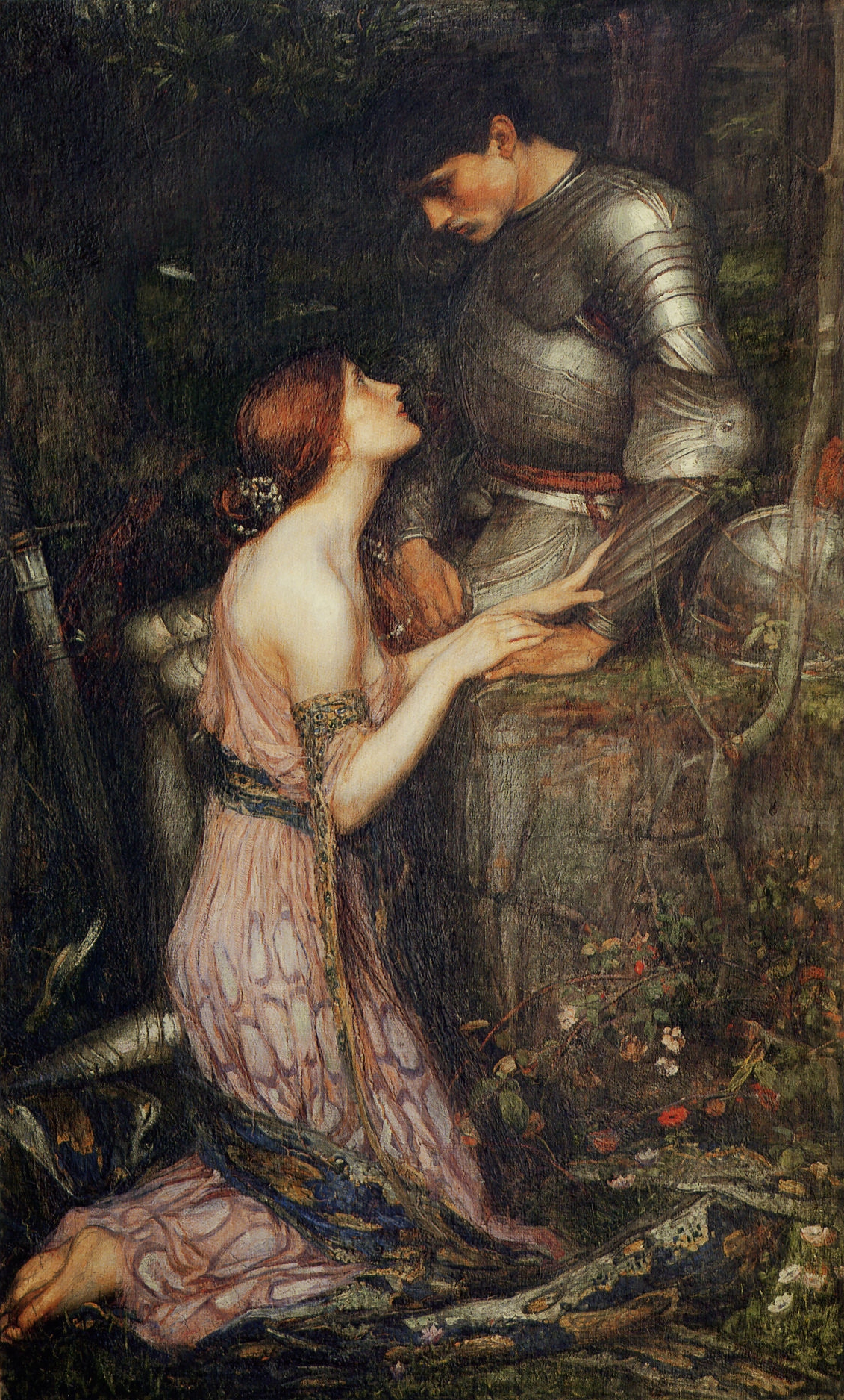 🇱🇾 Libya and 2 moreLamiaΛάμια
A child-snatching monster and night phantom from ancient Greek mythBeing · Cursing and harm · Seeing and foretelling Legendary
Photo credits on this page
The small pictures above come from Wikimedia Commons under free licences. Some are cropped to fit.
- Tredesin de Mars: A ntv, Public domain, source
- Votive offering: Walter J. Pilsak, Waldsassen ( W.J.Pilsak at de.wikipedia ), CC BY-SA 3.0, source
- Friday the 13th: Leonardo da Vinci, Public domain, source
- European witchcraft: Unknown author, CC BY 4.0, source
- Fairy: Henry Fuseli, Public domain, source
- Lamia: John William Waterhouse, Public domain, source
- Fig sign: Harald the Bard, CC BY-SA 4.0, source
- Wedding superstitions: Anonymous Unknown author, Public domain, source
- Fascinus: Vassil, Public domain, source
- Bay Laurel: Forest and Kim Starr, CC BY 3.0 us, source
- Strix: Prosthetic Head, CC BY-SA 4.0, source
- Scrofa semilanuta: M.casanova, CC BY-SA 4.0, source
- King Lindworm: Lang, Andrew, 1844-1912, ed, No restrictions, source
- Occultism in Nazism: Peretz Kaminsky, Public domain, source
- Medieval European magic: Unknown author, Public domain, source
- Nostradamus: After César de Notre-Dame, Public domain, source
- Sibyl: Filippino Lippi (1457-1504), Public domain, source
- Crown of Immortality: https://commons.wikimedia.org/wiki/User:Xauxa, CC BY-SA 3.0, source
- Witch-cult hypothesis: Francisco Goya, Public domain, source
- Sun cross: National Museum of Denmark, CC BY-SA 3.0, source
- Befana: El Ágora, Public domain, source
- Witch: John William Waterhouse, Public domain, source
- Witches of Benevento: Guglielmo della Porta, CC0, source
- Knight of Coins: Pamela Colman Smith, Public domain, source
- Sailors' superstitions: Siren Painter (eponymous vase), Public domain, source
- Wild Hunt: Peter Nicolai Arbo, Public domain, source
- Magic in the Greco-Roman world: ArchaiOptix, CC BY-SA 4.0, source
- Phallic saint: No machine-readable author provided. Manproc assumed (based on copyrig, CC BY-SA 3.0, source
- Wheel of Fortune: Unknown author, Public domain, source
- Drude: Ramessos, Public domain, source
The weekly digest
Every Monday: seven entries you may not know, what is on the calendar this week, and one rite drawn step by step.