🇨🇳 Magic in China
247 entries from China, best known first, across 80 places of magic.
Chinese folk religion is a syncretic blend of ancestral veneration, spirit worship, and teachings from Buddhism, Confucianism, and Taoism. It lacks a centralized structure but forms the cultural bedrock for Han Chinese communities worldwide.
- Syncretic blend of Buddhism, Confucianism, and Taoism emerged by the Song dynasty
- Core concepts include yin-yang balance and moral reciprocity (bao ying)
- Government classifies it as cultural heritage rather than an official religion
- Ancestor veneration and spirit worship form the basis of daily practice
- Participation depends on community belonging rather than formal conversion
Overview
This tradition weaves together local customs with broader philosophical systems. It centers on honoring ancestors and worshipping spirits that inhabit places or represent natural forces. The practices merged significantly during the Song dynasty, creating a flexible religious landscape. Unlike organized faiths with strict memberships, it relies on community participation and kinship ties. Core ideas include the balance of yin and yang energies and the concept of moral reciprocity. This worldview influences daily life, health practices, and environmental harmony, serving as a shared cultural heritage rather than a formal institution.
Practices and beliefs
Devotees engage in ancestor veneration and offer prayers to deities associated with specific locations or family lineages. Common activities include consulting feng shui principles to align living spaces with natural energies. Traditional medicine and acupuncture reflect these cosmological beliefs by balancing bodily forces. People also seek blessings from gods like Caishen for wealth or Mazu for safe travel. Oracles and divination tools help interpret fate and divine will. These practices are deeply integrated into social interactions and household routines.
Rites and charms
Ceremonies often involve offerings of food, incense, and paper items at home altars or local temples. Rituals mark life events such as births, marriages, and deaths, ensuring spiritual protection for the community. Pilgrimages to sacred sites strengthen local bonds and honor specific deities. Festivals feature processions, performances, and communal feasts dedicated to local gods. Sweeping rituals and seasonal offerings maintain harmony between humans and the spirit world. These acts reinforce social cohesion and respect for ancestral traditions.
Who practises
Leadership is typically informal, rooted in local temple committees or lineage elders. Shamans or mediums may facilitate communication with spirits during ceremonies. Healers use traditional methods based on cosmological theories rather than formal medical degrees. Participation does not require conversion or official initiation. Instead, belonging to a village or kinship group defines one's involvement. Scholars and community elders preserve ritual knowledge and guide religious activities without hierarchical authority.
Regions and communities
Practices vary significantly across provinces and villages, reflecting local environments and histories. Coastal areas often emphasize sea deities like Mazu, while inland regions focus on agricultural gods. Urban centers integrate folk beliefs with modern lifestyles, whereas rural areas maintain more traditional structures. Diaspora communities adapt these practices to new contexts, blending them with local cultures. Despite regional differences, core concepts like ancestor worship and energy balance remain consistent throughout Han Chinese societies.
The calendar
Festivals align with lunar cycles and agricultural seasons, marking times for offering and celebration. Key events include Qingming for honoring ancestors and Mid-Autumn Festival for family reunion. Births, weddings, and funerals follow specific ritual calendars to ensure spiritual well-being. Seasonal transitions prompt rituals to balance yin and yang energies within households. These temporal markers structure community life and reinforce connections to nature and ancestry.
Law and the state
The government recognizes five official religions but classifies folk religion as cultural heritage due to its diffuse nature. Authorities tolerate popular movements but suppress large organizations perceived as threats to stability. Historical campaigns labeled these practices as feudal superstition, though attitudes have softened recently. Modern revival efforts benefit from state interest in preserving traditional culture. Legal ambiguity allows flexibility but limits formal institutional recognition compared to recognized faiths.
Today
Folk religion experiences revival through cultural preservation initiatives and diaspora connections. Migration spreads practices globally, adapting them to diverse contexts. Commercialization appears in tourism and religious goods, though core rituals remain community-focused. Scholars view these traditions positively as vital cultural elements. Digital platforms facilitate sharing of knowledge among practitioners. The tradition continues to evolve while maintaining its foundational emphasis on harmony and ancestral respect.
The facts in this overview come from the Wikipedia article "Chinese folk religion", written by its contributors and used under the CC BY-SA 4.0 licence. EveryJaadu rewrote the text in its own words, with AI assistance, and compares every page with the article to make sure no passage is copied. It may be reused under the same CC BY-SA 4.0 licence with a link back.
Places of magic in China
 🇨🇳 China and 5 moreQingming Festival清明节
A spring day for sweeping graves, feeding the dead and honouring ancestorsTradition · Speaking with spirits and the dead · Protection Living
 🇬🇧 United Kingdom and 2 moreWheel of the Year
An annual cycle of eight seasonal festivals observed by modern pagans.Tradition · Speaking with spirits and the dead · Power and authority Living
 🇨🇳 China and 5 moreSky lantern天燈
A paper hot air balloon lifted by flame to carry wishes and blessingsRite · Luck and prosperity · Protection Living
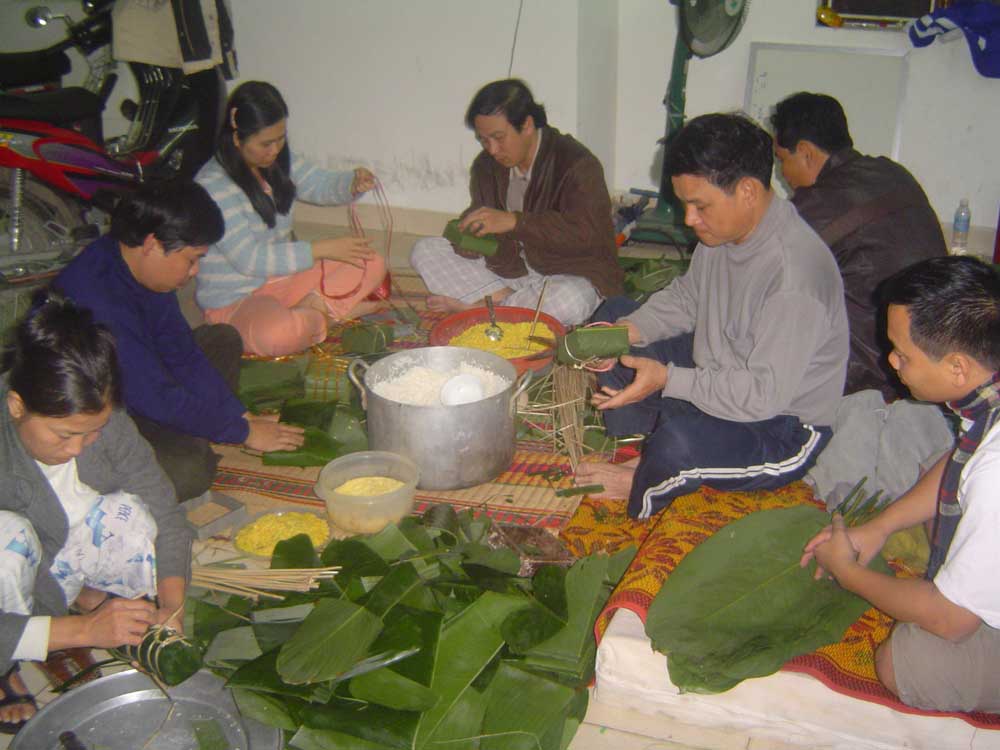 🇻🇳 Vietnam and 5 moreTếtTết Nguyên Đán
The Vietnamese lunisolar new year and the most important annual celebration in VietnamTradition · Luck and prosperity · Speaking with spirits and the dead Living
🇨🇳 China and 4 moreKitchen God灶君
The Chinese hearth deity who reports domestic conduct to the Jade EmperorBeing · Protection · Luck and prosperity Living
 🇮🇳 India and 5 moreMandalaमण्डल
A sacred geometric design used in Indian religions for meditation and spiritual mapping.Tradition · Speaking with spirits and the dead · Wonder and entertainment Living
 🇮🇱 Israel and 3 moreCleromancy
A divination method that uses random chance to reveal divine willOracle · Seeing and foretelling · Speaking with spirits and the dead Living
 🇮🇳 India and 4 moreDzi beadགཟི། (gzi)
An agate amulet worn in the Himalayas for protection against the evil eye.Charm · Protection · Speaking with spirits and the dead Living
 🇨🇳 China and 4 moreSky burialབྱ་གཏོར་
A Tibetan funerary rite where human remains are offered to scavenging birdsRite · Speaking with spirits and the dead · Change and initiation Living
 🇨🇳 China and 1 moreDongyue Dadi東嶽大帝
The Chinese mountain god of Mount Tai who rules lifespans and underworld recordsBeing · Speaking with spirits and the dead · Power and authority Living
 🇹🇭 Thailand and 3 moreThai Buddha amuletsพระเครื่อง (phrakhrueang)
Sacred Buddhist images and relics worn for protection, merit, and fortune in Thailand.Charm · Protection · Luck and prosperity Living
 🇸🇩 Sudan and 5 moreIncense
Aromatic plant material that releases scent when heated or burnedSubstance · Protection · Speaking with spirits and the dead Living
 🇲🇳 Mongolia and 1 moreTsagaan SarЦагаан сар
The Mongolian Lunar New Year, three days of white foods and family visitsTradition · Luck and prosperity · Cleansing and purification Living
 🇮🇳 India and 5 morePretaप्रेत
A suffering spirit of Indian and Asian belief, often called a hungry ghostBeing · Speaking with spirits and the dead · Change and initiation Living
 🇮🇳 India and 2 moreHomaहोम
A fire ritual found in Indian religions and their Asian offshootsRite · Speaking with spirits and the dead · Protection Living
 🇫🇷 France and 3 moreReliquary
A container for sacred remains or objects, crafted across many faithsCharm · Protection · Speaking with spirits and the dead Living
 🇨🇳 China and 5 moreGhost FestivalZhongyuan Jie (中元节)
A festival for appeasing wandering spirits and honoring ancestors in East and Southeast AsiaRite · Speaking with spirits and the dead · Protection Living
 🇨🇳 China and 5 moreJoss paper金紙
Paper burned as money and goods for ancestors, gods and the deadCharm · Speaking with spirits and the dead · Luck and prosperity Living
 🇨🇳 China and 1 moreAncestor veneration in China
Rites for dead kin who are thought to watch over the familyTradition · Protection · Speaking with spirits and the dead Living
 🇳🇵 Nepal and 1 moreMani stone
Carved stones bearing Buddhist mantras, placed as devotional offerings along paths and rivers.Charm · Protection · Speaking with spirits and the dead Living
 🇮🇳 India and 5 moreAncestor veneration
Rituals to honor the dead and maintain kinship bonds across generationsTradition · Speaking with spirits and the dead · Protection Living
🇮🇳 India and 5 moreAncestor veneration
Rituals honoring the dead to maintain kinship bonds and seek guidance from spiritsTradition · Speaking with spirits and the dead · Protection Living
 🇸🇳 Senegal and 5 moreVeneration of the dead
Rituals of respect and offerings for ancestors across global culturesTradition · Protection · Speaking with spirits and the dead Living
 🇱🇦 Laos and 3 moreTai folk religionສາສະໜາຜີ
Spirits, ancestor rites, and soul-calling ceremonies of the Tai peoplesTradition · Protection · Healing Living
 🇨🇳 China and 1 moreJiaobei筊杯 (jiǎobēi)
Wooden crescent blocks thrown in pairs to ask temple deities yes or no questionsOracle · Seeing and foretelling · Speaking with spirits and the dead Living
 🇻🇳 Vietnam and 2 moreVietnamese numismatic charmsBùa Việt Nam
Coin-shaped charms used for protection, luck, and ritual in Vietnamese cultureCharm · Protection · Luck and prosperity Historical
 🇨🇳 China and 2 moreBuddhist coin charm佛教品壓勝錢
Amulets shaped like coins that bear Buddhist symbols and prayers for protection.Charm · Protection · Luck and prosperity Historical
 🇮🇳 India and 5 moreLock of hair
A piece of human hair kept for symbolic, sentimental, or superstitious reasons.Substance · Protection · Luck and prosperity Living
 🇨🇳 ChinaShi尸
A living descendant who sat in place of a dead ancestor during ancient Chinese ritualsRite · Speaking with spirits and the dead · Luck and prosperity Historical
 🇯🇵 Japan and 4 moreKṣitigarbhaक्षितिगर्भ
A bodhisattva vowed to empty the hells and guard children, shown with a staff and jewel.Being · Protection · Speaking with spirits and the dead Living
🇪🇬 Egypt and 5 moreTariqaطريقة
A Sufi spiritual path and the community that follows itTradition · Speaking with spirits and the dead · Change and initiation Living
 🇺🇸 United States and 4 moreHaunted house
A house said to hold the spirits of its dead, and how the scares are investigatedBelief · Speaking with spirits and the dead · Wonder and entertainment Living
 🇻🇳 Vietnam and 1 moreÔng Trời
A sky god of Vietnamese folk religion, later linked to the Taoist Jade EmperorBeing · Protection · Power and authority Living
 🇻🇳 Vietnam and 3 moreWhale worshipCá Ông
A folk practice across East and Southeast Asia honoring cetaceans as divine protectors of fishermenTradition · Protection · Luck and prosperity Living
 🇨🇳 ChinaYao folk religion梅山教
The ethnic religion of the Yao, blended with Taoism since the 13th centuryTradition · Protection · Cleansing and purification Living
 🇨🇳 China and 3 moreCash方孔錢
A round copper coin with a square hole used in China and East Asia for two millennia.Charm · Luck and prosperity · Speaking with spirits and the dead Living
 🇨🇳 ChinaSuperstition in China
A broad category for folk beliefs and rituals dismissed as backward by modern Chinese authoritiesBelief · Protection · Luck and prosperity Living
Photo credits on this page
The small pictures above come from Wikimedia Commons under free licences. Some are cropped to fit.
- Sky burial: FishOil at English Wikipedia, Public domain, source
- Veneration of the dead: Anonymous ( Flemish ) Unknown author, Public domain, source
- Mandala: Marion Golsteijn, CC BY-SA 3.0, source
- Incense: nakimusi, CC BY 2.0, source
- Kṣitigarbha: སངས་རྒྱས་བཅོམ་ལྡན་འདས།, Public domain, source
- Mani stone: John Hill, CC BY-SA 4.0, source
- Vietnamese numismatic charms: Jean-Michel Moullec, CC BY 2.0, source
- Sky lantern: Richy, CC BY-SA 3.0, source
- Thai Buddha amulets: User:Mattes, Public domain, source
- Qingming Festival: Jacklee ., CC BY-SA 3.0, source
- Yao folk religion: Daderot, Public domain, source
- Dongyue Dadi: H2v5o68z, CC0, source
- Ghost Festival: Chong Fat, CC BY-SA 3.0, source
- Ancestor veneration: Thang Nguyen, CC BY-SA 2.0, source
- Tsagaan Sar: User:Chinneeb, CC BY-SA 3.0, source
- Joss paper: Vmenkov, CC BY-SA 3.0, source
- Jiaobei: Jnzl's Public Domain Photos, CC BY 2.0, source
- Cleromancy: Julius Schnorr von Carolsfeld, Public domain, source
- Shi: Jason Zou, Public domain, source
- Buddhist coin charm: Scott Semans, CC BY 3.0, source
- Reliquary: Attributed to Jean de Toul, also written Jehan de Touyl in one source, CC0, source
- Preta: Temple, Richard Carnac, Sir, Public domain, source
- Tết: vi:Lưu Ly, Public domain, source
- Tai folk religion: ( เทวประภาส มากคล้าย ), Tevaprapas, Public domain, source
- Whale worship: Bùi Thụy Đào Nguyên, CC BY-SA 3.0, source
- Lock of hair: Unknown author, CC0, source
- Dzi bead: Benjwong, Public domain, source
- Superstition in China: Gary Todd, CC0, source
- Cash: User 冷玉 on zh.wikipedia, CC BY-SA 3.0, source
- Ông Trời: Bùi Thụy Đào Nguyên, CC BY-SA 3.0, source
- Homa: Vyacheslav Argenberg, CC BY 4.0, source
- Ancestor veneration in China: Three huntings, CC BY-SA 4.0, source
- Wheel of the Year: Sunblade1500, CC BY-SA 3.0, source
- Haunted house: John Anster Fitzgerald, Public domain, source
The weekly digest
Every Monday: seven entries you may not know, what is on the calendar this week, and one rite drawn step by step.